The Lowdown on Salsa Lockdown Radio

Interview with Sassia Michel, Creator of
Salsa Lockdown Radio

As I said recently, one of the best things to come out of this global shutdown is the tremendous burst of creativity and innovation it has prompted from the international salsa dance community in an effort to help keep us vitally connected while we’re apart. Here I talk to London-based DJ Sassia Michel about what led her to create the online radio station Salsalockdown, the benefits this format provides for both dancers and DJs – including from her own perspective as a DJ – and whether there is a post-pandemic future for the channel.

JC: So Sassia, what was it that inspired you to set up the Salsa Lockdown Radio? Have you worked in radio before and was it always your plan to create an online radio station? Or did it only happen because of the virus?

DJ Sassia Michel

SM: No, I never worked in radio before. I was always interested in streaming live video and audio and about 10 years ago, I found some software for streaming straight to Facebook. But the idea for the radio actually came to me right after the lockdown.

On Friday the 20th of March they announced the lockdown, and my first thought was, ‘Oh no! We are not going to have any salsa!’ Then on Saturday morning I woke up with the idea of making a radio station to help keep people going. I thought if they can’t go anywhere to dance, at least they can listen to music any time through having access to a 24-hour radio. The idea was not to stop that salsa momentum and passion while we are locked down.

So I got up at 8am and started to think about how I was going to do it. I took my laptop and tried to work out how I was going to get the radio going using that streaming software. Then I thought, ‘Wouldn’t it be even better if we can have a chatroom so people can literally come and talk, and still stay connected by talking and exchanging ideas. If they are at home alone and feeling lonely, it will be a nice place for them to come and chat.’

After I found the software to stream, I realised I needed to create a website and then find a way to get the radio software on it. I found the artwork for the site, then a platform I could put it on. So then I spent the whole day working on it, about 7–8 hours. I wanted it to be available that night, straight after the lockdown, so we could keep going with salsa. I also knew I had to do it right away, because I knew if I waited, I might get lazy and not get it done. So I decided to do it in one day and then take more time to decide what to do with it.

DJ Sassia with her salsa-mad mum Yolette, who asked her for help to find a way to keep listening to salsa during the lockdown

That day, my mum – who is alone in France – texted me asking, ‘How can I listen to salsa? Can you send me some salsa tracks I can listen to while I’m locked down?’ And I was like, ‘Wow! That’s amazing – that’s exactly what I’m doing! So now you will be able to go to this website and listen to salsa 24/7. And rather than just having a few tracks, you can have it running for the whole of the lockdown.’ I was so happy my mum asked me to do this as it was exactly what I thought dancers would be saying – ‘We need salsa! How can we do it?’ So it would be great that Salsa Lockdown would be right there.

As soon as I had had the idea, I messaged a friend in salsa, who said, ‘Wow! That’s genius! Go for it!’ So as soon as I had made it, I shared it with my friend. She came back and said, ‘Yeah change this, do this that way’, and then boom! Salsa Lockdown was born.

JC: So what about the different DJ sets? The CoBeatParty is doing that too, with lots of sets from DJs around the world 24/7; how is it different on Salsa Lockdown?

SM: On the day I created the radio, I thought, ‘You know what, it’s not going to just be a 24-hour radio – I will get DJs to play on it too. And it’s not going to just be me playing, it’s going to be other DJs playing too, because they’re also probably missing playing for people.’

It also seemed like this could also be a way for people to get to know the DJs better too, because dancers don’t usually care about the DJs when they are just standing there playing a set. You might get a few dancers coming up at the end and saying how much they liked a song or songs, but that’s it.

So my idea with the live radio is that it would be a great opportunity to create that friendship and community thing, and to get the DJs interacting with the people listening to their set as part of that community. For most of the DJs, apart from Tuli maybe, they haven’t ever done a proper radio show, but from a DJ’s point of view, this is different from DJing on the floor because first, you don’t see the dancers.

“DJing online has been a new and exciting experience since it gives you the chance to interact with the crowd on the chat on a more personal level – you can share thoughts, anecdotes and opinions while listening to the same music we usually only dance to, which you can’t do in a social situation. I loved that it gave me the chance to explain details about the music and the history behind certain rhythms, and to engage with the crowd in a less-superficial way.” [If you missed Alexistyle’s set on Salsa Lockdown, you can also catch him here on the CoBeatParty Online Salsa Congress]

—Alexis Ruiz, London/Guatemala

I usually say to the DJs, ‘You don’t have dancers in front of you, therefore you’re not trying to make people dance. But I want you to take them on a journey – on your journey.’ So I am challenging the DJs about speaking on the microphone, and having people interact with them – and the result is that they love it!

I did the DJing myself that first Saturday on the radio – I think we only had about 10 people listening, some of whom were close friends – and although I actually played for them, it was more like a talking thing as I was asking them, ‘What should we do with Salsa Lockdown? How should we make it work? How often should we do it?’ Because I wasn’t playing for them like the other DJs on the CoBeatParty, I played a bit of Haitian music. And I realised after that first night of doing this that it wasn’t about me, but it was working with the dancers and the DJs in the best way to keep everyone in the salsa community together.

But I also think it gives the opportunity to DJs to really show a bit of themselves – like when you have those people in the chat room, it’s not about making those people dance; it’s about helping those people to understand about the music a bit better, or discovering something interesting that they didn’t know before. So the DJs on Salsa Lockdown have the freedom to play anything they would not play in a normal set.
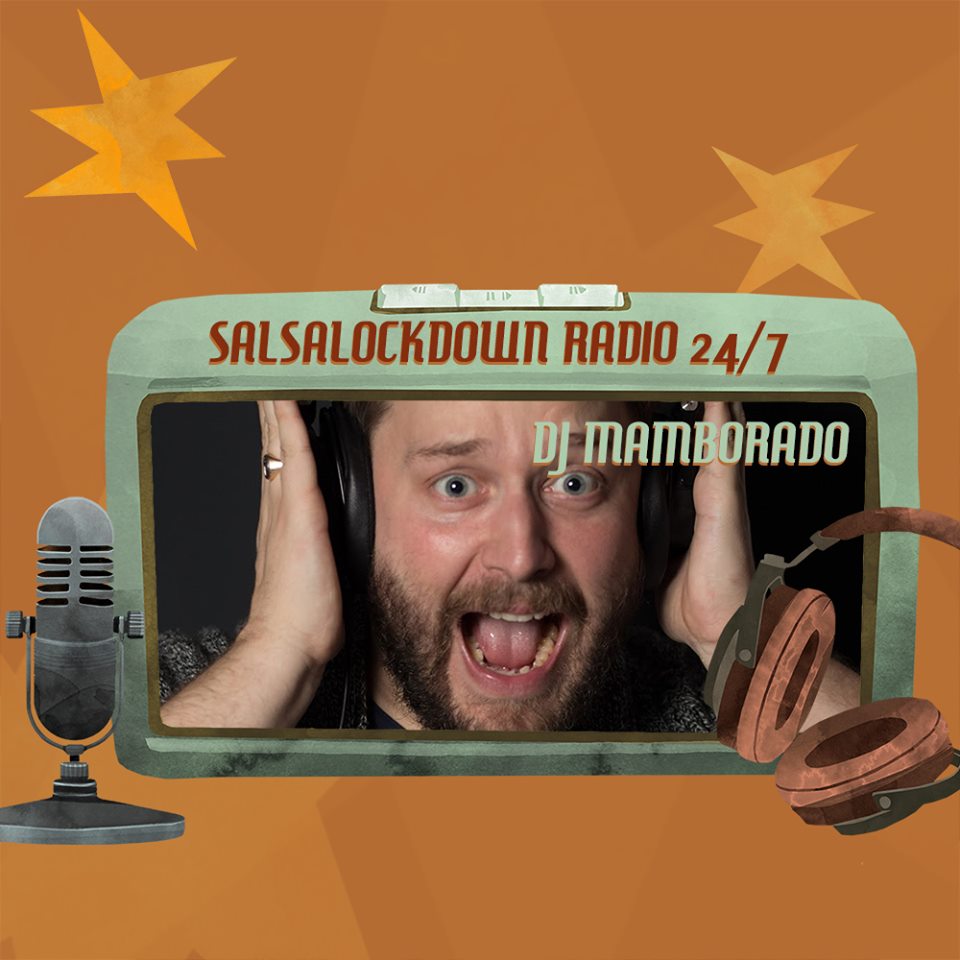
“The first thing I noticed was I didn’t have immediate feedback like you get on a dancefloor, where you know straight away if the dancers like it – instead, all you had was the live chat. But once I got used to it technically, I saw that even though it was not immediate, you get a lot of detailed feedback where people are explaining what it is they like in the music, which was much more interesting. If you’re DJing at an event, you may get some people coming back and saying, ‘I really liked that track’ – but here they are telling you why. So it wasn’t immediate, but the quality of the feedback was so much better.”

—Sebastian Mamborado, Czech Republic

I know as a DJ I have so many tracks I love, but I don’t feel like it’s going to fit with a salsa party or work on a dancefloor, so I think that’s what the difference is – as a DJ on Salsa Lockdown, you have that opportunity to really be yourself and take people on a musical journey wherever you want, because those people who are coming to listen are the real music lovers. I usually tell them, ‘Be you! If you want to play something, play it! It’s not for dancing, so you can tell people more about your music and why you choose to play that.

So I think this is what makes it a real different experience for the DJs – at least, that’s the way I see it; you should talk to some of them and ask them too.

JC: So what about your own musical journey as a DJ and the Haitian salsa you played on the first night? You mentioned your mum was into salsa; is that what led you to become a salsa DJ?

SM: I come from a musical family. My dad was a famous musician in Haiti where I grew up. He didn’t play salsa, but he played the piano and a few other instruments in the popular national music known as konpa [otherwise spelt kompa or kompas, from the word compass]. So I grew up in music, really, and that’s how I got my love of music. I was also a musician – I played the saxophone and used to play with jazz bands in France after we moved there.
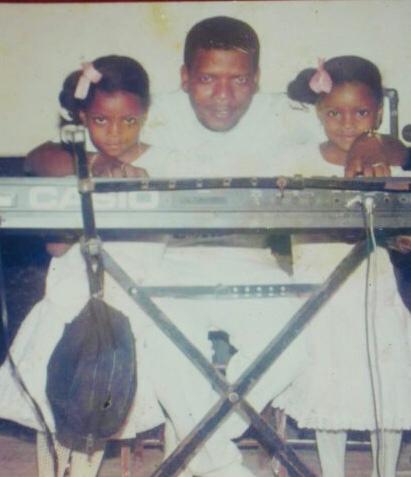
Sassia and her twin sister Tassia with their musician father in Haiti

When me and my twin sister were little kids, our mother loved to go and dance salsa and bachata, to go to the shows and classes, and to listen to salsa music from the Dominican Republic. As she often couldn’t get a babysitter, she took us with her – so we were exposed to salsa from a very early age.

When I moved to London from France and was exposed to the DJ world in London, I just kind of fell into DJing. It wasn’t something I really planned to do, but it just came to me, and I embraced it. I am really happy now that I often get to share my music at some of the best events in the UK and also internationally, as it says on my bio on the revised website.

JC: You mentioned you played some Haitian music on the first night of the radio – I remember listening then and thinking that was really cool that you were playing that as I didn’t really think of Haiti as a place for salsa music. So it’s great you could share that with us and educate us about that since it is your background.

SM: Yeah, I also thought the Salsa Lockdown would give the DJs the opportunity to bring more diversity to the music we are listening to because it is not just playing for people who are dancing in a club, so they can bring things we haven’t heard much before – including in my case the Haitian music.

Normally, you might get one track in a night from a Haitian band that sometimes plays salsa; I tend to throw in one every few sets I do, and in salsa parties around the world, they might include some Haitian salsa or you might get some traces from Haitian bands, but no one actually knows it’s from Haiti because it is sung in Spanish and sometimes in Creole. I remember as I was growing up, although most of the music was sung in French, you would always hear one song in Spanish.

Back in the day, those Haitian bands had a close relationship with Cuba and Dominican Republic as these islands are not far away from Haiti, so the influence was there in some of the Haitian bands and music, especially in the konpa – but I do need to research it myself more to really know the history.
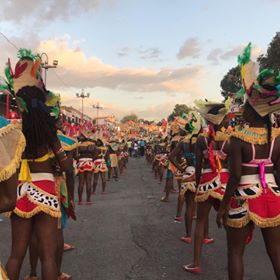
“Haitian bands had a close relationship with Cuba and Dominican Republic as these islands are not far away from Haiti, so the influence was there in some of the Haitian bands and music, especially in the konpa”

On that first day when I played the Haitian salsa on Salsa Lockdown, it was because I thought, ‘Hmm, I don’t have any dancer in front of me, so I can play what I like’ – and it did make me feel really good to play that music because it is something I know and it is from my country, so I was showing a bit of me that I don’t normally get to share with others on a dancefloor. And it really surprised me that so many dancers who were listening to it on the radio were really into it – now I think I could probably do a whole set just on salsa in Haitian music!

But that’s really the idea of the radio: it gives DJs a chance to be who they are, share a bit about themselves and do something different.

JC: It’s a bit like the DJ version of that ‘Share Your Salsa’ initiative Toan and Tina set up ages ago at TNT – but here it’s DJs sharing their musical journeys, which is really cool. So what’s the plan and the schedule for the other DJ sets on Salsa Lockdown?

SM: Well, at the moment, I try to have live sets on Friday, Saturday and Tuesday nights – a lot of us were used to coming to Funky Mambo on that night, and I wanted to keep the momentum going for the dancers. So I am working with Funky Mambo to do that for as long as we are in the lockdown, and they also recommended some DJs.

DJs that have played already:

  • DJ Rupert, UK
  • DJ Alexis Ruiz, London/Guatemala
  • DJ Mari, Prague
  • DJ Vincent, Paris
  • DJ Erick the Saint, London
  • DJ Tuli, London/Venezuela
  • DJ Martina, London
  • DJ Jeff, London
  • DJ Mamborado, Prague
  • DJ LaFuriosa, Lyon
  • DJ Mario, Italy
  • DJ Duste, Sweden

I’ll also look around and see what’s going on with other DJs on the CoBeatParty or elsewhere, so depending on that, I might also add something on a Sunday so we can have a relaxing night – for example, I just decided to have some special starting this Sunday with Magna Gopal sharing her music and talking live on the radio.

“Ah, I loved it. I loved it so much I thought I have to start a radio station myself! Music is one of my favourite forms of expression, but verbal communication is another — and if you mix the two at the same time, well, that’s paradise for me! For each song I could explain why and what I liked about it and any memories attached to it — that level of sharing was so fulfilling at a time of limited human interaction! Through the questions I asked, I could feel people were also craving that same feeling of sharing as they would engage with me in many different levels. And of course, getting live feedback on specific parts of the music… you never get that level of detail playing for the dance floor!”

—Martina Petrosino, London/Italy

In the next couple of weeks, we have some fantastic DJs coming… this Saturday (25 April), we have DJ Ajad from Japan – I’ve heard he’s the best DJ in Asia, from what I understand, so I’m really excited about getting to know him. We also have some from Spain and one from Greece coming, so that’s fantastic. And when they come, they also bring new listeners from all over the world, so that’s fantastic, and I really feel so blessed to have that I have all these DJs from around the world that want to do this.

DJs that are coming soon:

  • DJ El Nene del Bronx, Spain
  • DJ Ajad, Japan
  • DJ Mortin, Romania
  • DJ Khoos, Australia
  • DJ Paolo, Spain
  • DJ Sam Sleek, London
  • Magna Gopal

So far, we have some people tuning in from everywhere – but it’s mostly 10 countries or so, with the majority coming from the UK, Slovenia, Czech Republic, France, Germany, Estonia, the US and Spain, which are usually the countries the DJs are coming from. The most we’ve had tuning in at any one time is around 70 or so, but it’s usually around 30–35 – which is fine for now, as it’s often the same people who are the regulars listening, which makes it feel like a small party and community, and that is how we get to know each other. But every time we have a DJ from a different part of the world, they also bring people from their own countries, so that makes it really interesting.

I also have the radio on all the time, so I can see who is tuning in and connecting from all over the world to listen to it, so I think this is really great to have this available all the time. Most people might tune in and listen for an hour or so each day, which is great as they can access it whenever they like.

JC: So what about the future? Do you plan to keep going after the lockdown ends? If so, will you keep the radio the same, or do you plan to do anything different?

SM: Well, yes, I would really like for it to continue. Maybe not exactly in the same way or at the same time, because once the lockdown finishes, people will want to go back to the parties, and they might not have time to tune in. But I think we could certainly have some special radio shows, maybe every two weeks – for example, some interviews with artists, dancers, performers and promoters coming and talking about themselves, so again we can feel closer as a community.

We can also have some live sessions with people debating things with DJs and other guests, so we can keep that sense of community and the educational thing going with quizzes and talks and things, because there really does seem to a real hunger for learning these kinds of things among the dancers.
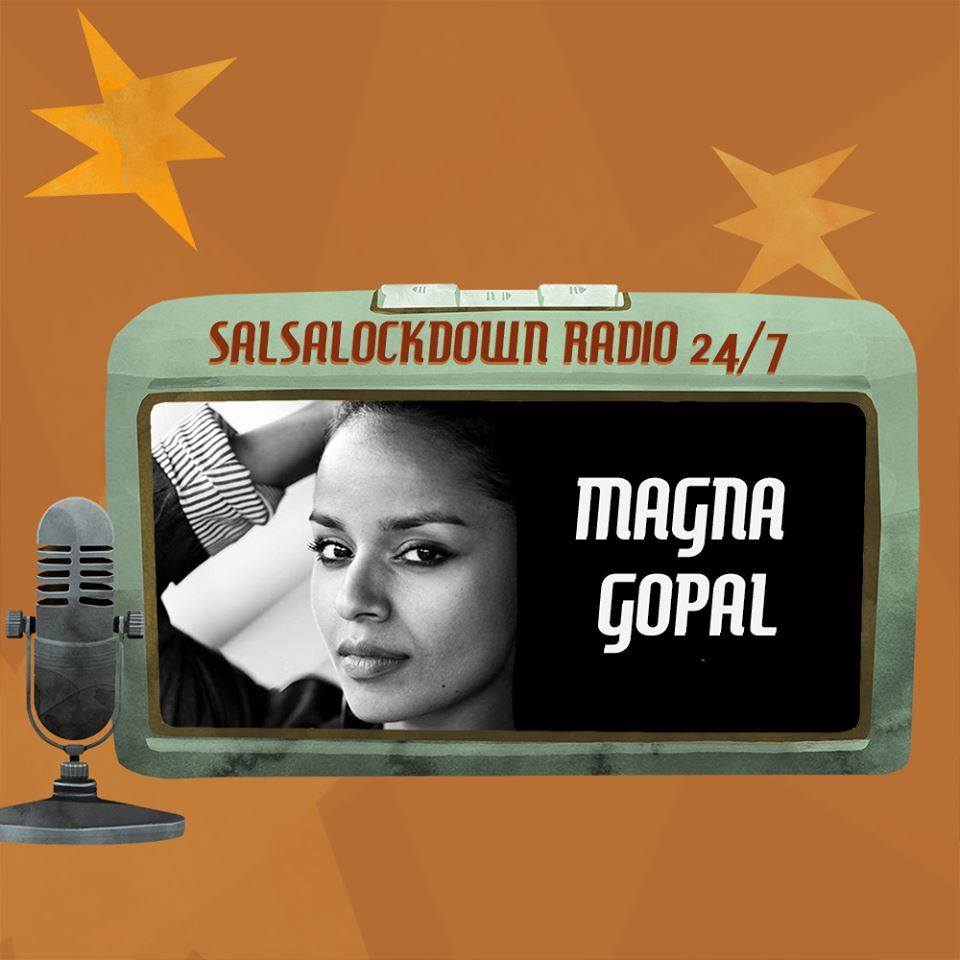
Coming soon: Magna Gopal

There’s so many things going on online now – you can go and listen to CoBeat or do online dance classes every day, but I want Salsa Lockdown to be really about growing the sense of community. It’s about listening, learning, understanding and getting to know people better – the dancers, the DJs and the musicians – everyone really.

So far, we’ve had so many great chats, such great quality with the music and so much wonderful education from people like Alexis, and I really don’t want that to go to waste, so I’ve just added a podcast section on the site so people can listen to those talks any time. I’m also making some other changes to the site with new graphics as well as the original art. I had a lot of help on the graphics from Marian from Prague, who did all the Photoshopping of the DJs onto the graphic, so I’m going to keep that.

As for other changes, well I just really need to put the time into it to promote it – that’s not really my thing, but I do need to put the time into it. I like the intimacy of the small community listening to it now, but it would great to get some more people tuning in from all over the world, and really to grow that diversity element. I don’t want it to be just about the DJs coming to do the show, but to really grow that diversity element, so we as a community can continue to learn and grow. So many people have come back to me and told me how much they appreciate this initiative, so I think most of them want this to continue. I know I do! 

Eventually I would also really love to have some live concerts, to have live music streamed onto the radio. It would be great if a band was playing live somewhere in the world, and we could stream it straight onto the radio so anyone anywhere can enjoy it.

JC: Wow, that sounds great! I certainly look forward to it continuing in that way! One last question then: if you can get it sorted out so you can get a live concert or band livestreaming on the radio and website, who as a musician would be your number-one dream band to play first?

SM: Believe it or not, I am listening to a lot of Cuban music now, and there’s a band I really love – it’s called Havana de Primera. I saw them play in London once and I just fell in love with the singer’s [Alexander Abreu Manresa] voice. So I’ve been listening to them a lot because I love his voice – you can really hear his soul in his voice, and that is wonderful.

I’d also like to have Tromboranga playing on the radio, but for my very first livestreamed concert, it has to be Havana de Primera! [She sent me this link so I could hear for myself]

…Lastly, a big shout out to:

I’m really grateful I’ve had so much help and support – including a little donation (a big thank you to those people who did that) – from so many people who have been behind me and really supportive of me. First, I want to say thank you to my family – my twin sister Tassia, my mum Yolette, and my other half WJ for always believing in me. I especially want to mention the two ladies who have been my other eyes on this project, Katja Kliewer and Polina Levontin – thank you for your friendship. And thanks to Jana Kleineberg and Alexandra Bailey for their help with the new logo.

Of course, I am also thankful to all of the DJs who were on board straight away and played for us, and for everyone else who has been a big help and support to me on this project from day one – Toan Hoang, Ovidiu Suciu, Alex Shaw, Marian Grocky, Jamil Bacha, Rupert Boyle, Helen Sweet, Phil Marsden, Martina Petrosino, Loïc Thomas, Vincent Amiche, Julien Arnaud, Ulrike Silberkuhl, Adele Minniti, Dustin Hogg, Coco Jacoel-Robertson from the Agozar team, Miho Miha Shigematsu and Cliff Joseph from Funky Mambo, Karen McGuire, Hannah Galbraith and Alex Buckley, Ashwin Mannick, Sofi Cook, Jane Cahane, Rachel Naunton and Stefan Dosch.
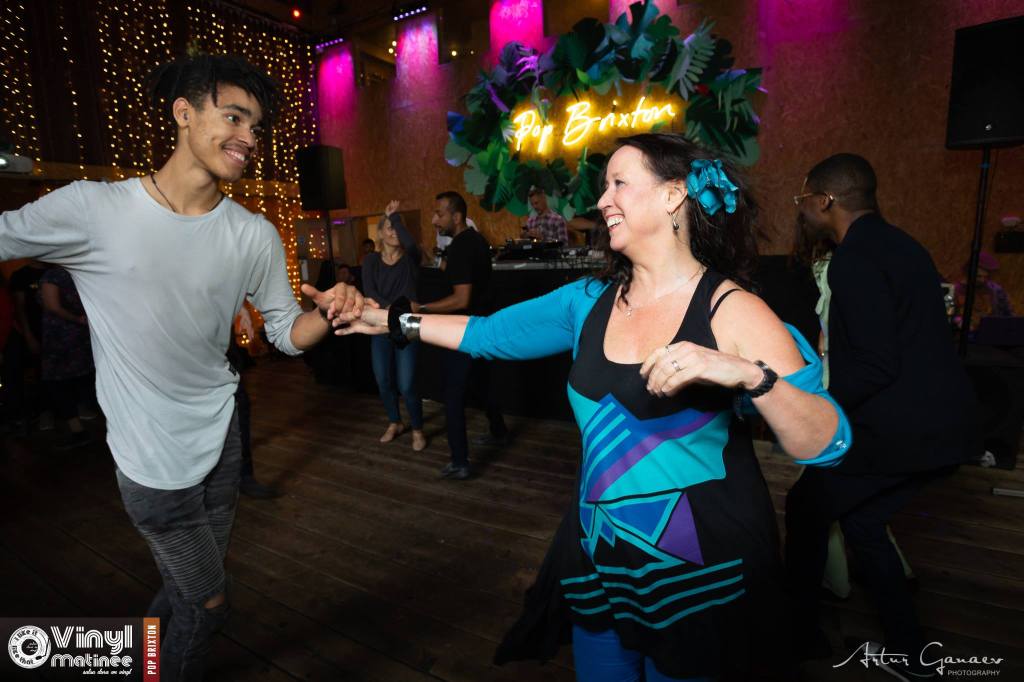
Connection in the time of social d(ist)ancing

Thanks to the abundant creativity, generosity, vibrancy and innovation of the international salsa community, keen dancers like me have been able to get our fix 24/7 during lockdown, with round-the-clock sets from some of the world’s very best salsa DJs streamed live on via the CoBeatParty Facebook page – including the world’s very first online-only salsa congress, which featured some amazing dance and music workshops from Eddie Torres Jr and Princess, Joel Domingo and Maria Palmieri, Alexistyle Ruiz, Joaquin Arteaga from Tromboranga and others.

Other initiatives have arisen almost daily ever since the global lockdown in response to the Covid-19 pandemic began, with an explosion of online dance-oriented exercise sessions, classes and workshops in salsa, bachata, kizomba and other popular partner-dance styles offered for free (mostly).

While various London radio stations have hosted salsa sessions for a while (e.g. DJs Tuli and Hughie leading The Latin Explosion on Colourful Radio and DJ Del Salereo offering Cuban vibes on Back2Back FM, for example), radio seems to have found a new lease of life online through DJ Sassia Michel’s excellent Salsalockdown channel. Featuring various UK and international DJs on rotation, this online radio channel offers dancers a chance to chat with each other and interact in real-time with the DJs, some of whom have delighted in the opportunity to explain their musical preferences, introduce some unusual offerings (DJ Martina Petrosino, especially), or quiz the listeners with fascinating snippets of musical history and explanations (thank you, Alexistyle and Jamil, for the fun quizzes, and for sharing your wealth of knowledge about musicality, the instruments and the history of salsa! We have all benefitted greatly from it).

While this plethora of dance and musical offerings online has indeed been very welcome at this time of social distancing (which of course means not dancing socially), it has also sharpened the distinctions of what it actually is that truly keeps us connected as dancers: it’s the music.

Whenever someone asks me why I like dancing with partner X or partner Y, or what it is that makes a truly great dance, I’ve tried to explain that in my opinion, the best dances happen when both dancers are simultaneously feeling and expressing the music in the same or a responsive way. They don’t necessarily need to be doing exactly the same steps, patterns or movements – in fact, the dance is often like a conversation, in-joke or flirtation between two consenting adults – but they do need to be responding to the same elements in the music, and also correctly within the timing and style of that music. And unless both dancers are in tune with and truly connected with the music, they won’t achieve a perfect connection when they dance together.

Social distancing has revealed what it is that truly keeps us connected as dancers: it’s the music.


In truth, while I can’t deny missing the buzz of face-to-face and skin-to-skin encounters, and indeed like many others at this time, I am craving physically connecting in real-time on a dance floor, I’m also deeply grateful for the chance to practise other forms of connection at this time – nature, art and writing are all things that are actually best practised and enjoyed in solitude; so is listening deeply to and really understanding and feeling the music. The ability to do that is absolutely essential to excellence as a dancer, so this time is in fact a real gift to anyone who really wants to be a good and certainly a great social dancer or performer. And that is one reason I can truthfully say that, even as a dancer, this period of ‘inactivity’ is truly a blessing in disguise, as it will enable us to take time out to listen more deeply to the music we all know and love to dance to.

But even on a social level, this time out we are experiencing has benefits. Being an undeniable extrovert as well as a long-time social dancer (I first began dancing salsa 23–24 years ago; I was also teaching a full syllabus of Salsa and Related Latin Dances and writing about salsa for over 10 of those years), I can’t say I don’t feel connected to other dancers, thanks to the above initiatives. Given my dedication to going out at least a couple of times a week to dance, and attending at least a few major international or London-based salsa festivals each year, it is hardly surprising that everyone who knows me expected me to feel quite bereft or at least deeply challenged by not being able to go out and social dance, but truthfully – for the moment at least – I’m fine, even grateful for the break.

…When life hands you Covid-19, make a CoBeatParty!

Admittedly, I’ve missed having a reason to get glammed up, but even that has had its moment online, thanks to the Agozar team inviting me to join them in a ladies’ version of the men’s ‘Brush’ routine, which was a lot of fun (I’m near the end, transforming from my high-vis Bucks Angels volunteer jacket to a congress-ready look).

Although these do have their limits compared to being there in the flesh, at least we now have a range of social media and real-time meeting apps such as Zoom allowing us to connect and chat with each other in real time via text or video. Occasionally, when we’re chatting online, the actual social connection is surprisingly better than the real-life situations it is temporarily replacing, as for one thing, you can actually hear what others are saying. Online chats mean you don’t have to compete with the noise and distractions of a crowded club, dance class, bar, dance festival, or even a boozy congress party, and so and are able to appreciate all the quirks of your friends’ unique personalities.

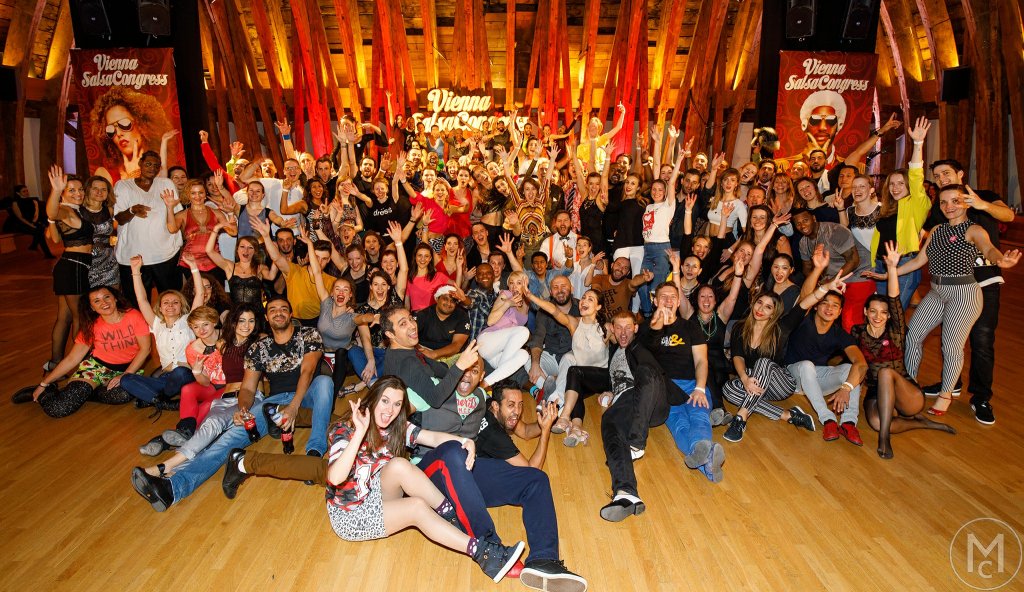
Will the close physical contact we as dancers are used to enjoying at international congresses (as here – Vienna Salsa Congress, December 2017) become consigned to the dustbins of history? That is the burning question on many salseros’/as’ lips at this time

I’m sure this is the main reason for the popularity of pre- and after-parties at congresses: people just want to get to know others and also be known more intimately, as that way you can make deeper connections and lasting friendships – which of course we can’t really do when we are all too busy dancing. So, by eliminating the background noise and distractions – as well as the desire to run off and dance as soon as we hear a great tune – we can truly focus on what the other person is saying, enabling a deeper, richer understanding and more genuine personal connection.

It’s hard to imagine how we would be able to remain connected without these online channels; we’d probably all feel like we’re hiding out in a dark cave on some deserted island. Which, if this situation drags on interminably – as some suspect it will do, given the virus’s rate of global multiplication – we may well effectively be doing. But right now, it still seems like a gift – a challenge to the most creative among us to make the best with what we’ve got – so perhaps a salsa-relevant version of the saying should be, ‘When life hands you Covid-19, make a CoBeatParty!’

As for me, I’m still feeling grateful… whether I’ll still feel like that after another few weeks or months of non-physical lockdown isolation remains to be seen. Watch this space!

Fashion sense and sensibility: getting out of the fast-fashion trap

As the global fashion industry comes under increasing scrutiny for its carbon footprint and contributions to social and ethnic injustice, is it time to give high-street fashion the boot?

Increasingly these days, I discover I am not the only person – and notably, not the only woman, since most fashion advertising specifically targets us – who is beginning to the see the connections between the fashion industry and the environmental catastrophe we are facing, and to feel a kind of moral nausea about the whole idea of shopping.

I find myself in a very strange place, having seemingly morphed overnight from someone who used to love to shop, whose eyes glittered magpie-like on the latest shiny, bling-y thingy, into someone who now finds the whole concept of shopping completely uninteresting – even to the point of being physically repugnant. How did this happen?

This sensation inevitably flares up after glimpsing shop window after shop window in shopping centre after shopping centre, all boasting the invariable pre-, mid- and post-season sales racks, with heaving ‘fashion’ items piling up like so many Ghosts of Christmas Must-Haves Past. Following hard is that sinking feeling that comes with knowing that eventually, most of this once-coveted mass is only going to end up swelling landfills in much poorer countries that are already overburdened with the task of cleaning up the West’s discarded seas of plastics.

Therefore, if I/we are ever going to have any hope of getting away from this mindlessly devastating consumerism, we will have to start by asking hard questions that will make us more conscious about what we buy, where (and how) it comes to us (eg the supply chain), what we value and give our attention to, and – more pressingly – why.

Fashion vs. food: how cotton threatens life

My personal queries about the fashion industry began after I watched bubbly investigative reporter (and latterly Strictly Come Dancing star) Stacey Dooley’s BBC production, Stacey Dooley Investigates: Are your clothes wrecking the planet?. Here, Dooley reveals the direct cause-and-effect links between the fashion industry and environmental disaster, showing, for example, how cotton-growing in the Caucasus region had caused the Aral Sea (originally the world’s fourth-largest freshwater lake) to shrink to a mere tenth of its original size, bringing devastation to the land, health, lives and livelihoods of its communities.

Sadly, after decades of growing cotton for export, this huge and once-abundant lake had almost entirely dried up, leaving the surrounding communities stranded without any fish for food or income from fishing. And with less fresh water to drink, the people were forced to drink the heavily chemical- and pesticide-laden water from the dried-up lake, resulting in multiple cases of cancer and lung disease.

While I had always considered cotton to be a more sensible, Earth-friendly, natural, breathable and ‘sustainable’ fabric, cotton is actually about as far from sustainable as it gets. It is not at all a ‘nice’ fabric – at least not to anyone who has to grow or produce it.

Cotton – which grows naturally in warm climates in the US, Brazil, Asia (including China, Uzbekistan, Pakistan) and Turkey – is in fact a very thirsty plant. It requires 20,000 litres (5,283 gallons) of water just to produce one kilogram (2.20 pounds) of cotton. According to a Refinery 29 report, “it takes 2,720 litres of water (as much as you’d drink over a three-year period) to make one T-shirt, and 10,000 litres of water went into making your favourite pair of jeans.” That is an awful lot of water, especially considering many countries around the world are already contending with problems caused by severe drought, water shortages, pollution and erratic rainfall. Cotton farming is also responsible for 24% of insecticides and 11% of pesticides, despite using only 3% of the world’s arable land.

Fashion may be fun – but we cannot drink clothes or eat shoes!

But cotton production is not the only factor in environmental damage. The article quoted above also points a glaring fistful of stats at the fashion industry in general:  “A 2017 report revealed that, in 2015 alone, the fashion industry consumed 79 billion cubic metres (nearly 20.9 trillion liquid gallons) of water – enough to fill 32 million Olympic-size swimming pools. That figure is expected to increase by 50% by 2030.” Considering how much water goes into producing a single garment, the environmental footprint of a simple pair of jeans and T-shirt becomes truly unsustainable. In addition, the fashion and textiles industry accounts for 10% of global carbon emissions, and is second to oil as the world’s greatest air polluter.

Therefore, if we care at all about the future of life on our sorely abused planet, we must seriously evaluate the true costs of the clothes we wear – and stop buying anything we don’t actually need. Our planet simply cannot endure much more abuse in the service of our dedicated following of fashion, which typically results in acres of landfill once consumers have tired of their insta-fashion garments and discarded them. The average consumer today buys 60% more fashion items than in 2000, but discard half of these garments. Such blind consumer behaviour is ultimately suicidal: if we destroy our drinking water, air, soil and other resources in the process of creating and following fashion, we are lost. Fashion may be fun, but we cannot drink clothes or eat shoes!

Textiles exhibition, Charleston Museum, Charleston, South Carolina, US

Fashion and slavery: a fundamental evil

Along with the environmental destruction wreaked by excessive cotton-growing as cited in the Aral Sea example, a recent visit to the Charleston Museum highlighted how this seemingly pure, natural fabric is also deeply intertwined with the grave social injustices inflicted during America’s shameful history of slavery. Just as today’s fast-fashion brands rely on the nimble fingers of children in sweat shops to keep consumers queuing to buy their brands, so the colonial South relied on the dirty business of slavery to build its empires of water-hungry cotton, indigo (a plant that produced a sought-after blue dye) and rice.

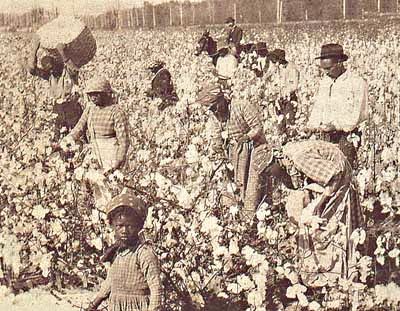
During the height of the transatlantic cotton and textiles maritime trade of the 18th and 19th centuries, the US became the third-largest producer of cotton after China and India. This was thanks entirely to the unscrupulous US slave traders who purchased and enslaved billions of Africans, and then sold them to plantation owners. The owners then forced their slaves to work in the blistering heat, digging and planting their cotton fields, harvesting their crops, then spinning, weaving and tailoring their fabrics into the fashionable garments craved in ‘polite’ society parlours on both sides of the Atlantic.

Enslaved Africans working the cotton fields of the American South

The enslaved who were captured and dragged from the wetlands-rich west coast of Africa – an area steeped in centuries-old cotton- and rice-growing knowledge – brought with them the exact skills and experience needed to turn the plantation owners’ swamps into profitable land. But instead of being recognised and rewarded for their skills, they were brutally manacled to the holds of ships bound for major US slave ports such as Boston and Charleston, where they had to endure horrifically cramped, inhumane conditions for 2–3 months, with few surviving the notoriously dangerous ‘Middle Passage’ across the Atlantic (typically one in six perished per voyage). Throughout the journey, and continuing into their lives as slaves, they were frequently sexually and physically abused. Those that survived were ripped from their families on arrival at port, and then bartered for according to their age, sex, strength and skills.

Once the buyers claimed their purchases as ‘legally owned’ property, the slaves were then subjected to all manner of base cruelty and oppression, without any basic human rights or dignities – it was illegal for them to learn to read or write, as their owners greatly feared an uprising if the enslaved had too much knowledge. Yet without the knowledge, skills, expertise and back-breaking labour – often in malaria-infested swamps – of the enslaved, none of the South’s opulent mansions, exquisite silk and lace garments, and graceful antebellum plantations would ever have existed.

A comparison with today’s slave workers

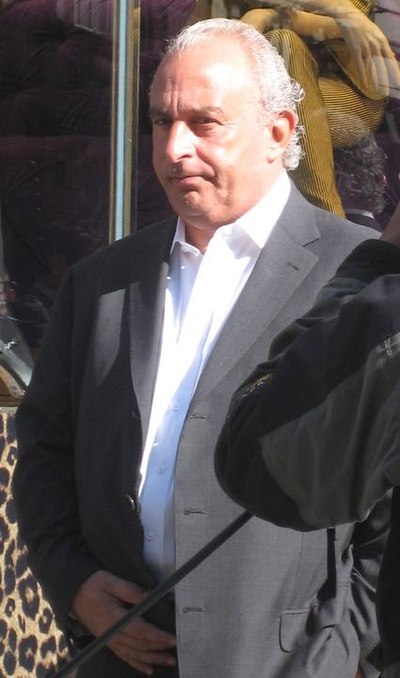
While we may retrospectively deplore this treatment of slaves as barbaric, is today’s society really any different? Especially when high-street fashion moguls such as “unacceptable face of capitalism” Sir Philip Green of British fast-fashion retail giant Arcadia Group (owner of Top Shop/Top Man, Miss Selfridge, Dorothy Perkins, Burton, Evans, Wallis, and the controversially now-defunct British Home Stores) have built their fortunes on the backs (literally, in some cases) of the presently ca. 260 million under-15-year-old children employed in slave labour in impoverished areas of countries such as India, Nepal, Turkey, Pakistan, Uzbekistan, Indonesia and Colombia?

Although cotton is not, strictly speaking, a ‘fast fashion’ fabric (which usually refers to synthetic materials like polyester or poly-cotton blends) because of the amount of time (and growing conditions — including the vast reserves of water required) it takes to produce it, pure cotton still accounts for 39% of all fibres worn today, and 58% of all non-synthetic fibres worn by people around the world.

Sadly, the treatment of slaves in the cotton fields of the South foreshadows today’s global fashion industry and its reliance on cheap labour, which specifically exploits the most vulnerable peoples in poorer regions of the world – women and children. The working conditions, threats to health, and lack of basic human rights such as education and a living wage – not omitting frequent evidence of physical and sexual abuse – female and child workers endure are a near-exact parallel to the damning situations African slaves faced.

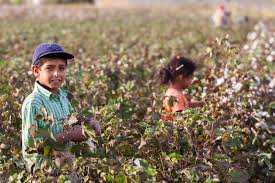
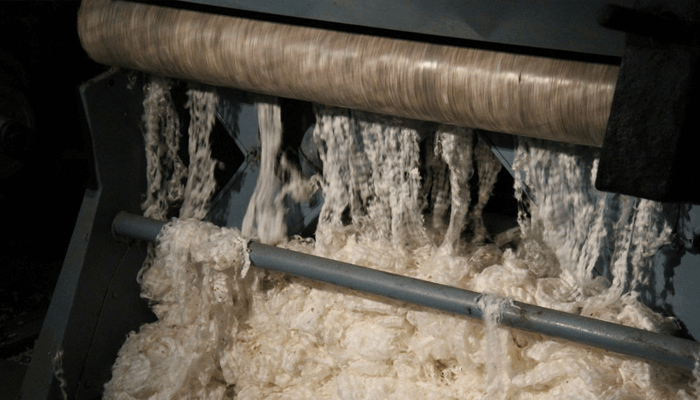
Above, clockwise from left: Disgraced Arcadia chief Sir Philip Green; children work cotton fields in Uzbekistan; African woman sifting cotton buds; a cotton gin (Source: Wikipedia)

Because of their size and agility fashion chains cynically exploit under-15-year-old children, who are forced into the hard labour of cross-pollinating the cotton plants, harvesting the crops, and then put in further long hours working in cotton mills. There they spin, weave and dye the fabrics subsequently mass-produced as the clothes we buy from high-street chain stores. The children are paid a pittance for their labours, and frequently threatened with expulsion from school by their governments if they do not work the cotton fields during the summer months. Children also rarely benefit from their wages, as these go straight to their parents. Many become ill and malnourished; most have very little freedom to play and enjoy a normal, healthy childhood.

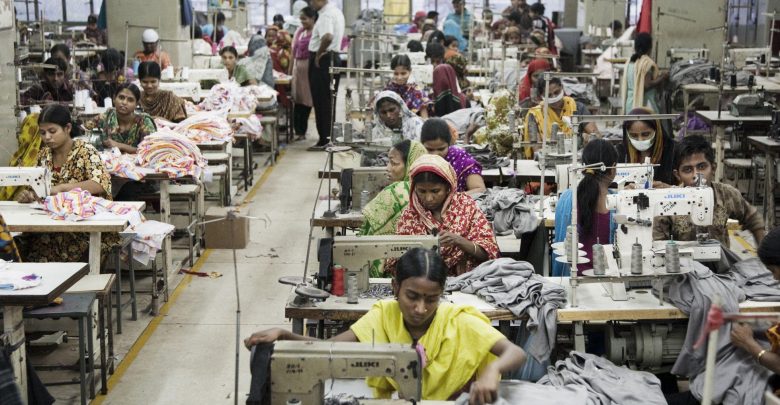
Women in supply chains also suffer gross injustices. A 2018 article in the Guardian cites two reports by Global Labour Justice highlighting 540 incidences of gender-based sexual and physical abuse in fast-fashion favourites Gap and H&M’s supply-chain factories across Asia (Bangladesh, Sri Lanka, Cambodia, India, Indonesia) over five months. The report also found the female workers were often forced to put in excessive hours of unpaid overtime and work at an incredible pace due to underbid contracts.

Female workers in a garment factory in Bangladesh (Source:

From 2017–2018 in India alone, female workers using cotton gins in 4,000 mills processed 37.7 million bales of cotton – that’s a whopping 8,550.2kg (18,850 lbs – based on a standard bale at 500 lbs / 226.8kg). The cotton was then mass-produced for high-street consumption in the fast-fashion chain stores, where it is sold for competitive prices far above the production costs and pay rates for this extensive labour.

How fashion enslaves us all

While we may lay the blame for such harsh conditions and exploitation on the profit-hungry high-street retail bosses like Sir Philip Green, they are not the only ones who are culpable – such onerous supply chains exist purely to accommodate consumer demand. And if it is was not for our seemingly endless lust for new things, to be in step with the latest fashions, such a toxic, abusive and oppressive system would not flourish.
Let’s be clear: the demand side of the fashion supply-chain cycle is NOT driven by the need to clothe an exponentially growing global population. Yes, human beings do need clothing, however the fashion engine is driven purely by human greed, further accelerated by fashion marketing and advertising, and the scores of celebrities and models who endorse (whether wittingly or un) such environmentally and human-destructive brands. The sole purpose of fashion advertising campaigns is to make us feel we are missing out if we are not seen or snapped wearing the latest fashions. It is no surprise that one of the most popular social media channels carries the prefix ‘Insta’ = instant (fast) fashion.
One of the definitions of fashion (according to Collins Dictionary’s American usage) is “the way in which something is made or done; manner” – except that we are more often not actually the creators or choosers of what we make, do or wear, and the style in which we do or wear it; we are in fact the followers. The leaders are whatever the Vogue or In Style or all the other fashion mag editors and bloggers tell us we must have or do in order to be on-trend, to fit in, to look cool, to be popular, desired or successful. When we feel a compulsion to buy something merely to fit in, we are no longer our own masters, but slaves (as Grace Jones put it, ‘Slaves to the Rhythm’ – but in the case of fast fashion, the seasonal changes are what dictate its rhythms).

Black Friday shoppers in London (Source: Money Talks News)

It is one thing to follow fashion, to be interested in trends or ways to subtly adapt our style of dress and appearance to be in vogue, and yet another to be completely enslaved by it. That compulsive, all-consuming ‘need’ to be the first to own or wear a garment – that fiercely competitive streak behind the queues of ‘Black Friday’ shoppers lining up outside stores and shopping malls every year after the US holiday of Thanksgiving (an irony in itself) – is symptomatic of a deeply dysfunctional, blindly self-centred insecurity. We won’t be happy until we get that item we believe is essential to our success, status, fashionability or desirability, and we demand to have it now.

And sadly, it is our selfish, ego-driven demands that are feeding the cycles of oppression and abuse in the supply chain; our need to have it now that puts workers under constant pressure to deliver faster and cheaper goods. That is the other reason it is called ‘fast fashion’ – because of the pressure required to deliver it, borne by the workers.

Fashion and capitalism: challenging our beliefs

The capitalist economy underpinning our most obsessive consumerist behaviour is founded on the belief that the purpose of life is to create and perpetuate wealth, and to be able to demonstrate the outward trappings of success – always being one up on the mythical Joneses. It is an inherently toxic and destructive ecosystem purpose-made to accommodate a survival-of-the-fittest, law-of-the-jungle mentality that relies on the cruelty of consumption to remain at the top of the food chain. Yet the same system that so violently oppresses and enslaves female and child garment workers also keeps us slaving away at our desks, neglecting our families and abusing our health, just so we will be able to purchase our much-craved items, stay in fashion, and be recognised and admired by others. Instead, we should ask:

So why do we do this to ourselves, to our only home, and to others who share our planet with us? Can we not simply choose to be content with what we have – or better yet, learn to share?

With all the evidence stacked against fashion, we need to evaluate our part in the cycle of greed that drives environmental devastation, socioeconomic deprivation, injustice and oppression, and ask ourselves why we are so easily manipulated into supporting something so obviously unethical. If we care about making a different and better world – both for ourselves and our children or those we will bequeath it to, we must step away from the cycle, refuse to get on it. We must somehow say no to fashion’s siren call, to the desire to jump on the latest bandwagon to feel included.

We must start making some very tough choices. It requires a deep and radical rethink about what we actually need, a reappraisal of why, some research about the supply chain of the particular garments and brands we most like, and quite a lot of discipline and discernment to eschew the worst offenders and find viable alternatives. We must start making some very tough choices. It requires a deep and radical rethink about what we actually need, a reappraisal of why, some research about the supply chain of the particular garments and brands we most like, and quite a lot of discipline and discernment to eschew the worst offenders and find viable alternatives.

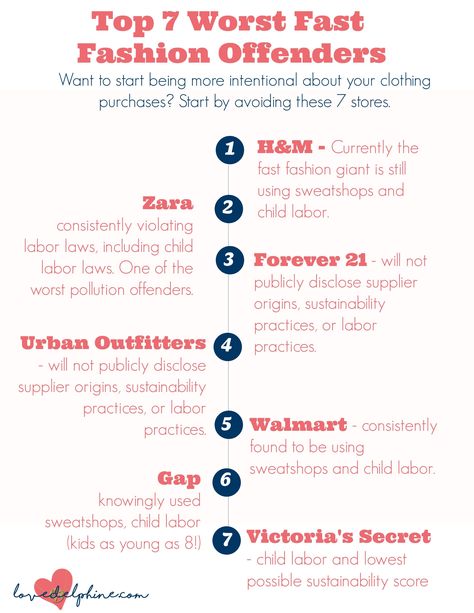
Other bloggers have published their own remedies for avoiding the above issues, including guides to the top brands to avoid; both Attitude Organic and the guide above on US chains, from Vanessa Adams, as well as several others, name H&M, Zara and Gap as the three worst offenders.

Other companies that figure high on everyone’s list of worst offenders include: Amazon, Primark, Mango, Uniqlo, Target, ASOS, Top Man/Top Shop, Forever 21, Monsoon, Matalan, Benetton, Wet Seal, C&A, American Apparel, Pretty Little Thing, Esprit, Dorothy Perkins, TK Maxx, Urban Outfitters, Nike, New Look, Esprit, River Island, Missguided, Sports Direct, Adidas, Boohoo, George, Pull&Bear, Victoria’s Secret, J Brand, Massimo Dutti, Armani Exchange, Peacocks, Charlotte Russe, Next, M&S, Old Navy, Express, Muji, Louis Vuitton… the list goes on.

So how to look good without harming anyone/anything?

First, while de-cluttering is certainly good for our souls as well as our overstuffed closets and drawers/living spaces, the problem with discarding clothes is that unless we know for certain they will be properly recycled to those who need and will wear them, we may simply be adding to the already serious problems of landfill (57% of discarded garments go to landfill; only 10% are actually recycled and 8% reused. The remaining 25% are incinerated). In Hong Kong alone, 253 tons (2013 figures) of textiles and discarded clothing are sent to landfill each day, with 15 million tons of textile waste (of which 12.8 tons were discarded) recorded in the same year, according to the Environmental Protection Agency.

Remember: true ‘fashion’ is as much about how you wear
your clothes as what you wear

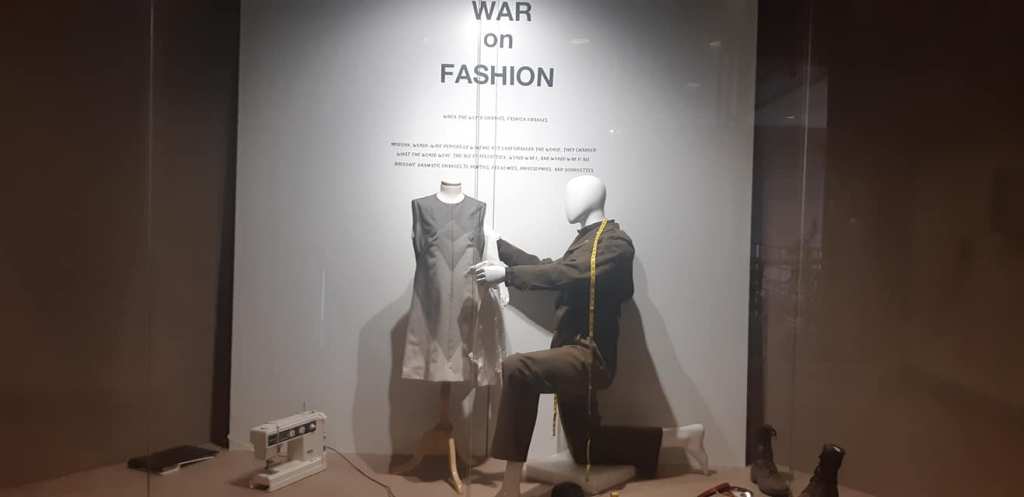
Therefore, we should: 1) hang on to our garments for longer – and concentrate on taking better care of them so they will last longer. That means employing the ‘Make do and mend’ strategies used by our ancestors in wartime.

Second, if hanging onto items is important for all the reasons above, then surely that also requires us to 2) be much more choosy about what we buy. Along with consciously investing in more sustainably and ethically produced garments (see here for suggestions of European-based brands, and here for US/UK brands), we should be careful that we only buy clothes that are made from durable, natural fabrics, fit well and not too snugly to accommodate weight fluctuations, suit us and are something we enjoy wearing.

If you are unsure what suits you, ask a friend to help you sort through your wardrobe, and consult an online version of the original book such as Colour Me Beautiful to help you work out your colours. That will help you to determine and to 3) stick with a colour palette that suits you, with a few seasonal adaptations.

If you find you have unsuitable colours in your wardrobe, consider 4) hosting a swap or ‘swish’ party with similarly fashion- and waste-conscious friends so that you can swap or recycle your unwanted garments. Alternatively, if you and a friend both like a certain style or colour, and wear similar sizes, you could try sharing items of clothing to get the maximum amount of wear from them.

Along with making do and mending, swapping or sharing with friends, you can also ty to 4) recycle items from your own wardrobe – sometimes clothes you haven’t worn for a while can give you a ‘new’ look, particularly if you try pairing them with different items or accessories, or wear them in a new way – this is actually what fashion magazines should help us all to do. After all, true ‘fashion’ is as much about how you wear something as what you wear. Channel your inner Audrey Hepburn – that insouciant scarf around the hat, turned-up shirt collar, or multi-stranded jewellery always looks fresh, feminine and stylish no matter what decade it was first worn, so any look modelled on her style is likely to have a reliably classic nous.

Last but not least, try to 5) buy ‘new’ clothes from vintage, consignment or charity shops as a first port of call. If you live in or near an expensive area, you should always look there first as charity shops in these areas are more likely to hold high-quality, better-lasting goods that should also stay in style and in good shape for much longer.

And as we sign off on January’s resolutions, let’s all aim to make this year the year we finally and fully divest from fast fashion in all of our purchasing decisions.

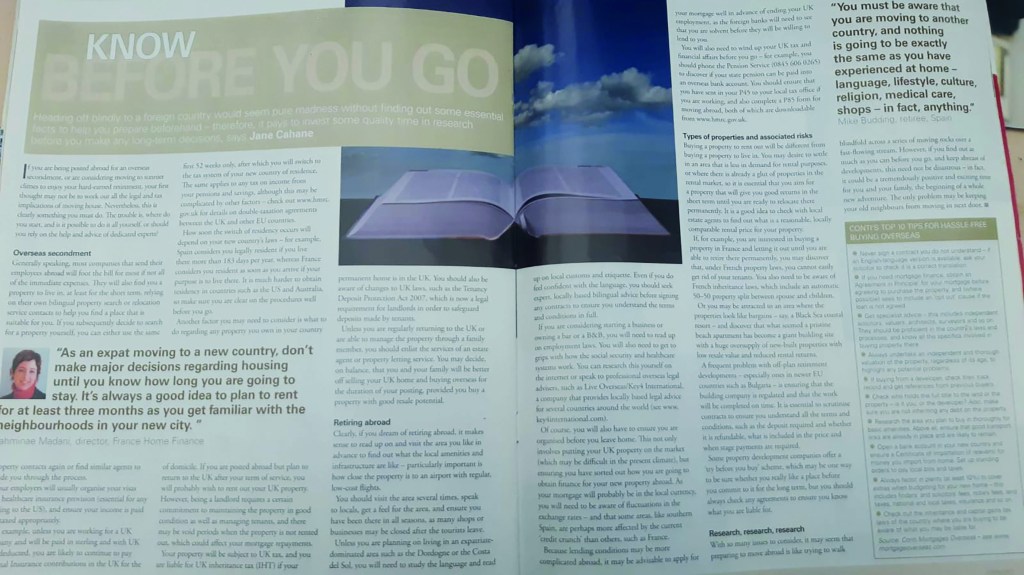
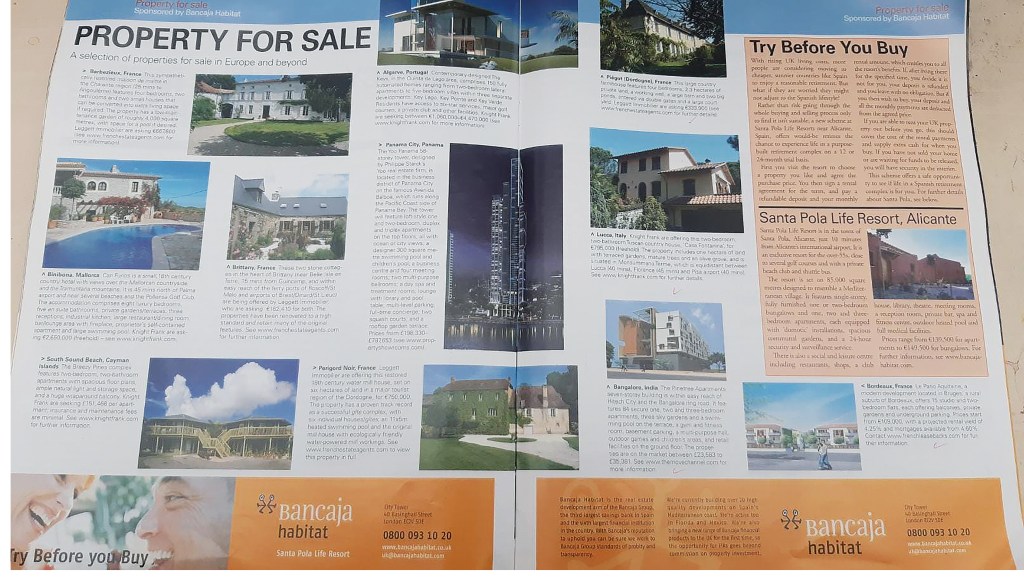
Portfolio of writing, subbing, production editing, etc work for various clients

The examples shown here represent a smattering of freelance articles, copywriting and sub-editing work for various clients, as well as a few investigative reports I researched and contributed to, substantively edited, designed and produced for a former employer. Most of these have been uploaded as jpegs; there are some links to PDFs for downloading the larger reports or supplements if desired. If you are unable to download or view the PDFs, please email me at jane@smallwriteratlarge.com for copies.

Here is a link to another feature published today (19 March 2021) for The Vegan Review: https://theveganreview.com/vegan-hs2-rebellion-protest-camps-activists-euston/

Please note, this article was subsequently removed by the Ecologist editor – please see here for the full article, which is also available on the Stop HS2 website.

Typewriter image by artist Glenda Léon

Speaking out, speaking loud

I am very proud to have been asked to speak on my involvement and experiences as a journalist, Extinction Rebellion member and eco activist recently, and would like to share these clips with you.

First up, back in November I was asked to participate in a ‘Catalysts’ video for Extinction Rebellion (XR) explaining why I joined and what I believe people should be doing once they have come to grips with the climate emergency. I invite you to watch this and listen to me and many of my friends in the local Chilterns regional XR chapter. I can’t say I looked my best in this – I was very tired at the time – but I still feel the same passion and conviction with which I spoke. This is the latest edition and shortest (5 minutes) clip on YouTube now: https://youtu.be/Ov-Z32C8eAo (There’s another full-length interview with just me here: https://youtu.be/1okkYclY5nk )

I was also recently (Thursday 9 January 2020) interviewed about my article on HS2 for Wycombe Sound radio by Clare Sherman on her live show, Planet Clare. If you would like to engage further in the issues around HS2, you can listen again here (https://listenagain.wycombesound.org.uk/index.php/shows/planet-clare/) – I am towards the end of her show, just after the Isley Brothers’ ‘This Old Heart of Mine’.

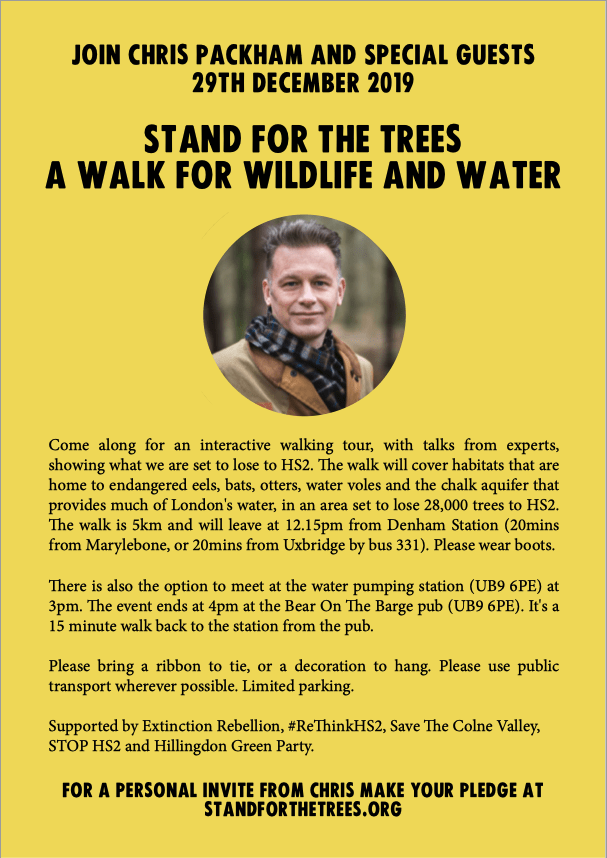
Please help take a stand for the trees

Britain’s ancient forests are at threat from HS2 – please take a stand for the trees

Chris Packham

This Sunday, 29 December 2019, radio celebrity and naturalist Chris Packham will be joined by actress Emma Thompson, rock legend Annie Lennox and others in a ‘Stand for the Trees’ walk for wildlife to highlight our urgent need to protect Britain’s ancient woodlands and vital tree cover from being destroyed forever by HS2. Please join them if you are able to be there, and if not, please find out how you can help. Watch this video or visit https://standforthetrees.org/ or https://www.woodlandtrust.org.uk/support-us/act/ for further information.

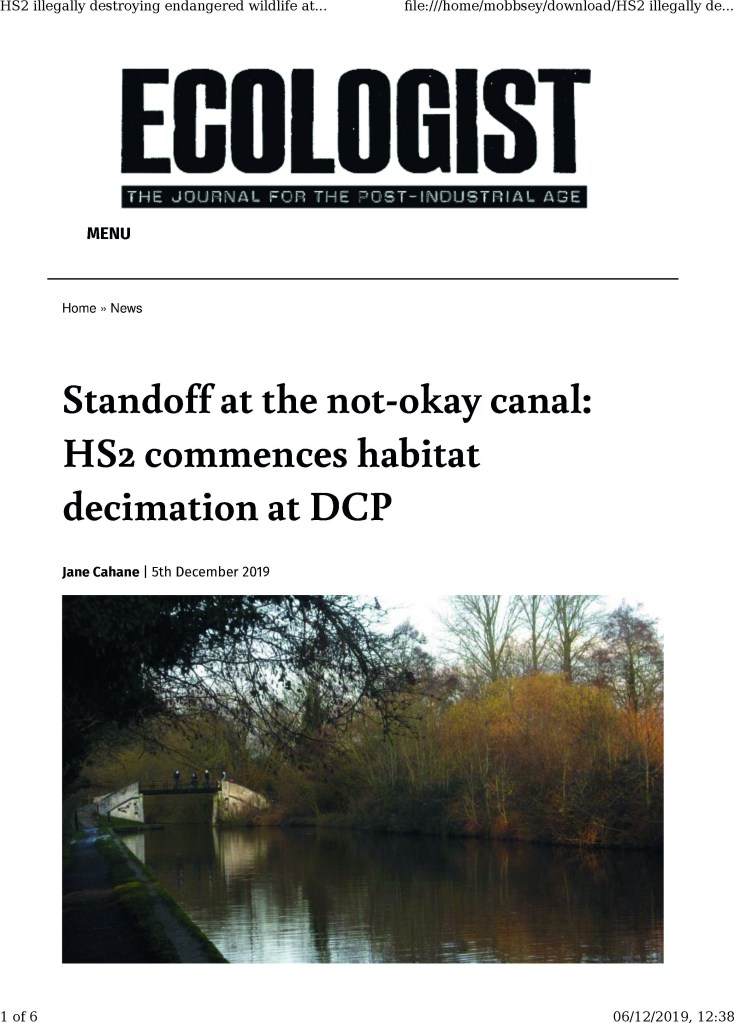
HS2 illegally destroying wildlife at Denham Country Park

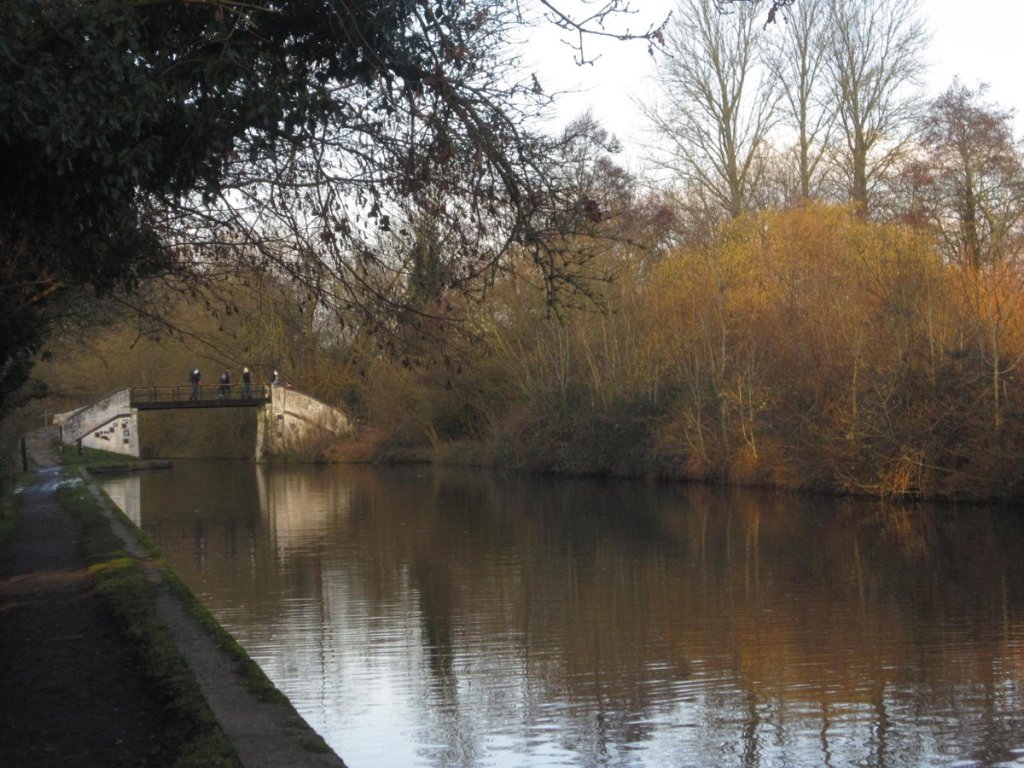
A canal at Denham country Park separating the Bucks County Council- and Hillingdon-owned sections of the park, where HS2 is currently doing their ‘enabling’ works. These involve disturbing bat roosts during hibernation, blocking badger setts, and decimating habitats for many other endangered species

Standoff at the not-okay canal: HS2 illegally destroying wildlife at Denham Country Park

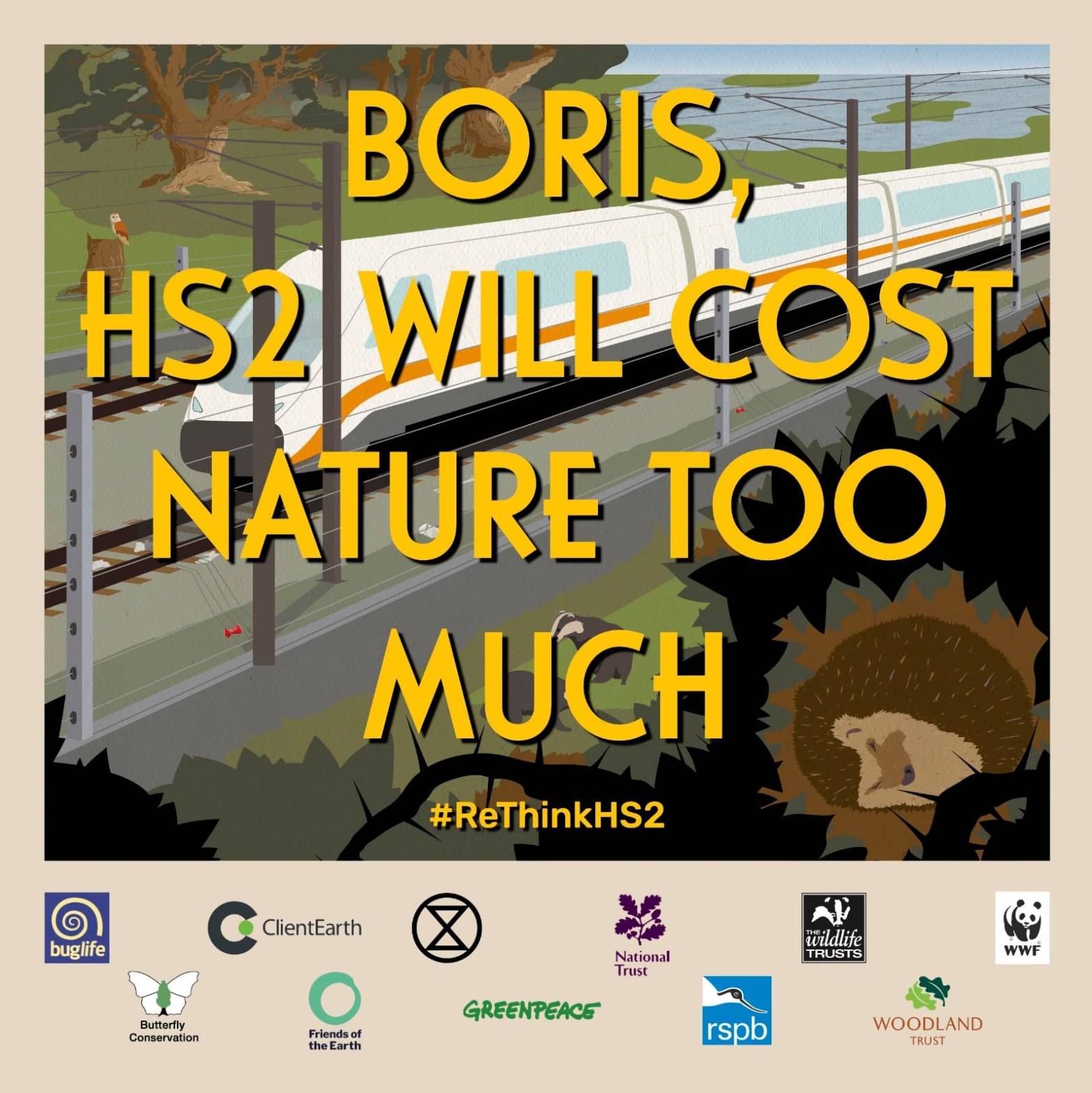
Protected wildlife, established woodlands and rare wetlands in Denham Country Park (DCP) and surrounding areas of Buckinghamshire are being decimated by HS2 Ltd as the government rushes to ‘get HS2 done’ while threatening peaceful protesters with arrest

Despite former pledges to delay non-essential works to clear vital woodlands and protected habitats for HS2 until 2020, the government is now hurrying to get what it refers to as ‘enabling’ preparatory works done at DCP and other sites ahead of any official approval of the completed Oakervee Review, publication of which has now been postponed until 2020 following the general election. Ostensibly, this is to facilitate quicker resumption of the full-scale works once the review has been passed.

As a result, HS2 Ltd is currently cutting down ancient trees, destroying wetlands and woodlands, and disturbing habitats of many legally protected, rare, endangered wildlife species unique to the UK. These include water voles (on which the character of Wind in the Willows’ ‘Ratty’ is based), stag beetles, eels, great crested newts, harvest mice, hazel dormice, barn owls, snipes, teals, polecats, hedgehogs, muntjac deer (non-native but protected under the Deer Act 1991), common shrews, lapwings, European badgers and several species of bat – Leisler’s, Natterers’, Serotine and Brandt’s – also the exceedingly rare Bechstein’s bat, known to inhabit woods near Great Missenden where works are scheduled to commence.

Why these highly destructive works – described by members of the Green party as ecocide – are being pushed through despite being slammed by the review’s deputy chair, Lord Berkeley, and repeated warnings from external environmental advisers such as Matthew Frith of the London Wildlife Trust, is as yet unclear, although according to a leaked report, the work was given the go-ahead under Boris Johnson’s leadership.

This comes as devastating news for many of the increasingly environmentally aware public who are opposed to the scheme, not only because of the spiralling, out-of-control costs and further projected delays of the contentious high-speed railway project, but because of the additional problems this raises for the UK’s future as catastrophic climate challenges increase. The decimation of tree cover in the areas HS2 will pass through will not only magnify carbon emissions, but will also erase much-needed flood defences strategic to protecting homes and livelihoods as rising sea levels cause UK rivers and tributaries to swell.

Protester arrests

Further distressing developments have ensued as HS2 Ltd has employed members of the Thames Valley Police (TVP) and Metropolitan Police forces – diverting a supposedly reduced task force paid for by public taxes away from protecting the public from serious crime – to safeguard works against interference by environmental protestors.

After a few days of an apparently mild and amicable stand-off between protesters and HS2 staff near the canal separating Bucks County Council-owned land from that owned by Hillingdon borough, police arrived and began threatening, intimidating, assaulting and arresting protesters who were attempting peaceful non-violent direct actions in protest of the works. Several arrests and threats of arrests have been made in the past few days, with evidence of police harassment and brutality towards protestors who were simply attempting to save the habitats from further destruction.

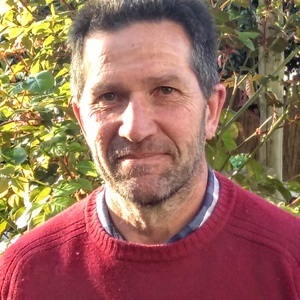
Green party member Mark Keir (pictured right), who was a contender for Mr Johnson’s seat in Uxbridge, is among those arrested on more than one occasion while participating in the protest, and possibly specifically targeted by police. Keir was tried at court last week and released on bail on condition he did not approach within 10 metres of an HS2 gate, however he was re-arrested on Wednesday 3 December immediately after he walked along the canal in the public park to record a live video on Facebook of the areas to be destroyed by HS2. He was taken to High Wycombe police station and appeared in court again on Thursday, 4 December.

At present, anyone suspected of ‘aggravated trespassing’ — even in a public environment such as DCP — in the areas where HS2 workmen are engaged in their ‘enabling’ work of ‘strimming’ (e.g. stripping woodland ‘vegetation’, including rare and valuable wetland plants, which provide habitats for many of the threatened wildlife species listed above) is likely to be threatened and/or forcefully removed. Once the strimming work is completed, HS2 will proceed to fell trees, whether or not they are found to host hibernating bats or other endangered species. This will certainly have a negative impact on visitors to the park, which is often used to provide environmental education to schools and children living near London.

Suspicious behaviour

Although several other environmental activists, Green party members, wildlife scientists and concerned members of the public have witnessed and recorded photographic and video evidence of HS2 damaging habitats while working in the Colne Valley area’s Sites of Specific Scientific Interest (SSSI) and other sites such as Harvil Road in Harefield, and have questioned why these activities are going ahead without evidence of any lawful licences or proper mitigation, they have received little or no response from the relevant authorities under government body Natural England – and what evidence was initially supplied under Freedom of Information (FOI) requests has either been minimal, vague or inconclusive. Rebecca Lee of Natural England (NE) promised to send me the evidence immediately, however instead only sent an automated email stating the information requested would be sent within the standard 20 days — unfortunately preventing any timely intervention for the threatened animals.

Suspiciously, it is only as a result of recent persistent questioning from activists that HS2 has recently altered its information to include some elements of NE licensing to disturb bat roosts in trees and buildings. However, it appears the licences HS2 has apply only to great crested newts, bats and badgers; there are no licences for other legally protected species such as water voles, whose unique cylindrical droppings and waterway burrow structures have been clearly seen along the canal area where HS2 is presently working. The NE licences are also generic, whole-route licences rather than including any site-specific mitigation or provision.

Further, as there is no evidence, as per HS2’s public pledge, of any appropriate mitigation being done on behalf of these protected species in advance of the works, such lack of open information, transparency or willingness to substantiate works with evidence to concerned members of the public gives the appearance of illegal, questionable and underhanded doings.

The endangered European water vole, whose distinctive burrows and droppings have been observed in Denham Country Park

Activists on site at Denham park who were questioning these points were told by Thames Valley Police (TVP) PC Reeve to report any suspected wildlife crimes to the wildlife unit at TVP using the 101 number. However, a subsequent follow-up call to check on the wildlife crimes reported with TVP’s Sergeant Ludovici revealed there is not in fact any wildlife crime unit or specially trained wildlife officer there, and that no action had been taken to address the suspected crimes reported.

Sgt Ludovici further intimated that the police are in fact unaware of any actual UK, European or international wildlife laws, which are clearly displayed on the Wildlife Trust’s website. While HS2 apparently had substantial input from knowledgeable ecologists earlier on in the planning stages, no such persons were actively present during the works to advise on the proper treatment of affected animals. According to the Bat Conservation Trust’s consultation notes, they had advised HS2 to take great care not to disturb hibernating bats, however HS2 workmen were observed yesterday removing ivy from tree holes where it is known hibernating bats are likely to roost.

Going, going, gone

Buckinghamshire County Council Parks Manager Andrew Fowler explained that although they had petitioned HS2 Ltd to halt the works until after the Oakervee report had been published, the Government had rejected their petition. He said: “We are against HS2 also, but there is nothing we can do – our hands are tied.” While Mr Fowler has agreed that having a knowledgeable wildlife expert on site to advise and assist the HS2 workmen with mitigation efforts would be of some help in protecting the affected wildlife, it is unknown whether he or Bucks CC, who own and manage the park, will ramp up efforts to ensure this takes place.

A dead swan found last week within the park’s vicinity was removed by charity Swan Rescue, who promised to undertake an autopsy, but later claimed they were unable to follow up concerns of its death being caused by water pollution because it would have to go through the Department for Environment, Food and Rural Affairs (DEFRA). The charity said DEFRA would be unlikely to investigate until multiple swan or other waterfowl deaths had occurred – by which time it would be too late to prevent.

Whether the actions described above are being done knowingly or out of ignorance, as the government is determined to proceed with these highly destructive ‘enabling’ works, the result will be a gross, unwarranted and irreplaceable loss of precious, diverse and rare wildlife and richly biodiverse habitats – and sadly, once they are gone, they cannot be restored, and will be lost forever to future generations.

Note: This article originally appeared on The Ecologist website, and went viral overnight, however the editor decided to remove it the next day for his own reasons. As there was such a demand for it and an obvious need to alert the voting public to this issue ahead of the election, it was republished on the Stop HS2 website. I am continuing to investigate other damages of HS2 and plan to write further articles on this topic, which I will also publish here.

Anti-jolly

Christmas Cracked Her

Between Brexit and the seasonal dirge that is January, this is one Christmas I just haven’t been able to get in the mood for any commercial jolliness. Perhaps I’ve just seen one too many bad headlines; perhaps it’s the crushing sense of evil being triumphant when a whole continent is burning and yet a witless selection of voting citizens remains gleefully in thrall to an axis of evil climate deniers, immoral pussy-grabbers and tax-/conscience-evading leaders (Bolsonaro, Trump, Johnson). I pray every day for their impeachment, but justice is slow to come. And at this time of year when we sing about the Light that came into the world to bring peace, joy and love to all mankind, it seems we have instead nothing but darkness and denial.

And so, filled with rage, what can I do? I could care less about the presents under the tree; I crave presence more than anything: presence of mind, presence of grace, awareness of the beauty that is still around us if we seek for it. At such a dire time as this – which may very well be humanity’s very last dance on this planet – we need compassion and community more than ever. We need to gift each other with kindness, truth and tolerance. And we need to prepare our hearts for a God who is bigger than this horrible mess we have made of the home He gave us.

‘Not even catastrophes like these seem to bring any political action. How is this possible? — Greta Thunberg

Small, but big

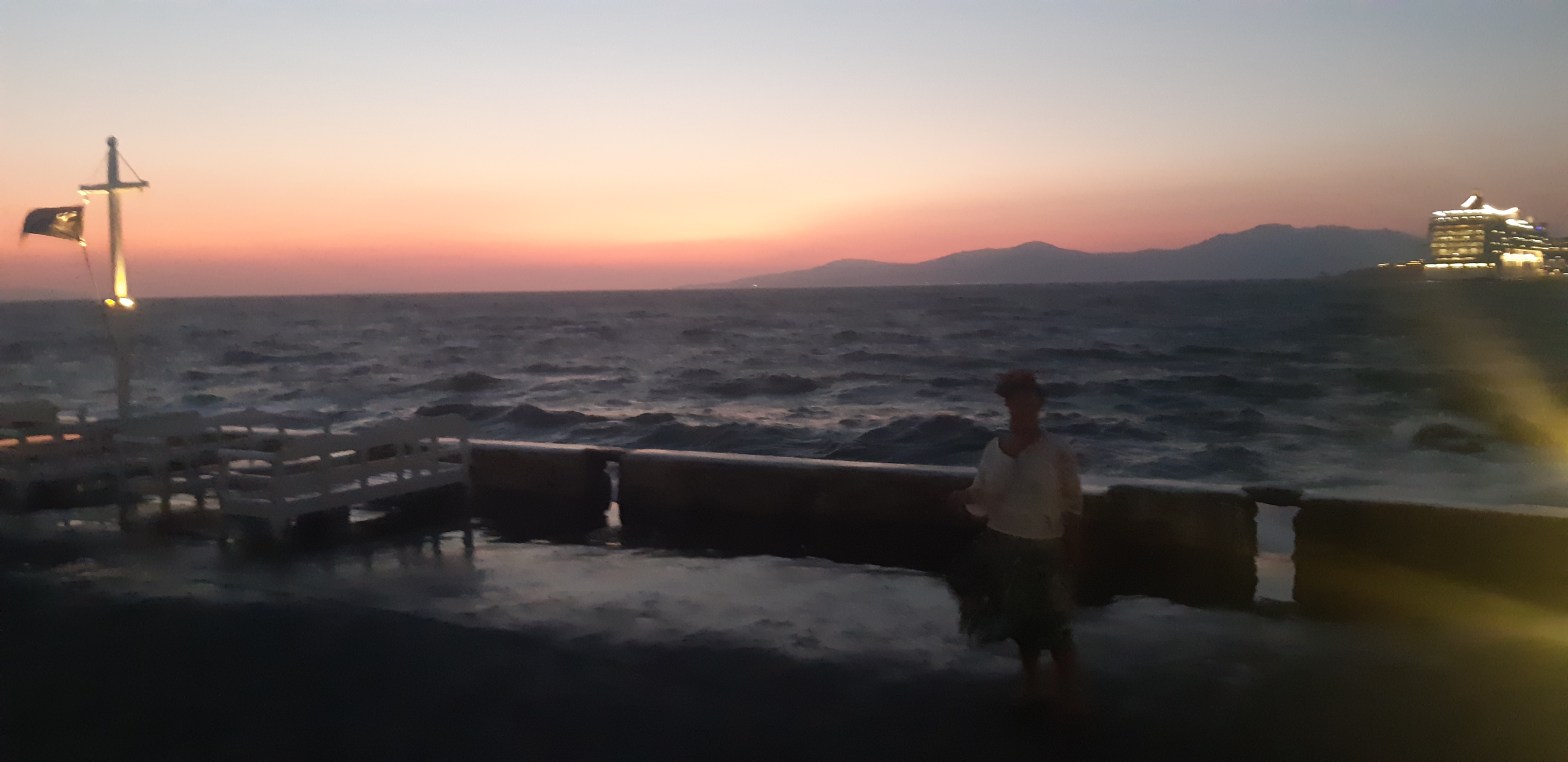
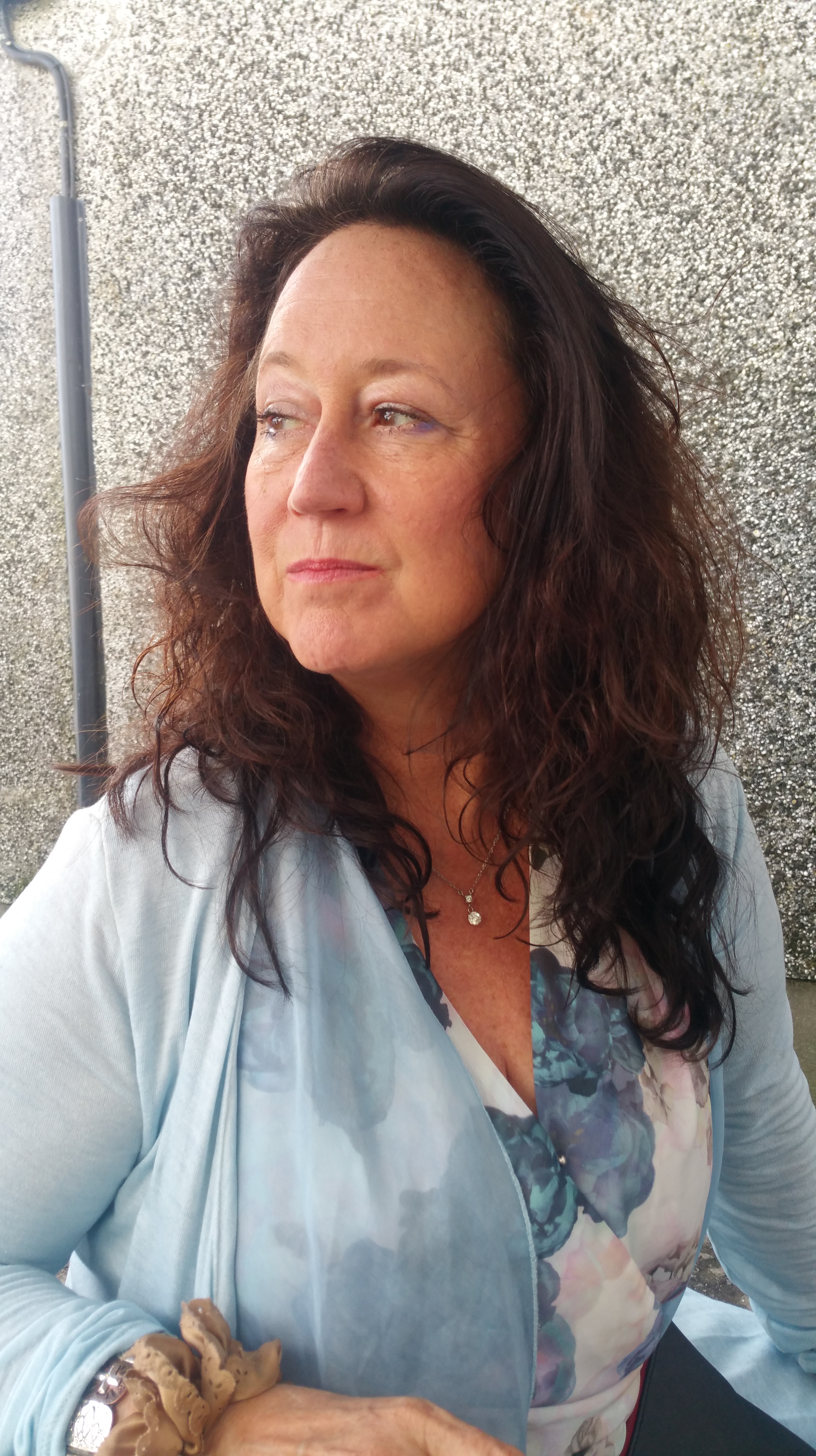
Left: in Cornwall, UK, summer 2018; Above: in Mykonos, summer 2019

When I was in high school, a friend wrote in my yearbook, ‘for such a small person, you sure do everything BIG!’

Well, being all of 5’1″ has its downsides, but I have not typically let that cramp either my zest for life nor my ambitions to write about the big issues that really matter – and that is what this site is all about.

I had an idea when I was growing up that the world would end in my lifetime – and at the rate things are going, this is increasingly likely. What this has meant is that I have always – and continue to do so, even now – attempted to live every single day as though it could be my last. I have travelled a lot – roughly 40 countries across four continents, four of which I have lived in (the US, Ireland, the Netherlands, the UK). I have been a missionary, a journalist, a poet/writer, an editor (and many derivations thereof, on all kinds of media), an English teacher/teaching assistant, an art teacher and a dance teacher (salsa) – and now I can also add ‘eco warrior’ or Extinction Rebellion environmental activist to my JD. I have survived near-certain death more times than I can count. And I am still living, learning and working out why I am here and what I really need to say or give to the world as a writer, based on all of the above – particularly now that the time may be even shorter.

So this blog is about this journey – I don’t know yet all that it will be, but I hope you will gain something from the times you share it with me. We all need answers, whether on philosophical or practical matters – and I welcome your comments and questions too.