America is a Gun: What IS wrong with America?

America is a Gun

England is a cup of tea.
France, a wheel of ripened brie.
Greece, a short, squat olive tree.
America is a gun.

Brazil is football on the sand.
Argentina, Maradona’s hand.
Germany, an oompah band.
America is a gun.

Holland is a wooden shoe.
Hungary, a goulash stew.
Australia, a kangaroo.
America is a gun.

Japan is a thermal spring.
Scotland is a highland fling.
Oh, better to be anything
than America as a gun.

—Brian Bilston

In the wake of the recent school gun-death tragedy at the Robb Elementary School in Uvalde Texas, I’ve felt compelled to try to answer the obvious (to anyone who is not American), heart-rending questions my UK and European friends are asking:

  • “What is wrong with America?”
  • “Why, when other nations banned guns after a single incident, does America still refuse to ban guns?”
  • “Why can’t pro-life Americans understand that you can’t condemn or make abortion illegal on one hand while you continue to support the National Rifle Association (NRA) on the other, after so many children have died and continue to die?” and
  • “How many more children will have to die before the Constitutional amendment allowing Americans to carry guns is finally revoked?” 

Although other journalists and social media posters have written extensively about this event, I’d like to offer my personal perspective, which comes from my own several scary encounters with guns in the US – all before I was 16 – and the ways these have shaped my life. My present views are a direct result of these experiences, augmented by data and the ever-escalating news reports.

But before I share these, let’s take a look at some statistics – which are chilling enough in themselves.

US school gun incidents: the historical data

While all of my own gun encounters took place long before the current school-shooting epidemic (let’s call it what it is: a widespread mental illness/national insanity) began, there seems to be a clear link to the current situation, as I will explain.

According to Time magazine, “Every year, more than 3,500 children and teens to age 19 are shot and killed in the US, and another 15,000 are wounded in shootings, according to Centers for Disease Control and Prevention (CDC) data from 2016 to 2020.”

These stats were given extra poignancy in a recent viral list highlighting the names of some 253* high schools, elementary schools, middle schools, intermediate schools, universities, academies and technical colleges – quite a few of them supposedly ‘Christian’ institutions – where children and teenagers across the US have met a violent death directly as a result of the easy, legal access to guns, all within the past two years.

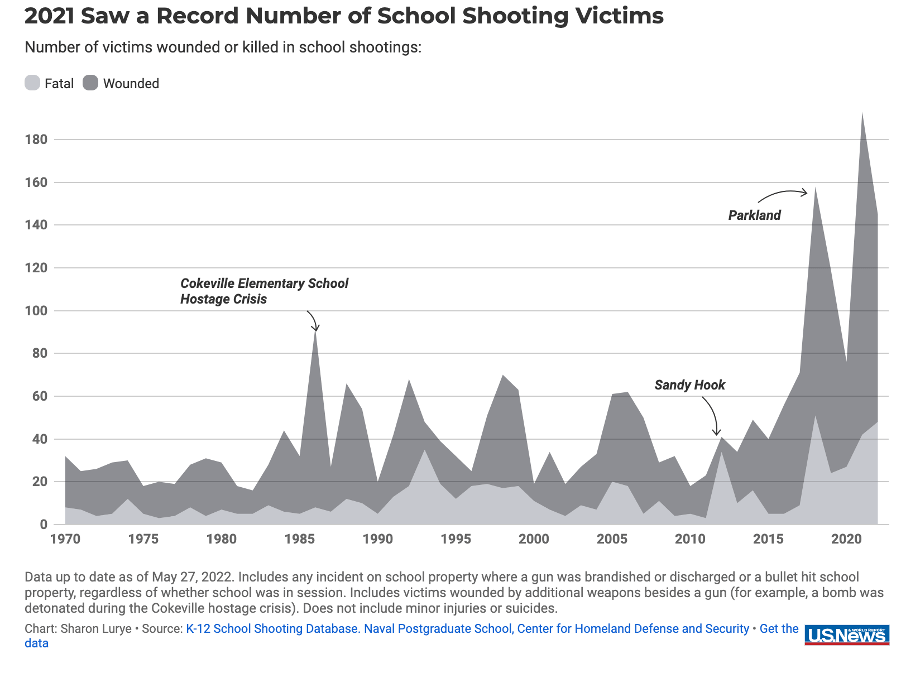
A recent US News and World Report stated that there have been 540 school-shooting incidents across the US in the past 10 years alone (from 2012–2022), with the majority taking place in the bigger states of Texas (43), California (41), Illinois (37), Florida (31) and Pennsylvania (26).

According to this report, “The year 2021 was the most violent on record, with 193 people killed or wounded in school shootings, not including the shooters themselves. There have been 145 victims in just the first half of 2022. (These numbers included the at least 21 people killed and 19 wounded at the shooting in Uvalde.)”

The article adds: “Overall, the database shows that school shootings are still quite rare. Since 1970, there have been 681 total recorded deaths from school shootings, of which 441 victims were under the age of 20. That means more children have died in car crashes in one year than been victims of school shootings in the past 52 years.” Yes, perhaps – but clearly, that is no reason to consider it a ‘harmless’ or unusual event, at least not in view of the ever-increasing numbers of deaths from school shootings.

According to another data-based site (K12 Academics), the history of school violence and mass shootings in the US actually goes all the way back to an incident on 26 July 1764 – even before the Declaration of Independence (one wonders whether guns would be the kind of epidemic they are now, had America remained part of Britain) – where four members of the Lenape Native American tribe entered a school near present-day Greencastle, Pennsylvania, and shot and killed schoolmaster Enoch Brown, along with 9–10 children; only two survived.

(Arguably, aggrieved Native Americans might have had a far more viable reason for such an attack, but it’s possible this event pulled the [literal] starting trigger on this epidemic. Perhaps the real Americans cursed the immigrants who stole their land and blighted their children’s futures? If so, I could hardly blame them.)

The K12 site contains a long data list of shooting/gun incidents in schools from the 1800s up to 2010. Such events speed up tremendously in the past few decades of the 20th and the first two decades of the 21st century, with a notable rise since 2021 – as seen in the chart below.

Read/view these stats and weep. And if stats and charts don’t rend your heart, I can only hope my own stories below will.
My own horror stories, in context

I grew up and went to school and university in the US from the mid- to late 1970s through the mid-1980s, after which I began to plan my exodus abroad. Even though the numbers of school shootings in this time were relatively low compared to now, I believe this was a significant turning point in America’s history, as well as my own.

According to the above sites, “The mid- to late 1970s is considered the second-most violent period in US school history, with a series of school shootings including incidents where a school custodian at California State University’s Fullerton campus opened fire in the library with a semi-automatic rifle, killing seven and wounding two (June 1976); a 15-year-old self-proclaimed Nazi killed one student and seriously wounded another pupil with a Luger pistol after being taunted for his beliefs (February 1978); and a 16-year-old girl at Grover Cleveland Elementary School Shootings, California, who opened fire with a rifle – a gift from her father, note – killing two and wounding nine (January 1979).” [edited]

These incidences of troubled teens’ reactions to being bullied at school for being a ‘weirdo’ eerily echo the 1976 Stephen King horror classic Carrie, where the ridiculed teenager vents her grievances at the entire school on prom night, killing them all with her psychokinetic powers. I would not be surprised to learn that many kids, having seen this film and lacking the fictional psychokinetic powers of the character but having legal access to guns, found in it the inspiration for their actions.

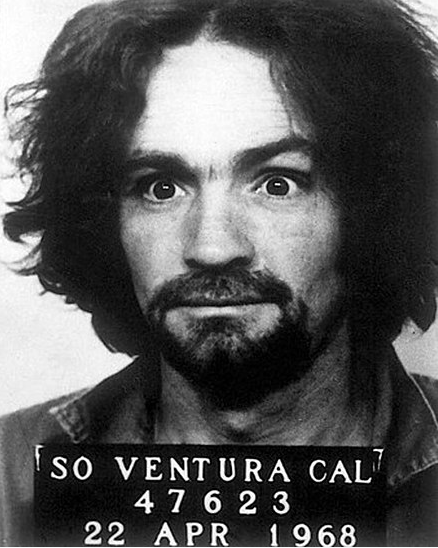
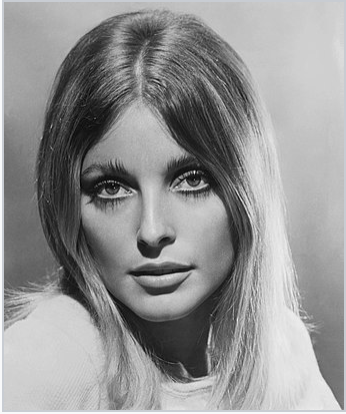
Following the experiments with psychedelia and other drugs from the late ’60s through the ’70s, along with the general questioning of/rebellion against authority, traditional morals and institutions, there was a massive turning towards the occult, as well as an escalation of dangerous cults such as the Charles Manson gang, whose members brutally murdered pregnant film actress Sharon Tate, Los Angeles executive Leno LaBianco and others.
The general liberality of the 1970s made many things previously ‘forbidden’ or illegal – such as abortion and the pill, as part of the sexual revolution and the women’s rights movements – much more commonplace. When I was in school, there tended to be a very strict social divide between the ‘goodie-goodies’, academics and sports devotees, and the ‘others’ – often called ‘freaks’ because of their drug use or other non-conforming attributes.

Being artistic/intellectual and neither sporty nor having classically ‘all-American’ looks, I found myself in the latter category of ‘freak’ by default – and was bullied as a result. Thankfully, I never considered responding to school bullies with open-fire violence, although I did rebel to ‘fit in’, getting heavily involved with drugs and a wild crowd early in my teens. I also ran away from home at one point; it was during this experience that I had my first scary encounters with guns.

Once, I was hitchhiking with a friend when a driver pulled over, and I got in and sat in the front passenger seat. As we drove along, suddenly the driver opened the glove compartment, pulled out a gun, cocked it and pointed it at my head. Terrified, I pleaded with him to let me out of the car. My friend, who was high on drugs and engrossed in the loud music in the back seat, had no idea what was going on and why we were suddenly dumped out on the street, but she was pretty horrified when I told her what had happened afterwards.

On another occasion when I was also hitchhiking with a different friend, some wild guys drove by in a car with loaded shotguns, and began shooting at us as they sped past. Luckily, neither of us was harmed – but that was the last time I ever hitchhiked in the US.

The most truly frightening experience happened shortly before my 16th birthday. Our family was visiting relatives in South Carolina, and I had decided to go with my cousin Steve and his friends to spend the weekend partying at a beach house in Folly Beach (it looks pretty innocuous in the Shutterstock image below – but it was anything but).
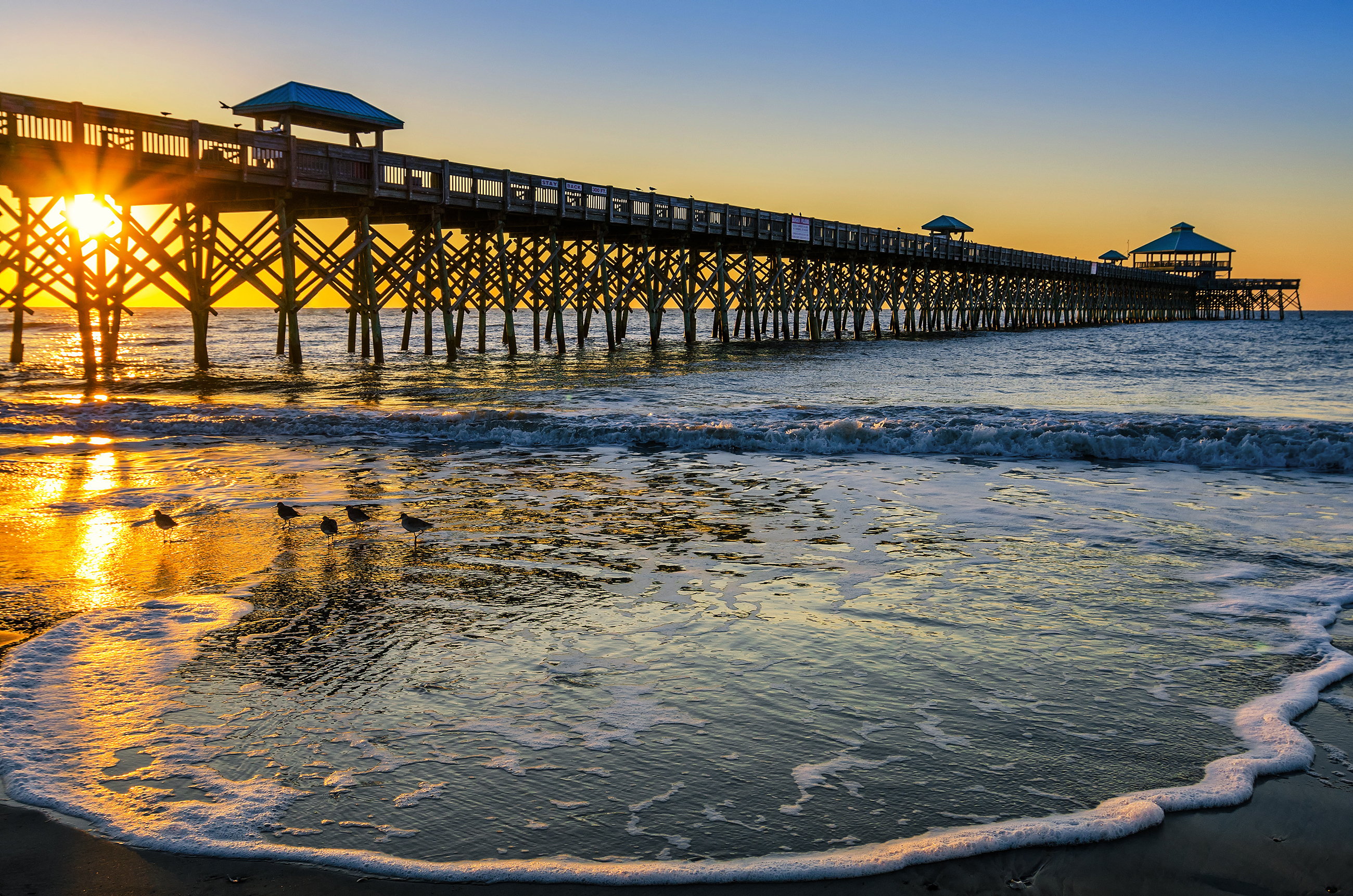
Arriving earlier in the day, we stopped at a scenic point along the beach, where we observed a man some distance away who was clearly watching us. At that time, my cousin and his girlfriend were into transcendental meditation and had got out of the car to sit down in an ‘Om’ position, so I assumed the man was staring at us simply because he thought we were nuts.

Later that evening, after we had made a bonfire on the beach to which I had stupidly worn my favourite pair of sparkly green platform shoes, I realised I had left my shoes on the beach. I went back to the bonfire to find them, and was leaning over it while trying to light a stick to use as a torch to find my shoes when I suddenly felt a man’s arms around my waist and a cold, hard object at my temple. “Make one sound and I’ll shoot!” he said.

Fortunately for me, being very short, I managed to wriggle out from below his grasp. I took off running, flooring it until I reached the beach house. Only once did I look back; I could see his evil face clearly lit by the fire, his outstretched arm still pointing the gun in my direction (I later learned the gun was unloaded, but he used it to trap his victims).

As soon as I reached the beach house, I screamed, “There’s a man on the beach with a gun! He just tried to kill me!” Ironically, even though the drunken partygoers thought I had consumed too much booze and was making it all up, it still took 10 of the strongest guys to return to the bonfire and retrieve my shoes.

After this, I begged my parents to go straight home to Virginia, but the next day my cousin overheard a television report about a man walking his dog on the beach whose dog had unearthed the remains of a mutilated female body while pawing in the sand near the remains of a bonfire – the exact bonfire we had used.

My cousin gave the detective my telephone number, and a few days later he phoned. I told the detective that, as an artist, I could draw the killer’s face as it was now etched into my mind. I agreed to testify on the basis that they would not supply my name to the papers, however they did not keep this agreement – even only a few years ago in the US, people still recognised my name in connection with this horror story.

Apparently, the killer (Richard Valenti, who mercifully died in 2020 after his last parole plea was denied, enabling me to tell this story finally without fear of reprisal) was found after the police uncovered the remains of three missing teenage girls’ bodies in the sand below his house. They later learned how Valenti had kidnapped the teenage girls at gunpoint and taken them to his beach house, where he strung them up to overhead pipes, chopped off parts of their bodies, abused them as a sexual deviant, and then kicked the chair out from underneath them or strangled them before burying their mutilated bodies in the sand.

Valenti was also charged with attacking five other girls; whether or not there were more victims is unknown. I was the only one (at least as far as the court/news knew) who ever got away.
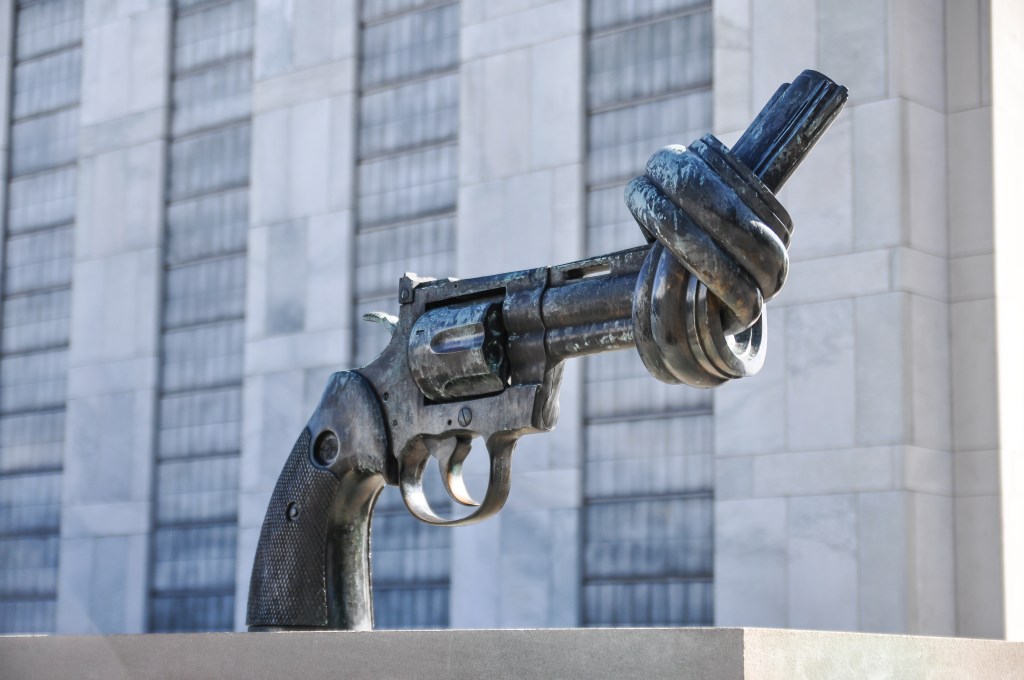
Twisted: The presence and prevalence of guns in the US is NOT normal — so why has school and other gun violence become an everyday occurrence? (Credit: Shutterstock)

How this changed my perspective

Over the next months, years and decades, I remained deeply traumatised by this experience, having nightmares every time I recalled the vivid image of Valenti’s face staring at me over the bonfire. I was convinced that if he ever got out of jail, he would come looking for me – this time, with a loaded gun. I reasoned that since the police had publicised my name in the newspapers, he could have easily tracked me down.

These firsthand experiences radically altered my views on many points. I came to believe that capital punishment – as in, those who had taken a life should be executed via the electric chair – was just and should be made law universally. I also began to see how easy, legal access to guns was responsible for far too many innocent deaths in America, and to view it as an evil that needed to be stopped. I became an angry, passionately justice-driven person, eager to see all wrongs righted and all victims vindicated.

I had no idea that America’s gun situation was not the same everywhere else in the world until I went to study in Ireland in my junior (third year) at university, and later worked with an international organisation across Europe and Latin America. In most places, while there was some minor knife or other crime, mass gun ownership was never an issue. I even felt safe – or at least safer – hitchhiking in Europe; sure, weirdos can be everywhere, but at least they do not usually have a gun in their glove compartment. Such things are not a ‘normal’ part of society elsewhere, as they are in the US (okay, maybe in some heavy drug-dealing countries like Colombia, but not in most countries).

“These firsthand experiences radically altered my views on many points. I came to believe that capital punishment – as in, those who had taken a life should be executed via the electric chair – was just and should be made law universally. I also began to see how easy, legal access to guns was responsible for far too many innocent deaths in America, and to view it as an evil that needed to be stopped. I became an angry, passionately justice-driven person, eager to see all wrongs righted and all victims vindicated.”

After I completed my degree, I became determined to live abroad permanently, as at least then this nightmare might finally go away – although in truth it became even more challenging when my mother and father decided to retire to Charleston (fortunately in a ‘gated community’ on a small island outside the city, far from Folly Beach), particularly as every time I went to visit, someone mentioned it.

Since becoming a UK citizen, where I have now lived in relative peace for the past 30+ years, I’ve watched with mounting horror as the death tolls from guns in schools have continued to escalate. Like every other Brit, I simply cannot understand how – even after most sensible nations have banned guns after only one such incident – the US still blithely continues in its NRA-sponsored business-as-usual approach, leading to staggering numbers of innocent deaths. I, too, have to ask: What is wrong with the US?

On a recent visit to the US driving from Washington, DC (my former home) to Charleston, we stopped to stay the night with an old high school friend, Cheryl – a schoolteacher living in Richmond, Virginia. I was completely gobsmacked to learn that despite the shared horrors of my personal experiences and the mounting death tolls in schools, she and her gun-fanatic boyfriend still insisted fervently on their “right to bear arms”. We argued about it all night, but in the morning, it was clear they were still literally blinded – or perhaps brainwashed – and refused to listen to reason.

Even though Cheryl claimed to be a Christian, it was very clear from this exchange that something was deeply wrong, both with her faith and her capacity to reason and/or be objective about guns. I’d wanted to think her attitude was purely to keep her boyfriend happy, but even as we drove off, she smiled sweetly and said, “God bless America!”, as if to imply, “We are still the greatest nation on Earth – still a nation truly blessed by God.” But whatever any patriotism-blind American may think, any country with this degree of innocent deaths on its hands is NOT in any way BLESSED! (You could certainly argue the contrary – that in fact it is cursed – but that is another debate.)

Pleading a Constitutional ‘right’: Since when did the Constitution make murder a fundamental “right”? And yet that’s what it is, it seems (Credit: Shutterstock)

So what IS wrong with America?

I have since concluded that it is because of the actual gun worship of many Americans – the literal ‘enshrinement’ of the second amendment as a fundamental right – which is why the idol of guns has exacted so many deaths of innocent children. It is similar to the backslidden ancient Israelites’ worship of the god Molech, a Canaanite deity who required child sacrifice. So, because Americans worship guns, they literally and willingly sacrifice their children to this all-consuming false god.

(Others have pointed out how all of the plagues God punished Egypt with were directly correlated to the gods they worshipped – eg frogs, hail, the Nile, locusts, boils, their firstborn, etc; perhaps we will yet see such visitations on the US?)

You might ask, “But America claims to be a Christian country. So how can this be?” Yet even Billy Graham, America’s most well-known preacher, once quipped: “If God does not judge America, He’ll have to apologise to Sodom and Gomorrah!”

Surely this judgement is already underway. The land that was indeed once incredibly beautiful and fruitful – including the abundant prairies and grasslands of the ‘Wild West’, home of the legendary gun-toting cowboy image of shoot-outs in saloons – is now ablaze with never-ending wildfires. The once-great beauty of many US cities such as San Francisco, which I once dreamed of moving to, are now all gone, thanks to America’s other idol, Mammon (money), and its never-ending obsessions with the oil and gas industry.

The legacy of the American cowboy is deeply embedded in the American psyche – despite this being entirely out of date (Credit: Shutterstock)

As the huge divides between rich and poor continue to increase, the US begins to look increasingly corrupt, its political core and motivation no different to that of Russian oligarchies. The once-bright dream of democracy, of true “justice and liberty for all” and the freedoms to choose “life, liberty and the pursuit of happiness”, are dying embers of a once-strong flame that lit America up as a beacon and example to the world. And while of course corruption always existed under the idealism of the flag and all it symbolised, the fact it is now mainstream and seemingly condoned even in the highest corridors of power (I speak of the Senate and the House of Representatives) is truly alarming.

And don’t get me started about Trump, who even danced at an NRA convention after naming the Uvalde victims (horrifyingly, there is a golden statue of Trump in Orlando, Florida – talk about outright idolatry!).

Pro-life – or pro-death?

But let’s look now at the issue of the pro-life, anti-abortionists who are nevertheless still married to the gun lobby. What right do they have to call themselves ‘pro-life’ when they are loyal to a law that spawns death?

Anyone with half a functioning brain cell can see the pure hypocrisy of saving foetuses only to kill them a few years later when they are old enough to go to school.

With such instances of heavily mixed messaging and contradictory beliefs, it is no wonder America is as completely screwed up as it is, and largely failing to be the world leader it imagines it still is. When some states are even considering passing laws that could require all citizens to own a gun (according to an article in Scientific American), you just know America is doomed – and this despite the evidence (as also reported in this article) that gun ownership in no way reduces violence, and in fact only increases it (a 2015 study by Harvard University and the Boston Children’s Hospital “reported that firearm assaults were 6.8 times more common in the states with the most guns versus those with the least. Also in 2015, a combined analysis of 15 different studies found that people who had access to firearms at home were nearly twice as likely to be murdered as people who did not”. Excuse me while I quote Bart Simpson: “Doh!”

Surely, no greater example of destructive idol worship masquerading as some warped form of nationalism exists – except perhaps all those Germans who blindly swore an oath to worship and serve Hitler as a sign of their ‘love’ for the Fatherland. (Don’t get me wrong – a little bit of patriotism or patriotic pride is not in itself a bad thing – it is just when such patriotism becomes excessive – an idol, even – that it becomes dangerous. Even the British motto, Dieu et mon droit [God and my right] or the traditional ‘For God and country’ could be queried for these reasons.)

“Anyone with half a functioning brain cell can see the pure hypocrisy of saving foetuses only to kill them a few years later when they are old enough to go to school.”

Much as I may be horrified at the numbers of innocent deaths due to abortion – perhaps another tribute to Molech, or his modern-day equivalent of the idol of convenience/instant gratification without conscience or responsibility – the fact children are literally growing up in fear and ignorance, with some suggesting the “solution” is for schoolchildren to carry guns to school themselves as “self-defence”, is deeply troubling (that is, to anyone with a conscience).

While you could sensibly and even logically ask, “Why is abortion necessary when the pill and condoms are now wildly available?” I also have to wonder why, if the argument for guns to be carried by children (or even adults) as a form of “self-defence”, the option of instead carrying a non-lethal stun or Mace gun – as the detective in South Carolina provided me with following our interview, and which I carried for several years thereafter – has not occurred to anyone?

To this day, because of my experiences, whenever I find myself in any potentially dangerous situation, I often carry a large stick or a rock, or a small can of hairspray in my bag, as that would likely be as effective as a Mace gun if sprayed in the eyes of a would-be attacker.

So again, are guns really ‘necessary’ for self-defence? Especially when the chances of shooting and killing any innocent person unintentionally are so high?
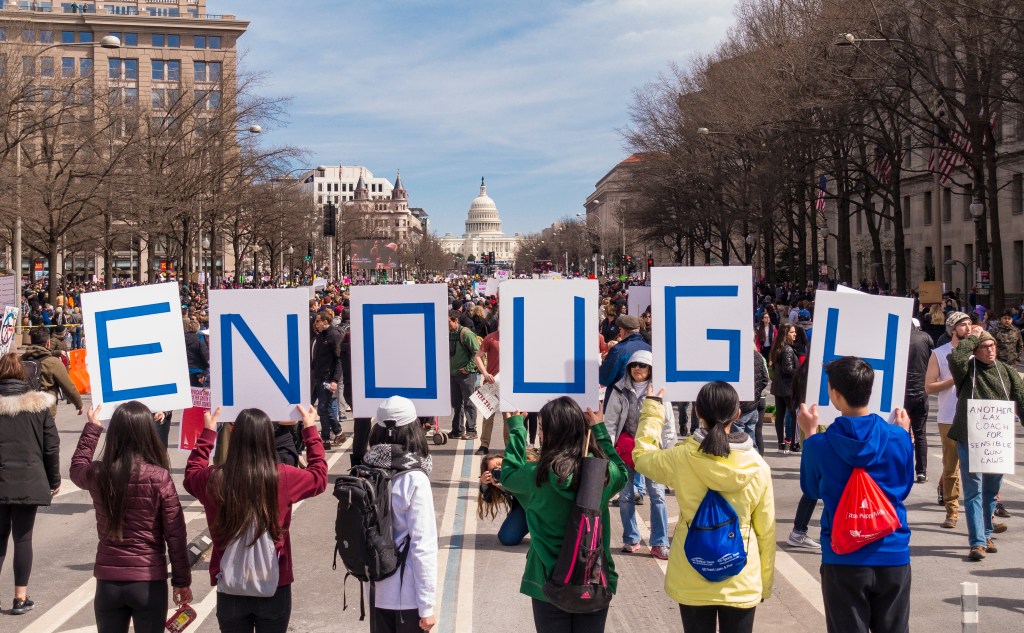
Is now finally enough? If not now, when will it be? The world is watching (Credit: Shutterstock)

‘There are none so blind as those who will not see’

The only answer I can find to these disturbing questions is that Americans – even the professing Christians who are still addicted to their guns, and cannot see the errors of their ways – are indeed blinded by their false gods.

Having lived with the trauma of my own experiences throughout my life, I hate to think how deeply traumatised today’s American school kids must be – how badly their mental health must be affected after watching so much violence and death on a daily basis on the news, and all the horrific videos and TV reports they see. It is not just a burden for the kids, but also for the schools, the teachers and the parents who feel helpless to stop it all.

Yet clearly facts, charts and statistics, and the endless alarming death toll, cannot make those who have chosen to be blind – or who have allowed themselves to become blinded – see.

“Only if enough Americans will finally stand up and say, ‘Enough is enough!’ Only if enough US schoolchildren and teachers simply refuse to attend school until the laws are changed to protect the innocent.”

Only if enough Americans will finally stand up and say, “Enough is enough!” Only if enough US schoolchildren and teachers simply refuse to attend school until the laws are changed to protect the innocent. Only if there are enough protests, and enough politicians willing to step aside from the powerful gun lobby, can we hope to see any real and lasting change.

The world is watching and weeping, America.

*List of gun-death schools shared and currently going viral on social media:

Thurston High School.

Columbine High School.

Heritage High School.

Deming Middle School.

Fort Gibson Middle School.

Buell Elementary School.

Lake Worth Middle School.

University of Arkansas.

Junipero Serra High School.

Santana High School.

Bishop Neumann High School.

Pacific Lutheran University.

Granite Hills High School.

Lew Wallace High School.

Martin Luther King, Jr. High School.

Appalachian School of Law.

Washington High School.

Conception Abbey.

Benjamin Tasker Middle School.

University of Arizona.

Lincoln High School.

John McDonogh High School.

Red Lion Area Junior High School.

Case Western Reserve University.

Rocori High School.

Ballou High School.

Randallstown High School.

Bowen High School.

Red Lake Senior High School.

Harlan Community Academy High School.

Campbell County High School.

Milwee Middle School.

Roseburg High School.

Pine Middle School.

Essex Elementary School.

Duquesne University.

Platte Canyon High School.

Weston High School.

West Nickel Mines School.

Joplin Memorial Middle School.

Henry Foss High School.

Compton Centennial High School.

Virginia Tech.

Success Tech Academy.

Miami Carol City Senior High School.

Hamilton High School.

Louisiana Technical College.

Mitchell High School.

E.O. Green Junior High School.

Northern Illinois University.

Lakota Middle School.

Knoxville Central High School.

Willoughby South High School.

Henry Ford High School.

University of Central Arkansas.

Dillard High School.

Dunbar High School.

Hampton University.

Harvard College.

Larose-Cut Off Middle School.

International Studies Academy.

Skyline College.

Discovery Middle School.

University of Alabama.

DeKalb School.

Deer Creek Middle School.

Ohio State University.

Mumford High School.

University of Texas.

Kelly Elementary School.

Marinette High School.

Aurora Central High School.

Millard South High School.

Martinsville West Middle School.

Worthing High School.

Millard South High School.

Highlands Intermediate School.

Cape Fear High School.

Chardon High School.

Episcopal School of Jacksonville.

Oikos University.

Hamilton High School.

Perry Hall School.

Normal Community High School.

University of South Alabama.

Banner Academy South.

University of Southern California.

Sandy Hook Elementary School.

Apostolic Revival Center Christian School.

Taft Union High School.

Osborn High School.

Stevens Institute of Business and Arts.

Hazard Community and Technical College.

Chicago State University.

Lone Star College-North.

Cesar Chavez High School.

Price Middle School.

University of Central Florida.

New River Community College.

Grambling State University.

Massachusetts Institute of Technology.

Ossie Ware Mitchell Middle School.

Ronald E. McNair Discovery Academy.

North Panola High School.

Carver High School.

Agape Christian Academy.

Sparks Middle School.

North Carolina A&T State University.

Stephenson High School.

Brashear High School.

West Orange High School.

Arapahoe High School.

Edison High School.

Liberty Technology Magnet High School.

Hillhouse High School.

Berrendo Middle School.

Purdue University.

South Carolina State University.

Los Angeles Valley College.

Charles F. Brush High School.

University of Southern California.

Georgia Regents University.

Academy of Knowledge Preschool.

Benjamin Banneker High School.

D. H. Conley High School.

East English Village Preparatory Academy.

Paine College.

Georgia Gwinnett College.

John F. Kennedy High School.

Seattle Pacific University.

Reynolds High School.

Indiana State University.

Albemarle High School.

Fern Creek Traditional High School.

Langston Hughes High School.

Marysville Pilchuck High School.

Florida State University.

Miami Carol City High School.

Rogers State University.

Rosemary Anderson High School.

Wisconsin Lutheran High School.

Frederick High School.

Tenaya Middle School.

Bethune-Cookman University.

Pershing Elementary School.

Wayne Community College.

J.B. Martin Middle School.

Southwestern Classical Academy.

Savannah State University.

Harrisburg High School.

Umpqua Community College.

Northern Arizona University.

Texas Southern University.

Tennessee State University.

Winston-Salem State University.

Mojave High School.

Lawrence Central High School.

Franklin High School.

Muskegon Heights High School.

Independence High School.

Madison High School.

Antigo High School.

University of California-Los Angeles.

Jeremiah Burke High School.

Alpine High School.

Townville Elementary School.

Vigor High School.

Linden McKinley STEM Academy.

June Jordan High School for Equity.

Union Middle School.

Mueller Park Junior High School.

West Liberty-Salem High School.

University of Washington.

King City High School.

North Park Elementary School.

North Lake College.

Freeman High School.

Mattoon High School.

Rancho Tehama Elementary School.

Aztec High School.

Wake Forest University.

Italy High School.

NET Charter High School.

Marshall County High School.

Sal Castro Middle School.

Marjory Stoneman Douglas High School.

Great Mills High School.

Central Michigan University.

Huffman High School.

Frederick Douglass High School.

Forest High School.

Highland High School.

Dixon High School.

Santa Fe High School.

Noblesville West Middle School.

University of North Carolina Charlotte.

STEM School Highlands Ranch.

Edgewood High School.

Palm Beach Central High School.

Providence Career & Technical Academy.

Fairley High School (school bus).

Canyon Springs High School.

Dennis Intermediate School.

Florida International University.

Central Elementary School.

Cascade Middle School.

Davidson High School.

Prairie View A&M University.

Altascocita High School.

Central Academy of Excellence.

Cleveland High School.

Robert E. Lee High School.

Cheyenne South High School.

Grambling State University.

Blountsville Elementary School.

Holmes County, Mississippi (school bus).

Prescott High School.

College of the Mainland.

Wynbrooke Elementary School.

UNC Charlotte.

Riverview Florida (school bus).

Second Chance High School.

Carman-Ainsworth High School.

Williwaw Elementary School.

Monroe Clark Middle School.

Central Catholic High School.

Jeanette High School

Eastern Hills High School

DeAnza High School

Ridgway High School

Reginald F. Lewis High School

Saugus High School

Pleasantville High School

Waukesha South High School.

Oshkosh High School.

Catholic Academy of New Haven.

Bellaire High School.

North Crowley High School.

McAuliffe Elementary School.

South Oak Cliff High School.

Texas A&M University-Commerce.

Western Illinois University.

Oxford High School.

Robb Elementary School .                                                 

2. Mental Health and Work
Having looked at mental health in general, now let’s address the challenges of mental health at work.

For example, how is it possible to maintain a healthy perspective when our jobs become excessively or unreasonably demanding, and we find ourselves working all the hours God sends and losing any possible work-life balance? How do we avoid becoming disillusioned or burnt out in a toxic or badly managed start-up or legacy-led company? And what about bullying bosses – how to cope with those? How can we learn to bounce back from failure or redundancy, and even thrive? Above all, how can we grow and develop our confidence and self-esteem so we can become more resilient, whatever the external economic situation throws as us?

Having experienced abundant ups and downs with work over the past decade – whether with start-ups, in full-time or temporary jobs, or as a freelancer – I hope relaying some of my personal mental health struggles and learnings may help those facing similar issues. Unless you have a completely stress-free, perfect job or no longer need to work, you will no doubt have moments where your own mental health is challenged in at least one or even several of these areas. In fact, having seen a wealth of responses from friends in all sorts of industries and roles following a post on Facebook about how a toxic work colleague’s behaviour was affecting my enjoyment of a job, it is clear such experiences are extremely common.

This blog is divided into sections and sub-sections, which include some take-aways for each main theme. While my experiences within media / journalism and freelancing may be less relevant to those working in other industries, I trust the more generic sections relating to – for example, bosses from hell, or some of the issues those now having to work from home are experiencing – will strike a chord.

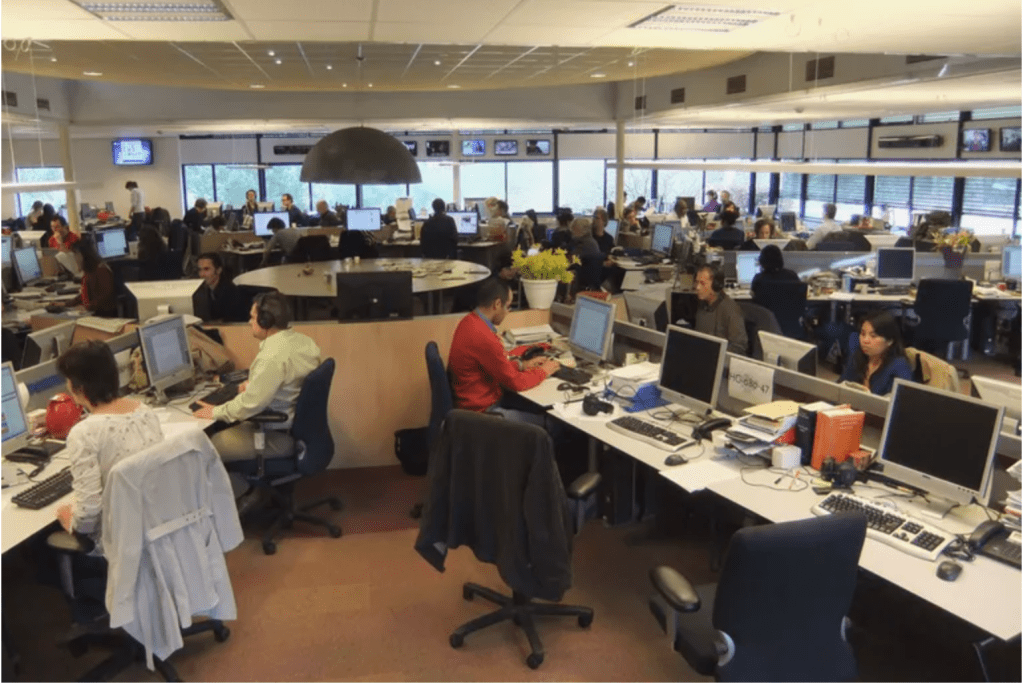
The newsroom as we have known it: a buzzing, lively office manned with hard-working, dedicated reporters and editorial / production staff, all working 24/7 at locations around the world to ensure every breaking news story goes out on time and is fully accurate and well-written – Source: Wikipedia

The ups and downs of journalism post-downturn: my story

In my industry (media and journalism – specifically production journalism), the sudden financial downturn of 2008 seemingly happened at the same time as a rapid conversion from print-based publication production to digital media-based production, which together signalled the end of any job security or permanence in the industry. The old traditional ways of working with a fully staffed newsroom were being challenged by younger, digital-only disruptors, and advertisers were also moving on, thus forcing media organisations to scramble for new solutions to stay financially viable.

Many already existing newspapers, magazines, journals and other publication types decided to shed their more expensive, older print staff and replace them with younger, less-experienced or knowledgeable, but presumably more digital-savvy millennials, or alternatively rely on a bank of freelancers. Those who wanted to stay on were either asked to take a massive pay cut or forced to learn new skills. It did not matter – and still doesn’t, considering the incredible amount of ghastly factual and typographical errors one sees regularly now on all kinds of publications – whether there was any advancement in quality, because once the bean-counters took over, the main driver became how many clicks each story got.

When the downturn hit, I was working (somewhat ironically) in financial journalism, for a large and well-established media company. It was a job I had loved and thrived in, having achieved an internal award and several promotions. However, in 2008 the company suddenly decided to axe half their staff, and my position was made redundant. While I could understand the management’s position objectively, it was still a bitter pill to swallow. What was I to do with all my now well-developed skills and knowledge?

The legacy journalism newsroom of yesteryear – while it is already a nostalgic, distant memory for most of us, many new media start-ups are still based on this – Source: Wikipedia

Ironically, when I first came to the UK, everyone said, “Don’t be a journalist – be a sub-editor. You’ll never be out of work.” While that sage advice was indeed valid for many years, it did not foresee this particular crisis in the industry, nor the issues many great, highly skilled and experienced print sub-editors like me would encounter once the entire news industry converted to digital publishing seemingly overnight.

Along with a sudden intense competition for the few remaining print jobs going, there was also greater pressure to develop entirely new, digital-related skills – search engine optimisation (SEO), coding, and other technical and social media skills, among others. Some, like me, managed the transition well, and are now flourishing as digital-only journalists and production editors; others less so.

The freelance life: pros and cons

As a result of this change, over the next 10–12 years, I have worked on and off for various digital media start-ups and creative agencies, also working as a freelance journalist, copywriter/editor, newspaper and magazine sub-editor for print and digital publishers, Americanizer/Angliciser, editorial manager and proofreader/QC (quality controller) (see here for a very few examples). I also edit various academic, fiction and non-fiction book, etc manuscripts by private commission, as I had also done for several years after leaving a role as an in-house senior commissioning editor for the Quarto Group and while I was also teaching salsa part-time locally.

At one point, I hit upon a fairly lucrative annual stream of work and decided to set up my own company (Creative Editorial Limited), which I eventually shut down, as having to file tax returns every quarter was infinitely tedious – it was far easier to remain a self-employed freelance sole trader and do my tax returns annually. But in addition to the need to file self-employed taxes annually, freelancing also has its own ups and downs. 

For example, fellow freelancers will recognise the adage that freelancing can be a bit like buses – you wait ages for one, and then suddenly three come all at once. While the busy times are exciting, filled with variety and fresh challenges, the quieter periods in between contracts, in-house bookings or commissions, when you might go for weeks or even months with only a few scraps of work, can be very challenging.

If you have another source of income or a spouse who can support you, such gaps may be fine and indeed welcome. But if not, it can be very stressful if you have regular bills to pay – particularly when there are issues with clients paying on time or even defaulting on pay, as alas can happen, particularly when/if companies go bust.

Today’s tools of the trade: for freelancers, working from home – or anywhere you can find a decent WiFi signal – was normal long before the pandemic. Source: Pinterest

Along with the delayed-pay issues, I’d often find – as again fellow freelancers will recognise – that companies only love you as long as they need you. As soon as their immediate crisis is over, they forget all about you. This, at times, impacted my self-esteem. Why, if they thought I was so great for several months, did they suddenly dump me or fail to answer my messages, or ghost me? At times I felt like all I did was kiss frogs: When would my prince – the promised land of regular, reliable freelance work I could just do until (if) I was ever in a position to retire and do all the creative work I longed to do – ever materialise?

As other freelancers will also recognise, when you are not working, you are always looking for work or promoting your business, which is itself a full-time job. Sometimes this situation got me down, at which point I would apply – and often interview, sometimes many times – for seemingly zillions of jobs. Some of those jobs I got – often working for new-media start-ups – turned out to have nightmare commutes or bosses, so did not last long. In these times of on-off, up-down employment, I had to fight to keep my mental health stable, through utilising some of the practices described below.

Wisely, I have always maintained my freelancing contacts as a fail-safe, and have improved my chances of remaining employed / employable by diversifying my skills and learning new techniques – for example, instead of letting the loss of print-based journalism defeat me as it did some, I did an online digital marketing diploma course with the Digital Marketing Institute (which by the way just published an excellent new year post on mental health and wellness – see here). This then opened up new streams of work via digital marketing copywriting, editing and proofreading.

MAIN TAKE-AWAYS

  • The switchover from print to digital news has vastly impacted journalism as we have known it. While some online news sites endeavour to maintain the legacy newsrooms values of old, this is a very fragile space. Would I advise anyone to get into journalism now? In a word, NO.
  • Although freelancing offers many positives – freedom from the routines of full-time work; variety; being your own boss – it is not for the faint-hearted. You must learn to make the best use of your ‘gap’ time and be disciplined with your finances, whether you are self-employed or a limited company.
  • Developing and diversifying your skills so you can add other streams of income is essential to staying financially viable, as well as mentally and emotionally resilient, whatever the work situation.
Most start-ups begin with a tremendous amount of enthusiasm and even high-sounding, ethical ideas. It’s easy to get caught up in an entrepreneur’s vision – but what happens when the dream fails? – Credit: Auston Distel, Unsplash

Why some start-ups fail: burnout

While the total amount of start-ups around the world is unknown (some estimates place it at around 4.4. million), it is generally agreed that at least 90% of these will fail, with 10% failing within the first year and around 70% failing within the first two to five years. As regards mental health and work, it is necessary to note that according to recent research by private equity firm CB Insights, burnout is among the top 12 reasons why so many start-ups fail.

In my own experience of working for and helping helm several media and creative start-ups over the past decade or so, although I usually started out with tonnes of energy and idealistic enthusiasm for the project, inevitably this initial buzz was subsumed by feelings of mental and physical burnout. Usually this was due to unrealistic expectations and demands – both on the part of the start-up’s founders or management and myself.

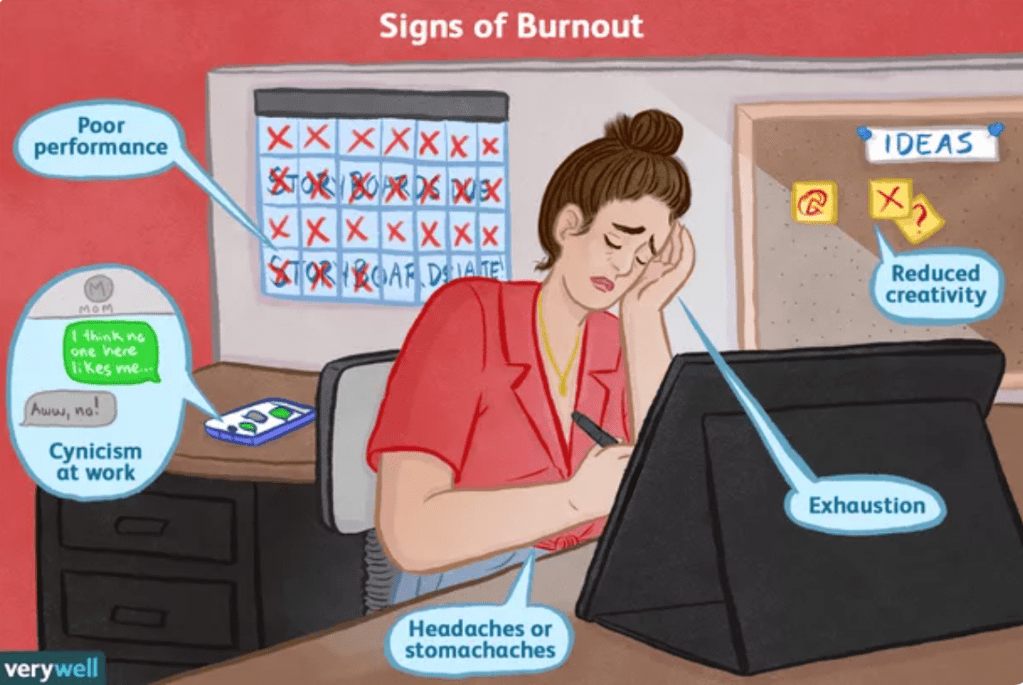
According to an article by Elizabeth Scott PhD in Verywell Mind, the term ‘burnout’ was first coined in 1974 by Herbert Freudenberger, who described it as “the extinction of motivation or incentive, especially where one’s devotion to a cause or relationship fails to produce the desired results”. Indeed, one of the main symptoms of burnout is an overarching cynicism, a sense of ‘losing the will to live’. If not addressed, this can be fatal to any enterprise in terms of its effect on teams and individuals, as well as on external clients and customers, and ultimately on shareholders / investors. One of the most reliable indicator that a company is in trouble when one or more of its employees is off work due to stress-related exhaustion and burnout. Another is a frequent and rapid turnover.

One of the most reliable indicators that a company is in trouble when one or more of its employees is off work due to stress-related exhaustion and burnout. Another is a frequent and rapid turnover.

So what causes burnout in start-ups? One of the biggest reasons is that the effort needed to get these up and running quickly becomes an all-consuming mission. Everything is at stake, both economically and in terms of reputation, as most start-ups begin with only a small amount of seed funding, with those involved often using their own savings or even their houses or entire possessions as collateral. This intensifies the pressure to get the initial business plan right, to develop a sound and viable path for growth, and thereby attract further investment.

Such pressures are not only felt by the founders or others at the top, but also by all the staff employed to bring these plans to fruition – and with less available funding for more staff, some of the key or initial employees may find themselves filling several roles or performing several functions at once.

While many early-stage start-up employees willingly accept positions on a reduced salary or with additional time pressures because they believe in the start-up’s concept and believe their involvement will enable them to realise their own professional objectives and career ambitions. However, once the start-up begins to grow and succeed, and new appointments accelerate, some of the initial staff may find their own positions or goals remain undeveloped and their personal needs unmet.

“Once the start-up begins to grow and succeed, and new appointments accelerate, some of the initial staff may find their own positions or goals remain undeveloped and their personal needs unmet.”

They may see others moved into or appointed to positions they themselves had hoped to obtain, or fail to get a hoped-for pay raise, and so struggle with feelings of disappointment, disillusionment, insecurity, anxiety, resentment and/or bitterness, or a feeling that their own sacrifices and commitment are undervalued and underappreciated.

Such thoughts or impressions – if left unchecked or not dealt with – can very quickly escalate into a mental health issue among individual staff or even within a whole team, as some will voice their frustrations and circulate a cynical, negative vibe that can quickly develop into a toxic environment, which also has more opportunity to flourish in an open-plan, shared office.

Perhaps worse, some will choose to suffer in silence, becoming progressively more disenchanted or aggrieved while outwardly keeping their heads down and focusing on the work. They may find themselves suffering from headaches and stomachaches as they inwardly churn. But over the long term, not voicing or addressing any issues takes its toll, as eventually the Herculean effort required to suppress or hide any negative feelings of disillusionment or grievance will lead to temporary or physical exhaustion, requiring the staff member to be signed off from work due to stress.

Image for Verywell Mind by Brianna Gilmartin

This is particularly the case with many dedicated, hard-working and highly skilled females employed in a senior or middle-management role in a start-up, who are often paid far less than their male counterparts. If you as a woman have a sympathetic boss who is willing to take your suggestions onboard and progress (and pay) you accordingly, as well as a supportive and non-competitive team, count yourself very fortunate – all too often this is not the case.

Due to the ‘legacy’ nature of male-dominated companies – particularly, or at least in my own experience, newsrooms and advertising agencies – many media or creative start-ups will seek to employ older, more experienced and knowledgeable (and thus ‘more expensive’) females to help mentor and train the keen but usually inexperienced or less-knowledgeable (and hence cheaper) junior or freelance staff, after which they may simply be let go as a cost-reduction strategy. In such cases, the females hired to fill these roles can easily feel they are being ‘used’.

For example, in one of the new-media start-ups I worked for, I was expected to train an in-house copy-editing team comprising five junior millennials in using the system, knowing how and when to check content and finesse the text, and to recognise the many subtle differences between US and UK grammar. I was also required to source, hire and train some 21 remote freelance staff around the world. However, I soon discovered that because of the company’s absurd freelance hourly fees (which were in fact below the legal minimum hourly wage), the work the freelancers delivered was massively rushed, rife with errors and containing some serious faults, eg plagiarism. The adage “If you pay peanuts, you get monkeys” was certainly true in this case.

Sadly, when I confronted management about this issue, the CEO refused to budge on the fees, and instead dismissed me without so much as a thank you for all the hard work and effort I had put into establishing its editorial style and workflow. I left feeling quite disillusioned, as many others also did. Although the company has continued to exist and is (superficially, at least) perceived a ‘success’, it has had a continual revolving door of exiting employees – not to mention a generally bad write-up on Glassdoor – which any investor worth his or her salt should wisely steer clear of. Employers should know that how their staff – including any disgruntled former employees – speak of them will inevitably affect investment appetite, not to omit the costs of having to advertise, hire and train new staff constantly, itself a very time-consuming and expensive business.

Employers should know that how their staff – including any disgruntled former employees – speak of them will inevitably affect investment appetite, not to omit the costs of having to advertise, hire and train new staff constantly, itself a very time-consuming and expensive business.

Inevitably, there will be many ambiguities and uncertainties as companies navigate their direction and cope with the additional challenges of growth. At such times, it is crucial for leaders and heads of companies to maintain clear and open transparency and accountability with their staff, as any failure to do so can introduce disquiet or discontent, particularly if uncertainties about the company’s direction or any ambiguities about roles continue over a long period of time. Prolonged uncertainty can lead to anxiety and symptoms of mental, emotional, physical and spiritual burnout among staff; in such times, many employees may simply lose the will to continue and quit, or be signed off sick with stress.

If you are an employee in a start-up and have begun to experience any of the symptoms of burnout, it is wise to embed some solid self-care routines into your working day – take time out to pray and meditate, spend time in nature, get some exercise, see friends, do activities you enjoy, and maintain a healthy diet and sleep schedule as much as possible. But if the situation begins to look like it is heading for a nosedive, polish your CV / resume and begin to look for a plan B. Life is really too short to put up with such abuse!

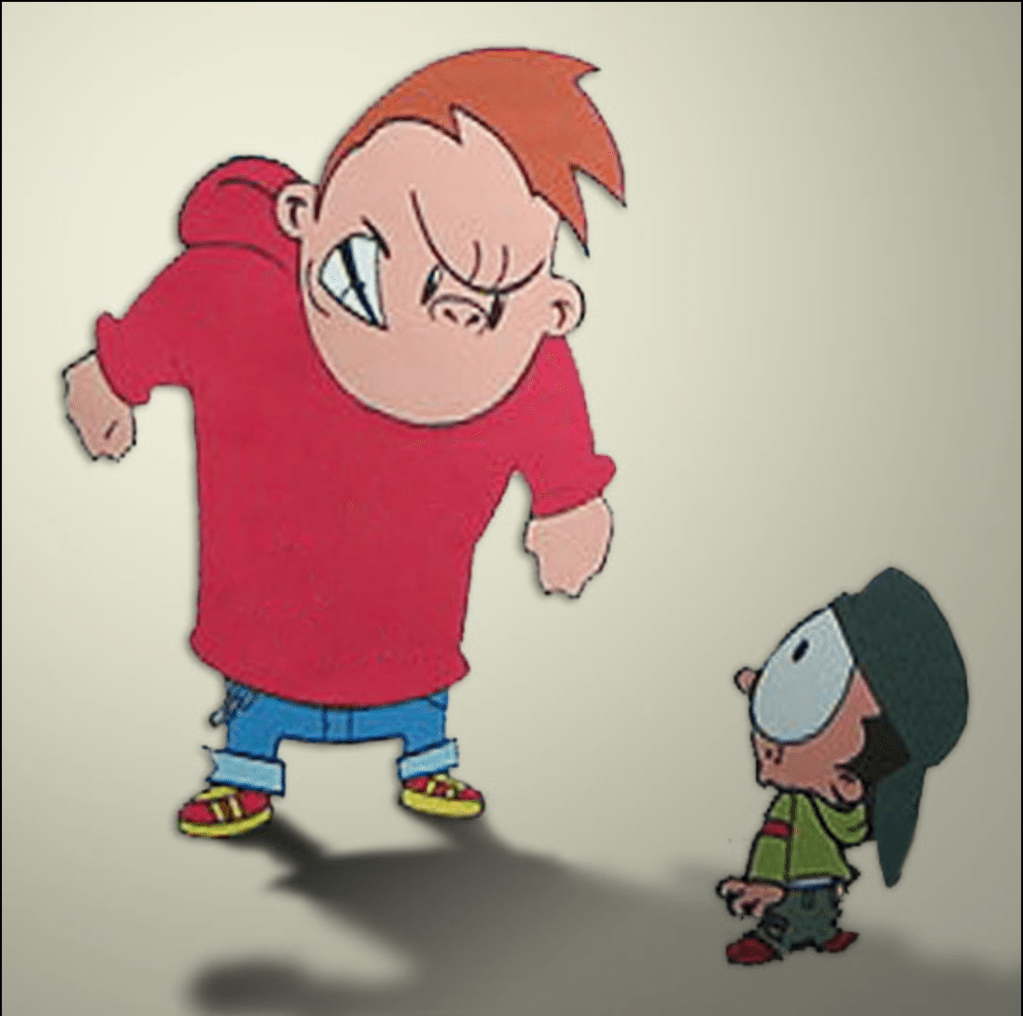
Massive boss screaming at a small employee: some bullies pick on people simply to make themselves seem bigger or more important – Source: Depositphotos

Bullying bosses and toxic teams

The saying is that “people don’t leave jobs; they leave bosses” – however, while this is certainly true, there is also the aspect of toxic teams whose behaviours can seriously affect one’s mental health at work. While I have indeed had some stellar examples of bad bosses (see below), it has more often been the unpleasant atmosphere created by ‘office politics’ that made me vote with my feet and remain a happily unburdened freelancer, regardless of any pay or perks that can come with a salaried role.

And apparently, I am not alone: a recent LinkedIn post highlighted the problem of toxicity in work teams, citing research from the BBC that showed that one in five American workers left jobs because of a toxic workplace culture, while a whopping 64% of British workers said experiencing problematic behaviours in the workplace – including uncensored / unchecked racist comments, abuse and bullying – had negatively affected their mental health.

Considering we spend a large proportion of our waking hours at work, it can be difficult to maintain our peace and external perspectives with the constant tit-for-tatting or one-upmanship that can take place in any situation where ambitious people jockey for prime positions in a company. Such behaviour can eventually wear down even the most otherwise sane and rational / objective individual and, if prolonged or abusive enough, can lead to frequent job-hopping or even mental breakdown.  

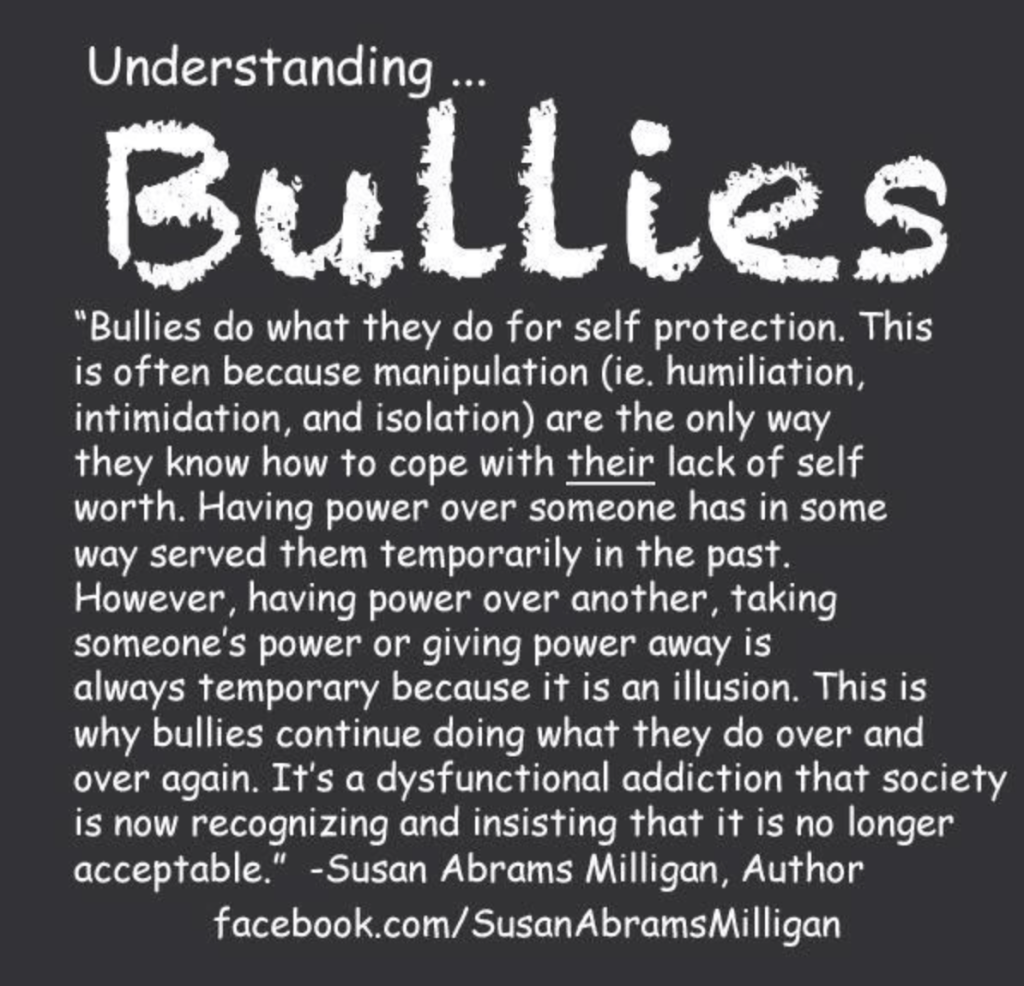
While there is nothing particularly novel about political infighting in the worlds of journalism (or any sector, probably), the increasing instability and paucity of media jobs makes fighting for work and ‘security’ through mistreating others on the team quite a common occurrence. Many seem to think that getting ahead or preserving their jobs means they must of necessity abuse or put others down to make themselves look good. Perhaps such behaviours served them well in the past – for example, when they were at school – so even as they enter the workforce they continue to repeat them whenever they feel insecure or threatened. However, such schoolroom-type bullying behaviour is exactly what it appears: the perpetrators may physically be adults, but in every other sense they are children, locked in an endless competitive battle for dominance.

I’m not sure about anyone else, but I certainly have no desire to revisit that kind of junior high-school bully-victim drama at work when I am simply just trying to do my job!

Quote from author Susan Abrams Milligan on Facebook – source: Pinterest

Often the management either turns a blind eye or encourages such behaviours, meaning they not only proliferate but all too often lead to a revolving-door scenario.

One experience that particularly comes to mind was in my first job at the helm of a brand-new media start-up. Unsurprisingly, this was just after the downturn, and many were feeling insecure about the future – but rather than creating a mutually supportive atmosphere, this brought out the cynically cut-throat in some. I tried my best to hire a team of hard-working, talented people – some of whom I’d worked with before we were both made redundant by another company – who I thought would be grateful for a job.

Unfortunately, I had not reckoned on one of these hires being a snake. It soon became clear this ‘deputy’ was determined to get my job and title, and make me ill in the process. It was only later that I witnessed the full extent to which this scheming, back-stabbing, manipulative junior colleague would go, not only seeking to undermine me at every turn, but ultimately twisting circumstances to his own advantage so that he was left the sole survivor when the inevitable restructuring began. He had so thoroughly deceived and manipulated the other team members that they didn’t even realise they were also being set up to be let go.

Although I did try to bring this to my chief’s attention once I copped on to what was happening, I found this was fruitless. The snake had already wrapped his wiles around him, and in truth, while the chief was a very gentle, sweet-natured man, he was also a hopelessly idealistic and impractical visionary, who, while outwardly very supportive of my attempts to lead the team and work, did not offer any practical or personal support. Being that I was for most of the time the only female in all-male in-house team, he seemed to consider that my main function was to serve as his secretary, so any time I tried to discuss any problem with him, he would instead go on at length about his own problems (not that he actually had any).

Cartoon representation of a bully and a victim used to depict Western European powers and the United States bullying Serbia in the aftermath of the 2008 Kosovo declaration of independence during the 2008 Serbian protests – Source: Wikipedia

Considering I was also putting in all the hours God sent to meet challenging international deadlines, and additionally faced a two-hour commute on either end of very long weekly press days, I inevitably suffered physical, mental and emotional burnout. Despite having initially been highly invested in the start-up’s high-sounding, ethical idealism, I concluded that this principled ethos was not matched by the in-office politicking, and thus my initial enthusiasm for the project evaporated.

Between the long hours I was putting in and the backhanded sniping adding grief to the daily grind, I found it impossible to cope with the demands of the job as well as the constant one-upmanship in my team and the complete lack of sympathy or support from my boss, so in the end regrettably felt I had no choice but to leave. Yet if I had only had proper support from the chief, or the wider management had intervened constructively in the inter-team issues before it got to that pass, it is likely I would still be there.

However, while that work scenario certainly had its poisonous moments, it paled in comparison with a subsequent job in which I was employed in a fraudulent, misleading capacity as editor-in-chief of another media start-up headed (unofficially, at least initially) by a narcissistic, bullying, security-paranoid, highly temperamental (and potentially manic-depressive, judging by his volcanic, unpredictable, yet regular temperamental mood swings), gaslighting, deceitfully charming and micromanaging boss. Compared to him, any other ‘boss from hell’ I ever had was a walk in the park – not only in his treatment of me, but also in his callous behaviour towards freelancers and the staff of the sister organisation he was also unofficially heading.

From the bullying.about.com website – image from Pinterest

Luckily, I was not often in the office – mostly because I was usually required to work until 2–3am on weeknights and often all through the weekend and even while on holiday to meet mysterious and objectively unwarranted online publishing ‘deadlines’. However, whenever I was in the shared office with staff from the sister organisation, the way I/we coped with the boss’s chaotic and unpredictable appearances was to joke about his shambolic management and ill-tempered outbursts. While this helped build a sense of camaraderie and ‘comic relief’ from our mutual suffering, it still did not fully eliminate the toxic atmosphere whenever he was there, nor deliver us from his vitriolic, mood-swinging diatribes.

One male colleague was signed off with stress and unable to work for well over a year, so badly was his self-esteem and mental health affected; others simply exited as soon as possible to escape the abuse. Others, perhaps sucked in by either his occasional charm or vain promises of gifts, ambitious projects or financial compensation, which was relatively generous (even if dubiously sourced), managed to develop a kind of resilient strength, or simply disappeared into social media whenever the office tension rose on the back of his sporadic and vitriolic appearances.

Those who succeeded in getting out and/or have since gone on to find better jobs and causes to work for are undoubtedly much better equipped to cope in future, as unless you were suffering under a regime with a truly crazed, despotic tyrant, it likely doesn’t get much worse than this, so your coping skills need to crank up several notches.

Title/cover of a recommended book by Gary Chapman and Paul White, from an image on Pinterest

How to cope with bad bosses and work situations

While there is some debate about the actual numbers of those who leave jobs they are otherwise highly skilled at or suited to because they cannot abide a nightmare boss or toxic teammate, it is indeed very common – whether the boss or colleague in question is insecure, fearful of failing or hopelessly ineffectual, or alternatively an out-of-control, demanding and unsympathetic tyrant or spectacularly narcissistic.

While the simplest solution may, in the end, be to leave, if you really do love the job and your team, or have other reasons to stick around – for example, you need the money or it is an essential step in your career path – how do you cope with bullying bosses or toxic teams and so safeguard your mental and physical health?

First, it is important to practise detachment, whether from any targeted personal negative vibes you get from a bullying, shouting or abusive boss or from any toxic, scheming colleagues. Take time out to put yourself first: focus just on doing what makes you feel good, on meeting your own needs and building up your own sense of self-worth – you are still a person and have a life beyond the day job, so make sure you use your free time to enjoy a hobby and see your family and friends so as to reinforce your sense of self and value outside of work. Practise mindfulness, prayer and/or meditation daily to shield your mind from negative self-talk or rehashing the work agitation. If it helps, compartmentalise – and by all means, at the end of a hellish working day or week, SWITCH OFF!!

Remember that a job is simply what you do for a living – it does not define or limit you. In the same way that you cannot take any earthly goods with you when you die, so, too, your ultimate purpose and identity exists outside of work – it is not what you do, but who you are, that is of value. As a Christian, I know that my true identity and purpose is that I am a child of God – and no human, whether a nightmare boss or manipulative colleague – can ever take that away from me, even if they might upset, obsess or derail me if or when I allow them to play havoc with my mind. Recognising and remembering that your life has a meaning and value outside of work is essential to maintaining good mental health, along with a healthy sense of self-worth and self-esteem – and bringing that to your work means you are better able to bring and do your best.

Second, remind yourself that whatever you are facing is just temporary – that “this too shall pass”. If a work situation or environment is that stressed or the boss is that bad, the business will eventually fail or be taken over. Or something else will inevitably force a change, because nothing in life – not least in business – is ever stagnant; it is always moving and changing. And while such changes may or may not resolve the issues in your personal circumstances, if you have chosen to stick around, you are still growing and developing personal skills and characteristics such as fortitude and perseverance – all of which will stand you in good stead in your next endeavour.

Take time out to put yourself first: focus just on doing what makes you feel good, on meeting your own needs and building up your own sense of self-worth – you are still a person and have a life beyond the day job, so make sure you use your free time to enjoy a hobby and see your family and friends so as to reinforce your sense of self and value outside of work.

Third, focus on developing an alternative income stream. Diversifying is the key to maintaining employment, as has been reinforced over decades in my own experience of on-off freelance work. Do you have a hobby or skill you could perhaps develop and monetise? Is there something you have always longed to do, but have never been able to find time for? If you have an overbearing boss you can’t leave because of finances, or feel stuck in a rut in your present job, now might be time to build your own escape hatch. Take a course, get an additional qualification, or spend a few hours each week developing your skills and building an industry-related network outside your immediate job – such activities will not only empower you, but may even lead to a brand-new career or dream job.

Fourth, it may be hard – and indeed it is never easy – to forgive those who mistreat or abuse you, who lie to, gossip about or malign you, who try to destroy your reputation, steal your job or even threaten your sanity. But you can’t really move on or be ready for the next challenge until you do. For the sake of your own mental health – which also involves your own growth and development as a person – choose to practise forgiveness until you can truly let it go. If it helps, use your imagination to see the offender as a silly animal, or perhaps imagine them parading in their birthday suit – anything that will help you view them as a fellow flawed and vulnerable human being, as in fact we all are (“there, but for the grace of God, go I”).

I confess I’ve struggled with forgiveness at times, particularly in situations where I was abused by bad bosses or colleagues, or felt cheated after expending considerable time and effort to build up a business. There were a few times I was promised a promotion, pay rise or the perfect opportunity to develop my career potential, but something or someone inevitably let me down. There were not a few times others took credit for or profited from my work and ideas, and many times I did not get paid or paid adequately for work I completed on time and to a very high standard.

But if I had dwelt on any of those things and allowed them to dominate me, I would not have grown as a whole person or developed other skills and talents in the ways I have. Eventually, through all the work ups and downs, even those days I felt nearly swallowed up by the deep, dark tunnel of my own – and perhaps the industry’s – making, shards of light began to break through, and I began to recover. Now, having begun to walk towards that light, I know that all I need to do is just keep walking, persevering in the practices I have learned along the way.

As the saying goes, circumstances will either make you bitter or better. So choose to act with grace so that your bad work situations can become your steppingstones to a better you – and a better future.

MAIN TAKE-AWAYS

  • No job or start-up – however much it may pay and/or seemingly align with your values – is worth sacrificing your own health and peace of mind for.
  • If a toxic, negative vibe develops, leave before it gets to you, or you may suffer from both physical and mental ill health.
  • If you are a woman in a place of seniority, make sure your boss is one who will listen to you. If not, you are probably better off deploying your skills elsewhere.
  • If you are a manager, strive to maintain an open, transparent communication with your staff, even if/when you yourself do not know what is going on.
  • Also, make sure you take time out to check up on your staff to ensure they are okay and are still on board. That is ultimately both time-efficient and cost-effective management, as you don’t want to be caught out if a situation blows up and staff leave suddenly in the middle of a project.
  • If you are beginning to feel burnt out and/or can’t solve a persistent problem, remember to take a break – sometimes the answers come best when we are rested and have “switched off”.
Meditation and detaching are key to combatting issues with toxic teams and bullying bosses – for your own mental health, you need to step away – Credit: Adobe Stock/stournsaeh

Along with the occasional burnout I suffered either with start-ups or full-time jobs, or as a freelancer, either juggling several jobs or clients’ deadlines simultaneously or having longer gaps between paid commissions, there were several other mental health issues I struggled with from time to time: depression, loneliness/isolation, a loss of a sense of self-worth/value (all the more so if your identity is tied to what you do for a living and you are suddenly described as ‘redundant’), and occasional social anxiety because of the stigma of being unemployed, or at least not employed in any ‘normal’ 9–5 Monday–Friday rhythm.

Now that most of the world has experienced all or some of these mental health issues as a result of the Covid-19 lockdowns, with work from home becoming ‘the new normal’, perhaps it’s easier for others to understand how it feels to be stuck at home with little social contact – and yet this is something freelancers can struggle with regularly. Apart from full-time jobs or in-house bookings lasting one to six months or perhaps over a year or two – quite often during times everyone else is off on holiday – most of my freelance work over the past two decades has been from home. And while everyone else is shuttling off to offices daily instead of sitting down to their computers alone at home, it can indeed be very lonely, particularly for a natural extrovert like myself.

During such times, I have been grateful for social media as an outlet for human interaction. Yet social media is both a blessing and a curse: on the plus side, you can freely ‘chat’ with friends and colleagues around the world 24/7; on the minus side, if you are not careful, you can easily get addicted to it and waste several hours a day scrolling aimlessly. It can also trigger FOMO (fear of missing out), especially when you see friends travelling frequently or doing other things you can’t afford or aren’t able to do.

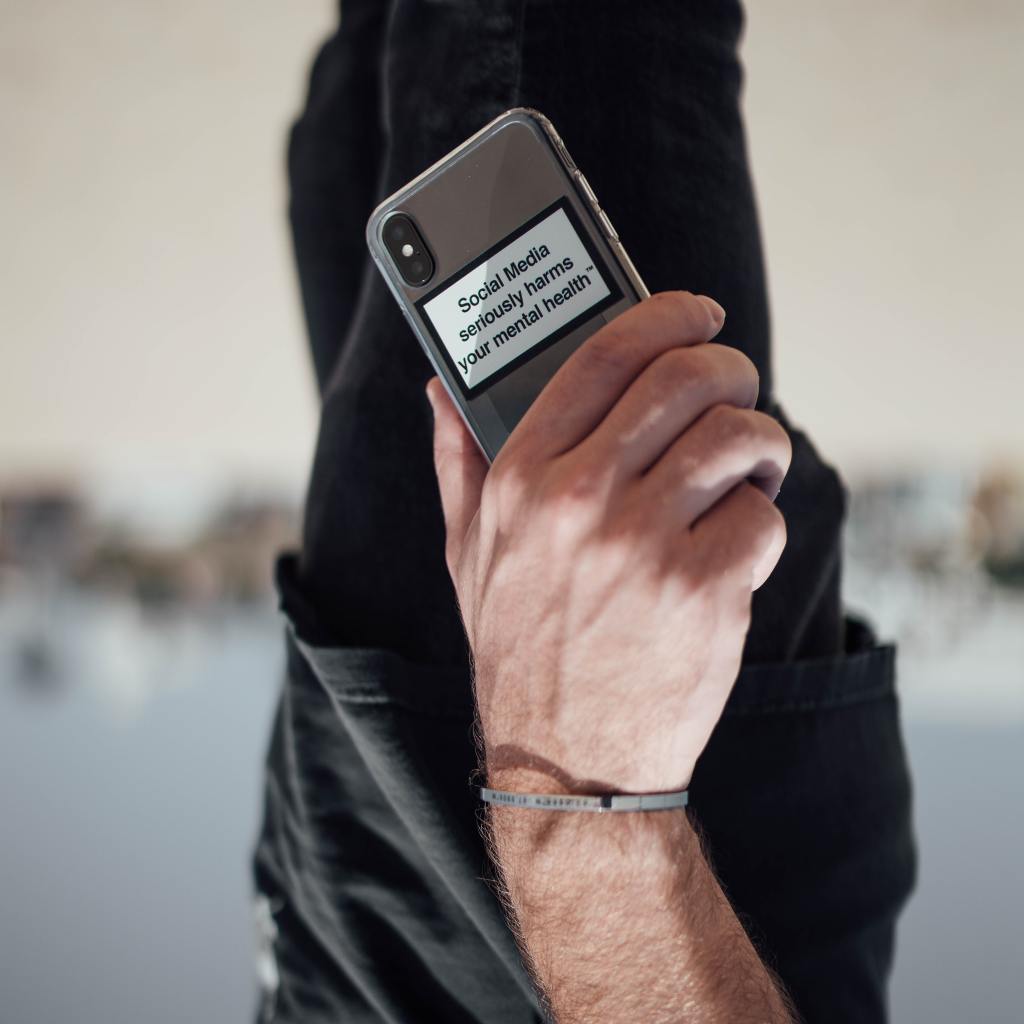
An upside-down world: social media has turned all of our lives around – but sometimes not for the best – Credit: Christopher Ott at Unsplash

“Social media is both a blessing and a curse: on the plus side, you can ‘chat’ with friends and colleagues around the world 24/7; on the minus side, if you are not careful, you can easily get addicted to it or waste several hours a day scrolling aimlessly. It can also trigger FOMO (fear of missing out), especially when you see friends travelling or doing other things you can’t afford or aren’t able to do.”

Therefore, inasmuch as social media helps combat mental health issues such as loneliness, it can also lead to whole new issues. Consequently, I have usually found it necessary to limit myself to logging on to Facebook or other social media channels for only brief periods or at set times a day – for example, during a morning or afternoon coffee break – as otherwise it can become a very unhealthy obsession and a drain on your time. [My Uncle Bob used to say about boats that they are a “hole in the water you throw money into”; I see social media as a hole in the ether you throw time into!]

At times being either out of or between work has occasionally brought on bouts of depression connected to a sense of purposelessness, particularly if a job I was formerly invested in came to an end abruptly or negatively for some reason – for example, mass redundancies or restructuring. When you are used to waking up every morning and having a job to go to where you are totally focused for a full eight hours or more on doing work you will get some recognition and sense of self-worth / value and /or identity from – if nothing else, in the form of a monthly or weekly paycheque – suddenly not having this can be very depressing indeed.

When you are used to waking up every morning and having a job to go to where you are totally focused on doing work you will get some recognition and sense of self-worth / value and /or identity from – if nothing else, in the form of a monthly or weekly paycheque – suddenly not having this can be very depressing indeed.

There can also be an unfortunate tendency during gaps of non-work of either worrying about the future (How on earth will I be able to pay the bills / make ends meet?) or nulling over the past: If only I had said or done / not said or done such and such, perhaps the result would be different. If the situation was outside your control – such as a company going bust – it may be easier to avoid such thoughts or come to a place of acceptance about the situation, but if it ended negatively in any way that could (or should – for example, with better management) have been avoided, it may be more difficult to avoid such thoughts.

However, whether the situation was something you could or could not have changed, you still have to choose to put positive disciplines (such as practising gratitude daily for what was, and then actively letting it go [I know, this is far easier said than done]) in place to safeguard your mental health.

In my own case, it so happened a few years ago that when I found myself in one of these very negative ‘if only’ mental loops, I suddenly received a very graphic ‘warning’ dream that made me wake up with a fright and realise I simply had to change my thinking patterns, or I really was in danger of losing everything. The dream went like this:

I dreamed I was driving a car down a very steep hill on a dark autumn day, where the hill was covered in wet leaves. As I descended, the car began to spin out of control, and I woke up with a start, knowing that if I did not do something to ‘put the brakes on’ that spiral of negative thoughts, I would crash. I literally needed to choose between life and positivity over the negative thoughts that would only lead to death.

After that dream, I knew that for the sake of my mental health, it was absolutely critical to make positive choices, to choose to engage with life instead of allowing the downward spiral of negative thoughts to drown me.

I did recall from former experiences that a good way to forget about your own issues is to help others – there is always someone whose needs are greater than yours. I therefore began by getting involved in befriending and helping local elderly and disabled people through a group called ‘Bucks Angels’ (it is no longer in action, but I do still visit and care for some of those I befriended in that time). I am very grateful particularly for an older lady named Trixie, who was herself writing a novel and inspired me to begin.

I also decided that rather than allowing myself to become depressed and defeated about the inevitability of climate change, the annihilation of most of Earth’s precious and unique species of flora and fauna, and the massive political corruption behind the destruction of our local Chilterns area of natural beauty (AONB) through the white-elephant high-speed railway project that is HS2, I would instead join other ‘rebels’ in my local Extinction Rebellion group and work alongside fellow Stop HS2 activists to do all I could to raise the alarm and bring these matters to light. Although such activism may or may not eventually succeed in changing things, what has definitely made a change for me in my own mental health – particularly in combatting climate despair – is not only actively doing something about it, but also meeting and regularly engaging with other passionately like-minded individuals.

I also joined a few creative MeetUp groups – specifically the Shoal of Art group and the Wednesday “Draw Each Other” portrait group, which helped me to connect with other visual artists such as myself. Although I chose to study English and Creative Writing and follow a career in journalism and media instead of becoming a full-time professional artist (being the eldest, I had much more pressure to ‘achieve’ something career-wise – although in fact I have never really been THAT career-oriented, as writing and art have always been my real dreams), I have actually always been torn between writing and art. Both are actually an essential part of my being, and indeed my mental health has also suffered through being a blocked artist (I will talk about this next in a forthcoming blog post on Mental Health and Creativity).

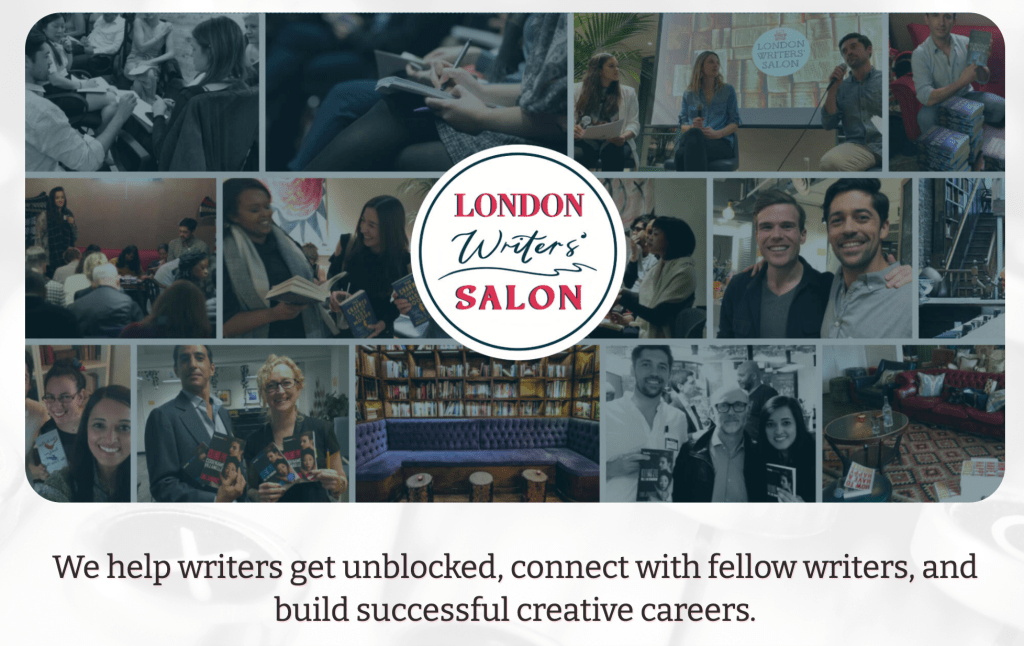
By connecting with other artists through these in-person and online MeetUp groups – and subsequently by joining other writers online in the London Writers Salon – I began to regain a sense of meaning and purpose outside of work, as well as developing new, healthier work–life rhythms based around my participation in these groups. I am indeed very grateful to my fellow creatives for reminding me of my true values, and for holding me accountable to fulfilling my other avenues of potential.

I found joining MeetUp groups to be a true lifeline during times of social isolation through working from home or being temporarily out of work

Engaging with these positive, supportive community-oriented social activities has helped to reorient my values and thereby improve my sense of self-esteem and self-acceptance. After all, “It is not good for man [woman] to be alone” (Gen. 2:18) – we are NOT machines; we are humans, and we do need human contact. Even if that contact is only online, as it has been during lockdowns, connecting with others is still vital to our senses of self, meaningfulness and value.

Having learned how vital such practices are to my own mental health, I continue to make time for these groups regardless of whether or not I am working. They have become a true lifeline. As a result, I have generally found that my mental health has actually thrived throughout the entire on-off Covid lockdowns – with a particular boon being that, having joined the online London Writers Salon group, I am now finally writing the novel I have always wanted to write.

So for me, having responded to that warning dream and chosen to become positively and creatively connected with others, the lockdowns have been quite a positive and productive time for me, with many new friendships acquired along the way. However, had I not already applied these practices, it would likely have been quite challenging.

So to all those who are still struggling with a sense of isolation, I urge you to find ways to connect positively with others, whether in person or online – of course online groups are not quite the same as being there in person, particularly for a physical activity such as dancing, but even joining an online music-listening group such as the online Co-Beat Party salsa DJ sessions or Salsa Lockdown Radio has helped me to maintain the sense of being energised through salsa-related social connection.

I have also frequently turned to nature for solace, which is often recommended for combatting mental health issues such as stress, anxiety, depression and loneliness. Even before lockdown forced most of us to stay at home and be limited to walking near our homes as our only option for exercise, I began going out for regular walks in the woods behind our home, exploring local parks and wild areas in an effort to connect to nature. In the absence of human company, this was often my main comfort, particularly when my sojourn was graced with interaction with a creature in the wild or other walkers with their dogs. A brief “hello” or superficial chat about the weather at least broke the monotony of whole days alone at a computer, and reminded me I was still a member of the human race.

I also often found that simply focusing on one small, beautiful thing in nature – for example, a bug, a bird, a beautiful tree or a single strikingly coloured leaf – and silently giving thanks for that single beautiful thing, always helped lift my spirits. My husband always says, “If you’ve had five minutes of a day that was good, you’ve had a good day” – and there were plenty of days where those fleeting moments of absorption in a beautiful leaf or bird were truly the only good five minutes of my day.

“My husband always says, ‘If you’ve had five minutes of a day that was good, you’ve had a good day’ – and there were plenty of days where those fleeting moments of absorption in a beautiful leaf or bird were truly the only good five minutes of my day.”

Over time, the simple daily act of walking in nature and finding one single thing to give thanks for became rooted in my being, and together with the other practices mentioned above, it meant my heavy fog of depression began to lift.

However, I have also realised there are times our minds simply need to rest, and that I should not fear ‘down’ times any more than the good times for this reason. Just as the seasons demonstrate how the Earth itself needs a time of ‘death’ and rest throughout the winter before it can return to the exuberant busy-ness of summer, so do we as humans need such times of rest – whether that is taking time out for reflection regularly on our own as above or having a forced rest such as redundancy, loss of a loved one, or a period of illness or even breakdown.

In truth, it is during such fallow ‘resting’ times that the deep work of renewal and restoration beneath the soil takes place. As the book of that great Biblical sufferer, Job, says, “There is hope for a tree. Even if it is cut down, it will sprout again, and its new shoots will not fail” (Job 14:7), so I have come to appreciate these times of rest or non-work as a gift from God and be grateful for them instead of endlessly striving against them, knowing that this ‘season’ will eventually change.

I also found that through thanking God in advance for work and the income I needed, verbalising and visualising it as already being provided even before I see the result, has been a powerful way to turn my anxiety and financial worries around. Speaking it out loud – even if only to a seemingly empty room or silent trees – also helped lift my spirits tremendously. Not only that, but it has always in the end brought results: usually after a few days or weeks of practising this, my situation would turn around and I would get a new commission.

However, if I ever get too cocky or imagine I can make it on my own without maintaining a humble, daily reliance on God, I usually end up right back on the ground with my face in the dirt until I remember to look up and restart that process of thanksgiving. As is often said, until we learn our lessons, we are usually doomed to repeat them – in my case, it may have taken several years, but now these practices are truly daily disciplines and effectively keep me grounded and always hopeful. Which is a heck of a lot better than the alternative, I can assure you!

MAIN TAKE-AWAYS

  • Find ways to get involved and interact positively with others, whether through helping out with a local charity or voluntary group, or by joining an online group with a creatively oriented social focus – it is infinitely more productive than wasting time scrolling on social media.
  • Cultivating an ‘attitude of gratitude’ – whatever your faith or belief system – will help you get through the dark times.
  • Take time out to meditate on nature – it can restore your faith when all seems lost, humans let you down or you simply feel overwhelmed by the stresses and strains of modern life.

1. What is mental health?

As anyone who has ever suffered from a temporary mental health issue or on-off mental health condition such as anxiety/panic attacks, depression, insomnia, seasonal affective disorder (SAD), grief, feelings of isolation/alienation or even suicidal thoughts – all of which I have suffered with in the course of my life – will tell you, despite the fact such things are very common, they are generally greatly misunderstood.

Quite often, sufferers are surrounded by well-meaning but impatient friends and relatives who expect them to simply ‘snap out of it’ or express annoyance at the sufferer. This is not only harsh, but can be virtually impossible – for example, no amount of well-meaning advice or ‘normal’ self-help remedies for sleeplessness (for example, counting sheep) – will work during periods of mental issue-induced insomnia.

Mental health issues often arise from a combination of various factors, some of which may be entirely externally imposed (such as the Covid crisis, economic crisis or the sudden loss of a loved one), or may in fact be physiological in origin – or example, a lack of sunlight and vitamin D, side-effects from a drug regimen or other dietary/physical health conditions. So, the causes and interlinked symptoms need to be looked at as a whole and treated in a complementary way, which is why, if affected by any of these issues or conditions, your first port of call should always be a visit to your general practitioner (GP).

There will always be some sufferers (frequently men, because of the long-term culture of denying or not owning up to any perceived weakness) who tend to brush off any experience of depression or any other temporary mental or emotional imbalance because of the social stigmas around it. Sadly, this generally has the effect of prolonging or worsening the affliction. This may be because of previous experiences of attempting to share about problems socially or with family, who might have responded unhelpfully – for example, by being too busy, not listening to or hearing the sharer’s words, tones or body language adequately, or even backing off out of fear of being triggered by the sufferer’s problems as a threat to their own wellbeing with any issue that is “too negative”.

Again, this then compounds the sufferer’s problems by adding a feeling of being rejected and/or excluded, making it harder to get help as they might conclude that either no one cares, or can or will help them.

If you or a loved one is facing this issue in the UK, and perhaps your/their suffering has become so bad you/they are despairing or tormented by suicidal thoughts, please call Samaritans on 116 123 or see the numbers on Support Line – both are confidential and the Samaritans phone line is manned 24/7. (Please see other resources listed on the NHS website.)

Another problem with social perceptions of sufferers’ issues is that this may arise out of mistaking a temporary issue or condition for a long-term, chronic mental illness – which it is not, as clarified below. Also, many people appear to be confused about what mental health actually is.

So first, what is mental health – and how is this different from mental health issues or illness?

How to categorise mental health issues, conditions/disorders and illnesses: the list is very long , but each are different– Photo: Shutterstock

Mental health vs mental health issues and illness – and the problem of stigmas

As Routledge said: “Currently, mental health is often viewed only as mental health issues, and is seen as a sign that we’re ‘broken’ and need ‘fixing’. It shouldn’t be this way. Mental health issues are an incredibly important part of the mental health conversation, but they aren’t the whole conversation. And working on our mental health shouldn’t be a sign that we need fixing, but about us growing as individuals in the ways and areas that we want to grow [in].”

So, first there is mental health – this concerns our minds as an integral part of our overall make-up as human beings, which comprises our bodies, souls (mind, will/heart and emotions) and spirits. Therefore, proper mental health or mind functioning is intimately related to the health of our bodies, souls and spirits.

As the wise writer of Proverbs said, “As a man [woman] thinketh in his [her] heart, so is he [her]” (Prov 23:7) – in other words, how you think will affect your actions, your health and your entire being/purpose in life – so if your thinking follows a pattern of, say, worry, and you don’t make a conscious (as in, mentally determined) choice to replace that mental pattern with healthier thinking, your temporary mental health issue can lead you to experience further or more lasting effects.

Second, there are mental health issues that occur temporarily when our minds become plagued by unhealthy, out of balance or ‘unsound’ thinking – for example, when we are dominated by a sense of failure, devastated by grief, when an inability to sleep distorts our ability to think clearly or sleep, or when we are temporarily ‘bent out of shape’ by financial or work worries. Or it could be that our minds have been so intently concentrated on something for so long that we eventually burn out, despair, ‘lose the plot’ or the will to live, and struggle to make what would normally be simple decisions.

Third, there are several mental health conditions or disorders that are habitual, on-off or persistent. Most of these have been written about and studied exhaustively so as to confirm their characteristics, providing a wealth of objectively identifiable medical or other assessments.

A very few examples of these (please see the extensive list provided by UK charity Mind) would include children displaying behaviours associated with attention deficit hyperactivity disorder (ADHD); the deep shock from the after-effects of a major trauma such as war, now labelled as post-traumatic stress disorder [PTSD]); or an annual depression caused by reduced amounts of sunlight during winter, referred to as seasonal affective disorder (SAD).

Many of these conditions are categorised as a disability since they can affect a person’s ability to behave or function normally, and may also have physical impacts, as our minds and bodies are intricately linked.

Lastly, there is mental illness – according to the gov.uk website, this is when a long-term (more than 12 months) mental health condition is a permanent, chronic or genetic disability – meaning a person is not able to hold a job or function as normal person in society, and their condition or disorder may not only be a danger to themselves, but to others. Among these, it lists dementia (Alzheimer’s), bipolar disorder (manic-depressive illness), obsessive-compulsive disorder (OCD), schizophrenia and depression. Please note, this more severe level of depression is often accompanied by psychotic elements (hallucinations, delusions or paranoia). Such conditions usually involve treatment with specific drug regimens, being hospitalised or treated in a psychiatric ward for periods of time (or as a permanent ‘solution’).

You may have heard the ‘joke’ version of some of these distinctions in Jerome Lawrence’s quote as: “A neurotic is a man who builds a castle in the air; a psychotic is a man who lives in it; and a psychiatrist is a man who collects the rent.” While we all know someone who we would describe as “neurotic” because they are constantly worried about things – often to an abnormal, seemingly ridiculous or unwarranted degree – a neurotic is someone who has a permanent inclination towards unreality, which is in fact a form of psychosis.

Otherwise, ‘neurosis’ is described as a mild mental illness not caused organically, with symptoms of stress, anxiety, depression, obsessive behaviour or hypochondria. Such conditions do not constitute a disability, as most sufferers are still able to function

normally and hold down a job.  I hope this has helped to clarify why, for example, a person who is suffering with depression should be understood and receive compassion and proper care, rather than being stigmatised by their family, friends and work colleagues – or even fellow Christians, as sadly happened to me when I suffered bouts of depression and/or insomnia due to work stresses and burnout (or alternatively, as a freelancer, being out of work for long periods), SAD or occasionally feeling isolated and lonely when freelancing from home for long periods.

Now that most people have been forced to experience some of that sense of isolation through Covid, I trust their capacity for sympathy (“to feel for”) or empathy (“to feel with”) for others has increased. Yet for those of us who have, through other circumstances – such as caring for a terminally ill family member or the social isolation of freelancing and working from home as a normal state of affairs – such mental health impacts have been a regular feature of our existence.

Yet, having learned valuable coping techniques and practices such as explained below, some of us have even flourished during the lockdowns, no doubt aided by the knowledge that others were likewise sharing their circumstances.

Just a few of the issues contributing to a plague of mental health issues today – Photo: Shutterstock

The prevalence of mental health issues

When it comes to depression, according to the US National Institute of Mental Health (NIMH), 16.2 million Americans (6.7% of the entire population) had at least one major depressive episode in 2016; the World Health Organization (WHO) estimates 280 million people worldwide suffer from depression, which is also seen as the world’s leading cause of disability.

Note, these statistics were largely done pre-Covid, where many more than that have suffered immensely due to the isolation and pressures of lockdown, including the additional health and financial worries and anxieties this brought. According to the medical journal The Lancet, during the widespread Covid lockdowns, “We estimated an additional 53.2 million (44.8–62.9) cases of major depressive disorder globally (an increase of 27.6% [25.1–30.3]) due to the Covid-19 pandemic, such that the total prevalence was 3152.9 cases (2722.5–3654.5) per 100 000 population.

“We also estimated an additional 76.2 million (64.3–90.6) cases of anxiety disorders globally (an increase of 25·6% [23.2–28]), such that the total prevalence was 4802.4 cases (4108.2–5588.6) per 100,000 population. Altogether, major depressive disorder caused 49.4 million (33.6–68.7) DALYs [disability-adjusted life years] and anxiety disorders caused 44.5 million (30.2–62.5) DALYs globally in 2020.”

To conclude, the main difference between mental health and mental health issues is that while mental health is indeed good and vital to our overall health and wellbeing, if we neglect to care for the health of our whole beings – including our minds – and fail to heed any warning signs or symptoms, our overall mental health can soon become a mental health issue. The good news is that, as with any other physical illness, any temporary mental health issues or longer-term condition can be rectified if caught soon and correctly diagnosed.

In my own experience – particularly as a long-term and very active social dancer / ex-professional salsa, etc dance teacher, which has benefitted me immensely by giving me youth-enhancing energy, but has also left me with numerous physical scars in the forms of feet, knee, hip and other physical injuries – I have unfortunately had to learn the hard way that if I fail to listen to the whispers in my body when I am overdoing it, I will only risk further and potentially more debilitating injuries.

The ‘black dog of depression’ is something I know all too well – Photo: Shutterstock

Therefore, I have had to learn how to pace myself, and to be aware of and stop when or if I feel any painful twinge. I only wish, with hindsight, I had been as quick to pace myself with work and other commitments in the same way, instead of overdoing it and ending up being either physically ill or mentally burnt out, both of which have at times left me prone to periods of the ‘black dog’ (a term for depression usually attributed to Winston Churchill).

While the simplest explanation for my own mental health issues was a prolonged lack of rest, there were also other factors that affected me – for one thing, after some 30+ years of living in England, where it gets dark at 3.30pm in winter, I know that particular SAD black dog very well – every autumn, I can feel him lingering outside my door, and hear his howling to be let in. Unsurprisingly, the lack of sunshine also contributes to physical symptoms, largely connected with vitamin D deficiency. [Note: if you like me suffer from SAD, a good aid to combatting this is a specially designed SAD light – a lamp that will help to reproduce the quality of diffuse morning light lost in winter. See here for lamps.]

So, if listening to our bodies is important for protecting our physical health, shouldn’t we also learn to ‘listen to’ what is going on in our minds to protect our mental health? If the ‘solution’ is really that simple, then why do so many people – according to Mind, one in four people experience a mental health issue of some kind each year in England – suffer poor mental health? And how has this become such a problem in our modern-day society, particularly within our work environments?

Let’s take a closer look.

Bust of Hippocrates, the father of modern medicine, in Amsterdam – Photo: Shutterstock

The mind-body-spirit connection vs machines: the brokenness of modern life

The truth is that the mind-body-emotions-spiritual ecosystem that forms the whole strata of our beings as humans is so intimately and dynamically connected that, like the complex network of roots beneath the ground of a tree that are connected underground to all of the other trees in a forest, if there is anything that is unsound, disturbed, unwell or out of balance in one sphere, it will by nature impact the entire structure, ultimately also affecting all the other trees in the forest.

As our minds, emotions, spirits and bodies are an integral part of our make-up, each must all be healthy in order for us to flourish and be whole, and thus be as successful and fulfilled as we are capable of being – the true goal and state of mental health.

One wonders why, if a holistic concept of the mind-body-soul-spirit connection as advocated by Hippocrates was such common knowledge to the ancient Greeks that a concept of the connectedness of the head and body would have been immediately understood by their audience, it is such a foreign concept to us now? Why do we persist in compartmentalising our lives so that we ignore or neglect some parts, only to find ourselves overwhelmed, under-soul-nourished and dangerously out of kilter?

It seems that in our endless quest for achievement, self-fulfilment and success, our lives are increasingly busy and frequently fractured – as per the German word zerrisendheit – ‘torn-to-pieces-hood’. Rather than seeking a whole-istic (holistic) approach to life, we have invented a whole slew of dichotomies and compartmentalisations that unbalance us and disturb our peace, mitigating against any wholeness or connectedness, and ultimately disrupting our mental health. No wonder the health and wellness industry – which emphasises the mind-body-spirit connection – is now worth over $4.5trn!

Although there are various theories about how and why this split occurred historically – and God knows, the worst culprit behind both relentless capitalism and workaholism is undoubtedly the Protestant work ethic and its tendency to make a god (idol) of work – these days we as humans are competing not only with each other, but also with machines.

An artificial intelligence (AI) robot: these days we are under increasing pressure to compete with machines – Photo: Shutterstock

We are under increasing and effectively dehumanising pressure to validate our worth to our employers by proving that our productivity is justified in economic terms. As a result, all too often we attempt to function like machines, which we are not – and never can be. Yet if even machines and computers need to be repaired and shut down for a time to be able to continue to function properly, so we also need to ‘shut down’, take time out to rest, reflect and recharge.

Some 11–12 years ago, I was working as a chief sub-editor and production manager for a B2B media start-up – a weekly international newspaper for the renewable energy industry, ironically – where, as a result of regularly working 16-hour in-house shifts in the City (an additional two-hour commute each way), I inevitably burned out. I remember once going outside for a cigarette break (I have joked for many years that if I didn’t smoke, I would never get a break) on a particularly frantic press day. When I looked at my smartphone and saw “Switch off’, I took it as a ‘word from God’ or warning I needed to do that.

Sadly, at that time I was so engrossed in resolving the ever-evolving tech issues and issues within my team that I neglected to heed that warning – and indeed had so neglected both my spiritual practices and my physical health that in the end I not only became mentally, emotionally and spiritually burnt out, but also temporarily lost the use of my right arm due to the beginnings of a repetitive strain injury (RSI)-like condition. I then experienced an overwhelming depression for several months, worried I would never be able to work again – or even to do the art and writing that I had long known was my true ‘calling’.

Some months later, my husband and I were travelling in France and could not find accommodation as all the hotels were booked for a conference. Suddenly, we noticed a sign for Taizé – an ecumenical Christian community I had long wished to visit. We ended up staying there for about a week, during which time I joined in several group discussions. At one point, a wonderful Albanian nun said: “We are not machines, and were never meant to work non-stop. God designed us for rest. That is why He created the Sabbath, and blessed it and called it holy – because we cannot truly be holy [or whole] if we do not rest.”

That was when the penny finally dropped that I was indeed trying too hard to function like a machine, and I had to accept I simply could not – and certainly should not – continue in such an unnatural manner.

Spending time in nature, focusing your mind on being in the present, ‘zooming out’ from your problems to get perspective – all are essential aspects of mindfulness – Photo: Shutterstock

Practising mindfulness: key to a healthy mind

I mentioned earlier the need to pay attention and learn to our bodies, and the need to do the same thing with our thoughts so that we can keep our minds in a healthy place. Slowing down from our hurried, frantic lives and being still and quiet enough so that we can listen objectively to the conversations in our minds is an essential discipline to ensure we do not get “bent out of shape” with fear or anxiety, burn out and “lose the plot”, or become engulfed in streams of negative or even suicidal thoughts. 

One of the best tools to ensure the proper functioning of our minds is the practice of mindfulness. As stated on the Mindful website, “Mindfulness is the basic human ability to be fully present, aware of where we are and what we are doing, and not overly reactive or overwhelmed by what’s going on around us.”

Mindfulness involves tuning out all of the distractions, worries or thoughts that can obsess or plague us from time to time and just focusing on the present. Some people do this by practising meditation, prayer or yoga, for example; others by actively focusing on the rhythms of their breathing. Others concentrate on the immediate physical sensations of a rhythmic or repetitive manual task – say, washing dishes or knitting, or engaging in a creative act such as making art or playing music.

Spending time in nature and listening to your breathing as you walk, simply studying the structure of a tree or leaf, or observing a bird in flight, is also a wonderful way to recover a sense of being fully present and alive to the immediate moment. Such practices of ‘zooming out’ from the world and all its problems and ‘zooming in’ on the present is an excellent way to experience calm, focus and mental clarity – it is similar to the experience of perspective we have when we climb a mountain and can see a whole city spread out below us.

I personally find it helpful to look up at the stars at night and meditate on the massive grandeur of the heavens, to ponder my own / the world’s ultimate insignificance in contrast to the cosmos. In the light of the vastness of space, my own puny problems or whatever else is going on around me or in the world suddenly appear ridiculous. It reminds me that the God who made the heavens is ultimately in control.

When I focus on that, I find it quite liberating to realise the truth of my position as a creature, ultimately created and ordered by the same God (or Intelligent Designer, if you prefer) who made the heavens as well as all the tiny creatures that live in the unseen places in the soil or the depths of the sea.

It is also reassuring to think of Jesus’s words: “Look at the birds of the birds of the air; they do not sow or reap or store away in barns, and yet your heavenly Father feeds them. Are you not much more valuable than they? And who of you by worrying can add a single hour to his life?”

So, if I take the time to zoom out from my problems, and just zoom in on my breathing or, say, a single tree or bird in nature, it will help me to gain a perspective and a distance from whatever problems are troubling me and causing me to lose my peace. I can then choose to give those problems to God and experience freedom and clarity by focusing on my current issues one by one or one step at a time, rather than becoming overwhelmed by them all or allowing my thinking to become unhealthily distorted.

MAIN TAKE-AWAYS:

  • Mental health is part of our entire make-up as a humans and is essential to our wellbeing.
  • Mental health issues, conditions or illnesses are not the whole story – positive mental health also includes our growth and development as people.
  • Even machines need time out to ‘shut down’ – so take time out to rest, reflect and recharge.
  • Listen to your internal conversations to observe any negative patterns, and choose positive ones.
  • Above all, learn to practise mindfulness by zooming in on the present moment. 

Mental health: A personal journey

Recently I attended a London Writers Salon-hosted online interview with entrepreneur and author James Routledge, founder of Sanctus – a start-up he set up due to the mental health issues he struggled with as a result of his first failed start-up, having found there was nothing in place to offer the help he needed.

I found myself relating deeply to all he was saying – including his identification of himself as a fellow ‘intense creative‘ on the Enneagram personality spectrum, since I am innately aware that being both intense and intensely creative comes with its own unique mental health challenges. Also, having had quite a bumpy ride with several start-ups, etc myself, which, along with the changes in my sector (journalism/media), the ups and downs of freelance life, and a few really bad bosses/work situations, these inevitably triggered my own mental health issues and eventual recovery. I too have struggled at times because of a lack of resources to deal with these, as well as an occasional sense of being stigmatised through others’ misunderstandings and ignorance.

After I posted a few comments in the Zoom chat window, several of my writing colleagues urged me to write about this – so here I am. As Routledge’s own writings, which led to his creation of the now wildly successful Sanctus, clearly struck a nerve, I hope my reflections as below will help those who may be dealing with similar issues, or who may simply want to have a better understanding of mental health.

However, as this is a massive topic, I cannot possibly cover it all – I have only written about various experiences and included helpful tools, links and key learnings from my own personal journey. I have also written with diverse audiences in mind, so you may just wish to read the most relevant section/topic or simply review the main take-aways at the end of each section.

I have split this into the following four themes, which will appear as separate blog posts in due course:

  1. What is mental health? – breaks down the differences between mental health, mental health conditions and mental illness, and discusses stigmas and why mental health problems are so prevalent today; refers to the practise of mindfulness;
  2. Mental health and work – focuses on the ups and downs of start-ups and freelance work – in my case, in media/journalism, with the switch to digital and other issues since the downturn –and dealing with bullying bosses and toxic teams;
  3. Mental health and creativity – shares my own story of being a blocked writer and artist and my journey towards recovery; how being blocked affects the mental health of creatives; tools for unblocking; and how even non-creatives can use the same practices and disciplines employed by artists, writers, musicians, etc to achieve their own positive mental health and life goals; and
  4. Mental health and faith – looks at the connections between spirituality and mental health, the theme of suffering, and how mental health and spiritual journeys are innately connected (please note, as I am a Christian, this is my personal point of reference, though I have alluded to learnings from other spiritual disciplines).

Please note, although my own experiences and observations are valid, balanced with research and recognised resources, I am NOT a doctor nor a healthcare professional – for proper help and guidance, please refer to the links embedded within the body of the article or in the resources section at the end.

Write-up on me as a featured writer with the London Writers Salon by Lauren McMenemy

I was very thrilled and grateful to be chosen as one of the featured writers in my online writing community, the international London Writers Salon group – see the interview written by fellow writer Lauren McMenemy below, herself an accomplished creative writer and copywriter/writer.

As I have mentioned previously, joining this group – and especially the Weekend Writers offshoot available to Silver patrons – has helped me to stay focused on writing my historical fiction novel all through lockdown, and even now with the new demands of a full-time editing job and things beginning to return to ‘normal’.

I am currently nearing the end of the first draft if chapter 12 / the first act of the novel, and have written at least 65,000 words – it is clearly turning into an epic! Because it takes in several geographies over a period of around 10 years, and features both imaginary and real historical persons, it is quite a labour of imagination and research – perfect for a fact-checking geek like me who is also an unabashed romantic!

It has been an ongoing process of research, writing, more research, more writing and revising as I discover new facts and work with a large canvas, all the while seeing a very rapidly changing and dynamic situation through the eyes of my chief characters – a young Dutch artist who is sent to early Edo era Japan in 1635 to become a silk merchant with the Dutch East India Company and the kabuki-trained Japanese courtesan who becomes his secret lover.

Amid the wealth of historical detail, I aim to keep the pace exciting and filled with lively characters, drama and action-packed sequences. At its heart, it is a culture-clash love story, an exploration of the first seeds of the multiculturalism we know today and how these very disparate cultures and peoples inspired each other, creating a rich fusion of artistic traditions. Watch this space!

Up Close With: Jane Cahane

Meet the wonderful writers and patrons behind LWS.

Lauren McMenemy

Lauren McMenemyOct 3·4 min read

Writer, journalist/editor, poet, visual artist, dancer and environmental activist: this week’s patron profilee wears many hats. As “une femme d’un certain age”, Jane Cahane has lots of experience in the writing world. She’s joined the Salon to get working on her novel, which focuses on a restless adventurer — just like Jane herself. We head just north of London to meet this Salonista.

Jane (Hurd) Cahane

  • Based in High Wycombe, Buckinghamshire, UK
  • “Je suis une femme d’un certain age”

What do you write, in general?

I’m a freelance journalist and copywriter/editor by trade; used to be a poet primarily, now focusing on fiction.

What are you working on right now?

I am currently writing a novel — historical fiction, with elements of worldview, romance and action/adventure. I also have a blog and write/pitch other articles as commissioned.

Where and when do you write?

I am a natural owl but have been waking early, so typically join the 8am UK Writers Hour session, sometimes the 1pm or 4pm (in the UK) sessions, and generally on the weekends, too. I usually use the morning session to do a half-hour of morning pages/journalling and then start work on the novel, which is good to continue with or return to later (work permitting).

How do you write?

I usually type directly onto my laptop; however, it is nice to switch to longhand occasionally. My journals are also full of stray dreams, ideas and conversations with myself regarding my novel — I’ve learned the hard way that if I wake up in the night with a brilliant idea, I won’t remember it in the morning unless I make myself get up and write it down!

Why do you write?

Apart from professional reasons — for example, to earn money — I would say my motivations for writing an article as a journalist or pursuing an investigation are very similar to my motivations as a novelist: it begins with a question, a ‘what if?’. That is what leads to research, more questions, and then ideas or threads start to appear, and you can then follow that line of questioning through your writing. Sometimes a character just appears to you almost fully formed — you can hear their voice and feel compelled to tell their story. When I was more fluent in poetry, I also often experienced that the lines also just came to me fully formed, but that was also about expressing something I feel in what I see or experience, even for a fleeting moment.

What inspires your creativity?

I’m an artist so visual images are very important, as are dreams and nature. As I’ve always been a bit of a restless adventurer, loving travel and exploring new ‘exotic’ things, I love the fact my novel’s main character is travelling to all these far-flung destinations that change him so profoundly. There’s definitely a lot of me in that.

Creativity for me is often about putting together seemingly incongruous things, people or situations — perhaps different art styles or genres — to see what new things can emerge from that process. It’s also about discovering solutions and seeing the impossible.

Exploring uncharted territories inspires restless adventurer Jane

What’s your favourite book?

The Bible; D’Aulaire’s Book of Greek Myths; Geoffrey of Monmouth’s History of the Kings of Britain. Poets: John Donne, Seamus Heaney, Dante.

What’s the best advice you’ve received about creativity?

It’s not advice, really — just the value of focusing on the process, of layering, as one does in art. Focusing on process rather than perfection is important. The journey is as important as the final destination, as it is a craft we are learning and perfecting as we go. I find that exceedingly liberating.

What’s the one thing you would tell other or aspiring writers?

Don’t be afraid to step out into unfamiliar territory. Life — and art — are an adventure of becoming. So enjoy the ride! And don’t quit.

How can we discover more about you and your work?

My blog (www.smallwriteratlarge.com) has examples of my professional and published work (some of which will turn up on a Google search of my name), as well as several articles and interviews I’ve written concerning a few of my other interests and passions (the environment, art, faith, dance, etc).

Here’s how we see Jane every day at Writers’ Hour

✍️ Write with Jane and hundreds of other writers each weekday at Writers’ Hour (it’s free).

Connect with fellow writers and build a successful, creative career with London Writers’ Salon.

Lauren McMenemy

Gothic/horror writer | Content marketer | Editorial leader | Creative coach | Pop culture junkie | Still figuring my shit out | wherelaurenwrites.comFollowLAUREN MCMENEMY FOLLOWS

See all (30)

6

In the Limelight: Casting director, salsa performer and teacher Magda Sobolewska

I first became aware of Magda Sobolewska’s amazing talent as a performer when I saw her dance a very memorable and dramatic tango based on a scene in Moulin Rouge. I later learned that as well as an international salsa teacher and performer, she has a dynamic career as a casting director for films — including one of my favourites, Loving Vincent — and runs her own successful casting company, Limelight People. Here she tells me of her exciting journey in both careers.

Magda is a very ambitious, hard-working, goal-driven, dedicated professional; it is clear her successes derive from those attributes. She first came to London from Poland after finishing university 24 years ago. Originally from a town some 200km south of Krakow, she studied marketing managing, which at the time was a very new thing in Poland. While she had several interviews for marketing roles in Poland, nothing happened. Then her dad suggested she come to London for a year to do some English classes. Although she didn’t really plan to stay in the UK, she now considers it her home. “I love London!” she says. “I love the fact you can do anything here – there are so many opportunities.”

While studying English in London, she met a hotel manager through some friends who invited her to work for the hotel. Eventually she was promoted to supervisor and then to manager, where she also worked in hospitality. Through this, she began working in the events industry, and found she really loved the buzz of organising events. She did some very big events, some of which involved even being in very close proximity to the Queen. “No, I didn’t meet her,” she laughs, “but I walked past her a few times!”

While working in the hotel industry, she got to know several film crews staying there. Some were doing big Bollywood productions, with many films being done back to back. When they were short of extras and materials for the shoots, she helped them out by sourcing extra people and props for the scenes. Through this, she got to know the owner of a modelling agency who was supplying the extras for the films, and who was very keen for her to work for him.

Magda on set with her crew of royal family lookalikes – but she also worked in the events industry, including events where the real Queen was present!

Later, after she became pregnant with her son, she got a job in the marketing department of a Polish newspaper and worked there for a while, but she found she preferred the buzz of working in events. When the modelling agency guy asked her to help him with work on a film, she agreed. As soon as she started working on the set, she realised “I can really do this!” and decided to commit to this.

Creating Limelight People

In 2008, she set up her own casting agency, Limelight People, initially working with an American business partner. The agency focuses on supplying a pool of supporting artists, dancers and extras from a range of styles and disciplines, as well as other specialist performers.

Since then, Limelight People has become a fantastic success, although setting it up was initially challenging, since “there are no university courses in casting for being a casting director – you just have to learn by working with another casting director”. Although it was a steep learning curve at first, she was very determined. She thought, “If I am going to do this, I want to do it properly!”

The timing of films means work is often highly pressurised: “When I am working, I hardly sleep – only three hours when the film is on. Because of the timing and budgets for films, you usually only have a very tight time frame in which to film, so you have to get everything right – and if the extras don’t turn up, you have to think fast to find a solution.” She quickly developed excellent trouble-shooting skills – for example, making sure she wouldn’t be left with only 250 people when 300 were needed for a scene.

Magda on set with a film crew filming on Westminster Bridge

The film industry is very much about connections, so it helped that she had already developed many of these in her early work. The first film she did after setting up Limelight People was a psychological horror film (Fired); the second film (Housefull) was a very big Indian comedy film production with 3,000 extras, and it was quite challenging as they didn’t yet have the technology in place to help organise everything.

But with the money they earned on that film, she and her business partner were able to hire a space in Shoreditch that could serve as both an office and a dance studio, which they had built inside it. “This was also around the time I started teaching salsa, so it was a happy coincidence,” she explains. In the few years they were in that studio, they did two seasons of the TV series Luther and did X-Men, as well as several other films and shows (see her full filmography credits here.)

At one point, she and her business partner Ana were approached to help produce and stream a live show for seven days a week. At that time, they were swapping shifts – in the morning, they were doing casting; in the afternoon, producing; and in the evening, she was teaching as well as raising her son, with all the challenges of being a working single mother. “Thankfully, my mum has also been here to help look after my son while I was working. Although things are a little less manic now, it is still a challenge juggling everything – but I really couldn’t stop doing either job because they are both my passion!”

Soon, she was asked to do casting for feature parts, starting with small one-liners and going up to more involved roles: “I wasn’t that keen to get involved in handling lead parts because of the level of contracts involved. I work on a lot of foreign films and organise the secondary casting (supporting actors, dancers, extras, etc) – some of those are for one scene or only for a couple of days. I also don’t really do stunt actors, because they usually bring their own team – working with stunt actors is very specialised.”

A master of versatility, Magda excels in both her passions, being a highly successful female entrepreneur and casting director as well as a gifted dance teacher and performer

Q: How do you ensure the people you hire are reliable?

“I have a database of actors, and from this I can work out how they will do. I go on the set and sometimes even do the casting while there, so I learn to know all the supporting artists by name, which is quite unusual in the industry. Through this, I show my interest and respect for the artists, so they respect me too because I treat them as a person not a number on the database.

“The film industry is very competitive, with more and more people getting into it. All the elements of the film are important –  if you get one element wrong, the whole film can suffer. During the whole time of the shooting, I hardly sleep – my phone is always on in case people are letting me know the night before if they got sick, so then I have to be available to work until I can get a replacement.”

Finding a replacement at short notice can be very challenging especially with period films, because the costumes have to fit a certain size – for example, with Loving Vincent, she had to find actors who looked like the people in Vincent van Gogh’s paintings. So that can add an extra layer of difficulty to the casting.

Poster for the extraordinary 2017 art-meets-life film ‘Loving Vincent’, which Magda had a key part in supplying extras for

Q: What have been the highest and the lowest points of the work so far?

“It’s always a buzz seeing every film I’ve worked on, especially to see that the artists I cast were a part of it. I love to see my people in the film and see how well they are doing. I also do my own research around the film themes and scenarios, reading the scripts to get the background, etc and to ensure the actors are a good fit for the film and are what the director wants.

“Last year, I did a film about cricket players called 83; it should be shown this year. It required 6,000 people. The work on the film from the beginning of the main casting to completing the shoot went on for nine months. The film was about the Cricket World Cup in the 1980s, so the cast had to have the looks and the skills, as well as availability. The film is called 83 and should be shown this year.

“It’s very challenging, but I love it – it’s such an adrenaline rush. On the first day I say, ‘I can’t wait till the last day’, but on the last day, I have a rest, and then the next day I am already looking for the next film. It’s the same adrenaline rush I had when I was doing events – there’s so much to do to organise it. And then after the event finishes you rest, and then you’re like, ‘What’s next?'”

Magda with her crew of dancers and extras on a set

Q: What advice do you have about getting into the film industry?

“You just have to keep trying to get into the industry. You have to do your research to know what films are shooting, and then get your foot in the door by starting as an assistant, being a shadow or a runner. It isn’t glamorous waking up at 4am, commuting to the site, doing a 12-hour shoot sometimes outdoors in bad weather, but that is all part of the job.

“Sometimes things go wrong – for example, I lost a booking sheet the day before and had no backup; you just have to find a way to make it fix it. Twice or thrice I almost quit, but I always persevered, and my producer helped me stay. I believe if someone offers you an opportunity, but you are not sure you can do it, you should say ‘yes’ and learn how to do it later. I tend to agree to things a lot not even though I don’t  know how I am going to do it, but I always find a way. I do a lot of research and ask a lot of questions.

“The perks of the job are that you get to work with some amazing people and see some amazing places that you normally wouldn’t have a chance to see. Seeing your name in the film credits is also great!”

Magda Sobolewska

The filming is usually in the UK, but she does travel a bit (France, Ireland, Scotland), and also sends actors abroad – including to India, as she’s still got a long-term connection with Bollywood. She has worked with all the big production companies in India, and laughs that she is probably better known there than in the UK.

She loves observing the whole project and getting involved in the project early because it does take time to get the whole film together, and she likes to get a feel of what the director wants. She casts extras a few weeks before the shoot once the scenes are all set up as they then have a better idea of what they need from the extras. “The casting process is really fascinating – there’s so many elements involved!”

Magda performing a tango dance routine on stage

Q: What about acting? Have you ever wanted to be in the limelight yourself?

“I have never really had a desire to be an actress – I love being behind the camera. The only time I would like to be in front of the camera is for dancing – for example, when I did Cuban Fury [for which she joined as a dancer]. I do have two acting credits though – for example, I played the mother of my son when he was cast in films.

“My dance performance experience is similar to my casting work, because when you are dancing on stage, you get into character – that is the bit of acting I enjoy.”

Q: So how did you get into dancing and teaching salsa professionally?

“Although I had done ballroom and musical theatre back in Poland, dancing wasn’t a priority for me when I first came to London. However, there was a dance company in the same building where I was working with the modelling agency, and the beginnings of a dance company at City Academy. After I became friends with them, I decided to check it out when they started teaching salsa classes there in 2007.

As soon as she had her first lesson in salsa, she was hooked. Soon she started assisting the teacher, Silvio, and within a year she was teaching her own classes. As Silvio was going away, and as she needed someone to teach with her, she met Dani K and in 2009, they started teaching together. They have now been teaching together for 12 years. Dani also encouraged her to learn to lead to help her develop as a dancer.

She has since learned a lot from other teachers – for example, she took part in Adolfo Indacochea and Tania Cannarsa’s student team in London, and honed her performance skills with Terry Allianz and Cecile Ovide. She started going to congresses and watching how teachers taught beginners. “This helped me a lot as I am now able to adapt myself to whoever I am teaching.”

In addition to teaching salsa, Magda is also Head of Partner Dance at London’t City Academy, where she teaches other partner dances such as Latin ballroom, swing and jive

Alongside teaching with Dani, Magda has been performing with Otra Danz since 2011, and is now a renowned and sought-after guest teacher at many international salsa festivals. She also became Head of Partnerwork (jive, swing, Latin ballroom, salsa, etc) classes for London’s City Academy. When she left Otra Danz in November 2019, it was to show her journey as a dancer. Cha cha is current love, and the project her heart is in.

For Magda, concentrating on the basics so she can teach everyone and explain how to do everything properly – all the mechanisms of the moves – is very important. She always tries to give her students something they can connect with, so it’s not just a mechanical thing but it becomes part of their soul, and they can feel the move as well as do it. “If you don’t have the soul when you’re dancing, then you are only half-dancing – you are just practising. To really dance, you have to have your technique and the feeling. Only when you have both together does it become dancing.”

But it was only when she found that connection in herself that she understood what to do to help others to learn. “I always try to give them something personal – just one small tip to help them to click – even when they are in a big group. It also is important to engage their minds. And when that happens – when they engage both the mind and the feelings – even those who only wanted to learn a few steps will start to see the possibilities of what they can do with it. And when they get hooked, it’s amazing!

It’s all about the smiles: Magda enjoys leading as a social dancer as much as a teacher, as here at the Teeside, UK salsa festival

Although she does have a rigorously perfectionist side, her goal is to ensure her students learn. “I love teaching – and now I have more patience and willingness to work with people personally to help them grow. I love seeing the smiles on the dancers’ faces when they start to get it and their movements improve.”

She also dances socially as a leader so people can see she practises what she preaches. Magda’s goal is to help followers know how to respond – not because they know what’s coming, but because they can feel the response – and teaches leaders what the follower needs to feel, too. Several leaders have said they’d never been taught those things.

Magda has since been offered to teaching of partnerwork classes as a solo female teacher at events and congresses – including Berlin – which she says felt like “a confirmation that I am doing the right thing”.

“Female teachers/dancers are a very important element in the salsa scene. Because it is a partner dance involving two dancers, a good female instructor can not only explain the follower’s steps, but what a follower should feel from the leader. They can also help the leader to improve the lead. For this reason, female instructors are so much more important to teaching salsa than just teaching ladies’ styling!” 

—Magda sobolewska
Magda teaching at the Luxembourg Unified Dance Festival

Q: So how have you managed in lockdown, both with casting and dance teaching?

“Being in lockdown has given me the time to think about what I want to do – I want to develop my own things, not in competition to City Academy but as a compliment to it. The cha cha is something I want to fully focus on, because I love it – I have started doing a Latin fusion thing for the ladies, with heel classes, combining the ballroom Latin thing with the salsa Latin thing. In ballroom, you’ve got the standard, and then you’ve got Latin American, whereas salsa is like the street version. So I want to combine some movements and techniques from ballroom Latin in what I teach.”

She is also interested in doing something specifically for ladies – especially older ladies, because it is difficult for them because they are often labelled and subjected to limits. She knows some older ladies are scared and don’t have the confidence to try, therefore she wants to try to reach those ladies and give them a second youth, to help them to feel young and happy again via dance.

“I got this idea from another friend in Poland, who was doing something similar. I believe this can be a good thing, a niche market. I used to teach elderly people in a community centre, and I recently taught a class of elderly people, even a lady who was 94 who joined in, and this gave her a lot of joy. So I believe dance can help you to keep your youth.” One of her challenges recently was teaching a deaf girl, by tapping the rhythm on the girl’s hands – and it gave the girl a lot of joy just being able to move.

Although some projects are still a work in progress, Magda’s confidence and determination are all the tools she needs to conquer the future

Being in lockdown gave her a lot – she bought a flat and has had a lot of time with her son. It has also meant she has had more time to work through her ideas for the future, which is still a work in progress.

Now that lockdown is easing and dance classes are resuming, so is her hectic filming schedule – so the time off has helped as she is now back to working 20-hour days. But, knowing Magda – who jokes that she has more energy than many people in their 20s, and is “like a prototype for a Duracell battery” – the demanding full-on schedule will surely see her thriving and truly in her element.

“I’m a fighter and an opportunist – I’m always looking for opportunities to create something new. If I have even the slightest chance to do something, I will do it. I approach everything with the attitude that I can at least try it – because if I don’t try it, I won’t know! Developing the confidence to try has given me the courage to look for opportunities and even create them.”

If you are interested in learning with Magda, you can see her full course and private session offerings on her website.

© Jane Cahane August 2021

Writing… about writing

It’s been a while since I have added any new post here – although part of the delay is that I have been awaiting corrections from an interviewee (Magda Sobolewska) to the article I wrote some time ago about her, the rest has just been simple busyness, which is about to become exponential – therefore, I will simply have to write in smaller bursts than I usually do!

It’s not that I haven’t been writing, because I have been, every day. Some of my writing has been paid copywriting for a range of products and various start-up companies; I also recently wrote another piece for The Vegan Review on the challenges of trying to adopt eco-friendly food choices when you have dietary issues, which I’ve just been requested to give an interview on, and am now having to fend off other requests for further articles or commissions on a freelance basis, being that I’ve also just started an actual full-time job (subbing on financial news website capital.com). Yet even with a never-ending supply of fresh inspirations, there is, I am finding, a limit to how much time I can physically manage either sitting at a computer or even writing by hand.

Most of my current writing is daily journalling or morning pages (this is a reference to a stellar work by Julia Cameron called The Artists’ Way, which if you have never read, I encourage you to do so – it is a wonderful tool for creative unblocking, whether as an artist or a writer, or really for any other creative work) as a précis to continued work on my current creative work-in-progress, an historical fiction novel set in 17th century Amsterdam and Japan (I am now in chapter 10, which I hope will be the end of Act 1 and ready to be sent out to a few willing beta readers [at 48,000+ words, this will be a long one, but I am really enjoying it… more about that shortly]).

Occasionally I still write poetry, which used to be my main form of writing expression from the time I was very young, when I was typically either known as ‘Jane the poet’ or ‘Jane the artist’. That lasted until my early 30s, until my first husband’s insistence on the need for rhyme in poetry (he was a musician) had the unfortunate effect of killing my natural poetic voice, which wrought a deep grief in me – I don’t find it at all surprising that in the absence of being able to express myself with words that I next took up dancing as a way of expressing myself. I have still written a few; the sudden drought of poetry hasn’t stopped me getting the odd poem published, but they are far rarer now than they used to be – I do hope that at some point the poetic muse will return, but at the moment I am at least pleased to be writing fiction fluently.

I am also still interviewing potential whistleblowers, collecting evidence and collaborating with others on a planned investigative exposé of all the different aspects of corruption behind HS2 as a follow-up to my previous shorter investigative article, which most readers of this blog and personal acquaintances will know I am quite passionate about.

I am certainly finding this to be true – no matter how many voices my characters or other tones of voice I use in my various forms of writing, they are all aspects of myself, and do allow me to be more fully who I am. Thank you, Alice Walker!

Yet no matter what type of writing (or even editing, which at times involves substantial writing or rewriting) I am doing, I am doing my utmost now simply to just get on and do it – this is actually a huge step for me, since I have already had a lifetime of being blocked through being a perfectionist (a wonderful skill for an editor/proofreader, but it can be a real curse to any creative writer or artist). So it is a massive improvement for me that I now just focus on the process of writing. Because of my other creative work as a visual artist, I realise that writing is quite a lot like drawing and painting, in that you usually have to do an underdrawing or sketch to map out the correct positioning and perspective, and then begin to add other aspects such as shading and tonal layering to add depth and dimension. Sometimes you have to rework the whole thing, or do several different sketches to get it right, or spend a lot of time exploring similar themes – as, for example, Degas did in his many paintings of ballerinas, or Monet’s variations on the themes of waterlilies.

You realise when you work creatively that your first efforts may not be perfect right away, but that if you continue to work diligently, you will get there eventually – the important thing is not to focus on the finished product or be discouraged if it is not perfect right away, but to persist and eventually see improvement. It is the only way!

“You don’t start out writing good stuff. You start out writing crap and thinking it’s good stuff, and then gradually you get better at it. That’s why I say one of the most valuable traits is persistence.”

– Octavia E. Butler


As well as learning so much daily in my own writing process, I also learn tremendously via exchanges with other writers around the world through my daily participation in the London Writers’ Salon‘s Writers’ Hour online writing sessions (and also the Weekend Writers subgroup, which is presently a real life-saver). In these daily “50 minutes of pure, focused writing” sessions, multiple writers of all styles and persuasions say hi in the Zoom chat window, then we set our intentions for the session, listen to or share some daily ‘words of wisdom’ from other writers, and then get down to the business of whatever we happen to be working on. Some are well-established, published novelists; some are jobbing copywriters, journalists, academicians and essayists; some are poets and short-story writers; some are bloggers; and several are newbie writers working on a first novel like me (well, I did write a full-length fantasy novella – a Narnia story – for my degree in English Literature and Creative Writing from Bard College in New York back in the 80s, but this is my first ‘serious’ novel attempt, and certainly my first attempt at writing historical fiction).

After the 50 minutes is up, we then report on our progress afterwards. I am always amazed at those who manage to write a 1,000 words or more in one session – my average is 400-450 – but you have to accept your own limits and not compare yourself with others. We are all running our own race, with our own end in sight – so even if I/we only manage to crawl a few inches per session, it is all progress towards our eventual goal. And this particular forum/writing group is always so encouraging – I am deeply grateful to Matt and Parul and ‘KK’ and all the other contributors to this group for providing an unfailingly encouraging writing environment – also to others like French poet and photographic artist Nicolas Laborie, who has provided me with so much help and inspiration for my novel, as well as guidance to other aspects of the different channels on the Slack forum we are able to access as patrons (although it is free to join London Writers’ Salon, becoming a silver patron for £15 a month enables access to the Slack chat as well as free talks with other writers every Tuesday, and a whole host of other benefits I have not fully explored yet).

Re my novel

In case you are wondering what made me take the leap to historical fiction, the answer is fairly simple: I thought about what I most like to read or watch as a film – and I suppose in my wildest dreams, yes I WOULD love to see my novel made into a film! – and that was that. I confess I did struggle a bit at the beginning with defining exactly which genre (and genre conventions) it would follow, especially being that at its heart, it is a love story, but it is also a world view story – and hopefully also a rollicking good adventure, at least in places (pirates! storms! sword fights! samurais! sexual attacks!).

Right or wrong, I am presently writing in the first person – and as my main protagonist is a young man, an artist sent against his will to work in the silk trade with the Dutch East India Company (or VOC), writing his first sexual encounter recently was certainly a unique challenge! – although I plan to introduce Act 2 from the perspective of his Japanese love interest, and perhaps intersperse their points of view(s) with that of a European and a Japanese observer – we’ll see.

As this novel is already quite long and there is still much more to uncover once my hero gets to Japan (he will eventually return to Amsterdam and then back to Japan again), it is possible it will end up being similar in length to James Clavell’s epic Shogun; I realise I may need to cut & refine it, which I will do at the second draft stage. At the moment I am mostly just focused on trying to get as much of the actual correct historical details (my real-life historical characters include Rembrandt, Hendrik Brouwer, Anthony van Diemen, Francois Caron, Joost Schouten, and Philips and Petronella Lucasz so far, to name a few) and plot structure + characters together as an outline, but I intend to go back to add depth to the characters while improving/fact-checking the language (some is Dutch, some Portuguese, some French, some Japanese and Balinese) and other historical details. It will take time to get it all write, but for now I am simply enjoying the adventure – both those of my character(s) and the sheer adventure of writing in a new genre.

The writing process for me – particularly for a historical novel, which just involves so much research – is very much like a cha cha: the rhythm is definitely a slow–slow–quick–quick–slow, as quite often I will need to spend time revising content I have already written. I do always make progress incrementally, but sometimes it is slower than others!

Meanwhile, as I now need to get on with the day job, I do have to say again that it is really thanks to the London Writers’ Salon that I have made as much progress as I have done so far with my novel – not to mention helping to keep me from going completely nuts during lockdown. Writing is generally a very solitary occupation, which is especially challenging for a natural extrovert like myself. In fact, I always fantasised when I was young about being in a salon, so the fact that this is part of its title makes it, ironically, a dream come true… and most certainly it has been one of the true gifts of lockdown.

Grief Trilogy / A Grief Shared

After a week marked by prolonged social media discussions on how to deal with climate grief, a close friend’s profound grief and despair due to losing her mother to Covid, and an extremely moving vigil to mourn the loss of a uniquely beautiful, much-beloved and irreplaceable site of ancient woodland, the below is a meditation on these various forms of grief — climate grief, personal grief, and solastalgia (loss of place, specifically Jones Hill Wood) — and how to work through it.

Jones Hill Wood: a very poignant solastalgia

I recently attended a vigil at Jones Hill Wood in Wendover, along with some 30–40 people — or perhaps there were more in the trees, or huddled in cars and tents. Sadly, even as we sang, shared poems, stories, verses and personal remembrances, the chainsaws could be heard felling in the background, greedily destroying this incredibly beautiful ancient woodland, described even by its Government-authorised ecocidal murderers as “a habitat of principal importance”.

For all who have ever visited this wood — the inspiration for beloved children’s author Roald Dahl’s Fantastic Mr Fox (the author lived in nearby Great Missenden, and one of the book’s principal characters is named Bunce, supposedly after farmer Kevin Bunce & Sons, on the edge of whose farm the wood sits) — Jones Hill Wood is a truly magical, irreplaceable site. For those of us who have been fighting long and hard to preserve it — even more so for the many who have been living here in the camp for over a year, as powerfully documented here — the beauty of this place has left a deep mark on our souls. The connection is so strong that its threatened loss leaves an overwhelming sense of grief and heartache — the kind of ‘homesickness’ now described as solastalgia, which is recognised as a key component of climate grief.   

Tragically, despite the endless hard work by a crack ecological team in recording evidence of the increasingly rare and threatened Barbastelle bat (Barbastella barbastellus), supposedly protected by law (the Wildlife and Countryside Act 1981, for one), our hard-fought legal case against Natural England — which only recently resulted in an injunction being granted by sympathetic judge Justice Lang to stop the felling until 24 May — was overturned by HS2 ally Justice Holgate. This meant HS2 would be allowed to resume their deadly work with immediate effect, nesting/roosting season notwithstanding.

And so we gathered to grieve the loss of this precious habitat, a “mix of semi-natural broadleaved woodland dominated by beech”, and also home to oaks, ash, rowans, elders, holly, hawthorn, cherry, bluebells, foxes, glis glis, badgers, nesting birds, Natterer’s and other bats, and many other precious flora and fauna. We sat in a loose circle on the ground, near the fence HS2 workers keep moving (that part of the land belongs to Mr Liberty; they are in fact stealing an extra 1.5–2 metres all around it supposedly for ‘mitigation’ [their idea is translocate the ancient soil, a concept that is rejected on principle by the Woodland Trust and other leading ecologists — and don’t get me started on HS2’s ‘ecologists’, whom I have only ever observed arriving at a site, poking a stick in a tree or bush, shaking it around and then departing]; in reality, this further unlawful land grab is merely so they can destroy yet more ancient woodland to make way for a temporary haul road). Each person who wished to do so took turns sharing, all holding flickering candles. Local resident and bodging expert Stuart placed a crucified Mr Fox on the fence as a gentle protest.

One woman began by reeling off a few of her poems, hard-hitting rhymes that resonated with all of us. I read out the words of Psalm 24, which had echoed upliftingly in my head after a previous despair-filled episode in this year-long battle with HS2 (the infamous ‘Battle of the Beancan’). Mark Keir shared the good news that at least one protestor’s case had been dropped. Val and Sylvia led us in a few gentle songs. Ghost read a history written by a World War II child evacuee of a local farm, the owners of which have since been evicted and the farm is soon to be destroyed by HS2. Jo placed a small cross on a temporary ‘grave’ made with a few feathers, twigs and stones, thanking many significant people – valiant local reporter Ann of Wendover, the team of volunteer ecologists tracking the bats, the helpful food suppliers, and all of us who cared enough to come, whether locally or from far away.

“But, take these several beings from their homes.
Each beauteous thing a withered thought becomes;
Association fades and like a dream
They are but shadows of the things they seem.
Torn from their homes and happiness they stand
The poor dull captives of a foreign land.“

John Clare

A visitor from Hemel shared memorably about how he had realised our spiritual energy never dies, but goes into something else. He said he had been pondering which animal he would want to come back as, but had finally concluded he would want to come back as a tree – “because then I would be giving oxygen to the world – and maybe some of you would climb up among my branches, and save me so I can keep on saving you”. Nearly last, but not least, legal warrior Kestrel stated that “until the last tree has been cut down, we will keep fighting”. That is indeed what all present have been doing fervently for a year or more, ever since the camp at Jones Hill Wood (JHW) was first erected.

Jones Hill Wood — credit Imogen May

And yet recent conversations reveal that responses to ecocidal grief and loss vary widely. Despite those of us who were present at this vigil – some, like me, local; others travelling for hours from all over the UK – frequently shouting out tirelessly for witnesses to come and share our grief, to assist us in honouring this magical wood before it is nearly completely destroyed, we encountered the usual excuses from many – “I can’t bear to see it – it makes me too upset”, “I’ve already done all I could”, “You can’t fight it, the system is totally corrupt”, “It’s a done deal, you’re wasting your time”, etc etc. I have lost much time and psychological energy this week contending with comments on social media from some who sadly chose to take my pleas for support and physical presence at JHW as an effort to make them feel guilty. This at times has felt deeply alienating, as what I had mostly hoped for was empathy. Grief of any kind is always so much harder to bear when those we think will support us don’t, for whatever reason. It makes the loss so much harder to shoulder.

But as I and several other vigil attenders commented, out of all the horror of this abysmal ecocide and the shattering loss of our legal battle to protect this ancient wood and its creatures, the very best thing to come out of it has been the sense of kinship, deep empathy, fondness and connection we have all felt towards each other in our shared grief and purpose.

I remember once hearing a saying that has stuck with me ever since, particularly whenever I have discovered a kindred spirit after feeling alienated because of my views or beliefs: A friend is someone who sees the same things you do. I may not otherwise have much in common with everyone present — we represent a wide range of creeds, colours, ages, tastes, education levels, skills, geographies and even nationalities — yet here in this wood, sharing this moment of grief together, we were all indeed one, and the same. As Jo said, “You’ve all become my family now.”

Climate despair: Suffer in silence or galvanise in action?

This image describes well the sense of being plunged deeply into the despair of climate grief and how it is hard to shift out of such heavy feelings to take action

Probably one of the most profound things about grief is that it is a deeply personal issue – and being that we are all unique, one-of-a-kind individuals, we all have different ways of processing and responding to it. When our friends or loved ones are overwhelmed by grief, sadness and loss, we have to allow them to go through the process of grieving (as outlined below) in their own way and time. All of our good or best intentions, or efforts to cheer them up, can never make the pain go away — and in some cases, it may even make it worse. Therefore, if we love them, we have no other option but to practise “the radical act of letting things hurt”. There can be no moral judgement or standard, one-size-fits-all timetable for how long it takes to work through grief — it is not something one can simply ‘snap out of’ just because someone else says we have to.

The differences and similarities in the processes of dealing with grief are very clearly seen when it comes to dealing with the topic of climate grief, the emotional toll of which is now finally being recognised as a genuine psychopathological illness. According to a 2016 report on climate change and mental health, “perhaps one of the best ways to characterise the impacts of climate change on perceptions is the sense of loss”.

As mentioned above, solastalgia is the fancy scientific name for the sense of abject desolation arising from the loss of a significant or emotively charged place (such as JHW) — it is a psychological phenomenon most keenly observed in those forced to leave their homes or familiar terrain as a result of disaster, for example war, persecution, genocide, pollution, drought, famine, floods, avalanches, rising sea levels, hurricanes, volcanic eruptions and deforestation. Alas, we now know this phenomenon will only increase and become even more pervasive the hotter the planet gets, the more unsustainable this Earth we call ‘home’ becomes.

Ever since climate change started making international headlines — perhaps beginning with Swedish teenager Greta Thunberg‘s decision to sit alone outside her school in August 2018 holding a placard announcing Skolstrejk för klimatet (‘School strike for climate’) in a concerted protest about global leaders’ refusal to address the looming climate catastrophe — the world has been deeply divided about how to respond to climate grief and anxiety. In just 16 months, Greta’s actions launched a global youth protest movement that inspired over 4 million people to join the global climate strike on 20 September 2019. She met the Pope and the US President (then the resolutely climate-sceptical Donald Trump), and also became Time‘s 2019 Person of the Year — pretty impressive results for a then-15-year-old girl with Asperger’s!

However, perhaps Greta’s most significant achievement has been her ability to give voice to the sense of rage, futility, despair and grief many of us now feel about the inevitable losses we will all soon experience as a result of climate change. “How dare you?” she thundered at world leaders gathered at a UN Assembly in September 2019, “You have stolen my dreams and my childhood with your empty words.” She fearlessly and blatantly accused them of failing to act, of fiddling while the entire planet burns: “Sorry, you’re not doing enough!”

Greta’s courageous activism has also helped give birth or fresh impetus to many radical environmental groups such as Extinction Rebellion (XR), whose catchphrase, ‘Love and Rage’, sums up the emotional status behind this global effort to impact corporate and political decision-makers to do more to combat climate change before it is truly too late. Motivated by a deep sense of alarm, rage and grief about the coming environmental apocalypse if sufficient measures are not taken to prevent temperatures rising above the pre-industrial level 1.5°C threshold, as outlined in the 2018 Intergovernmental Panel on Climate Change (IPCC) Special Report, XR has consistently demanded the formation of a Citizen’s Assembly that will enable climate-alarmed citizens to take action to avert disaster.

As with any large-scale, global movement of diverse human beings, there have been some disagreements and diverging paths within XR; it has now developed several sub-groups, of which HS2 Rebellion is but one*. However, XR officially espouses a welcoming, tolerant and non-shaming/blaming culture that seeks to balance occasionally provocative, militant and/or disruptive activism — such as the October 2019 Canning Town tube incident, which divided many members and is currently perceived by several of its leaders as misguided —with a loving, self-compassionate emphasis on regenerative culture (or ‘regen’) — practising deep levels of community, interpersonal and self-care in order to be able to recuperate from intense actions or long-term resistance, and thus become more resilient in the face of adversity and hostile reactions so as to be able to continue the fight.

While the effect of such divergent movements has perhaps been to lessen the unity and thus overall impact of XR — not least also significantly hampered by the Covid-19 lockdown, as well as UK Government moves to add limitations and restrictions to democratic rights to protest — there have also been simple, but occasionally marked, differences in the practices, tools and methods its diverse individuals have chosen as aids in processing climate grief. Some are perhaps more naturally inclined to direct or ‘aggressive’ political actions, whereas others prefer a gentler path of helping to heal the Earth through a range of nature-friendly efforts such as rewilding or other ecologically important and sustaining work. Others are more comfortable, skilled and effective in petitioning, lobbying — for example, attempting to persuade MPs to back the Climate and Ecological Emergency (CEE) Bill — or utilising social media in “armchair activism”.

Yet whether XR rebels are happily risking arrest by engaging in radical, potentially dangerous actions such as lock-ons and recently tunnelling under Euston Station to get their points across, or are patiently doing most of the time-consuming legal or political legwork behind a computer screen, the effect for all of any prolonged interfacing with the spectre of potential planetary annihilation is often severe burnout, coupled with an overwhelming and psychologically disabling feeling of climate despair. Aware of the capacity for this, XR set up an Emotional Support Network to help activists who are burned out or so climate grief-stricken they are unable to function. This resource, along with other regenerative practices such as simply spending more time enjoying and appreciating the very nature we are fearful of losing, is seen as the best ways for individuals to combat climate grief.

Along with our common mortality, another facet of being human is our need for social connection, even in the midst of overwhelming and often isolating grief. This very human need for connection is so deeply woven into the fabric of our psyches that even the most introverted or rugged individualists need that sense of connection to manifest somehow — for example, American naturalist Henry David Thoreau, influential author of classics Walden and Civil Disobedience, who spent nearly his whole life living alone in a cabin in the woods by himself, still emerged with books eager to impart his story to society and ultimately change it as a result.

Unsurprisingly, XR itself arose from a small group of activists, friends and academics who all saw the same thing — the climate and ecological emergency — and, led by Gail Bradbrook and Roger Hallam, decided to do something about it collectively. Although ideas for something similar had been around for a few years, in October 2018, they decided to spawn a movement that could help empower others to “be (part of) the change you want to see”, and so officially launched XR.

Spending time in nature — even just focusing on a single item, such as a beautiful flower or butterfly — can be an aid to combatting climate and other griefs

Yet some will still ask: Why act? If the world will all end soon, and we are all powerless to stop it, what is the point? Shouldn’t we all just stay in a place of grief, embrace what little time we have left doing the things we love with the people we love? And what about our need to take time simply to enjoy the beauty and glory of this precious yet fragile planet, while we still can?

Of course, this is all true — and, as XR’s experience and tenets testify, any programme of activism MUST be balanced with regen practices, which for those who experience profound climate grief should certainly include time spent in nature. As has been noted:

“We are only just beginning to understand the effect of nature on human health. One in six of the UK population suffers from depression, anxiety, stress phobias, suicidal impulses, obsessive-compulsive disorders and panic attacks” [not to mention addictions caused by over-reliance on various substance — food, alcohol, drugs, nicotine, sex, etc]. Treating such mental health issues cost the National Health Service £12.5bn, and the economy up to £41.8bn in dealing with the human costs of reduced quality of or loss of life. Yet studies show that time spent in nature [even for hospitalised patients who have a view of nature form their windows] has the power to alleviate most of the symptoms of these disorders.”

So, for those feeling overwhelmed with personal or climate grief or stressed by thoughts of a potentially uninhabitable planet for their children and grandchildren, time out in nature is essential.

However, beyond the ever-present need for regen, the general consensus among the climate-concerned/climate grief-stricken (see below) is that the best tonic for the sense of futility and the ever-present guilt of “not doing enough” is action — specifically local, political or community-based actions that have a clear focus and an immediately observable, beneficial effect on the environment. Whether this will also involve more radical behaviours such as smashing windows, stopping trains or living in a treehouse in a threatened woodland is entirely up to the will, personalities, and mental/physical abilities of the individual — clearly, such actions may not be suitable or acceptable for everyone.

The five stages of grief: personal and climate grief

University of Montana profession Steve W. Running, who was part of the 2007 Nobel Prize-winning team that put together the 2007 IPCC report, was the first to explain the stages of climate grief

For those who have either not yet made the leap from awareness of climate change to alarm to despair and then to activism — as per my own personal trajectory, and that of many other environmental warriors and XR members I know — the process of working through climate grief follows a very similar pattern to Swiss psychiatrist Elisabeth Kübler-Ross’s seminal 1969 work on grief, On Death and Dying.

Kübler-Ross’s outline of the five major stages of grief is now seen as a classic paradigm for counsellors seeking to help alleviate the depression and other mental health issues grievers experience. The received wisdom regarding these stages is that they tend to go in a cycle, and are not always linear — in fact, some may be repeated on and off as individuals process their grief. Some people experience all of the stages, occasionally simultaneously, while others may only experience a few — and some may experience none at all. However, as these are now accepted as fairly standard aspects of the grieving process, they are worth noting in any discussion of grief, as explained below.

I have summarised these and also made reference to the climate grief variation of this model, as first articulated by University of Montana professor Steve W. Running, who was a lead contributor to the Nobel Peace Prize-winning 2007 IPCC report.

1. denial — shock, fear, avoidance, confusion, elation

2. anger — frustration, irritation, anxiety

3. bargaining — struggling to find meaning, reaching out to others, telling one’s story

4. depression — overwhelmed, helplessness, hostility, flight

5. acceptance — exploring options, new plan in place, moving on

Denial

Shock and denial are initially helpful in that they help to cushion the blow when you have suffered a really painful loss, such as the unexpected death of a loved one. You experience a kind of numbness where you can’t believe what has happened and how it has irrevocably changed your life. Denial is essentially your psyche’s way of saying, “I can’t handle this now”. But as it is only once the bandages are removed that the healing process in your body will begin, the same is true of how your psyche heals from grief. As the shock and denial start to fade, the healing process can begin.

When this stage is interpreted in the climate grief version, this is reflected as complete denial of the existence or reality of climate change. People simply refuse to accept that it is happening or to recognise the impacts of manmade greenhouses on a warming climate, and instead blame any temperature rises on natural processes. While there are many types of climate change denier and climate conspiracy theorists, typically this is intertwined with the vested interests of the fossil fuel industry. For the most part, those who reject the idea that climate change is happening tend to do so because they are aware on some level that if it is true — as those of us now familiar with the science know it is — it will necessitate massive amounts of personal and systemic change. And we all know that change of any kind is a very scary proposition for many, hence the resistance to the truth.

Anger

After the initial shock and denial subsides, suppressed emotions begin to arise — with angry thoughts being a predominant feature: Why me? It’s so unfair! Where are you God! How could you let this happen? In the midst of their confusion and distress, grievers often misdirect blame onto others to avoid experiencing the painful sense of helplessness and frustration at not having been able to stop the loss. Yet while anger is not always healthy, the anger connected with grief is actually a vital part of the healing process. Giving voice to feelings of rage helps channel the griever’s awakened energies into making the painful but necessary changes that will ultimately help the griever move forward.

Anger is also an extremely significant aspect of the climate grief cycle. Once it becomes undeniably evident that climate change is indeed happening —far faster and with far more devastating consequences than any single country or group of leaders is presently prepared to deal with —sheer, incandescent rage is typically the first emotion most people feel as the veil of denial lifts and acceptance occurs. Greta Thunberg’s incensed “How dare you!” echoes exactly the feelings of everyone who has suddenly woken up to the fact that all the dire scientific warnings and climate change models — many of which have actually been around since the 1970s, with varying degrees of accuracy — have been steadfastly ignored, hidden or covered up by world leaders and a heavily fossil fuel-dependent society. It is often this anger that prompts people to join activist groups such as XR (perhaps quite logical, then, that its catchphrase is ‘Love & Rage’).

Bargaining

The next classic stage of grief is bargaining. This often manifests as an attempt to ‘make a deal with God’: Please God, if you can only do just this one miracle, I promise to be a good/better person forever. You falsely believe that by negotiating, by offering to make some major sacrifice or commitment, it will enable you to get your life ‘back to normal’ (eg before the event that caused the grief) or forestall the grief in some way.

Most of this bargaining is fed and empowered by guilt, and attended by endless ‘if onlys’: If only I had done x, y wouldn’t have happened. My loved one might still be here today if only I had been there to get him/her to the hospital in time. If only I had not gone back to get my keys, the accident would never have happened. If only I had listened to my instincts and got him to see a doctor sooner. If only I had left work on time, I might have been able to save her. The list goes on. And on. Depending on their personality, cultural background and personal capacity for guilt or ‘navel-gazing’, some grievers can get stuck in this stage for a long time.

For those who began their journey from a place of climate change denialism and have now (technically) accepted it as a reality, the bargaining stage tends to take some form of reasoning that perhaps it is not really quite as bad as scientists predict. The bargainer will likely attempt to put a positive spin on such predictions by asserting that, for example, the warming of normally frozen locations might be good in that it will open up new places (Antarctica, for example) to tourism or human habitation. Or they may place their hopes in their political leaders’ commitment to achieving net-zero carbon-neutrality targets by 2050, or in other greenhouse gas-reducing solutions such as renewable energy technologies.  

This image on Pinterest describes that heavy sense of depression that is the most common symptom of grief

Depression

The penultimate stage is the most common, immediate and well-recognised form of grief. Those who have suffered a profound loss of any kind may speak of having their hearts broken, of feeling they are no longer able to go on, of feeling life no longer holds any joy or meaning for them, of being unable to stop crying, or of feeling overwhelmed by a sense of hopelessness, but not wishing to talk about it. They may feel as though a heavy fog has descended on them, and they may not wish to get out of bed or attend any normal activities, but instead seek to withdraw from others.

Although depression usually has the effect of flattening one’s mood, it can also manifest in many ‘hidden’ ways, such as a seemingly out-of-character or unnatural elation. Sufferers may seem agitated, extremely anxious or fearful, or physically affected such that they are no longer able to eat, sleep or work. The simplest tasks seemingly become impossible. Often, suddenly bereaved wives or husbands may not live long after their partner’s death, whether through desire to be reunited with their loved one in the hereafter or a simple loss of the will to live.

At this point, some may try to alleviate these unbearably painful feelings by turning to drink, drugs, sex or other addictive substances or behaviours, which only work as a mask in the short run, delaying or preventing the person from dealing with or moving on from their actual grief. In some cases, the secondary problems arising from reliance on these methods can take over, causing far more severe long-term issues such as complete mental or marital breakdown, job or home loss, physical injury or illness, or even death.

In fact, it is probable that depression is a constant throughout the grieving process; even when moving forward to the final stage, a sudden memory or reminder of the loss can trigger fresh feelings of depression or sadness.

The depression stage of climate grief will plunge some into a state of despair, alternating with panic about the inevitable and irretrievable doom of the planet. They often feel overwhelmed and bewildered by what seems an impossible situation, and find themselves unable to think clearly about or act to find any potential solution. However, even if they reach this state, they will eventually realise that it is simply impossible to live here forever — they must stir themselves to take some kind of action, however small, to feel satisfied they are at least ‘doing their bit’ to fight the situation. Doing so is a step forward, as it is effectively empowering them for the next step.

Acceptance

In Kübler-Ross’s final stage, the griever eventually works through the gamut of their feelings and begins to move into acceptance of the loss. While never admitting the loss as okay in itself, they begin to realise that life does go on, and so must they. They feel that despite the not-okay-ness of the loss, they themselves will eventually be okay — and they accept that that is what the person or thing lost would wish for them.

This time of adjustment will be marked by many ups and downs, by good days and bad days. Sometimes the sadness will flood them anew with fresh feelings of pain, but it will eventually lift. During this stage, people may find new friends or activities that, while never replacing the loss, will help provide a fresh focus and impetus to get on with the business of life. This process can eventually lead to a new direction or new purpose, for example remarriage or rebuilding one’s life in a new setting.

Those who have accepted the scientific reality of climate change and the present ecological emergency, and have begun to move forward from a place of climate grief and despair, generally recognise that they will need to make some necessary and radical changes to their own lifestyles. Frequently, having begun this process, they also seek to help and educate others, often by advocating for change through personal, local national or international policies or the political arena. They may become active in championing new technologies or even resuming ancient practices that seem to offer viable solutions, for example rewilding as a tactic to reduce biodiversity loss by the reintroduction into uninhabited landscapes of specific species such as bison, wolves or beavers.

For those at this stage, the only ‘solution’ that is non-viable is not doing anything — for them, inaction is simply unacceptable. As such, this final stage of activism, when balanced with understanding others who have not yet reached this place, acts like a resolution to the famous existential dilemma of ‘doing’ versus ‘being’: in this case, to be IS to do, and to do IS to be.

‘We’re only human’

Alas, the very fact we are human means we are mortal — we all, at some point, will die. So, too, will everything in this present world. Even if we had succeeded in preserving the injunction against HS2 — or even yet win a further appeal, as the legal team are still working on it — the trees and creatures we gathered at Jones Hill Wood to honour will not last; they are made of the same perishable materials we ourselves are. Ashes to ashes, dust to dust, atoms to atoms, Et in Arcadia ego. Yet it is the very fleeting essence, fragility and transitoriness of life is what gives it its greatest beauty and poignancy — like butterflies who hatch and spread their gorgeous wings but briefly, only to spawn eggs and then die within days, weeks, months or a year at best.  

For those who believe in the resurrection as I do, who are persuaded that there is another life beyond this ‘veil of tears’, there is some consolation in knowing that death is not the final story, that indeed, “There is hope for a tree; though it is cut down, it will sprout again, and its new shoots will not fail” (Job 14:7). Yet even knowing that spiritually or intellectually doesn’t always immediately lift the deep sense of loss and distress we feel when something or someone we have loved and invested so much hope, tears and fervent prayers in saving leaves us alone finally and is with us no more.

“For there is hope for a tree; though it is cut down, it will sprout again, and its new shoots will not fail.”

Job 14:17

Personally, I am deeply grieved by every single evidence of roadkill; it literally breaks my heart every time I drive past a dead bird, badger, deer or squirrel on the side of the road. While it is comforting to know Jesus said, “Not even a single sparrow falls to the ground without your Father knowing about it” (Matthew 10:29), it is less comforting to consider all the human injustice and corruption behind the destruction of our natural world, which is seemingly ‘allowed’ by God — not to mention the sense of betrayal occasionally felt because of unanswered prayers or unsympathetic humans. I have prayed fervently every day for HS2 to be stopped, for some kind of miraculous reprieve to save Jones Hill Wood; in this case, we nearly thought we had succeeded in stopping it, so the blow of the legal reversal and the imminent destruction of the wood feels incredibly disappointing.  

Yet here we are, still fighting, still hoping, still praying. As Kestrel had said, “Until the very last tree is cut down, we will keep fighting.” For as the grief model we have looked at tells us, this is really the only way forward for such a profound place of grief.

© Jane Cahane 2021

*As a movement largely populated by either relatively well-off youths inspired by Greta or older activists often characterised as ‘aging hippies’ — many of whom have continued protesting various ecological, humanitarian and military causes since as far back as the late 1970s — XR has sometimes been criticised as being “too white”. Following the horrific, racist-inspired murder of black hip-hop artist George Floyd at the hands of Minneapolis police in May 2020, XR began to embrace the Black Lives Matter movement in addition to the vegan movement now under Animal Rebellion, another XR division.

Someone in my writing group this morning shared this powerful poem by Maya Angelou – so sharing here:

When Great Trees Fall

When great trees fall,
rocks on distant hills shudder,
lions hunker down
in tall grasses,
and even elephants
lumber after safety.
When great trees fall
in forests,
small things recoil into silence,
their senses
eroded beyond fear.
When great souls die,
the air around us becomes
light, rare, sterile.
We breathe, briefly.
Our eyes, briefly,
see with
a hurtful clarity.
Our memory, suddenly sharpened,
examines,
gnaws on kind words
unsaid,
promised walks
never taken.
Great souls die and
our reality, bound to
them, takes leave of us.
Our souls,
dependent upon their
nurture,
now shrink, wizened.
Our minds, formed
and informed by their
radiance, fall away.
We are not so much maddened
as reduced to the unutterable ignorance of
dark, cold
caves.
And when great souls die,
after a period peace blooms,
slowly and always
irregularly. Spaces fill
with a kind of
soothing electric vibration.
Our senses, restored, never
to be the same, whisper to us.
They existed. They existed.
We can be. Be and be
better. For they existed.

Survival of the Wit-est? How Dance Competitions are Adapting for Covid

In this time of global social distancing and virtual everything, how are global dance competitions surviving? Here I review some of the challenges and opportunities

Ever since the Covid-19 pandemic struck in March 2020, dance — that most physical form of creative expression — has been one of the hardest-hit creative industries, affecting performers, choreographers, teachers and promoters everywhere. Nowhere has this been more painfully seen than in the usually lucrative sphere of national and international dance competitions.

The traditional model of live events featuring scores of individual and group dancers in glittering venues packed with adoring fans and anxious families across multiple cities is now simply a no-go zone. Hundreds of events have been forced to cancel or shut down, resulting in massive financial loss or even bankruptcy as managers have had no option but to issue refunds. Some hoped to forestall financial troubles by offering partial refunds based on a future rescheduled event, yet even planning when and how to reschedule has proved a logistical nightmare, since no one knows how and when the pandemic restrictions will end, and physical competitions can safely resume.

Most competitions have attempted to adapt by adjusting live competition formats or by offering online versions — some more successfully than others. However, if — God forbid! — the pandemic continues to keep us all in a virtual limbo, it will ultimately serve the global dance community to use this time to discover what does or doesn’t work.

With that in mind, here are some of the more notable competition successes and failures, along with a few current online competitions whose unique approaches may offer fresh inspiration.

TV hits and misses

Amid initial speculation of a reschedule of NBC’s popular World of Dance Championship Series, Executive Producer Jennifer Lopez initially issued a statement announcing that the show would be “postponing or changing the dates of all domestic and international events based on the Centers for Disease Control recommendations and restrictions”, noting it is an “ever-changing situation”.

However, as of March 2021, World of Dance was firmly cancelled, blamed on reduced ratings and lack of a crucial viewing demographic following the final August 2020 show from Season 4. Although that show’s format was adapted significantly to accommodate Covid-19 restrictions, introducing new items like a “Blind Battle,” a “Callback Vote” and a “Qualifier Twist” in an effort to replace the missing live audience energy, it failed to fire viewers sufficiently to justify the show’s lavish production expenses and the whopping $1 million prize money.

As Lopez told Variety in an interview, “We were trying our very best to make it what it should have been for those people who fought so hard to get there… [but it was hard] without an audience cheering them on.” Co-judge Derek Hough had previously told the magazine, “It did feel a little weird in the ballroom”; while he had hoped “the magic of television to create that energy with pyros and sound effects” would still be able to “capture the energy”, it clearly wasn’t enough for viewers.

Likewise, So You Think You Can Dance? made headlines recently as the Fox TV favourite’s Summer 2021 season was also abruptly cancelled — a double letdown as it was hoped this year’s show would go ahead after the Summer 2020 cancellation. As Fox producers explained in a statement, “In response to the COVID-19 pandemic… we cannot meet the standards we’ve set for viewers and contestants in light of the show’s unique format, intricate production schedule and limited time.”

While other popular TV dance competition shows such as Dancing with the Stars and The Masked Dancer — which usefully featured its own creative version of face masks — did go ahead, one of the reasons So You Think You Can Dance was unable to proceed is that it has a strictly public audition process, which is impossible under the current government guidelines. This has also been a challenge for many other national and international dance competitions that rely on public auditions and audience reactions to help choose and eliminate contestants.

As for Strictly Come Dancing, the UK’s ever-popular version of Dancing with the Stars, despite reducing the show’s usual run of 13 episodes to nine, the 2020 season remained a huge hit as viewers flocked to their sets to receive the much-needed escapism the show reliably delivered. Clearly, the UK show’s tried-and-tested formula of celebrity contestants paired off with pro dancers is a winning theme even Covid can’t kill. As BBC Executive Producer Sarah James commented, “The passion and dedication for Strictly shone through more than ever last year as they all sacrificed so much to deliver an unforgettable series during unprecedented and challenging times.”

So, for TV competitions, it seems simply adding new variations on routines or relying on special effects doesn’t always guarantee the wow factor in these challenged times. There clearly must be something intrinsic to the content or format itself that makes the competitions work – and if that all-important je ne sais quoi can’t be a live show and audience, what elements are certain to deliver?

Salsa competitions — but not as we’ve known them

Thankfully, as those of us in the global salsa community know, the energy and fire of the best salsa shows can never be completely diminished by being a virtual-only offering — that at least eliminates one element of the risks of hosting competitions. Yet in a scene bursting with multi-talented, passionate solo, couple and group dancers, the main challenge for salsa and other dance competitions and contestants in transitioning to online is how to make these truly stand out.

Having made the move to virtual this year and partnered with Romania’s Fantastic Art Dance Company, World Dance Movement’s international virtual dance competition is highlighting the all-important aspect of having a stellar judging panel on board, giving aspiring contestants the extra incentive of an opportunity to showcase their skills in front of renowned celebrity judges for prizes including prestigious scholarships and contracts on Royal Caribbean cruise ships. The celebrity judges providing crucial feedback include Brian Friedman, Tiler Peck, Medhi Walerski, Tricia Miranda, Bill Goodson, Dusty Button, Kat Wildish, Joshua Pelatzky, Assaf, Peter Oxford, Claudia Cavalli, Vito Cassano, Jessica Franco, Karine Newborn, Phineas Newborn III, Emily Bufferd, Ginger Cox, Damiano Bisozzi, Ashley Carter and a surprise guest judge.

With 25 participating countries and over 200 categories in styles including bachata, salsa, samba, tango, mambo and urbana, the renowned World Latin Dance Cup took the bold step to host a month-long, virtual-only competition in February 2021, with the final qualifying competition taking place in April 2021. The virtual show didn’t disappoint in terms of sheer dazzlement of the performances, but apart from their Instagram clips, the competition can only be accessed by using the Settle app, which may have limited some audiences.

Although World Dance Group’s World Salsa Championship’s 2020 event for ESPN-TV was cancelled due to Covid, it was relaunched as a virtual-only event in Puerto Rico with the $2,020 prize money still on offer. One of its specific emphases was on looking for the “most liked dance video of 2020” in a nod to the power of social media to influence popularity and dancer recognition, which WDG CEO Noel Roque said in a blog is an essential tool for dancers who wish to build a ‘brand’ and public awareness of their skills and personalities, as well as to monetise their offerings.

Fired specifically by the challenges of pandemic-required virtual competitions, the latest global salsa and Latin dance competition to arise is Agozar’s Like My Dance. With the stated aim of “locating the most creative and innovative salsa dancers for the television and movie industry”, this competition has added a new dimension to the online dance competition format by inviting contestants to “go beyond their wildest dreams” by utilising video special effects, with the videography skills themselves featuring as an element of the judging. The competition on 12 June (final results on 19 June 2021) will be accessed both via the Like My Dance website and social media channels Facebook, Instagram, YouTube and TikTok. Offering a first prize of 1,000 euros from sponsors Agozar, Burju Shoes, All Out Salsa, CoBeat Party, Salsa Y Control, Planet Salsa, V Dance Club and Fuego Shoes, it will be judged across multiple areas including musicality, timing, chemistry, technique and choreography by world-renowned salsa performers and teachers Nelson Flores, Magna Gopal, Steve Star Mambo TV, Ismael Otero, Rodrigo Cortez, Paula & Ricardo, Osbanis & Anneta and Cecile Ovide.

Elsewhere around the globe, other initiatives are striving to keep contestants motivated and signing up to compete by adding new enticements to the competition programmes. The Canada Salsa and Bachata Congress has launched a Choreography Contest that is levelling the competitive playing field by offering all dancers an opportunity to create a winning choreo with a prize of C$400 to a brand-new, nationally themed song, “A Bailar Canada”. The track was specifically created for the contest by legendary Latin musicians Marc Quinones and Tony Succar.

Meanwhile, Down Under, Doudoule Latin Dance Camp has launched a Dance Battle Australia 101 competition via Facebook. Seeking to provide a platform for salsa dancers to “take their dancing to new heights”, the event offers dancers an opportunity to improve their musicality, improvisation, creativity, performance confidence and dance ability through battling it out with other dancers for an AU $5,000 prize.

A virtual future?

As in everything with the pandemic, it is hard at this stage to say what the future will hold, and when – and how, and where — competition events will be able to return to “normal”. For those studios and dance teachers struggling to make ends meet or adapt to the medium of online teaching — as well as for the millions of dancers whose ability to experience their chief joy in life has been challenged — getting back to the true physical sphere of dance can’t come fast enough. And yet for those whose creativity has been stretched and resulted in the emergence of brand-new approaches, the challenges of Covid have also brought many blessings and valuable lessons.

As World Salsa Championship’s Noel Roque reminds us in his blog, pandemic or no, we are already half-living in a virtual world, with most of our connections — even in dance — dominated by social media. Therefore, whatever the future has in store for all of us, for those dancers and competitions that wish not only to survive but to thrive, it will require not only reappraising the tried-and-tested formulas that are guaranteed crowd-pleasers, but also the wit and imaginative ability to create new formats, new channels and new methods for self-expression within the limits of a virtual-only space.

Beyond that, the challenge for both international competitions and the dancers who lead, judge and compete in them is how best to use social media and other tools to create memorable experiences and build a brand and platform. So here’s to all those channels that are presently earning their worth in cyberspace by keeping the competitive spirit alive and well!

© Jane Cahane April 2021

Deforestation and Flooding

Deforestation – the intentional eradication of trees by felling to clear land of forested areas to make way for other human-created uses (eg houses, buildings, runways, motorways, tunnels, trains and agricultural) – is a major contributor to climate change in general, and to flooding in particular.

Between 1990 and 2016 alone, the Earth lost a staggering 1.3 million square kilometres (502,000 square miles) of forests, according to figures from the World Bank. Since humans first began cutting down forests, 46% of the Earth’s total trees have been felled. Woodland comprises less than a third of the Earth’s surface (30%), but this is disappearing fast as a result of deforestation – in the past 50 years alone, at least 17% of all rainforest has gone as a result of intensive tree felling, with the past 12 years alone accounting for record highs of deforestation in the Amazon.

A significant factor is also the types of trees needed, and why. Although some have argued there have in fact been recent gains in total global tree canopy due to melting polar regions and the growth of man-made forests through timber plantations, mature palm oil plantations, and zealous tree-planting programmes in China and other countries, man-made forests can never compensate for the loss of primary forest – specifically primary tropical forests and savannahs, which host a wealth of unique flora, fauna and vital ecosystems that are irreparably lost when the land is cleared.  

Tropical forests, such as those found in the Congo and Amazon river basins and Indonesia, are particularly critical to life on Earth as they are store the most carbon and are the most richly biodiverse regions on the planet, with some 90% of all species on Earth. Tropical forests are also home to many hardwood tree species that have no dormant period, and as such are vital to regulating the Earth’s atmosphere.

Amazonian rainforest fire in Brazil’s indigenous territory in 2017 (Source: Wikipedia/Creative Commons)

The UK is one of the least-forested (13%) nations in Europe (the total landmass of Europe is covered by 37% woodland), thanks to historic felling by the Romans and other invading peoples to clear land for roads and agriculture; further stripping of woodlands to provide ships during the height of Britain’s colonial and naval supremacy, and during the Second World War; and subsequent relentless felling for agriculture and building – including the current felling and irreparable destruction of 108 ancient woodlands to make way for the highly contentious high-speed railway (HS2) project, which some have referred to as ‘Britain’s Amazon’. Of this, most of the UK’s trees are in Wales and Scotland, with only 6.5% tree cover in Northern Ireland and 9.9% in England.

There are many impacts this substantial loss of tree canopy and forest cover will have on our planet if allowed to continue, not only because of their essential link to climate change and biodiversity loss, but because trees are also a vital deterrent to other ravages of a dramatically changing, overheated and destabilised climate, such as sea-level rise, water scarcity, drought and flooding. In this article, we will focus particularly on how deforestation contributes to flooding, both in the wider global picture and within the UK.

Deforestation and climate change

Deforestation accounts for 8% of the world’s greenhouse gas emissions – to put this into a proportional geographic context, this comes third below all of the emissions currently produced by the US and China.

Forests serve as the Earth’s temperature regulator and pollution filter. They not only provide shade, material for building and food for creatures including man, but they also act as a vital ‘carbon sink’, meaning they absorb carbon dioxide and monoxide molecules from the air and lock them in, re-releasing them as oxygen through the process known as photosynthesis. Thus, they are effectively nature’s air-conditioning units and weather regulators, as they recycle water, which then forms clouds and later rain, thus helping to cool and water the Earth and enable to plants to grow.

“Without vast tracts of woodland covering every continent on the planet, humans – and indeed, all (or most) other life forms on Earth – would be completely wiped out, as they would not have sufficient clean air to breathe or food to eat.”

–JANE CAHANE

Therefore, without vast tracts of woodland covering every continent on the planet, humans – and indeed, all (or most) other life forms on Earth – would be completely wiped out, as they would not have sufficient clean air to breathe or food to eat. Without trees, the presence of the harmful carbon emissions and other noxious gases that have intensified through human fossil fuel-burning would make the air unbreathable.

If the pollution alone did not kill us, the heat would. Without vital tree cover, incremental temperature rises would diminish the protective layer of ozone in the Earth’s atmosphere, thereby exposing our planet to the sun’s harmful radiation. The entire land surface would become a scorching, uninhabitable desert, where nothing could grow – as is currently the case in regions of the world that are covered in desert, whether hot or cold (note, at 33% of the Earth’s total landmass, there is already more desert than forest).

Map showing global forest cover density with percentages in 2010, reused with permission from research organisation Our World in Data

The lack of trees would also mean the planet would be unable to internally regulate weather patterns; coupled with the impact of the ozone reduction and rising heat, Earth’s weather would rapidly plunge into a wildly destabilised, crisis situation – as it is already showing signs of doing.

We are all increasingly aware of the problem of climate change; we now know that if we do not act soon to reverse the ravages of climate change, our planet is on course for imminent untold disasters due to increasing wildfires, sea-level rise (SLR) and flooding, as well as decimation of vital plants, soils and species. The rise in global temperatures has accelerated the process of evaporation, which in turn has caused global wildfires to intensify in frequency, duration and prevalence, with some 8,100 wildfires in California alone in 2019–2020 and the fire season there now lasting 75 days longer than in the 1970s. Global SLR is also accelerating beyond predictions of the Intergovernmental Panel on Climate Change’s (IPCC’s) 2013 report, with more recent data showing SLR could reach up to (or even over) 2m by 2100.

“Along with sea-level rise, wildly fluctuating weather patterns will mean increased and more severe flooding, as higher oceans and air temperatures also mean higher concentrations of evaporation and cloud formation… this then leads to an increase in storms, levels of precipitation (frequency, intensity and duration) and severe flooding”

— JANE CAHANE

Along with SLR, wildly fluctuating weather patterns will mean increased and more severe flooding, as higher ocean and air temperatures also mean higher concentrations of evaporation and cloud formation, which further increase the moisture content in the air. This then leads to an increase in storms, levels of precipitation (frequency, intensity and duration) and severe flooding, with many regions already experiencing higher-than-average rainfall ­– for example, in October 2019, more rain fell in areas of the UK within a single span of 48 hours than would normally occur over an entire month.

Yet while forests could provide more than one-third of the total CO2 reductions required to keep global warming below 2°C through to 2030, mankind unbelievably continues to chop trees down at an unprecedented rate. In the relatively short period between 2001–2015, over 300 million hectares (nearly the size of India) of tree cover was lost. Such short-sighted behaviour is essentially suicidal – if we continue chopping trees as we are, we will be unable to survive.

Deforestation and flooding

One of the biggest single causal factors in the devastating impacts of flooding is deforestation or de-vegetation. Deforestation contributes to the severity of flooding in a number of ways, both directly and indirectly, as described above in terms of the relation of the absence of trees to the overall impacts of climate change. Indirectly, forests also hold and use more water than agricultural lands or grasslands, which means some rainwater remains on the leaves and may evaporate directly into the air.

The most direct ways deforestation increases the impacts of flooding are by:

  • increasing the speed and amount of sedimentary run-off;
  • decreasing the amount of rainfall that is intercepted, as there are simply less leaves on trees and surrounding vegetation to absorb rainfall and reprocess it through photosynthesis; and
  • the simple fact there is literally nothing physically present to stem the tide of a fast-flowing flood, which may or may not contain additional sedimentary elements.

The top two impacts are connected to the mechanisms by which plants absorb and expunge water. The process of photosynthesis means water is first absorbed via tree leaves and then transmitted to the roots beneath the surface of the ground, which in turn release nutrients into the soil. The water that is not used then travels up along the underside of the leaves and is re-released into the atmosphere as oxygen via evaporation.

Flooded areas with with dislodged soil (Source: Rachman Reilli on Unsplash)

When there are no trees and vegetation to absorb the precipitation, the quantity of water continues to increase, yet has nowhere to go. Also, roots absorb water from the soil and make it drier and able to store more rainwater, thereby making the surrounding lands less prone to flooding. Without the roots of trees and other vegetation deep absorbing precipitation deep below the ground, the water will remain on the surface and can more easily become a flood.

Deforestation also results in the top layer of soil becoming dislodged – a process known as erosion – because without the roots of trees and other plants and vegetation to anchor this topsoil in place, it becomes unstable and is no longer able to retain or reprocess any of the water that falls on it. This loose soil then becomes run-off– rain that is not absorbed by the soil. The increased surface run-off in turn increases the risk of flooding, because there is no soil layer to stop or absorb the flow of water. It therefore becomes a fast-flowing stream, with the loose sediment mixing with it to become a mudslide.

A flood of fast-flowing water or mud can also be more dangerous if the force of the current is strong enough to uproot and transport rocks or heavier items. Such items would have more likely been filtered or intercepted by the network of branches, roots and leaves of smaller trees, shrubs, hedgerows and other low-lying but substantial vegetation. Further, the movement of sedimentary run-off can shrink river channels downstream, thereby constricting the flow of rivers and causing them to overflow and burst their banks. Without forests and vegetation present to stem the tides of rising waters, the flood waters surge and move faster, ultimately becoming uncontrollable.

According to Janet Abramovitz of WorldWatch, deforestation in the Yangtze river-basin area played a major role in the massive flood of 1998, which occurred as a result of the region losing 85% of its trees. Although the Chinese government blamed El Niño and denied any complicity due to its logging activities in causing the regional devastation, it subsequently launched a $2bn plan to reforest the Yangtze basin. Says Abramovitz, “[This was] certainly… a very clear sign from the government that deforestation was [the] problem.”

Flooding in Shaoguan, Guangdong Province, China (Source: Jéan Béller, Unsplash)

Deforestation and flooding: the case against HS2

As previously stated, the UK is one of the least-forested nations in Europe, with less than 13% of tree cover. Therefore, any programme of deforestation for building, infrastructure and large-scale agricultural projects threatens to increase both the levels of climate change-related air pollution and the risk of flooding in the UK – not to mention severely impacting fragile wetland ecosystems and many unique, rare, threatened and protected species.

One of the UK government’s most ambitious, expensive and deeply controversial infrastructure projects is the high-speed railway (HS2), phase 1 of which is currently being built, with an escalating cost to taxpayers of some £106bn. The HS2 railway scheme proposes to connect London and Birmingham (and, at a later stage, areas of the Midlands, the North of England and Scotland). To build it, engineers have drawn straight lines bisecting large swaths of countryside, including several Areas of Outstanding Natural Beauty (AONB), such as the Chilterns; HS2 officials have also contentiously seized houses and farms and evicted families along the proposed route, citing a World War Two law that allows the government to grab land and houses for ‘a national emergency’.

Yet, according to a survey conducted by the Wildlife Trusts, the work will destroy or irreparably damage 108 irreplaceable ancient woodlands (these once covered Britain, but now only 2.5% remain), plus 693 local wildlife sites, five internationally protected wildlife sites and 33 legally protected sites of special scientific interest (SSIs).

While some see the proposed train route as an advantageous – even ‘green’ – development, both for facilitating business and reducing the amount of car traffic through ostensibly providing faster connections between major UK cities, the journey from London to Birmingham will only be 20 minutes shorter, which hardly seems to justify such excessive expenditure and destruction.

“Perhaps the flooding in
areas already deforested
for HS2 is a sign that
if even if the government
refuses to halt this work,
nature herself may have

the final say”

—Jane hurd cahane

Also, HS2 will in fact add carbon dioxide (1.49 million tonnes of carbon emissions) rather than reducing it over its projected 120-year lifespan. And then there is the fact that overall, rail travel is down – the pandemic has proven that remote working not only could become the norm, but for many workers, is preferable. Indeed, even long before the pandemic, train use was in decline; it is hardly likely demand will ever justify its construction.

But despite the risks and the clear lack of viable green credentials, the project poses an even greater risk: increased flooding. This is because several areas across which HS2 is being built are floodplains, and without the farmland and forests – which HS2 is commandeering all across the route – to soak up the surface water and serve as a natural flood defence, this leaves these flood-prone areas even more exposed to the freakish extremes of the weather and precipitation patterns, which have clearly increased in recent years.

Understandably, many residents, particularly in the Midlands and areas of the North of England along the proposed HS2 route, are fearful that its construction will put their homes at even greater risk of flooding. Some critical MPs and reporters such as BBC News Chief Political Correspondent Norman Smith have even suggested that HS2 itself will be a casualty of flooding. Indeed, a map produced by the Environment Agency revealed that areas already severely hit by flooding run an almost indentical course to the proposed rail line, including a 45-mile section of Staffordshire and a large area around Leeds station. In fact, had the rail line already been built through this section, it would likely have been submerged several times over.

While various spokespersons for HS2 have claimed, and continue to claim, that drainage systems near the construction locations will be put in place as works continue, recent flooding of what was formerly the South Cubbington Woods – home to ancient woodlands and the beloved Cubbington 2015 ‘Tree of the Year’ pear tree, which were recently felled to make may for HS2 – makes such claims vastly unreliable. In view of such evident increase of flooding in an area that would have otherwise been soaked up by these woods, local residents are justifiably angry that money being spent on what many see as a ‘white elephant vanity project’ has not instead been directed towards erecting greater flood-prevention defences.

Speaking after the major flooding incidents caused by Storms Desmond and Eva during the Christmas 2015 holidays, which saw record-breaking rainfall hit Lancashire, Cumbria, southern Scotland and parts of Wales, former UK MEP for Yorkshire and the Humber Mike Hookem said: “Flood defences are not something that the government can palm off on charities and communities… rather than pouring billions of pounds into projects like HS2 – while at the same time cutting the flood defence budget, as it did in its recent spending review – the government must get its priorities right and make protecting the homes and businesses of hundreds and thousands of people from flooding an absolute priority.”

Boxing Day floods 2015 in Bingley, Bradford (Source: Chris Gallagher, Unsplash)

As an island nation normally subject to intensive rainfall, it is clear flooding is about to become even more intense for the UK due to rising sea levels, increasingly erratic and dangerous weather patterns, and the other issues of climate change-induced flooding made infinitely worse through deforestation. While the government has recently agreed to new 2050 targets for achieving net carbon neutrality and becoming a net-zero emitter of greenhouse gases, its continued support for the HS2 project is in direct opposition to these goals, due to the fact the project itself is adding to rather subtracting carbon emissions.

Perhaps the flooding in areas already deforested for HS2 is a sign that even if the government refuses to halt this work, nature herself will ultimately have the final say.

This article was originally written for the Earth Fast 2021 website in relation to this year’s theme on water – please see here for further articles and information about how to join the fast, and how to fast safely.