I’ve been asking the Lord recently about what He has called me to do and be in this time of climate and ecological emergency, where so many species are threatened with extinction, and the climate is warming at a frighteningly accelerated rate.
While some of us as believers may be aware of our calling to be stewards of His creation (Genesis 1:28 and 2:15, Jeremiah 2:7, Deuternomony 11:12), it’s hard to think of what we as individuals can really achieve when governments (such as the UK’s) and corporations are the ‘powers that be’ currently reversing net-zero goals and continuing to promote Earth- and nature-destroying fossil fuels while supposedly prioritising growthism and the economy. Do we just pray, or do we get involved as activists in local or national and global campaigns, such as petitioning for the UK government to pass the Climate and Ecology Bill? Are we to allow fear of what is coming to affect us, or do we remain hopeful, trusting God to deliver us from such a time of intense tribulation forecast to come to the Earth, both by most scientists and the Book of Revelation?
I’ve believed all my life that we are living in the last days, which Jesus describes as a time of great difficulty on the Earth, with the roaring and tossing seas perplexing many (Luke 21:25) and bringing great distress to its peoples, particularly those who are more vulnerable such as nursing mothers with small children (Luke 21:23). The latter is one reason I have never sought to have children of my own, though of course I care deeply about my stepgrandchildren and their futures, and about the futures of all children currently being brought into the world (global population has now reached 8 billion, according to Worldometer stats).
During a small-group discussion at a local ‘Community and Climate Cafe’ in High Wycombe on Thursday 27 October, where I was reflecting on articles I had just read about how the climate crisis is impacting Svalbard’s Longyearben population – the Earth’s northernmost region; here, scientists say, the Earth is currently warming six times faster than anywhere on the planet, greatly affecting local residents – and the current threat of what other scientists have warned is a coming insect apocalypse, I began feeling a deep sense of grief and loss about the impacts on this beautiful planet God created with the intent of supplying all we need to survive, as well as endless unique wonders to marvel at and praise Him for.
As I meditated on this, I was reminded that God once told me many years ago when I worked as a missionary-in training with Youth With A Mission (YWAM) that I was appointed to be a “mourner in His courts”, to serve as an intercessor. I sensed He was telling me that mourning and intercession are what I am called to do now in response to the climate and ecological emergency.
But what does this really mean, and how can I – or any other Christian or climate-concerned person who also feels called to respond in this way – apply it?
Why mourning – and what does it mean at this time?
Perhaps the reason Jesus said those who mourn are “blessed” – or happy – means that even when we are expressing or sharing a sense of grief and loss, of pouring out our hearts before God, we can know the joy of being close to His heart and concerns. Or perhaps there is some other kind of ‘reward’ involved in the act of mourning?
In the days of kings David, Solomon and other kings of ancient Israel, as reflected in Amos 5:16, there was such a thing as professional mourners, as distinct from actual family members or relatives, whose job it was to share the king’s griefs by weeping together with him. They were actually paid to go to a burial and cry and wail loudly, ripping their clothes, tearing their hair and scratching their faces. The greater the significance of the deceased, the more professional mourners were employed; this number helped establish the status of the person(s) being mourned, according to Psychology Today.
Apparently, this same custom has existed in other ancient cultures, eg China, Egypt, Rome and across the Middle East for over 2,000 years; even today, you can still use a service called ‘Rent-a-Mourner’ in Essex, UK and other locations across the world. Traditionally, such a role did not involve men, largely as not only were women better at expressing emotions, but also because of various stigmas associated with men weeping; today, of course, many of these sexual barriers no longer exist.
Yet the idea behind paying for a mourning service is that it provides a vehicle for expressing deep emotions – seen as truly appropriate – which perhaps others are either fundamentally unable or unwilling to express. But why is it important to do this?
According to US wellbeing site griefrecoveryhouston.com, “Grieving is a process that requires acknowledging our feelings. It is going to hurt. There’s no way to avoid that pain, and ignoring it will just make it worse. The way we feel has a direct impact on our mental and physical health, so it’s important to acknowledge our feelings instead of burying them away.” With the amount of outright climate denialism around, and so many not wishing to acknowledge or deal with the kinds of bleak scenarios presented in report findings from the Intergovernmental Panel on Climate Change (IPCC) and others, it seems clear someone needs to process and express grief and concern about what is happening to our planet.
Jesus said very plainly that not a single sparrow falls to the ground without His Father knowing (and presumably caring deeply) about it (Matthew 10:29). Considering some 49% of bird species are declining, with one in eight threatened with extinction, and at least 187 specied are confirmed or expected to have become extinct, according to The State of the World’s Birds report by BirdLifeInternational and highlighted in a recent Guardianarticle, report, surely that’s a LOT of birds God both knows and cares about. Shouldn’t we care too, then, as His followers? And how can be best respond – particularly if we don’t agree with the more radical tactics used by climate activist groups such as Extinction Rebellion?
The primacy of prayer
Well, apart from feeling and expressing grief at the rapid loss of birds and other species God created, the best avenue for positively channelling grief is prayer and intercession. Whether we believe we are actually in or nearing the last days, there are many prophecies in God’s word that describe the destruction of the Earth, of a third of it being utterly destroyed and / or burned up.
Accordingly, there are two responses we should make to such imminent prophesied disasters: 1) prophetic intercession, or praying as led and prompted by the Holy Spirit; and 2) fulfilling the Great Commission. But what actually is intercession?
The verb ‘intercede’ literally means “to come between parties or act as a mediator or advocate”, according to the Collins dictionary. It is also described as:
“Waiting before God to hear or receive His burden, His word, His concern, His vision or HIs promises, then responding back to the Lord and/or to the people with appropriate actions or instructions. When operating in prophetic intercession, there may be times of weeping or travailing. Sometimes one may experience pain in his/her body. There are burdens given for an immediate response and there are others you’ll carry with you over a period of time. When you have the heart of God, you’ll begin to experience brokenness, and your heart [will] begin to connect to the purposes of God’s heart (Luke 2:36).” — “Prophetic Intercession”, a 2016 article by Ora Holloway on ignitingthefireprayer.com.
According to this, the work of an intercessor can be quite challenging – even physically demanding. While we may not all feel or be practically up to such prolonged intercessory prayer and/or fasting, however, we can certainly pray regularly – indeed, even praying the Lord’s prayer (“Thy kingdom come, Thy will be done, in Earth as it is in Heaven”) is a kind of prophetic intercession.
In my case, I am grateful to join an online prayer group on Facebook three times a week, which often remembers to pray for our planet and the world’s leaders as they make decisions that will impact it. As a writer, I also frequently express my grief and prayer in writing poetry and messages like this (I have a plaque in my garden that reminds me daily that “All poetry is prayer”). So such prayer and intercession need not be lengthy, merely consistent; all we need to do is to transmit what we read or hear in the news on a daily basis to God in prayer – that is infinitely more effective and more of a truly faith-full response than allowing yourself to wallow in despair, fear, anxiety or negativity!
“Doing our bit”
After a few failed efforts to persuade various individuals in my main church (I attend two; one is a small local Anglican church, the other a very large, non-denominational charismatic New Frontiers church in the centre of High Wycombe – but this only applies to the latter), I realise my perspective and response to climate change may not be shared by all Christians.
However, ultimately, it is God to whom I will answer about how I have responded to His word, His calling on my life and whether I have fulfilled it – not human church leaders who may or may not be supportive of or agree with my sense of urgency about this. If God Himself has called me to mourn and intercede for His precious creation, who am I to argue?
There was another point in time during my 20s, not long after I had embraced the gospel and been born again quite dramatically, where I believed that the Great Commission (to “go into all the world and preach the gospel to all creation” [Mark 16:15]) applied to every single person in church, and therefore everyone should be actively involved in missions – whether to Jerusalem (your immediate environs), Judea (your neighbouring areas) or the uttermost ends of the Earth (the still-unreached peoples – or some 6,825 ethnic or people groups who have yet to hear the gospel – organisations such as Wycliffe Bible Translators prioritise).
Of course, most Christians are faithful in sharing the gospel with their immediate friends, families and work colleagues, etc, but very few seem to be aware of the above statistics about the unreached – nor are many aware of the current alarming statistics re climate change impacts and biodiversity loss, which I cannot help being aware of as a journalist. While I now agree that perhaps not all are called to “go into all the world and preach the gospel”, as in further-flung, unreached nations, we are surely all called to “do our bit” by “being ready to give an account of the hope that is within” us (1 Peter 3:15).
And so, I believe, as Christians we should all also “do our bit” by being faithful to pray for His creation in this time of the Earth’s great suffering and loss. We do not really know how much time we all have left as individuals, or even as a species on a planet some believe may soon become uninhabitable if present global warming thresholds continue; surely, at this time of climate and ecological emergency, the first place we as Christians should be is on our knees.
Having had so much fun with my interesting adventure of travelling sustainably to the CoBeatParty Live (15–17 September 2022), I next decided to try my luck with attending the Porto Salsa Weekend (7–9 October 2022) travelling sustainably as well – though I was determined to do this shorter weekend trip only if it was possible to keep my total travel costs (travel, hotel, restaurants, the event and clubs, etc) within or under a £500 budget.
Did I manage that? Well, yes, though not without a few hiccups – but in retrospect, these worked out for the best, all things (including my present knee issues) considered. Despite the fact I only ended up having two full days in Porto, I still managed to pack in quite a bit of sightseeing, enjoy superb fresh seafood, etc with friends and of course do as much of the event venue and external dancing as I could manage, so it was definitely worth it.
Travel and booking/rebooking hassles
Alas, when I went to look at my sustainable travel options, there were no trains from London to Porto on the Trainline website; the only travel options were by coach, either with Flixbus – aka the Ryanair of coaches – or BlaBlaCar.
With stops and the Eurotunnel crossing included in the fares, each way would include an overnight journey of roughly 37.5 hours in total, at £159 in total. On the plus side, this was roughly the same or cheaper than a return airline ticket (once you add in baggage fees and seat bookings with EasyJet), and I did have a hefty book (Hilary Mantel’s Man Booker Prize winner Wolf Hall) to get through – so I persuaded myself it would work and booked.
I also booked for all three nights of the event, which was being partially held (for the evening dance socials) at the intentionally quirky, minimalist-concept Zero Box Lodge Hotel in Porto (part of the Zero Hotel group). However, due to some confusion in my booking, the only nights available were the Saturday and Sunday. So I then had to go back to update my coach journey booking with Flixbus, which was where the hassles began.
Though I’d originally booked to leave London Victoria Coach Station on the Wednesday night (or 00:35am Thursday morning, arriving in Porto midday Friday), I then tried to update it for Saturday – but this wasn’t on the ticket PDFs they sent, which confusingly still said Thursday.
So despite spending a whole day kitting myself out with gluten-free meals and snacks for the long coach journey, and making it to the station early for the post-midnight coach, the very rude coach drivers made me queue for ages until everyone had got on the still only half-full coach, then flatly refused to let me board, telling my husband in French that my ticket date was wrong, and I was therefore not insured for travel.
I then had no option but to go back home and see if I could get a cheap flight to Porto and use my still-valid return coach tickets to keep my costs down. Luckily, there was an EasyJet flight leaving Luton at 6am for £59.99 (no luggage or extras), though this meant streamlining all my dance, etc stuff into a single carry-on.
But in truth, despite my intention of travelling sustainably because of my intention to write an article on it, I at least arrived earlier than I would have done by coach, which gave me a full day of sightseeing in beautifully sunny, warm Porto!
Porto-oooohhhh!
When the enthusiastically Spanish-speaking cab driver dropped me off at the hotel, it felt a like I was entering a dead zone – as presumably everyone was still recovering from what I later heard was an excellent opening party at the vaulted port wine cellar space inside traditional restaurant and entertainment venue Herança Magna in Villa Nova de Gaia (below), about a 20-minute drive from Porto city centre. Most of the event attendees described it as their favourite night/venue of the weekend.
As it was too early to check in at the Zero Box Lodge Hotel, I checked my carry-on into a locker and then went to check out the hotel’s upstairs bar/lounge, site of the evening social dance parties.
This was a decidedly different rooftop terrace, with a low-level pool occupied by ancient Greek-style statues, canopied sunbeds and blue-and-yellow boat (actually, yes!), as below. If I hadn’t been keen to make the most of my sightseeing time, I might have enjoyed relaxing here – but if I ever stayed in the hotel again, I would.
I then headed off to explore Porto, taking the cabbie’s advice to use the narrow cobbled lane nearby to reach the buzzing Rua de Santa Catarina.
Here, I enjoyed my first pastéis de nata (below) – Portugal’s traditional custard tart, encased in flaky pastry – and watched a lively all-male street orchestra performing traditional music embellished with zany acrobatics (gifted photographer Olu Kongi was also watching and filming simultaneously, but I somehow missed him in the crowds).
Next I wandered into the stunning 18th century, blue-and-white-tiled Capela das Almas (Chapel of Souls) de Santa Cantarina (below and above) – one of Portugal’s most beautiful churches, near the Bolhão Station on the Porto line. While the inside is not nearly as striking as its exterior, it’s still worth a visit.
I initially thought the blue-and-white azulejos tiles covering the church exterior and were unique, but later observed that many other of the city’s most famous churches and buildings – including the Baroque-style Igreja de Santo Ildefonso church (below, centre) located at the junction of Rua de Santa Catarina, Rua de 31 de Janeiro and Rua de Santo Ildefonso, and Porto’s achingly beautiful late-19th São Bento railway station (bottom row) – also featured this signature style.
Though most of the church azulejos depict religious and Biblical scenes, such as St Francis of Assisi receiving the stigmata, the train station’s whopping 20,000 tiles depict scenes from Portugal’s history, including its colonial conquests in the New World and elsewhere.
While trying to make my way through the occasionally quite steep streets to the River Douro, I entered the large square overlooking it, which contains the impressive 12th century Sé Catedral de Porto (top three rows below).
Billed as Porto’s most important religious building, this national monument is sited at the highest point of the city with excellent views over the city, and its architecture features successive Romanesque, Gothic and Baroque styles. Its cloister, the Casa do Cabildo, contains the Cathedral Treasure – a collection of important artefacts, including silk vestments from the period of its exclusive trade with China and some of the world’s first printed Bibles. The cloister and terrace leading to it contains azulejo tiles depicting Ovid’s Metamorphoses, a Baroque granite staircase and a sumptuous Chapter Room ceiling depicting 14 allegories of moral virtues.
After a brief linger here, I ended up following a lane that took me via the Casa-Museu de Guerra Junqueiro (lower two rows below) – house museum of 19th century Portuguese poet Guerra Junqueiro – which I decided to investigate. Having become curious about the Portuguese azulejos, I wondered whether these blue-and-white tiles were, like the equally famous Dutch Delftblau pottery of the 17th century, a result of its trade monopoly with China, but I subsequently learned their origin dates back to the Moorish occupation of the 13th century.
After this brief sojourn in the museum, I finally made it to the stunning, double-decker, wrought-iron arched Dom Luís I Bridge (below) with its spectacular views over the busy Douro – Porto’s answer to the Seine – and of the equally impressive, modern arched-concrete Arrábida Bridge in the distance. Porto, known as “the city of bridges”, has six bridges – the most of any European city.
Both bridges join the busy historic Porto city centre with the newer Villa de Nova Gaia municipality, but the Dom Luís I bridge, designed and created by the school of Paris’s Gustave Eiffel, was clearly a firm tourist favourite, with buskers – even a couple posing for wedding pics – galore!
While I could have happily stood on this bridge watching the numerous boats and barges sail the alternately sun-glittered and fog-shrouded Douro as it bisects the city and heads out to the Atlantic forever, its 45m height did make me a tad nervous (as did the fact the Porto Metro also traverses the bridge amid its largely pedestrian traffic).
While my original intention was to get on the famed Telerifico de Gaia cable cars for an even more spectacular view of the Douro, one look at the scarily steep, Batalha Cliff-hugging Funicular dos Guindais railway was enough to put me off.
Also, as I was also beginning to feel in need of a late lunch, I carried on over the bridge to the Villa Nova de Gaia side, which features the sprawling, circular, clifftop-set 17th century monastery and UNESCO heritage site Mosteiro da Serra de Pilar and the palm-shaded Jardim do Morro (Moorish gardens), with breath-taking views of the Douro, which I would have loved to visit.
There were loads of other people sunning themselves in the park, and I also ran into fellow salsa tourists Arnaud Badem and co, which reminded me I would need to get back in time for the evening social at 5pm.
With that in mind, I grabbed a seat at open-air terrace bar Esplanada do Teleférico – Jardim do Morro and enjoyed fabulous views of the Douro while quaffing an Aperol spritz and some seafood tapas. The hungry/pesky seagulls made it very entertaining, though!
Now on to the salsa parties – and more amazing meals
Thus suitably chilled and fortified, I returned to the hotel to register and move my stuff into its funky minimalist wood cabin-style rooms and get ready to join the afternoon social, which was already in full swing by the time I arrived.
With great live sets by DJs Dmitri Matalka, Karlus, Vincent Amiche, Anael McManus, Ricardo Silva and Shems, and a large-enough, sofa-filled space to accommodate the eager dancers and those resting between dances, it was a great start for the rest of my weekend dancing.
After this invigorating social, I joined fellow salseros Melanie from the Netherlands and Crystal from Singapore – both of whom had also been at the CoBeatParty Live in Barcelona – on a quest to eat some of the city’s famed fresh seafood. Melanie led us to the Ostras e Coisas restaurant in the city centre, where we also overheard some beautiful open-air singing from an outdoor choir on the way back.
As soon as we entered the restaurant and spied its large spread of fresh-caught seafood (below), it was clear we were in for a treat, which was certainly proven with our shared first-course starter of Zamberini scallops – truly some of the best I have ever had. I was also grateful to Crystal for suggesting I sample white port.
Considering Porto is the home of port and I had never even heard of the white version, it was the perfect aperitif for seafood, being sweeter and less heavy than the traditional ruby-coloured variety. Clearly, if you had a longer visit in Porto, you could enjoy savouring its many varieties with port wine-tasting excursions.
We then returned to the hotel for a rest and got ready to go out to the Saturday salsa party at Muxima Bar, a popular Afro-Latin bar in Vila Gaia de Nova (shown below before it got packed out).
I have to say that while this venue would normally be a fantastic dance space – apparently, it’s a favourite regular dance haunt of co-organiser Rui Jorge Nascimento (he agreed to help host the Porto Salsa Weekend event after DJ Sérgio Riberio suggested it) – but with a significant proportion of the 250–300 people who attended the weekend event swelling the venue, it was really too crowded for most of us to really enjoy ourselves dancing until the last hour or so.
However, the cocktails were truly amazing (despite having to queue for ages to get them), and I enjoyed dancing al fresco in the small patio area in front. There was also an upstairs gallery area, but I never made it up there as the stairs were also crowded, so I can’t comment on what that was like as a dance space.
After a decent lie-in following our return in the wee hours, I woke on Sunday morning to a fairly cloudy, heavily overcast and somewhat drizzly/rainy day.
While my friends and I had intended to meet for lunch at the famed Belle Epoque-/Art Nouveau-style Majestic Café (below) on the Rua Catarina – one of the places Harry Potter author JK Rowling was inspired by when she lived in Porto in 1991 – it was sadly closed on Sunday, so we opted instead for a very healthy (and exceedingly tasty) lunch at Honest Greens (below).
While they went off sightseeing in the Ribeira, I did a bit of shopping and resting ahead of the afternoon social at 5pm.
This late afternoon/early evening’s social dance session was one of the highlights of my brief time in Porto, with some truly excellent live sets from DJs Karlus, Shems, Patrick El Clasico and Portugal’s own finest DJ, Nuno Melo.
As it was hot inside – in every sense of the word! – I also passed some time cooling off outside under the awnings, where I had some very interesting exchanges with fellow salsera and Portuguese native Daniela Martin, who explained how the reams of US and other expatriates eagerly buying up places in Portugal had made the costs of living soar beyond reason for many Portuguese, ultimately forcing many to move to cheaper locations further out of the city centres and coastal areas. This conversation in part inspired the poem below on Porto.
I would have gladly stayed and enjoyed several more hours of exuberant dancing to these awesome DJs’ sets, but they finished at 7pm before to leave a break before the evening party at Portugal’s longest-running salsa club, Salsando (below).
Considering the number of steep streets and staircases I’d traversed the previous day, with the weather change making my knee ache, I decided to bypass this one as I also had an early morning coach to catch (it was also the only coach from Porto, so I could not afford to miss it). But from all I have since heard and can about it (as can also be seen in the club’s YouTube video), it was a great night – I’d definitely plan not to miss it in future.
I then decided to just got get something to eat and chill out, but though I considered eating at the downstairs O Carnicieiro restaurant in the Zero Box Lodge Hotel, it seemed way too busy to grab a seat – though it was amusing to sit in the lobby and watch people jumping on its dollar-filled bed in the ‘Big Bad Bank’ (see pic bottom right pic below, with one of their signature box-style beds loaded with dollar bills and fronted with a window – obviously a popular choice for photo ops!).
So, instead I just went to grab dinner nearby – but as many places were closed (it being Sunday), I simply went into the nearest open bar-restaurant, which provided an ample veal steak frites dinner and some excellent ruby port.
I was very sorry to have to leave such a buzzy salsa party and beautiful city, but I was nevertheless very grateful for even such a short experience of it.
Something about this arty, intriguing and deeply romantic city, with its air of failed colonial grandeur, has well and truly got into my veins – so I’m certain I’ll be back.
There aren’t any details available yet about Porto Salsa Weekend 2023, but do look out for what’s sure to remain a popular event – and hopefully it won’t be too long (God willing) before I see you on a dance floor again!
As I’m due to have a major surgical operation soon – a total knee replacement (TKR) (sadly unavoidable at this stage as steroid injections are no longer working), after which both travelling and dancing will be on hold for several months – I want to celebrate my recent joyous experiences of visiting the blissfully sunny and charming cities of Barcelona and Porto, and recap the dancing fun of the CoBeatParty Live (15–17 September 2022) and the Porto Salsa Weekend (7–9 October 2022) (see separate article here – in line with plans to write shorter posts).
I chose to travel to both events sustainably – to Barcelona by train, with a return stopover in Paris and ferry journey back from Dieppe, and a return coach journey from Porto–London (also with a brief stop in sunny Paris) – which I have described elsewhere; this made both trips more ethically/ecologically viable, as well as greater adventures.
With so many competing European salsa events on every weekend, it’s impossible to attend all of them, but I chose these two because for one thing, the warmer locations would make dancing easier on my knee, and because both are vibrant cities with much to offer culture-wise beyond the dancing fun.
I’ll start with Barcelona: city of Gaudi, Modernista (Catalan-style Art Nouveau) architecture and Frank Gehry, the famed Gothic Quarter, long sandy beaches at Barceloneta – and exquisite food!
Barcelona-ahh, ahh, ahh!
I travelled to Barcelona to attend the CoBeatParty Live event – a live celebration with many of the online DJs and people familiar from the online CoBeat chat. After nearly two years of sharing and chatting online during the Covid lockdowns, it was a great opportunity to meet many of those only known online from the chat section, as well as to honour those DJs whose amazing free sets kept us all going during an otherwise bleak and salsa-free period who were there to celebrate with us and/or play for us (Dimitri Matalka, Ieva Minis Dadurkaite, Hong Kwon, Ricardo Linnell, Kamiel Piek, Xander Cage, Emilio Penaloza, Amos de Roover, Michael Gyapong, Oseyeman Edeko, Jeremy Castex, Muustafa Omar, Oswaldo Hernandez and others).
I chose to travel there entirely by train from London, spending 5 days in the city before meeting my husband for a brief stopover in Paris before heading to Dieppe for the ferry; considering the event hotel (Barcelona Expo Hotel) was only a 3-minute walk from Barcelona Sants train station, this was a very sensible choice. It was also very near to the Barcelona City Tour hop-on, hop-off tourist bus stop, which made sightseeing in the city much more doable.
Pics from the Barcelona Expo Hotel rooftop terrace and pool, with DJ Minis looking glam and nearby Barcelona Sants station in the background
The hotel closest to the venue, which most of those attending booked at, not only supplied an ample buffet breakfast, but also had a sizeable rooftop terrace bar, cafe and pool, which was where many of us – particularly DJ Minis from Lithuania and her pal Renata – chose to hang out, drink and chat. It was great to get to know these fun-loving women better, as well as to discover from Minis that she’d also had the TKR op and was back to dancing only three weeks post-surgery, which sounds amazing and possibly unusual, but at least gave me some hope and encouragement of what to aim for!
The actual event venue was a bar/restaurant around the corner, which had a covered outdoor cafe that made a convenient meeting place for many of our CoBeat familia in between/during the afternoon dance socials, a lively daily discussion and sharing spot where we could get to know each other better over food (the venue’s food service wasn’t always the fastest or best, but at least was inexpensive; thankfully, Barcelona is known for its exquisite tapas restaurants, which I was pleased to experience many of [see TripAdvisor and Forbes for recommendations of some of the best current restaurants]).
Some of the very familiar – and now met in person, finally – CoBeat salsa familia with who helped brighten the dreariness of Covid lockdowns with their daily chats and enthusiasm for salsa
Since I didn’t know how well my knee would cope – and also because I do really enjoy sketching people’s portraits – I had brought my sketching materials with me and made it known I was available to draw anyone who would be willing to sit and hold a pose for me for 15 minutes or so; sitting outside in this cafe meant I did manage to do a few portrait sketches, including of DJs Hong Kwon (Philadelphia) and Amos de Roover (Manchester – pictured with my drawing of him).
We soon discovered that not only were the daily and nightly parties at this venue – as well as the nightly afterparties at other salsa clubs nearby, such as Antilla – attended by many of our loyal and familiar online CoBeatParty faces, but also by several other salseros/as from all across Europe, the US and further afield, including many promoters and regular attendees of similar salsa events elsewhere.
This gave the event a somewhat bigger ‘congress’/marathon vibe (I put congress in brackets as there were no workshops or performances, just dancing 2–3 times a day/night at the afternoon socials, evening parties and afterparties, with the ‘chill’ socialising and party vibe often carrying on before/after on the hotel’s pool terrace) while still managing to retain the more ‘intimate’ feel of a being a true social meet-up of close friends – and indeed we did feel like that after Covid, despite only meeting for the first time here!
At times, this ‘mixed’ nature felt a little strange – almost as if the event wasn’t quite sure what it wanted to be, either a bigger event or an intimate one – but ultimately, it was fun, friendly and exciting; whether it will be held at the same venue and with the same crew next year remains to be seen, so we’ll see what the main organisers DJ Xander Cage, Adamski London and DJ Dmitri come up with.
As I didn’t quite manage to see and do everything on my tourist list (see below) – and Barcelona is always a draw for its splendid art, architecture, sandy beaches and fab food – I would certainly be interested in returning for a future event or visit here. For anyone who is an artist or a culture buff, the city is surely a must-visit!
Tourist delights
Fortunately for me, having taken a longer trip by train with plans to extend in Paris and France on my return, I’d booked to stay in the hotel for five nights, which gave me little extra time to get some proper sightseeing in before my three-night-only room-sharer Liana arrived and the event proper started.
I decided to go off on my own sightseeing using the hop-on/hop-off bus, which was about €30 for a day’s sightseeing, and included different loops/route variations taking in most of the city’s most famous sights with a map + headphones detailing each stop destination.
Despite my plan to sightsee on my lonesome, I soon met Kuki (above), a friendly solo female traveller from Thailand, and we decided to explore the city together, stopping for a leisurely (and very tasty!) lunch during a brief rain shower at the Gaudí site La Perdrera (aka Casa Mila).
Although we didn’t go in to check out the beautiful, Gaudí-esque Art Nouveau interior, we enjoyed viewing its uniquely designed exterior over lunch, then taking in views of his famous church, Sagrada Familia, shown below (I had visited it in a previous art trip to Barcelona, so regrettably didn’t choose to revisit it on this trip – but at least it was no longer covered in scaffolding as it had been on that trip, only a noticeable crane on top).
We then carried on to Parc Güell – a high, large (17-hectare) green space sited on Carmel Hill in the mountain range of Colisera, with unbeatable views over the sea and the Plain of Barcelona – which is now a UNESCO World Heritage Site.
The park is a significant landmark showcasing the work of Catalan nationalist and architect Antonio Gaudí, the foremost proponent of the Catalan Modernist school. While providing an ample home for its biodiverse wildlife, the Gaudí-designed park also features abundant lively sculptures and buildings created by Gaudí. These make this a premier tourist attraction for any visit to the city – along with other famous Gaudí landmarks – the Sagrada Familia, Casa Batlló, Casa Mila/La Perdrera and Casa Vicens.
As you can see from the wealth of pics below, visiting the park in late afternoon/early evening affords stunning natural lighting effects, with pink-tinged sunset clouds amplifying the subdued yet vibrantly eclectic, multi-hued mosaics in the buildings, walls and gates – not to omit the famous fountain lizard that guards the entrance to the park. It may be quite a schlepp from where the tourist bus drops you, but it is indeed worth it!
Clockwise from top: (1–3) The external entrance to the park is fronted by two almost gingerbread house-looking buildings; (4–6) Views of the park, gardens and large reception area; (7–9) Views of the sea and surrounding mountains; (10–12) Along the floral-enhanced walkways; (13–15) Below and aside a unique arched structure; (16–18) Rest areas below the arched structure and in the main reception area, and Gaudi’s impressive sculptural meditation on Calvary; (19–21) Multi-hued sunset views complement the multicolour mosaic benches in the main reception area; (22–27) The park entrance with its signature mosaic lizard fountain, a treasured symbol of Barcelona
Alas, I didn’t have time for the many other additional architectural, etc attractions also accessible via the hop-on/hop-off bus, such as the stunning Palau de la Musica Catlana, Barcelona Cathedral and the famous nearby Gothic quarter (Barri Gòtic), FC Barcelona football HQ Camp Nou, Barcelona Zoo with its 4,000+ animals/400+ species, the World of Banksy museum featuring 100+ of the celebrated agent provocateur’s works and the Poble Español museum, which showcases works by some of Spain’s finest artists – Picasso, Miro, Dali and others – and celebrates traditional Spanish culture.
However, I did enjoy stop off briefly at the exquisite Casa Batlló to visit its tourist shop, and viewed Frank Gehry’s amazing golden fish sculpture, El Peix, while en route to Barceloneta Beach and the harbour (you can also use a cable car here for an excellent view of the city, which I regret I did not do). There, while perusing this long stretch of coast, I also enjoyed some excellent seafood tapas and cocktails after a relaxing swim and chill time on the sandy beach, and a further stroll along its scenic promenade.
Clockwise from top: the beach at Barceloneta; the beautiful Gaudi-designed Casa Battlo; Barcelona Harbour; funky artwork in the city; and Frank Gehry’s impressive golden fish sculpture
Ah, Barcelona! Such a colourful mix of fantastic architecture, food, fun and scenery! The perfect place for a longer-weekend salsa party, or an even longer trip
Further afield/slightly out of city centre (but still reachable via one of the hop-on/hop-off buses, and definitely on my list for my next trip to Barcelona) are scenic Montjuic (Jewish Mountain – a former home of the city’s Jewish population) with its castle and extensive grounds 173m above sea level providing great views over the city, also visible by cable car. I’d also love to take a day trip out to the stunning holy monastery of Montserrat, embedded in cliffs and rock spires, with its Benedictine Abbey and collection of paintings by Caravaggio, Picasso and Dali.
So clearly, there’s loads more to see and do in Barcelona, and ample reasons for a return trip for another future edition of the Barcelona CoBeatParty Live – watch this space!
It seems strangely fitting that artist Colin Caffell, who typically works with earthy materials (clay, bronze, wax, resin, wood) as a potter and sculptor (see his beautifully multi-hued seascape-theme ceramics below), should have chosen to highlight the very fragility of Mother Earth in his solo exhibition, ‘Reflections on the Feminine – a visual essay’ at Penwith Gallery in St Ives, Cornwall, from 14 May–12 June 2022.
A few of Colin Caffell’s sea-themed ceramic works, also on display at Penwith Gallery (and typically available from the Roundhouse and Capstan Gallery he and wife Sally run in Sennen Cove, West Cornwall)
Along with other bronze and ceramic sculptures representing aspects of the feminine experience and psyche – from pregnancy and motherhood to mythic and anthropomorphic themes (Cupid and Psyche, Aphrodite, Virgin Mary, sea and tree nymphs, and a chrysalid symbolising the soul’s emergence from a caterpillar) – the exhibition featured a dramatic black canvas with a single central plaster female face cast and an array of plaster face casts at the bottom, all with closed eyes (above).
This work, entitled Closed eyes tell no stories, began as a meditation on the ravages of the Ukraine war, and featured casts of Bosnian youngsters traumatised by the earlier war in Yugoslavia with whom he had worked as a therapist.
Yet Caffell later saw it as a metaphor for “humanity’s general disregard for our beautiful planet”. Here, the central face representing Mother Earth remains serenely focused on her creation, imploring us to turn our attention towards her before it is too late.
The positioning and funerary black of the canvas form a counterpoint to his bronze sculpture Salome – a young African woman leans back in a reflective pose, as if pondering the beginnings of human existence.
The sculptures on plinths and walls in between, both abstract and naturalistic, showcase the totality of human life, from its embryonic, foetal beginnings to the mythic, archetypal acts of love between men and women.
Together, these pieces – erotic, vulnerable, nurturing – celebrate all that is divinely and psychically feminine while urging us to ponder the fragility of existence via the earthy media of clay and bronze.
Considering lifetime ceramicist Caffell moved into sculpture after the tragic loss of his former wife and two children, his development is a striking metaphor of the power of art to aid renewal, offering hope in dark times.
Colin with second wife Sally Petersen, herself a talented artist, at an outdoor restaurant near the gallery they own and run in Sennen Cove
Colin Caffell is a member of the Penwith Society of Arts. He and his wife Sally, also an artist, run the Roundhouse and Capstan Gallery in Sennen Cove, West Cornwall.
I and fellow environmental activist Val Saunders attended the Royal Academy Summer Exhibition to see whether its theme – climate – had conveyed the climate and ecological emergency and to engage other visitors.
Most were surprised to hear the theme; they simply relished the diverse swirls of colour, with many attracted to the cover image – a vibrant yellow lemon studded with beads and costume jewellery depicting spreading mould (Bad Lemon (Josh) by Kathleen Ryan). As only a quarter referenced climate change specifically, perhaps Grayson Perry’s flippant intro sums it up: “Oh, and there are several works about climate change too.”
Kathleen Ryan’s ‘Bad Lemon (Josh)’ – kinda makes you wonder if she was consciously or unconsciously suggesting we are all bad eggs/lemons
I later posted 80 photos, inviting friends to guess the theme. Most suggested death, decay or consumerism, despite ‘obvious’ inclusions – Sheila Rodge’s painting of a forest fire (Inferno); a print showing cracked, dry earth (Waiting for Rain by Linda Britt); Anna Heringer’s textile evoking drowned habitations, Rivers of Bangladesh; a still life of dead sunflowers with an exotic parrot (Watershed Moment by Emma Bass); Adam Dant’s London streets overlaying an antique map of the Mediterranean (Argonautica Londinensi); Phil Shaw’s weather-themed books (Climate Change); Scott Brooker’s Thanks, Man! painting of a polar bear flipping the bird; three black-and-white photographs of a disappearing stream (Impermanence Triptych by Annalisa Burrello); and Robin Smart’s retro TV collage of an imploding Earth overlaid with Disney’s cartoon logo, “That’s all folks!” (Fin).
(Clockwise, L–R): Sheila Rodge, Inferno; 2. Linda Britt, Waiting for Rain; 3. Anna Heringer, Rivers of Bangladesh; 4. Emma Bass, Watershed Moment; 5. Adam Dant, Argonautica Londonensi; 6. Phil Shaw, Climate Change; 7. Scott Brooker, Thanks, Man!; 8. Annalisa Burrello, Impermanence Triptych; 9. Robin Smart, Fin; 10.–12. Val and other visitors taking in the exhibition, some critically, some less so – the young African-American I spoke with (pictured) commented that as a snapshot of contemporary society, it did connect our self-obsessed consumer lifestyles with the existential threats we now face; she recommended I review the Plastic in Pots installation as a reference; 13. Stephen Chambers, Midas Tree; 14. Val protesting in front of Gary Hume’s Swans; 15. (top) Ying Tang, Untitled; (sadly no info available on artist for bottom photo)*
Eco activists called it a “wasted opportunity”. Yet as a snapshot of contemporary society, it did connect our self-obssessed consumer lifestyles with the existential threats we now face – for example, Alexandra Gribaudi and Theodore Plytas’s installation Plastic in Pots: Self glass jars filled with plastics on a wire rack recorded personal consumption, while Yoree Ko’s witty cartoon map of hell, Devil’s Heaven, served a final warning.
Witty but true: Yoree Ko’s ‘Devil’s Heaven’
But in view of imminent annihilation if we continue our current trajectory towards 3°C of warming, what can art say? Considering 18th century romantic artists were already mourning the loss of an innocent, agrarian lifestyle by invoking classical pastoralism in their landscapes, is any time left for discussion as the Earth burns and everything in it dies?
Perhaps the final takeaway echoes Marie Antoinette’s famous last words: when an exhausted Earth hands you mouldy lemons, just stud them with exquisite beadwork.
*I have only featured a few of the 1,500+ artworks featured in this exhibition, based mostly on my own photographs; for a more comprehensive list + images of many of the works on view, see: https://se.royalacademy.org.uk/2022/artworks.
Since I began this blog in January 2020, I’ve tended to publish mostly long-form articles on topics of interest or concern to me, as well as interviews with various salsa personalities, etc. As most of you probably don’t have time to read longer pieces, however ‘worthy’ they may be, I have decided that in future, I’ll write shorter pieces, and hopefully more regularly, as I begin a new journey / phase in my writing life.
Apart from the above, my main reasons for this sea-change in approach are as below – I invite you all to comment on these points at the end of this blog if you will!
Yes, I can blah blah blog with the best of ’em – but I’m going to try a different approach (Credit: Shutterstock)
1. Longer articles also take quite a lot of time to write, edit, illustrate, polish and upload, and I have less time available for this now, because…
2. I need to use most of my available writing time to work on my historical fiction novel Netsuke – A Novel in Three Parts (working title), and need to keep my current momentum going to reach my goal of completing the entire first draft by next spring. I am writing chapter 8 of part 2, so a little way past the halfway mark.
For those who don’t know, I began writing this novel in December 2020 – one of those rare gifts of Covid – after being inspired by a netsuke collection at the Kyoto to Catwalk exhibition at the V&A. These prompted a journalist’s ‘what if’ questions about forgotten personal histories, as two items in particular (a netsuke of a Dutch merchant and a beautiful, very erotic woman) made me wonder what a relationship between a Dutchman with the Vereenigde Oost-Indische Compagnie [VOC or Dutch East India Company] and a Japanese woman could have been like.
As I began researching life in the VOC, etc, I realised it would not only involve plenty of adventures at sea, pirates, fight scenes, etc and other fantastically cinematic elements, but would also reveal how the exchanges between these two completely different cultures – each at the height or beginning of their their golden eras in the early 17th century – would radically transform each, planting the seeds for some of the most exciting works of art the world has ever seen.
A pair of elegantJapanese netsuke figurines carved from ivory (Credit: Shutterstock)
I’m still working on my ‘elevator pitch’ as I write and shape the story, but it’s essentially a cross-cultural/star-crossed love story with lots of action and adventure – a romance as much about exoticism, the journey of self-discovery and art as between two physical lovers.
As it also features several real-life historical characters – Rembrandt, François Caron, Philips and Petronella Lucasz, Pieter Nuyts, Joost Schouten, Shogun Iemitsu Tokugawa, Okuni (founder of kabuki), etc – it requires infinite research, including lot of research rabbit holes and ultimately imaginative exercises in filling in the gaps historians fail to agree on!
3. Despite the fact I always meant to be a creative writer(a poet, novelist and/or short story writer), I have spent most of my professional life working as a B2B journalist / production journalist covering major financial risks and other threats.
It was while I was editor-in-chief of The Investigative Journal in 2018–2019 that I developed a long-form journalism approach to writing about bigger topics as I have mostly done here.
Through this work, I became deeply alarmed at the mounting scientific evidence of an imminent environmental apocalypse, which subsequently propelled me into over two years of ardent, dedicated activism with Extinction Rebellion, Stop HS2 and other environment-focused groups, with much of my writing, both personal and professional, focused on this.
Yet as we are already experiencing the runaway effects of climate change through increasingly severe fires, heat waves, droughts, floods and extreme weather events – which will only escalate rapidly in coming years, since the people in power refuse to change their fossil fuel-married ways – I am not sure how much I can achieve by protesting, signing petitions, writing articles and letters, or banging on about it endlessly on social media.
Not only is the time window for making the needed changes rapidly closing, but it seems any professional doors for me as a journalist seeking to write about this have also closed, as many articles I’ve painstakingly researched, fact-checked and crafted remain unpublished, and related jobs I’d applied for have not worked out.
Guardian journalist George Monbiot outside the National Gallery, Trafalgar Square, during the Extinction Rebellion protest in October 2019 (Credit: Shutterstock)
As my efforts to wake people up through publishing alarming statistics, etc only seem to be reaching those who are already aware and active (please do correct me if I am wrong, however!), I wonder how much I can really achieve through continuing in this vein. There are many articulate and better-resourced writers, such as prolific Guardian journalist George Monbiot, who have ready platforms and are using them as best as they can.
Perhaps I am just feeling temporarily dismayed and cynical about this now, but between recent vaguely restless, uncomfortable feelings in activist activities and the closing of professional doors, I take this as confirmation I need to do something different, perhaps a little more lighthearted, for the sake of mine and my readers’ mental health*… as my mum said last night, every creative effort made with love and joy sends that much more love and joy into the universe, which God knows we urgently need at such a dire time!
If I think of what really gives me the most joy in life, it is simply having fun messing around with paints and developing other talents God gave me – art, creative writing, dancing – as well as taking time out to worship my Creator and enjoy the wonders of his presence and the beauty of his creation, while it still lasts. So – here’s to choosing joy!
While I am still a novice painter, nothing gives me more joy at the moment than messing about with paints in my new studio/‘she shed’, Casa Azul (Credit: Shutterstock)
4. I should also add that as of Monday, I am also commencing a new job as senior projects editor with a start-up called StoryTerrace, which creates, crafts and publishes memoirs utilising teams of gifted ghostwriters, designers and printers for clients who have the urge to tell their stories, but need external assistance to bring them to life. I feel this new appointment is more in line with my general direction in life at the moment; as well as returning me to my earlier book publishing career, it will enhance my present connections with other writers and memoirists via the London Writers’ Salon.
I began this blog as “a journey through the bigger picture” – and for me at this time, that bigger picture is evolving towards the fulfilment that comes via creative expression. I hope therefore that my ongoing journey in developing as an artist and writer (I am already fairly well developed as a dancer, but who knows – I may yet take up flamenco!) as reflected in my future blog posts will inspire and encourage you in your own journeys. Please feel free to add an ‘Amen’ or disagree as you feel inclined at the end of this post!
But before I move on to writing shorter blogs on the above themes, I will post a few reviews of art exhibitions, both with an environmental theme – one is a review of a friend’s (Cornwall-based potter and sculptor Colin Caffell) recent exhibition, and the other is a review of the recent Royal Academy Summer Show, which was supposed to be on the theme of ‘climate’. Both were written for the Frieze New Writers competition, though alas I was only allowed to submit one, and was not one of the five out of 1,500 competitors chosen. Both had to be written to a strict word count, so are already shorter than most of my blog posts, but I feel they do the job of acknowledging the climate crisis while celebrating artists who are articulating this through their work.
Jane – aka Small Writer at Large
*I’m sorry I didn’t end up adding more on my Mental Health series as planned (I’d intended to add longer articles on ‘Mental Health and Creativity’ and ‘Mental Health and Faith’), but let’s just say my journeys in relation to both should be evident from the above. I may return to these at a later time, but hopefully both will be much shorter!
England is a cup of tea. France, a wheel of ripened brie. Greece, a short, squat olive tree. America is a gun.
Brazil is football on the sand. Argentina, Maradona’s hand. Germany, an oompah band. America is a gun.
Holland is a wooden shoe. Hungary, a goulash stew. Australia, a kangaroo. America is a gun.
Japan is a thermal spring. Scotland is a highland fling. Oh, better to be anything than America as a gun.
—Brian Bilston
In the wake of the recent school gun-death tragedy at the Robb Elementary School in Uvalde Texas, I’ve felt compelled to try to answer the obvious (to anyone who is not American), heart-rending questions my UK and European friends are asking:
“Why can’t pro-life Americans understand that you can’t condemn or make abortion illegal on one hand while you continue to support the National Rifle Association (NRA) on the other, after so many children have died and continue to die?” and
“How many more children will have to die before the Constitutional amendment allowing Americans to carry guns is finally revoked?”
Although other journalists and social media posters have written extensively about this event, I’d like to offer my personal perspective, which comes from my own several scary encounters with guns in the US – all before I was 16 – and the ways these have shaped my life. My present views are a direct result of these experiences, augmented by data and the ever-escalating news reports.
But before I share these, let’s take a look at some statistics – which are chilling enough in themselves.
US school gun incidents: the historical data
While all of my own gun encounters took place long before the current school-shooting epidemic (let’s call it what it is: a widespread mental illness/national insanity) began, there seems to be a clear link to the current situation, as I will explain.
According to Time magazine, “Every year, more than 3,500 children and teens to age 19 are shot and killed in the US, and another 15,000 are wounded in shootings, according to Centers for Disease Control and Prevention (CDC) data from 2016 to 2020.”
These stats were given extra poignancy in a recent viral list highlighting the names of some 253* high schools, elementary schools, middle schools, intermediate schools, universities, academies and technical colleges – quite a few of them supposedly ‘Christian’ institutions – where children and teenagers across the US have met a violent death directly as a result of the easy, legal access to guns, all within the past two years.
A recent US News and World Report stated that there have been 540 school-shooting incidents across the US in the past 10 years alone (from 2012–2022), with the majority taking place in the bigger states of Texas (43), California (41), Illinois (37), Florida (31) and Pennsylvania (26).
According to this report, “The year 2021 was the most violent on record, with 193 people killed or wounded in school shootings, not including the shooters themselves. There have been 145 victims in just the first half of 2022. (These numbers included the at least 21 people killed and 19 wounded at the shooting in Uvalde.)”
The article adds: “Overall, the database shows that school shootings are still quite rare. Since 1970, there have been 681 total recorded deaths from school shootings, of which 441 victims were under the age of 20. That means more children have died in car crashes in one year than been victims of school shootings in the past 52 years.” Yes, perhaps – but clearly, that is no reason to consider it a ‘harmless’ or unusual event, at least not in view of the ever-increasing numbers of deaths from school shootings.
According to another data-based site (K12 Academics), the history of school violence and mass shootings in the US actually goes all the way back to an incident on 26 July 1764 – even before the Declaration of Independence (one wonders whether guns would be the kind of epidemic they are now, had America remained part of Britain) – where four members of the Lenape Native American tribe entered a school near present-day Greencastle, Pennsylvania, and shot and killed schoolmaster Enoch Brown, along with 9–10 children; only two survived.
(Arguably, aggrieved Native Americans might have had a far more viable reason for such an attack, but it’s possible this event pulled the [literal] starting trigger on this epidemic. Perhaps the real Americans cursed the immigrants who stole their land and blighted their children’s futures? If so, I could hardly blame them.)
The K12 site contains a long data list of shooting/gun incidents in schools from the 1800s up to 2010. Such events speed up tremendously in the past few decades of the 20th and the first two decades of the 21st century, with a notable rise since 2021 – as seen in the chart below.
Read/view these stats and weep. And if stats and charts don’t rend your heart, I can only hope my own stories below will.
My own horror stories, in context
I grew up and went to school and university in the US from the mid- to late 1970s through the mid-1980s, after which I began to plan my exodus abroad. Even though the numbers of school shootings in this time were relatively low compared to now, I believe this was a significant turning point in America’s history, as well as my own.
According to the above sites, “The mid- to late 1970s is considered the second-most violent period in US school history, with a series of school shootings including incidents where a school custodian at California State University’s Fullerton campus opened fire in the library with a semi-automatic rifle, killing seven and wounding two (June 1976); a 15-year-old self-proclaimed Nazi killed one student and seriously wounded another pupil with a Luger pistol after being taunted for his beliefs (February 1978); and a 16-year-old girl at Grover Cleveland Elementary School Shootings, California, who opened fire with a rifle – a gift from her father, note – killing two and wounding nine (January 1979).” [edited]
These incidences of troubled teens’ reactions to being bullied at school for being a ‘weirdo’ eerily echo the 1976 Stephen King horror classic Carrie, where the ridiculed teenager vents her grievances at the entire school on prom night, killing them all with her psychokinetic powers. I would not be surprised to learn that many kids, having seen this film and lacking the fictional psychokinetic powers of the character but having legal access to guns, found in it the inspiration for their actions.
Following the experiments with psychedelia and other drugs from the late ’60s through the ’70s, along with the general questioning of/rebellion against authority, traditional morals and institutions, there was a massive turning towards the occult, as well as an escalation of dangerous cults such as the Charles Manson gang, whose members brutally murdered pregnant film actress Sharon Tate, Los Angeles executive Leno LaBianco and others.
Crazed killer Charles Manson – WikipediaSharon Tate – WikipediaThe Beatles’ song ‘Helter Skelter’ is always associated with the craziness of the Manson Family cult – Shutterstock
The general liberality of the 1970s made many things previously ‘forbidden’ or illegal – such as abortion and the pill, as part of the sexual revolution and the women’s rights movements – much more commonplace. When I was in school, there tended to be a very strict social divide between the ‘goodie-goodies’, academics and sports devotees, and the ‘others’ – often called ‘freaks’ because of their drug use or other non-conforming attributes.
Being artistic/intellectual and neither sporty nor having classically ‘all-American’ looks, I found myself in the latter category of ‘freak’ by default – and was bullied as a result. Thankfully, I never considered responding to school bullies with open-fire violence, although I did rebel to ‘fit in’, getting heavily involved with drugs and a wild crowd early in my teens. I also ran away from home at one point; it was during this experience that I had my first scary encounters with guns.
Once, I was hitchhiking with a friend when a driver pulled over, and I got in and sat in the front passenger seat. As we drove along, suddenly the driver opened the glove compartment, pulled out a gun, cocked it and pointed it at my head. Terrified, I pleaded with him to let me out of the car. My friend, who was high on drugs and engrossed in the loud music in the back seat, had no idea what was going on and why we were suddenly dumped out on the street, but she was pretty horrified when I told her what had happened afterwards.
On another occasion when I was also hitchhiking with a different friend, some wild guys drove by in a car with loaded shotguns, and began shooting at us as they sped past. Luckily, neither of us was harmed – but that was the last time I ever hitchhiked in the US.
The most truly frightening experience happened shortly before my 16th birthday. Our family was visiting relatives in South Carolina, and I had decided to go with my cousin Steve and his friends to spend the weekend partying at a beach house in Folly Beach (it looks pretty innocuous in the Shutterstock image below – but it was anything but).
Arriving earlier in the day, we stopped at a scenic point along the beach, where we observed a man some distance away who was clearly watching us. At that time, my cousin and his girlfriend were into transcendental meditation and had got out of the car to sit down in an ‘Om’ position, so I assumed the man was staring at us simply because he thought we were nuts.
Later that evening, after we had made a bonfire on the beach to which I had stupidly worn my favourite pair of sparkly green platform shoes, I realised I had left my shoes on the beach. I went back to the bonfire to find them, and was leaning over it while trying to light a stick to use as a torch to find my shoes when I suddenly felt a man’s arms around my waist and a cold, hard object at my temple. “Make one sound and I’ll shoot!” he said.
Fortunately for me, being very short, I managed to wriggle out from below his grasp. I took off running, flooring it until I reached the beach house. Only once did I look back; I could see his evil face clearly lit by the fire, his outstretched arm still pointing the gun in my direction (I later learned the gun was unloaded, but he used it to trap his victims).
As soon as I reached the beach house, I screamed, “There’s a man on the beach with a gun! He just tried to kill me!” Ironically, even though the drunken partygoers thought I had consumed too much booze and was making it all up, it still took 10 of the strongest guys to return to the bonfire and retrieve my shoes.
After this, I begged my parents to go straight home to Virginia, but the next day my cousin overheard a television report about a man walking his dog on the beach whose dog had unearthed the remains of a mutilated female body while pawing in the sand near the remains of a bonfire – the exact bonfire we had used.
My cousin gave the detective my telephone number, and a few days later he phoned. I told the detective that, as an artist, I could draw the killer’s face as it was now etched into my mind. I agreed to testify on the basis that they would not supply my name to the papers, however they did not keep this agreement – even only a few years ago in the US, people still recognised my name in connection with this horror story.
Apparently, the killer (Richard Valenti, who mercifully died in 2020 after his last parole plea was denied, enabling me to tell this story finally without fear of reprisal) was found after the police uncovered the remains of three missing teenage girls’ bodies in the sand below his house. They later learned how Valenti had kidnapped the teenage girls at gunpoint and taken them to his beach house, where he strung them up to overhead pipes, chopped off parts of their bodies, abused them as a sexual deviant, and then kicked the chair out from underneath them or strangled them before burying their mutilated bodies in the sand.
Valenti was also charged with attacking five other girls; whether or not there were more victims is unknown. I was the only one (at least as far as the court/news knew) who ever got away.
Twisted:The presence and prevalence of guns in the US is NOT normal — so why has school and other gun violence become an everyday occurrence? (Credit: Shutterstock)
How this changed my perspective
Over the next months, years and decades, I remained deeply traumatised by this experience, having nightmares every time I recalled the vivid image of Valenti’s face staring at me over the bonfire. I was convinced that if he ever got out of jail, he would come looking for me – this time, with a loaded gun. I reasoned that since the police had publicised my name in the newspapers, he could have easily tracked me down.
These firsthand experiences radically altered my views on many points. I came to believe that capital punishment – as in, those who had taken a life should be executed via the electric chair – was just and should be made law universally. I also began to see how easy, legal access to guns was responsible for far too many innocent deaths in America, and to view it as an evil that needed to be stopped. I became an angry, passionately justice-driven person, eager to see all wrongs righted and all victims vindicated.
I had no idea that America’s gun situation was not the same everywhere else in the world until I went to study in Ireland in my junior (third year) at university, and later worked with an international organisation across Europe and Latin America. In most places, while there was some minor knife or other crime, mass gun ownership was never an issue. I even felt safe – or at least safer – hitchhiking in Europe; sure, weirdos can be everywhere, but at least they do not usually have a gun in their glove compartment. Such things are not a ‘normal’ part of society elsewhere, as they are in the US (okay, maybe in some heavy drug-dealing countries like Colombia, but not in most countries).
“These firsthand experiences radically altered my views on many points. I came to believe that capital punishment – as in, those who had taken a life should be executed via the electric chair – was just and should be made law universally. I also began to see how easy, legal access to guns was responsible for far too many innocent deaths in America, and to view it as an evil that needed to be stopped. I became an angry, passionately justice-driven person, eager to see all wrongs righted and all victims vindicated.”
After I completed my degree, I became determined to live abroad permanently, as at least then this nightmare might finally go away – although in truth it became even more challenging when my mother and father decided to retire to Charleston (fortunately in a ‘gated community’ on a small island outside the city, far from Folly Beach), particularly as every time I went to visit, someone mentioned it.
Since becoming a UK citizen, where I have now lived in relative peace for the past 30+ years, I’ve watched with mounting horror as the death tolls from guns in schools have continued to escalate. Like every other Brit, I simply cannot understand how – even after most sensible nations have banned guns after only one such incident – the US still blithely continues in its NRA-sponsored business-as-usual approach, leading to staggering numbers of innocent deaths. I, too, have to ask: What is wrong with the US?
On a recent visit to the US driving from Washington, DC (my former home) to Charleston, we stopped to stay the night with an old high school friend, Cheryl – a schoolteacher living in Richmond, Virginia. I was completely gobsmacked to learn that despite the shared horrors of my personal experiences and the mounting death tolls in schools, she and her gun-fanatic boyfriend still insisted fervently on their “right to bear arms”. We argued about it all night, but in the morning, it was clear they were still literally blinded – or perhaps brainwashed – and refused to listen to reason.
Even though Cheryl claimed to be a Christian, it was very clear from this exchange that something was deeply wrong, both with her faith and her capacity to reason and/or be objective about guns. I’d wanted to think her attitude was purely to keep her boyfriend happy, but even as we drove off, she smiled sweetly and said, “God bless America!”, as if to imply, “We are still the greatest nation on Earth – still a nation truly blessed by God.” But whatever any patriotism-blind American may think, any country with this degree of innocent deaths on its hands is NOT in any way BLESSED! (You could certainly argue the contrary – that in fact it is cursed – but that is another debate.)
Pleading a Constitutional ‘right’: Since when did the Constitution make murder a fundamental “right”? And yet that’s what it is, it seems (Credit: Shutterstock)
So what IS wrong with America?
I have since concluded that it is because of the actual gun worship of many Americans – the literal ‘enshrinement’ of the second amendment as a fundamental right – which is why the idol of guns has exacted so many deaths of innocent children. It is similar to the backslidden ancient Israelites’ worship of the god Molech, a Canaanite deity who required child sacrifice. So, because Americans worship guns, they literally and willingly sacrifice their children to this all-consuming false god.
(Others have pointed out how all of the plagues God punished Egypt with were directly correlated to the gods they worshipped – eg frogs, hail, the Nile, locusts, boils, their firstborn, etc; perhaps we will yet see such visitations on the US?)
You might ask, “But America claims to be a Christian country. So how can this be?” Yet even Billy Graham, America’s most well-known preacher, once quipped: “If God does not judge America, He’ll have to apologise to Sodom and Gomorrah!”
Surely this judgement is already underway. The land that was indeed once incredibly beautiful and fruitful – including the abundant prairies and grasslands of the ‘Wild West’, home of the legendary gun-toting cowboy image of shoot-outs in saloons – is now ablaze with never-ending wildfires. The once-great beauty of many US cities such as San Francisco, which I once dreamed of moving to, are now all gone, thanks to America’s other idol, Mammon (money), and its never-ending obsessions with the oil and gas industry.
The legacy of the American cowboy is deeply embeddedin the American psyche – despite this being entirely out of date (Credit: Shutterstock)
As the huge divides between rich and poor continue to increase, the US begins to look increasingly corrupt, its political core and motivation no different to that of Russian oligarchies. The once-bright dream of democracy, of true “justice and liberty for all” and the freedoms to choose “life, liberty and the pursuit of happiness”, are dying embers of a once-strong flame that lit America up as a beacon and example to the world. And while of course corruption always existed under the idealism of the flag and all it symbolised, the fact it is now mainstream and seemingly condoned even in the highest corridors of power (I speak of the Senate and the House of Representatives) is truly alarming.
And don’t get me started about Trump, who even danced at an NRA convention after naming the Uvalde victims (horrifyingly, there is a golden statue of Trump in Orlando, Florida – talk about outright idolatry!).
Pro-life – or pro-death?
But let’s look now at the issue of the pro-life, anti-abortionists who are nevertheless still married to the gun lobby. What right do they have to call themselves ‘pro-life’ when they are loyal to a law that spawns death?
Anyone with half a functioning brain cell can see the pure hypocrisy of saving foetuses only to kill them a few years later when they are old enough to go to school.
With such instances of heavily mixed messaging and contradictory beliefs, it is no wonder America is as completely screwed up as it is, and largely failing to be the world leader it imagines it still is. When some states are even considering passing laws that could require all citizens to own a gun (according to an article in Scientific American), you just know America is doomed – and this despite the evidence (as also reported in this article) that gun ownership in no way reduces violence, and in fact only increases it (a 2015 study by Harvard University and the Boston Children’s Hospital “reported that firearm assaults were 6.8 times more common in the states with the most guns versus those with the least. Also in 2015, a combined analysis of 15 different studies found that people who had access to firearms at home were nearly twice as likely to be murdered as people who did not”. Excuse me while I quote Bart Simpson: “Doh!”
Surely, no greater example of destructive idol worship masquerading as some warped form of nationalism exists – except perhaps all those Germans who blindly swore an oath to worship and serve Hitler as a sign of their ‘love’ for the Fatherland. (Don’t get me wrong – a little bit of patriotism or patriotic pride is not in itself a bad thing – it is just when such patriotism becomes excessive – an idol, even – that it becomes dangerous. Even the British motto, Dieu et mon droit [God and my right] or the traditional ‘For God and country’ could be queried for these reasons.)
“Anyone with half a functioning brain cell can see the pure hypocrisy of saving foetuses only to kill them a few years later when they are old enough to go to school.”
Much as I may be horrified at the numbers of innocent deaths due to abortion – perhaps another tribute to Molech, or his modern-day equivalent of the idol of convenience/instant gratification without conscience or responsibility – the fact children are literally growing up in fear and ignorance, with some suggesting the “solution” is for schoolchildren to carry guns to school themselves as “self-defence”, is deeply troubling (that is, to anyone with a conscience).
While you could sensibly and even logically ask, “Why is abortion necessary when the pill and condoms are now wildly available?” I also have to wonder why, if the argument for guns to be carried by children (or even adults) as a form of “self-defence”, the option of instead carrying a non-lethal stun or Mace gun – as the detective in South Carolina provided me with following our interview, and which I carried for several years thereafter – has not occurred to anyone?
To this day, because of my experiences, whenever I find myself in any potentially dangerous situation, I often carry a large stick or a rock, or a small can of hairspray in my bag, as that would likely be as effective as a Mace gun if sprayed in the eyes of a would-be attacker.
So again, are guns really ‘necessary’ for self-defence? Especially when the chances of shooting and killing any innocent person unintentionally are so high?
Is now finally enough? If not now, when will it be? The world is watching (Credit: Shutterstock)
‘There are none so blind as those who will not see’
The only answer I can find to these disturbing questions is that Americans – even the professing Christians who are still addicted to their guns, and cannot see the errors of their ways – are indeed blinded by their false gods.
Having lived with the trauma of my own experiences throughout my life, I hate to think how deeply traumatised today’s American school kids must be – how badly their mental health must be affected after watching so much violence and death on a daily basis on the news, and all the horrific videos and TV reports they see. It is not just a burden for the kids, but also for the schools, the teachers and the parents who feel helpless to stop it all.
Yet clearly facts, charts and statistics, and the endless alarming death toll, cannot make those who have chosen to be blind – or who have allowed themselves to become blinded – see.
“Only if enough Americans will finally stand up and say, ‘Enough is enough!’ Only if enough US schoolchildren and teachers simply refuse to attend school until the laws are changed to protect the innocent.”
Only if enough Americans will finally stand up and say, “Enough is enough!” Only if enough US schoolchildren and teachers simply refuse to attend school until the laws are changed to protect the innocent. Only if there are enough protests, and enough politicians willing to step aside from the powerful gun lobby, can we hope to see any real and lasting change.
The world is watching and weeping, America.
*List of gun-death schools shared and currently going viral on social media:
Having looked at mental health in general, now let’s address the challenges of mental health at work.
For example, how is it possible to maintain a healthy perspective when our jobs become excessively or unreasonably demanding, and we find ourselves working all the hours God sends and losing any possible work-life balance? How do we avoid becoming disillusioned or burnt out in a toxic or badly managed start-up or legacy-led company? And what about bullying bosses – how to cope with those? How can we learn to bounce back from failure or redundancy, and even thrive? Above all, how can we grow and develop our confidence and self-esteem so we can become more resilient, whatever the external economic situation throws as us?
Having experienced abundant ups and downs with work over the past decade – whether with start-ups, in full-time or temporary jobs, or as a freelancer – I hope relaying some of my personal mental health struggles and learnings may help those facing similar issues. Unless you have a completely stress-free, perfect job or no longer need to work, you will no doubt have moments where your own mental health is challenged in at least one or even several of these areas. In fact, having seen a wealth of responses from friends in all sorts of industries and roles following a post on Facebook about how a toxic work colleague’s behaviour was affecting my enjoyment of a job, it is clear such experiences are extremely common.
This blog is divided into sections and sub-sections, which include some take-aways for each main theme. While my experiences within media / journalism and freelancing may be less relevant to those working in other industries, I trust the more generic sections relating to – for example, bosses from hell, or some of the issues those now having to work from home are experiencing – will strike a chord.
The newsroom as we have known it: a buzzing, lively office manned with hard-working, dedicated reporters and editorial / production staff, all working 24/7 at locations around the world to ensure every breaking news story goes out on time and is fully accurate and well-written – Source: Wikipedia
The ups and downs of journalism post-downturn: my story
In my industry (media and journalism – specifically production journalism), the sudden financial downturn of 2008 seemingly happened at the same time as a rapid conversion from print-based publication production to digital media-based production, which together signalled the end of any job security or permanence in the industry. The old traditional ways of working with a fully staffed newsroom were being challenged by younger, digital-only disruptors, and advertisers were also moving on, thus forcing media organisations to scramble for new solutions to stay financially viable.
Many already existing newspapers, magazines, journals and other publication types decided to shed their more expensive, older print staff and replace them with younger, less-experienced or knowledgeable, but presumably more digital-savvy millennials, or alternatively rely on a bank of freelancers. Those who wanted to stay on were either asked to take a massive pay cut or forced to learn new skills. It did not matter – and still doesn’t, considering the incredible amount of ghastly factual and typographical errors one sees regularly now on all kinds of publications – whether there was any advancement in quality, because once the bean-counters took over, the main driver became how many clicks each story got.
When the downturn hit, I was working (somewhat ironically) in financial journalism, for a large and well-established media company. It was a job I had loved and thrived in, having achieved an internal award and several promotions. However, in 2008 the company suddenly decided to axe half their staff, and my position was made redundant. While I could understand the management’s position objectively, it was still a bitter pill to swallow. What was I to do with all my now well-developed skills and knowledge?
The legacy journalism newsroom of yesteryear – while it is already a nostalgic, distant memory for most of us, many new media start-ups are still based on this – Source: Wikipedia
Ironically, when I first came to the UK, everyone said, “Don’t be a journalist – be a sub-editor. You’ll never be out of work.” While that sage advice was indeed valid for many years, it did not foresee this particular crisis in the industry, nor the issues many great, highly skilled and experienced print sub-editors like me would encounter once the entire news industry converted to digital publishing seemingly overnight.
Along with a sudden intense competition for the few remaining print jobs going, there was also greater pressure to develop entirely new, digital-related skills – search engine optimisation (SEO), coding, and other technical and social media skills, among others. Some, like me, managed the transition well, and are now flourishing as digital-only journalists and production editors; others less so.
The freelance life: pros and cons
As a result of this change, over the next 10–12 years, I have worked on and off for various digital media start-ups and creative agencies, also working as a freelance journalist, copywriter/editor, newspaper and magazine sub-editor for print and digital publishers, Americanizer/Angliciser, editorial manager and proofreader/QC (quality controller) (see here for a very few examples). I also edit various academic, fiction and non-fiction book, etc manuscripts by private commission, as I had also done for several years after leaving a role as an in-house senior commissioning editor for the Quarto Group and while I was also teaching salsa part-time locally.
At one point, I hit upon a fairly lucrative annual stream of work and decided to set up my own company (Creative Editorial Limited), which I eventually shut down, as having to file tax returns every quarter was infinitely tedious – it was far easier to remain a self-employed freelance sole trader and do my tax returns annually. But in addition to the need to file self-employed taxes annually, freelancing also has its own ups and downs.
For example, fellow freelancers will recognise the adage that freelancing can be a bit like buses – you wait ages for one, and then suddenly three come all at once. While the busy times are exciting, filled with variety and fresh challenges, the quieter periods in between contracts, in-house bookings or commissions, when you might go for weeks or even months with only a few scraps of work, can be very challenging.
If you have another source of income or a spouse who can support you, such gaps may be fine and indeed welcome. But if not, it can be very stressful if you have regular bills to pay – particularly when there are issues with clients paying on time or even defaulting on pay, as alas can happen, particularly when/if companies go bust.
Today’s tools of the trade: for freelancers, working from home – or anywhere you can find a decent WiFi signal – was normal long before the pandemic. Source: Pinterest
Along with the delayed-pay issues, I’d often find – as again fellow freelancers will recognise – that companies only love you as long as they need you. As soon as their immediate crisis is over, they forget all about you. This, at times, impacted my self-esteem. Why, if they thought I was so great for several months, did they suddenly dump me or fail to answer my messages, or ghost me? At times I felt like all I did was kiss frogs: When would my prince – the promised land of regular, reliable freelance work I could just do until (if) I was ever in a position to retire and do all the creative work I longed to do – ever materialise?
As other freelancers will also recognise, when you are not working, you are always looking for work or promoting your business, which is itself a full-time job. Sometimes this situation got me down, at which point I would apply – and often interview, sometimes many times – for seemingly zillions of jobs. Some of those jobs I got – often working for new-media start-ups – turned out to have nightmare commutes or bosses, so did not last long. In these times of on-off, up-down employment, I had to fight to keep my mental health stable, through utilising some of the practices described below.
Wisely, I have always maintained my freelancing contacts as a fail-safe, and have improved my chances of remaining employed / employable by diversifying my skills and learning new techniques – for example, instead of letting the loss of print-based journalism defeat me as it did some, I did an online digital marketing diploma course with the Digital Marketing Institute (which by the way just published an excellent new year post on mental health and wellness – see here). This then opened up new streams of work via digital marketing copywriting, editing and proofreading.
MAIN TAKE-AWAYS
The switchover from print to digital news has vastly impacted journalism as we have known it. While some online news sites endeavour to maintain the legacy newsrooms values of old, this is a very fragile space. Would I advise anyone to get into journalism now? In a word, NO.
Although freelancing offers many positives – freedom from the routines of full-time work; variety; being your own boss – it is not for the faint-hearted. You must learn to make the best use of your ‘gap’ time and be disciplined with your finances, whether you are self-employed or a limited company.
Developing and diversifying your skills so you can add other streams of income is essential to staying financially viable, as well as mentally and emotionally resilient, whatever the work situation.
Most start-ups begin with a tremendous amount of enthusiasm and even high-sounding, ethical ideas. It’s easy to get caught up in an entrepreneur’s vision – but what happens when the dream fails? – Credit: Auston Distel, Unsplash
Why some start-ups fail: burnout
While the total amount of start-ups around the world is unknown (some estimates place it at around 4.4. million), it is generally agreed that at least 90% of these will fail, with 10% failing within the first year and around 70% failing within the first two to five years. As regards mental health and work, it is necessary to note that according to recent research by private equity firm CB Insights, burnout is among the top 12 reasons why so many start-ups fail.
In my own experience of working for and helping helm several media and creative start-ups over the past decade or so, although I usually started out with tonnes of energy and idealistic enthusiasm for the project, inevitably this initial buzz was subsumed by feelings of mental and physical burnout. Usually this was due to unrealistic expectations and demands – both on the part of the start-up’s founders or management and myself.
According to an article by Elizabeth Scott PhD in Verywell Mind, the term ‘burnout’ was first coined in 1974 by Herbert Freudenberger, who described it as “the extinction of motivation or incentive, especially where one’s devotion to a cause or relationship fails to produce the desired results”. Indeed, one of the main symptoms of burnout is an overarching cynicism, a sense of ‘losing the will to live’. If not addressed, this can be fatal to any enterprise in terms of its effect on teams and individuals, as well as on external clients and customers, and ultimately on shareholders / investors. One of the most reliable indicator that a company is in trouble when one or more of its employees is off work due to stress-related exhaustion and burnout. Another is a frequent and rapid turnover.
One of the most reliable indicators that a company is in trouble when one or more of its employees is off work due to stress-related exhaustion and burnout. Another is a frequent and rapid turnover.
So what causes burnout in start-ups? One of the biggest reasons is that the effort needed to get these up and running quickly becomes an all-consuming mission. Everything is at stake, both economically and in terms of reputation, as most start-ups begin with only a small amount of seed funding, with those involved often using their own savings or even their houses or entire possessions as collateral. This intensifies the pressure to get the initial business plan right, to develop a sound and viable path for growth, and thereby attract further investment.
Such pressures are not only felt by the founders or others at the top, but also by all the staff employed to bring these plans to fruition – and with less available funding for more staff, some of the key or initial employees may find themselves filling several roles or performing several functions at once.
While many early-stage start-up employees willingly accept positions on a reduced salary or with additional time pressures because they believe in the start-up’s concept and believe their involvement will enable them to realise their own professional objectives and career ambitions. However, once the start-up begins to grow and succeed, and new appointments accelerate, some of the initial staff may find their own positions or goals remain undeveloped and their personal needs unmet.
“Once the start-up begins to grow and succeed, and new appointments accelerate, some of the initial staff may find their own positions or goals remain undeveloped and their personal needs unmet.”
They may see others moved into or appointed to positions they themselves had hoped to obtain, or fail to get a hoped-for pay raise, and so struggle with feelings of disappointment, disillusionment, insecurity, anxiety, resentment and/or bitterness, or a feeling that their own sacrifices and commitment are undervalued and underappreciated.
Such thoughts or impressions – if left unchecked or not dealt with – can very quickly escalate into a mental health issue among individual staff or even within a whole team, as some will voice their frustrations and circulate a cynical, negative vibe that can quickly develop into a toxic environment, which also has more opportunity to flourish in an open-plan, shared office.
Perhaps worse, some will choose to suffer in silence, becoming progressively more disenchanted or aggrieved while outwardly keeping their heads down and focusing on the work. They may find themselves suffering from headaches and stomachaches as they inwardly churn. But over the long term, not voicing or addressing any issues takes its toll, as eventually the Herculean effort required to suppress or hide any negative feelings of disillusionment or grievance will lead to temporary or physical exhaustion, requiring the staff member to be signed off from work due to stress.
Image for Verywell Mind by Brianna Gilmartin
This is particularly the case with many dedicated, hard-working and highly skilled females employed in a senior or middle-management role in a start-up, who are often paid far less than their male counterparts. If you as a woman have a sympathetic boss who is willing to take your suggestions onboard and progress (and pay) you accordingly, as well as a supportive and non-competitive team, count yourself very fortunate – all too often this is not the case.
Due to the ‘legacy’ nature of male-dominated companies – particularly, or at least in my own experience, newsrooms and advertising agencies – many media or creative start-ups will seek to employ older, more experienced and knowledgeable (and thus ‘more expensive’) females to help mentor and train the keen but usually inexperienced or less-knowledgeable (and hence cheaper) junior or freelance staff, after which they may simply be let go as a cost-reduction strategy. In such cases, the females hired to fill these roles can easily feel they are being ‘used’.
For example, in one of the new-media start-ups I worked for, I was expected to train an in-house copy-editing team comprising five junior millennials in using the system, knowing how and when to check content and finesse the text, and to recognise the many subtle differences between US and UK grammar. I was also required to source, hire and train some 21 remote freelance staff around the world. However, I soon discovered that because of the company’s absurd freelance hourly fees (which were in fact below the legal minimum hourly wage), the work the freelancers delivered was massively rushed, rife with errors and containing some serious faults, eg plagiarism. The adage “If you pay peanuts, you get monkeys” was certainly true in this case.
Sadly, when I confronted management about this issue, the CEO refused to budge on the fees, and instead dismissed me without so much as a thank you for all the hard work and effort I had put into establishing its editorial style and workflow. I left feeling quite disillusioned, as many others also did. Although the company has continued to exist and is (superficially, at least) perceived a ‘success’, it has had a continual revolving door of exiting employees – not to mention a generally bad write-up on Glassdoor – which any investor worth his or her salt should wisely steer clear of. Employers should know that how their staff – including any disgruntled former employees – speak of them will inevitably affect investment appetite, not to omit the costs of having to advertise, hire and train new staff constantly, itself a very time-consuming and expensive business.
Employers should know that how their staff – including any disgruntled former employees – speak of them will inevitably affect investment appetite, not to omit the costs of having to advertise, hire and train new staff constantly, itself a very time-consuming and expensive business.
Inevitably, there will be many ambiguities and uncertainties as companies navigate their direction and cope with the additional challenges of growth. At such times, it is crucial for leaders and heads of companies to maintain clear and open transparency and accountability with their staff, as any failure to do so can introduce disquiet or discontent, particularly if uncertainties about the company’s direction or any ambiguities about roles continue over a long period of time. Prolonged uncertainty can lead to anxiety and symptoms of mental, emotional, physical and spiritual burnout among staff; in such times, many employees may simply lose the will to continue and quit, or be signed off sick with stress.
If you are an employee in a start-up and have begun to experience any of the symptoms of burnout, it is wise to embed some solid self-care routines into your working day – take time out to pray and meditate, spend time in nature, get some exercise, see friends, do activities you enjoy, and maintain a healthy diet and sleep schedule as much as possible. But if the situation begins to look like it is heading for a nosedive, polish your CV / resume and begin to look for a plan B. Life is really too short to put up with such abuse!
Massive boss screaming at a small employee: some bullies pick on people simply to make themselves seem bigger or more important – Source: Depositphotos
Bullying bosses and toxic teams
The saying is that “people don’t leave jobs; they leave bosses” – however, while this is certainly true, there is also the aspect of toxic teams whose behaviours can seriously affect one’s mental health at work. While I have indeed had some stellar examples of bad bosses (see below), it has more often been the unpleasant atmosphere created by ‘office politics’ that made me vote with my feet and remain a happily unburdened freelancer, regardless of any pay or perks that can come with a salaried role.
And apparently, I am not alone: a recent LinkedIn post highlighted the problem of toxicity in work teams, citing research from the BBC that showed that one in five American workers left jobs because of a toxic workplace culture, while a whopping 64% of British workers said experiencing problematic behaviours in the workplace – including uncensored / unchecked racist comments, abuse and bullying – had negatively affected their mental health.
Considering we spend a large proportion of our waking hours at work, it can be difficult to maintain our peace and external perspectives with the constant tit-for-tatting or one-upmanship that can take place in any situation where ambitious people jockey for prime positions in a company. Such behaviour can eventually wear down even the most otherwise sane and rational / objective individual and, if prolonged or abusive enough, can lead to frequent job-hopping or even mental breakdown.
While there is nothing particularly novel about political infighting in the worlds of journalism (or any sector, probably), the increasing instability and paucity of media jobs makes fighting for work and ‘security’ through mistreating others on the team quite a common occurrence. Many seem to think that getting ahead or preserving their jobs means they must of necessity abuse or put others down to make themselves look good. Perhaps such behaviours served them well in the past – for example, when they were at school – so even as they enter the workforce they continue to repeat them whenever they feel insecure or threatened. However, such schoolroom-type bullying behaviour is exactly what it appears: the perpetrators may physically be adults, but in every other sense they are children, locked in an endless competitive battle for dominance.
I’m not sure about anyone else, but I certainly have no desire to revisit that kind of junior high-school bully-victim drama at work when I am simply just trying to do my job!
Quote from author Susan Abrams Milligan on Facebook – source: Pinterest
Often the management either turns a blind eye or encourages such behaviours, meaning they not only proliferate but all too often lead to a revolving-door scenario.
One experience that particularly comes to mind was in my first job at the helm of a brand-new media start-up. Unsurprisingly, this was just after the downturn, and many were feeling insecure about the future – but rather than creating a mutually supportive atmosphere, this brought out the cynically cut-throat in some. I tried my best to hire a team of hard-working, talented people – some of whom I’d worked with before we were both made redundant by another company – who I thought would be grateful for a job.
Unfortunately, I had not reckoned on one of these hires being a snake. It soon became clear this ‘deputy’ was determined to get my job and title, and make me ill in the process. It was only later that I witnessed the full extent to which this scheming, back-stabbing, manipulative junior colleague would go, not only seeking to undermine me at every turn, but ultimately twisting circumstances to his own advantage so that he was left the sole survivor when the inevitable restructuring began. He had so thoroughly deceived and manipulated the other team members that they didn’t even realise they were also being set up to be let go.
Although I did try to bring this to my chief’s attention once I copped on to what was happening, I found this was fruitless. The snake had already wrapped his wiles around him, and in truth, while the chief was a very gentle, sweet-natured man, he was also a hopelessly idealistic and impractical visionary, who, while outwardly very supportive of my attempts to lead the team and work, did not offer any practical or personal support. Being that I was for most of the time the only female in all-male in-house team, he seemed to consider that my main function was to serve as his secretary, so any time I tried to discuss any problem with him, he would instead go on at length about his own problems (not that he actually had any).
Considering I was also putting in all the hours God sent to meet challenging international deadlines, and additionally faced a two-hour commute on either end of very long weekly press days, I inevitably suffered physical, mental and emotional burnout. Despite having initially been highly invested in the start-up’s high-sounding, ethical idealism, I concluded that this principled ethos was not matched by the in-office politicking, and thus my initial enthusiasm for the project evaporated.
Between the long hours I was putting in and the backhanded sniping adding grief to the daily grind, I found it impossible to cope with the demands of the job as well as the constant one-upmanship in my team and the complete lack of sympathy or support from my boss, so in the end regrettably felt I had no choice but to leave. Yet if I had only had proper support from the chief, or the wider management had intervened constructively in the inter-team issues before it got to that pass, it is likely I would still be there.
However, while that work scenario certainly had its poisonous moments, it paled in comparison with a subsequent job in which I was employed in a fraudulent, misleading capacity as editor-in-chief of another media start-up headed (unofficially, at least initially) by a narcissistic, bullying, security-paranoid, highly temperamental (and potentially manic-depressive, judging by his volcanic, unpredictable, yet regular temperamental mood swings), gaslighting, deceitfully charming and micromanaging boss. Compared to him, any other ‘boss from hell’ I ever had was a walk in the park – not only in his treatment of me, but also in his callous behaviour towards freelancers and the staff of the sister organisation he was also unofficially heading.
Luckily, I was not often in the office – mostly because I was usually required to work until 2–3am on weeknights and often all through the weekend and even while on holiday to meet mysterious and objectively unwarranted online publishing ‘deadlines’. However, whenever I was in the shared office with staff from the sister organisation, the way I/we coped with the boss’s chaotic and unpredictable appearances was to joke about his shambolic management and ill-tempered outbursts. While this helped build a sense of camaraderie and ‘comic relief’ from our mutual suffering, it still did not fully eliminate the toxic atmosphere whenever he was there, nor deliver us from his vitriolic, mood-swinging diatribes.
One male colleague was signed off with stress and unable to work for well over a year, so badly was his self-esteem and mental health affected; others simply exited as soon as possible to escape the abuse. Others, perhaps sucked in by either his occasional charm or vain promises of gifts, ambitious projects or financial compensation, which was relatively generous (even if dubiously sourced), managed to develop a kind of resilient strength, or simply disappeared into social media whenever the office tension rose on the back of his sporadic and vitriolic appearances.
Those who succeeded in getting out and/or have since gone on to find better jobs and causes to work for are undoubtedly much better equipped to cope in future, as unless you were suffering under a regime with a truly crazed, despotic tyrant, it likely doesn’t get much worse than this, so your coping skills need to crank up several notches.
Title/cover of a recommended book by Gary Chapman and Paul White, from an image on Pinterest
How to cope with bad bosses and work situations
While there is some debate about the actual numbers of those who leave jobs they are otherwise highly skilled at or suited to because they cannot abide a nightmare boss or toxic teammate, it is indeed very common – whether the boss or colleague in question is insecure, fearful of failing or hopelessly ineffectual, or alternatively an out-of-control, demanding and unsympathetic tyrant or spectacularly narcissistic.
While the simplest solution may, in the end, be to leave, if you really do love the job and your team, or have other reasons to stick around – for example, you need the money or it is an essential step in your career path – how do you cope with bullying bosses or toxic teams and so safeguard your mental and physical health?
First, it is important to practise detachment, whether from any targeted personal negative vibes you get from a bullying, shouting or abusive boss or from any toxic, scheming colleagues. Take time out to put yourself first: focus just on doing what makes you feel good, on meeting your own needs and building up your own sense of self-worth – you are still a person and have a life beyond the day job, so make sure you use your free time to enjoy a hobby and see your family and friends so as to reinforce your sense of self and value outside of work. Practise mindfulness, prayer and/or meditation daily to shield your mind from negative self-talk or rehashing the work agitation. If it helps, compartmentalise – and by all means, at the end of a hellish working day or week, SWITCH OFF!!
Remember that a job is simply what you do for a living – it does not define or limit you. In the same way that you cannot take any earthly goods with you when you die, so, too, your ultimate purpose and identity exists outside of work – it is not what you do, but who you are, that is of value. As a Christian, I know that my true identity and purpose is that I am a child of God – and no human, whether a nightmare boss or manipulative colleague – can ever take that away from me, even if they might upset, obsess or derail me if or when I allow them to play havoc with my mind. Recognising and remembering that your life has a meaning and value outside of work is essential to maintaining good mental health, along with a healthy sense of self-worth and self-esteem – and bringing that to your work means you are better able to bring and do your best.
Second, remind yourself that whatever you are facing is just temporary – that “this too shall pass”. If a work situation or environment is that stressed or the boss is that bad, the business will eventually fail or be taken over. Or something else will inevitably force a change, because nothing in life – not least in business – is ever stagnant; it is always moving and changing. And while such changes may or may not resolve the issues in your personal circumstances, if you have chosen to stick around, you are still growing and developing personal skills and characteristics such as fortitude and perseverance – all of which will stand you in good stead in your next endeavour.
Take time out to put yourself first: focus just on doing what makes you feel good, on meeting your own needs and building up your own sense of self-worth – you are still a person and have a life beyond the day job, so make sure you use your free time to enjoy a hobby and see your family and friends so as to reinforce your sense of self and value outside of work.
Third, focus on developing an alternative income stream. Diversifying is the key to maintaining employment, as has been reinforced over decades in my own experience of on-off freelance work. Do you have a hobby or skill you could perhaps develop and monetise? Is there something you have always longed to do, but have never been able to find time for? If you have an overbearing boss you can’t leave because of finances, or feel stuck in a rut in your present job, now might be time to build your own escape hatch. Take a course, get an additional qualification, or spend a few hours each week developing your skills and building an industry-related network outside your immediate job – such activities will not only empower you, but may even lead to a brand-new career or dream job.
Fourth, it may be hard – and indeed it is never easy – to forgive those who mistreat or abuse you, who lie to, gossip about or malign you, who try to destroy your reputation, steal your job or even threaten your sanity. But you can’t really move on or be ready for the next challenge until you do. For the sake of your own mental health – which also involves your own growth and development as a person – choose to practise forgiveness until you can truly let it go. If it helps, use your imagination to see the offender as a silly animal, or perhaps imagine them parading in their birthday suit – anything that will help you view them as a fellow flawed and vulnerable human being, as in fact we all are (“there, but for the grace of God, go I”).
I confess I’ve struggled with forgiveness at times, particularly in situations where I was abused by bad bosses or colleagues, or felt cheated after expending considerable time and effort to build up a business. There were a few times I was promised a promotion, pay rise or the perfect opportunity to develop my career potential, but something or someone inevitably let me down. There were not a few times others took credit for or profited from my work and ideas, and many times I did not get paid or paid adequately for work I completed on time and to a very high standard.
But if I had dwelt on any of those things and allowed them to dominate me, I would not have grown as a whole person or developed other skills and talents in the ways I have. Eventually, through all the work ups and downs, even those days I felt nearly swallowed up by the deep, dark tunnel of my own – and perhaps the industry’s – making, shards of light began to break through, and I began to recover. Now, having begun to walk towards that light, I know that all I need to do is just keep walking, persevering in the practices I have learned along the way.
As the saying goes, circumstances will either make you bitter or better. So choose to act with grace so that your bad work situations can become your steppingstones to a better you – and a better future.
MAIN TAKE-AWAYS
No job or start-up – however much it may pay and/or seemingly align with your values – is worth sacrificing your own health and peace of mind for.
If a toxic, negative vibe develops, leave before it gets to you, or you may suffer from both physical and mental ill health.
If you are a woman in a place of seniority, make sure your boss is one who will listen to you. If not, you are probably better off deploying your skills elsewhere.
If you are a manager, strive to maintain an open, transparent communication with your staff, even if/when you yourself do not know what is going on.
Also, make sure you take time out to check up on your staff to ensure they are okay and are still on board. That is ultimately both time-efficient and cost-effective management, as you don’t want to be caught out if a situation blows up and staff leave suddenly in the middle of a project.
If you are beginning to feel burnt out and/or can’t solve a persistent problem, remember to take a break – sometimes the answers come best when we are rested and have “switched off”.
Meditation and detaching are key to combatting issues with toxic teams and bullying bosses – for your own mental health, you need to step away – Credit: Adobe Stock/stournsaeh
My own recovery from work-related mental health issues
Along with the occasional burnout I suffered either with start-ups or full-time jobs, or as a freelancer, either juggling several jobs or clients’ deadlines simultaneously or having longer gaps between paid commissions, there were several other mental health issues I struggled with from time to time: depression, loneliness/isolation, a loss of a sense of self-worth/value (all the more so if your identity is tied to what you do for a living and you are suddenly described as ‘redundant’), and occasional social anxiety because of the stigma of being unemployed, or at least not employed in any ‘normal’ 9–5 Monday–Friday rhythm.
Now that most of the world has experienced all or some of these mental health issues as a result of the Covid-19 lockdowns, with work from home becoming ‘the new normal’, perhaps it’s easier for others to understand how it feels to be stuck at home with little social contact – and yet this is something freelancers can struggle with regularly. Apart from full-time jobs or in-house bookings lasting one to six months or perhaps over a year or two – quite often during times everyone else is off on holiday – most of my freelance work over the past two decades has been from home. And while everyone else is shuttling off to offices daily instead of sitting down to their computers alone at home, it can indeed be very lonely, particularly for a natural extrovert like myself.
During such times, I have been grateful for social media as an outlet for human interaction. Yet social media is both a blessing and a curse: on the plus side, you can freely ‘chat’ with friends and colleagues around the world 24/7; on the minus side, if you are not careful, you can easily get addicted to it and waste several hours a day scrolling aimlessly. It can also trigger FOMO (fear of missing out), especially when you see friends travelling frequently or doing other things you can’t afford or aren’t able to do.
An upside-down world: social media has turned all of our lives around – but sometimes not for the best – Credit: Christopher Ott at Unsplash
“Social media is both a blessing and a curse: on the plus side, you can ‘chat’ with friends and colleagues around the world 24/7; on the minus side, if you are not careful, you can easily get addicted to it or waste several hours a day scrolling aimlessly. It can also trigger FOMO (fear of missing out), especially when you see friends travelling or doing other things you can’t afford or aren’t able to do.”
Therefore, inasmuch as social media helps combat mental health issues such as loneliness, it can also lead to whole new issues. Consequently, I have usually found it necessary to limit myself to logging on to Facebook or other social media channels for only brief periods or at set times a day – for example, during a morning or afternoon coffee break – as otherwise it can become a very unhealthy obsession and a drain on your time. [My Uncle Bob used to say about boats that they are a “hole in the water you throw money into”; I see social media as a hole in the ether you throw time into!]
At times being either out of or between work has occasionally brought on bouts of depression connected to a sense of purposelessness, particularly if a job I was formerly invested in came to an end abruptly or negatively for some reason – for example, mass redundancies or restructuring. When you are used to waking up every morning and having a job to go to where you are totally focused for a full eight hours or more on doing work you will get some recognition and sense of self-worth / value and /or identity from – if nothing else, in the form of a monthly or weekly paycheque – suddenly not having this can be very depressing indeed.
When you are used to waking up every morning and having a job to go to where you are totally focused on doing work you will get some recognition and sense of self-worth / value and /or identity from – if nothing else, in the form of a monthly or weekly paycheque – suddenly not having this can be very depressing indeed.
There can also be an unfortunate tendency during gaps of non-work of either worrying about the future (How on earth will I be able to pay the bills / make ends meet?) or nulling over the past: If only I had said or done / not said or done such and such, perhaps the result would be different. If the situation was outside your control – such as a company going bust – it may be easier to avoid such thoughts or come to a place of acceptance about the situation, but if it ended negatively in any way that could (or should – for example, with better management) have been avoided, it may be more difficult to avoid such thoughts.
However, whether the situation was something you could or could not have changed, you still have to choose to put positive disciplines (such as practising gratitude daily for what was, and then actively letting it go [I know, this is far easier said than done]) in place to safeguard your mental health.
In my own case, it so happened a few years ago that when I found myself in one of these very negative ‘if only’ mental loops, I suddenly received a very graphic ‘warning’ dream that made me wake up with a fright and realise I simply had to change my thinking patterns, or I really was in danger of losing everything. The dream went like this:
I dreamed I was driving a car down a very steep hill on a dark autumn day, where the hill was covered in wet leaves. As I descended, the car began to spin out of control, and I woke up with a start, knowing that if I did not do something to ‘put the brakes on’ that spiral of negative thoughts, I would crash. I literally needed to choose between life and positivity over the negative thoughts that would only lead to death.
After that dream, I knew that for the sake of my mental health, it was absolutely critical to make positive choices, to choose to engage with life instead of allowing the downward spiral of negative thoughts to drown me.
I did recall from former experiences that a good way to forget about your own issues is to help others – there is always someone whose needs are greater than yours. I therefore began by getting involved in befriending and helping local elderly and disabled people through a group called ‘Bucks Angels’ (it is no longer in action, but I do still visit and care for some of those I befriended in that time). I am very grateful particularly for an older lady named Trixie, who was herself writing a novel and inspired me to begin.
I also decided that rather than allowing myself to become depressed and defeated about the inevitability of climate change, the annihilation of most of Earth’s precious and unique species of flora and fauna, and the massive political corruption behind the destruction of our local Chilterns area of natural beauty (AONB) through the white-elephant high-speed railway project that is HS2, I would instead join other ‘rebels’ in my local Extinction Rebellion group and work alongside fellow Stop HS2 activists to do all I could to raise the alarm and bring these matters to light. Although such activism may or may not eventually succeed in changing things, what has definitely made a change for me in my own mental health – particularly in combatting climate despair – is not only actively doing something about it, but also meeting and regularly engaging with other passionately like-minded individuals.
I also joined a few creative MeetUp groups – specifically the Shoal of Art group and the Wednesday “Draw Each Other” portrait group, which helped me to connect with other visual artists such as myself. Although I chose to study English and Creative Writing and follow a career in journalism and media instead of becoming a full-time professional artist (being the eldest, I had much more pressure to ‘achieve’ something career-wise – although in fact I have never really been THAT career-oriented, as writing and art have always been my real dreams), I have actually always been torn between writing and art. Both are actually an essential part of my being, and indeed my mental health has also suffered through being a blocked artist (I will talk about this next in a forthcoming blog post on Mental Health and Creativity).
By connecting with other artists through these in-person and online MeetUp groups – and subsequently by joining other writers online in the London Writers Salon – I began to regain a sense of meaning and purpose outside of work, as well as developing new, healthier work–life rhythms based around my participation in these groups. I am indeed very grateful to my fellow creatives for reminding me of my true values, and for holding me accountable to fulfilling my other avenues of potential.
I found joining MeetUp groups to be a true lifeline during times of social isolation through working from home or being temporarily out of work
Engaging with these positive, supportive community-oriented social activities has helped to reorient my values and thereby improve my sense of self-esteem and self-acceptance. After all, “It is not good for man [woman] to be alone” (Gen. 2:18) – we are NOT machines; we are humans, and we do need human contact. Even if that contact is only online, as it has been during lockdowns, connecting with others is still vital to our senses of self, meaningfulness and value.
Having learned how vital such practices are to my own mental health, I continue to make time for these groups regardless of whether or not I am working. They have become a true lifeline. As a result, I have generally found that my mental health has actually thrived throughout the entire on-off Covid lockdowns – with a particular boon being that, having joined the online London Writers Salon group, I am now finally writing the novel I have always wanted to write.
So for me, having responded to that warning dream and chosen to become positively and creatively connected with others, the lockdowns have been quite a positive and productive time for me, with many new friendships acquired along the way. However, had I not already applied these practices, it would likely have been quite challenging.
So to all those who are still struggling with a sense of isolation, I urge you to find ways to connect positively with others, whether in person or online – of course online groups are not quite the same as being there in person, particularly for a physical activity such as dancing, but even joining an online music-listening group such as the online Co-Beat Party salsa DJ sessions or Salsa Lockdown Radio has helped me to maintain the sense of being energised through salsa-related social connection.
I have also frequently turned to nature for solace, which is often recommended for combatting mental health issues such as stress, anxiety, depression and loneliness. Even before lockdown forced most of us to stay at home and be limited to walking near our homes as our only option for exercise, I began going out for regular walks in the woods behind our home, exploring local parks and wild areas in an effort to connect to nature. In the absence of human company, this was often my main comfort, particularly when my sojourn was graced with interaction with a creature in the wild or other walkers with their dogs. A brief “hello” or superficial chat about the weather at least broke the monotony of whole days alone at a computer, and reminded me I was still a member of the human race.
I also often found that simply focusing on one small, beautiful thing in nature – for example, a bug, a bird, a beautiful tree or a single strikingly coloured leaf – and silently giving thanks for that single beautiful thing, always helped lift my spirits. My husband always says, “If you’ve had five minutes of a day that was good, you’ve had a good day” – and there were plenty of days where those fleeting moments of absorption in a beautiful leaf or bird were truly the only good five minutes of my day.
“My husband always says, ‘If you’ve had five minutes of a day that was good, you’ve had a good day’ – and there were plenty of days where those fleeting moments of absorption in a beautiful leaf or bird were truly the only good five minutes of my day.”
Over time, the simple daily act of walking in nature and finding one single thing to give thanks for became rooted in my being, and together with the other practices mentioned above, it meant my heavy fog of depression began to lift.
However, I have also realised there are times our minds simply need to rest, and that I should not fear ‘down’ times any more than the good times for this reason. Just as the seasons demonstrate how the Earth itself needs a time of ‘death’ and rest throughout the winter before it can return to the exuberant busy-ness of summer, so do we as humans need such times of rest – whether that is taking time out for reflection regularly on our own as above or having a forced rest such as redundancy, loss of a loved one, or a period of illness or even breakdown.
In truth, it is during such fallow ‘resting’ times that the deep work of renewal and restoration beneath the soil takes place. As the book of that great Biblical sufferer, Job, says, “There is hope for a tree. Even if it is cut down, it will sprout again, and its new shoots will not fail” (Job 14:7), so I have come to appreciate these times of rest or non-work as a gift from God and be grateful for them instead of endlessly striving against them, knowing that this ‘season’ will eventually change.
I also found that through thanking God in advance for work and the income I needed, verbalising and visualising it as already being provided even before I see the result, has been a powerful way to turn my anxiety and financial worries around. Speaking it out loud – even if only to a seemingly empty room or silent trees – also helped lift my spirits tremendously. Not only that, but it has always in the end brought results: usually after a few days or weeks of practising this, my situation would turn around and I would get a new commission.
However, if I ever get too cocky or imagine I can make it on my own without maintaining a humble, daily reliance on God, I usually end up right back on the ground with my face in the dirt until I remember to look up and restart that process of thanksgiving. As is often said, until we learn our lessons, we are usually doomed to repeat them – in my case, it may have taken several years, but now these practices are truly daily disciplines and effectively keep me grounded and always hopeful. Which is a heck of a lot better than the alternative, I can assure you!
MAIN TAKE-AWAYS
Find ways to get involved and interact positively with others, whether through helping out with a local charity or voluntary group, or by joining an online group with a creatively oriented social focus – it is infinitely more productive than wasting time scrolling on social media.
Cultivating an ‘attitude of gratitude’ – whatever your faith or belief system – will help you get through the dark times.
Take time out to meditate on nature – it can restore your faith when all seems lost, humans let you down or you simply feel overwhelmed by the stresses and strains of modern life.
As anyone who has ever suffered from a temporary mental health issue or on-off mental health condition such as anxiety/panic attacks, depression, insomnia, seasonal affective disorder (SAD), grief, feelings of isolation/alienation or even suicidal thoughts – all of which I have suffered with in the course of my life – will tell you, despite the fact such things are very common, they are generally greatly misunderstood.
Quite often, sufferers are surrounded by well-meaning but impatient friends and relatives who expect them to simply ‘snap out of it’ or express annoyance at the sufferer. This is not only harsh, but can be virtually impossible – for example, no amount of well-meaning advice or ‘normal’ self-help remedies for sleeplessness (for example, counting sheep) – will work during periods of mental issue-induced insomnia.
Mental health issues often arise from a combination of various factors, some of which may be entirely externally imposed (such as the Covid crisis, economic crisis or the sudden loss of a loved one), or may in fact be physiological in origin – or example, a lack of sunlight and vitamin D, side-effects from a drug regimen or other dietary/physical health conditions. So, the causes and interlinked symptoms need to be looked at as a whole and treated in a complementary way, which is why, if affected by any of these issues or conditions, your first port of call should always be a visit to your general practitioner (GP).
There will always be some sufferers (frequently men, because of the long-term culture of denying or not owning up to any perceived weakness) who tend to brush off any experience of depression or any other temporary mental or emotional imbalance because of the social stigmas around it. Sadly, this generally has the effect of prolonging or worsening the affliction. This may be because of previous experiences of attempting to share about problems socially or with family, who might have responded unhelpfully – for example, by being too busy, not listening to or hearing the sharer’s words, tones or body language adequately, or even backing off out of fear of being triggered by the sufferer’s problems as a threat to their own wellbeing with any issue that is “too negative”.
Again, this then compounds the sufferer’s problems by adding a feeling of being rejected and/or excluded, making it harder to get help as they might conclude that either no one cares, or can or will help them.
If you or a loved one is facing this issue in the UK, and perhaps your/their suffering has become so bad you/they are despairing or tormented by suicidal thoughts, please call Samaritans on 116 123 or see the numbers on Support Line – both are confidential and the Samaritans phone line is manned 24/7. (Please see other resources listed on the NHS website.)
Another problem with social perceptions of sufferers’ issues is that this may arise out of mistaking a temporary issue or condition for a long-term, chronic mental illness – which it is not, as clarified below. Also, many people appear to be confused about what mental health actually is.
So first, what is mental health – and how is this different from mental health issues or illness?
How to categorise mental health issues, conditions/disorders and illnesses: the list is very long , but each are different– Photo: Shutterstock
Mental health vs mental health issues and illness – and the problem of stigmas
As Routledge said: “Currently, mental health is often viewed only as mental health issues, and is seen as a sign that we’re ‘broken’ and need ‘fixing’. It shouldn’t be this way. Mental health issues are an incredibly important part of the mental health conversation, but they aren’t the whole conversation. And working on our mental health shouldn’t be a sign that we need fixing, but about us growing as individuals in the ways and areas that we want to grow [in].”
So, first there is mental health – this concerns our minds as an integral part of our overall make-up as human beings, which comprises our bodies, souls (mind, will/heart and emotions) and spirits. Therefore, proper mental health or mind functioning is intimately related to the health of our bodies, souls and spirits.
As the wise writer of Proverbs said, “As a man [woman] thinketh in his [her] heart, so is he [her]” (Prov 23:7) – in other words, how you think will affect your actions, your health and your entire being/purpose in life – so if your thinking follows a pattern of, say, worry, and you don’t make a conscious (as in, mentally determined) choice to replace that mental pattern with healthier thinking, your temporary mental health issue can lead you to experience further or more lasting effects.
Second, there are mental health issues that occur temporarily when our minds become plagued by unhealthy, out of balance or ‘unsound’ thinking – for example, when we are dominated by a sense of failure, devastated by grief, when an inability to sleep distorts our ability to think clearly or sleep, or when we are temporarily ‘bent out of shape’ by financial or work worries. Or it could be that our minds have been so intently concentrated on something for so long that we eventually burn out, despair, ‘lose the plot’ or the will to live, and struggle to make what would normally be simple decisions.
Third, there are several mental health conditions or disorders that are habitual, on-off or persistent. Most of these have been written about and studied exhaustively so as to confirm their characteristics, providing a wealth of objectively identifiable medical or other assessments.
Many of these conditions are categorised as a disability since they can affect a person’s ability to behave or function normally, and may also have physical impacts, as our minds and bodies are intricately linked.
Lastly, there is mental illness – according to the gov.uk website, this is when a long-term (more than 12 months) mental health condition is a permanent, chronic or genetic disability – meaning a person is not able to hold a job or function as normal person in society, and their condition or disorder may not only be a danger to themselves, but to others. Among these, it lists dementia (Alzheimer’s), bipolar disorder (manic-depressive illness), obsessive-compulsive disorder (OCD), schizophrenia and depression. Please note, this more severe level of depression is often accompanied by psychotic elements (hallucinations, delusions or paranoia). Such conditions usually involve treatment with specific drug regimens, being hospitalised or treated in a psychiatric ward for periods of time (or as a permanent ‘solution’).
You may have heard the ‘joke’ version of some of these distinctions in Jerome Lawrence’s quote as: “A neurotic is a man who builds a castle in the air; a psychotic is a man who lives in it; and a psychiatrist is a man who collects the rent.” While we all know someone who we would describe as “neurotic” because they are constantly worried about things – often to an abnormal, seemingly ridiculous or unwarranted degree – a neurotic is someone who has a permanent inclination towards unreality, which is in fact a form of psychosis.
Otherwise, ‘neurosis’ is described as a mild mental illness not caused organically, with symptoms of stress, anxiety, depression, obsessive behaviour or hypochondria. Such conditions do not constitute a disability, as most sufferers are still able to function
normally and hold down a job. I hope this has helped to clarify why, for example, a person who is suffering with depression should be understood and receive compassion and proper care, rather than being stigmatised by their family, friends and work colleagues – or even fellow Christians, as sadly happened to me when I suffered bouts of depression and/or insomnia due to work stresses and burnout (or alternatively, as a freelancer, being out of work for long periods), SAD or occasionally feeling isolated and lonely when freelancing from home for long periods.
Now that most people have been forced to experience some of that sense of isolation through Covid, I trust their capacity for sympathy (“to feel for”) or empathy (“to feel with”) for others has increased. Yet for those of us who have, through other circumstances – such as caring for a terminally ill family member or the social isolation of freelancing and working from home as a normal state of affairs – such mental health impacts have been a regular feature of our existence.
Yet, having learned valuable coping techniques and practices such as explained below, some of us have even flourished during the lockdowns, no doubt aided by the knowledge that others were likewise sharing their circumstances.
Just a few of the issues contributing to a plague of mental health issues today – Photo: Shutterstock
The prevalence of mental health issues
When it comes to depression, according to the US National Institute of Mental Health (NIMH), 16.2 million Americans (6.7% of the entire population) had at least one major depressive episode in 2016; the World Health Organization (WHO) estimates 280 million people worldwide suffer from depression, which is also seen as the world’s leading cause of disability.
Note, these statistics were largely done pre-Covid, where many more than that have suffered immensely due to the isolation and pressures of lockdown, including the additional health and financial worries and anxieties this brought. According to the medical journal The Lancet, during the widespread Covid lockdowns, “We estimated an additional 53.2 million (44.8–62.9) cases of major depressive disorder globally (an increase of 27.6% [25.1–30.3]) due to the Covid-19 pandemic, such that the total prevalence was 3152.9 cases (2722.5–3654.5) per 100 000 population.
“We also estimated an additional 76.2 million (64.3–90.6) cases of anxiety disorders globally (an increase of 25·6% [23.2–28]), such that the total prevalence was 4802.4 cases (4108.2–5588.6) per 100,000 population. Altogether, major depressive disorder caused 49.4 million (33.6–68.7) DALYs [disability-adjusted life years] and anxiety disorders caused 44.5 million (30.2–62.5) DALYs globally in 2020.”
To conclude, the main difference between mental health and mental health issues is that while mental health is indeed good and vital to our overall health and wellbeing, if we neglect to care for the health of our whole beings – including our minds – and fail to heed any warning signs or symptoms, our overall mental health can soon become a mental health issue. The good news is that, as with any other physical illness, any temporary mental health issues or longer-term condition can be rectified if caught soon and correctly diagnosed.
In my own experience – particularly as a long-term and very active social dancer / ex-professional salsa, etc dance teacher, which has benefitted me immensely by giving me youth-enhancing energy, but has also left me with numerous physical scars in the forms of feet, knee, hip and other physical injuries – I have unfortunately had to learn the hard way that if I fail to listen to the whispers in my body when I am overdoing it, I will only risk further and potentially more debilitating injuries.
The ‘black dog of depression’ is something I know all too well – Photo: Shutterstock
Therefore, I have had to learn how to pace myself, and to be aware of and stop when or if I feel any painful twinge. I only wish, with hindsight, I had been as quick to pace myself with work and other commitments in the same way, instead of overdoing it and ending up being either physically ill or mentally burnt out, both of which have at times left me prone to periods of the ‘black dog’ (a term for depression usually attributed to Winston Churchill).
While the simplest explanation for my own mental health issues was a prolonged lack of rest, there were also other factors that affected me – for one thing, after some 30+ years of living in England, where it gets dark at 3.30pm in winter, I know that particular SAD black dog very well – every autumn, I can feel him lingering outside my door, and hear his howling to be let in. Unsurprisingly, the lack of sunshine also contributes to physical symptoms, largely connected with vitamin D deficiency. [Note: if you like me suffer from SAD, a good aid to combatting this is a specially designed SAD light – a lamp that will help to reproduce the quality of diffuse morning light lost in winter. See here for lamps.]
So, if listening to our bodies is important for protecting our physical health, shouldn’t we also learn to ‘listen to’ what is going on in our minds to protect our mental health? If the ‘solution’ is really that simple, then why do so many people – according to Mind, one in four people experience a mental health issue of some kind each year in England – suffer poor mental health? And how has this become such a problem in our modern-day society, particularly within our work environments?
Let’s take a closer look.
Bust of Hippocrates, the father of modern medicine, in Amsterdam – Photo: Shutterstock
The mind-body-spirit connection vs machines: the brokenness of modern life
The truth is that the mind-body-emotions-spiritual ecosystem that forms the whole strata of our beings as humans is so intimately and dynamically connected that, like the complex network of roots beneath the ground of a tree that are connected underground to all of the other trees in a forest, if there is anything that is unsound, disturbed, unwell or out of balance in one sphere, it will by nature impact the entire structure, ultimately also affecting all the other trees in the forest.
As our minds, emotions, spirits and bodies are an integral part of our make-up, each must all be healthy in order for us to flourish and be whole, and thus be as successful and fulfilled as we are capable of being – the true goal and state of mental health.
One wonders why, if a holistic concept of the mind-body-soul-spirit connection as advocated by Hippocrates was such common knowledge to the ancient Greeks that a concept of the connectedness of the head and body would have been immediately understood by their audience, it is such a foreign concept to us now? Why do we persist in compartmentalising our lives so that we ignore or neglect some parts, only to find ourselves overwhelmed, under-soul-nourished and dangerously out of kilter?
It seems that in our endless quest for achievement, self-fulfilment and success, our lives are increasingly busy and frequently fractured – as per the German word zerrisendheit – ‘torn-to-pieces-hood’. Rather than seeking a whole-istic (holistic) approach to life, we have invented a whole slew of dichotomies and compartmentalisations that unbalance us and disturb our peace, mitigating against any wholeness or connectedness, and ultimately disrupting our mental health. No wonder the health and wellness industry – which emphasises the mind-body-spirit connection – is now worth over $4.5trn!
Although there are various theories about how and why this split occurred historically – and God knows, the worst culprit behind both relentless capitalism and workaholism is undoubtedly the Protestant work ethic and its tendency to make a god (idol) of work – these days we as humans are competing not only with each other, but also with machines.
An artificial intelligence (AI) robot: these days we are under increasing pressure to compete with machines – Photo: Shutterstock
We are under increasing and effectively dehumanising pressure to validate our worth to our employers by proving that our productivity is justified in economic terms. As a result, all too often we attempt to function like machines, which we are not – and never can be. Yet if even machines and computers need to be repaired and shut down for a time to be able to continue to function properly, so we also need to ‘shut down’, take time out to rest, reflect and recharge.
Some 11–12 years ago, I was working as a chief sub-editor and production manager for a B2B media start-up – a weekly international newspaper for the renewable energy industry, ironically – where, as a result of regularly working 16-hour in-house shifts in the City (an additional two-hour commute each way), I inevitably burned out. I remember once going outside for a cigarette break (I have joked for many years that if I didn’t smoke, I would never get a break) on a particularly frantic press day. When I looked at my smartphone and saw “Switch off’, I took it as a ‘word from God’ or warning I needed to do that.
Sadly, at that time I was so engrossed in resolving the ever-evolving tech issues and issues within my team that I neglected to heed that warning – and indeed had so neglected both my spiritual practices and my physical health that in the end I not only became mentally, emotionally and spiritually burnt out, but also temporarily lost the use of my right arm due to the beginnings of a repetitive strain injury (RSI)-like condition. I then experienced an overwhelming depression for several months, worried I would never be able to work again – or even to do the art and writing that I had long known was my true ‘calling’.
Some months later, my husband and I were travelling in France and could not find accommodation as all the hotels were booked for a conference. Suddenly, we noticed a sign for Taizé – an ecumenical Christian community I had long wished to visit. We ended up staying there for about a week, during which time I joined in several group discussions. At one point, a wonderful Albanian nun said: “We are not machines, and were never meant to work non-stop. God designed us for rest. That is why He created the Sabbath, and blessed it and called it holy – because we cannot truly be holy [or whole] if we do not rest.”
That was when the penny finally dropped that I was indeed trying too hard to function like a machine, and I had to accept I simply could not – and certainly should not – continue in such an unnatural manner.
Spending time in nature, focusing your mind on being in the present, ‘zooming out’ from your problems to get perspective – all are essential aspects of mindfulness – Photo: Shutterstock
Practising mindfulness: key to a healthy mind
I mentioned earlier the need to pay attention and learn to our bodies, and the need to do the same thing with our thoughts so that we can keep our minds in a healthy place. Slowing down from our hurried, frantic lives and being still and quiet enough so that we can listen objectively to the conversations in our minds is an essential discipline to ensure we do not get “bent out of shape” with fear or anxiety, burn out and “lose the plot”, or become engulfed in streams of negative or even suicidal thoughts.
One of the best tools to ensure the proper functioning of our minds is the practice of mindfulness. As stated on the Mindful website, “Mindfulness is the basic human ability to be fully present, aware of where we are and what we are doing, and not overly reactive or overwhelmed by what’s going on around us.”
Mindfulness involves tuning out all of the distractions, worries or thoughts that can obsess or plague us from time to time and just focusing on the present. Some people do this by practising meditation, prayer or yoga, for example; others by actively focusing on the rhythms of their breathing. Others concentrate on the immediate physical sensations of a rhythmic or repetitive manual task – say, washing dishes or knitting, or engaging in a creative act such as making art or playing music.
Spending time in nature and listening to your breathing as you walk, simply studying the structure of a tree or leaf, or observing a bird in flight, is also a wonderful way to recover a sense of being fully present and alive to the immediate moment. Such practices of ‘zooming out’ from the world and all its problems and ‘zooming in’ on the present is an excellent way to experience calm, focus and mental clarity – it is similar to the experience of perspective we have when we climb a mountain and can see a whole city spread out below us.
I personally find it helpful to look up at the stars at night and meditate on the massive grandeur of the heavens, to ponder my own / the world’s ultimate insignificance in contrast to the cosmos. In the light of the vastness of space, my own puny problems or whatever else is going on around me or in the world suddenly appear ridiculous. It reminds me that the God who made the heavens is ultimately in control.
When I focus on that, I find it quite liberating to realise the truth of my position as a creature, ultimately created and ordered by the same God (or Intelligent Designer, if you prefer) who made the heavens as well as all the tiny creatures that live in the unseen places in the soil or the depths of the sea.
It is also reassuring to think of Jesus’s words: “Look at the birds of the birds of the air; they do not sow or reap or store away in barns, and yet your heavenly Father feeds them. Are you not much more valuable than they? And who of you by worrying can add a single hour to his life?”
So, if I take the time to zoom out from my problems, and just zoom in on my breathing or, say, a single tree or bird in nature, it will help me to gain a perspective and a distance from whatever problems are troubling me and causing me to lose my peace. I can then choose to give those problems to God and experience freedom and clarity by focusing on my current issues one by one or one step at a time, rather than becoming overwhelmed by them all or allowing my thinking to become unhealthily distorted.
MAIN TAKE-AWAYS:
Mental health is part of our entire make-up as a humans and is essential to our wellbeing.
Mental health issues, conditions or illnesses are not the whole story – positive mental health also includes our growth and development as people.
Even machines need time out to ‘shut down’ – so take time out to rest, reflect and recharge.
Listen to your internal conversations to observe any negative patterns, and choose positive ones.
Above all, learn to practise mindfulness by zooming in on the present moment.
Recently I attended a London Writers Salon-hosted online interview with entrepreneur and author James Routledge, founder of Sanctus – a start-up he set up due to the mental health issues he struggled with as a result of his first failed start-up, having found there was nothing in place to offer the help he needed.
I found myself relating deeply to all he was saying – including his identification of himself as a fellow ‘intense creative‘ on the Enneagram personality spectrum, since I am innately aware that being both intense and intensely creative comes with its own unique mental health challenges. Also, having had quite a bumpy ride with several start-ups, etc myself, which, along with the changes in my sector (journalism/media), the ups and downs of freelance life, and a few really bad bosses/work situations, these inevitably triggered my own mental health issues and eventual recovery. I too have struggled at times because of a lack of resources to deal with these, as well as an occasional sense of being stigmatised through others’ misunderstandings and ignorance.
After I posted a few comments in the Zoom chat window, several of my writing colleagues urged me to write about this – so here I am. As Routledge’s own writings, which led to his creation of the now wildly successful Sanctus, clearly struck a nerve, I hope my reflections as below will help those who may be dealing with similar issues, or who may simply want to have a better understanding of mental health.
However, as this is a massive topic, I cannot possibly cover it all – I have only written about various experiences and included helpful tools, links and key learnings from my own personal journey. I have also written with diverse audiences in mind, so you may just wish to read the most relevant section/topic or simply review the main take-aways at the end of each section.
I have split this into the following four themes, which will appear as separate blog posts in due course:
What is mental health? – breaks down the differences between mental health, mental health conditions and mental illness, and discusses stigmas and why mental health problems are so prevalent today; refers to the practise of mindfulness;
Mental health and work – focuses on the ups and downs of start-ups and freelance work – in my case, in media/journalism, with the switch to digital and other issues since the downturn –and dealing with bullying bosses and toxic teams;
Mental health and creativity – shares my own story of being a blocked writer and artist and my journey towards recovery; how being blocked affects the mental health of creatives; tools for unblocking; and how even non-creatives can use the same practices and disciplines employed by artists, writers, musicians, etc to achieve their own positive mental health and life goals; and
Mental health and faith – looks at the connections between spirituality and mental health, the theme of suffering, and how mental health and spiritual journeys are innately connected (please note, as I am a Christian, this is my personal point of reference, though I have alluded to learnings from other spiritual disciplines).
Please note, although my own experiences and observations are valid, balanced with research and recognised resources, I am NOT a doctor nor a healthcare professional – for proper help and guidance, please refer to the links embedded within the body of the article or in the resources section at the end.

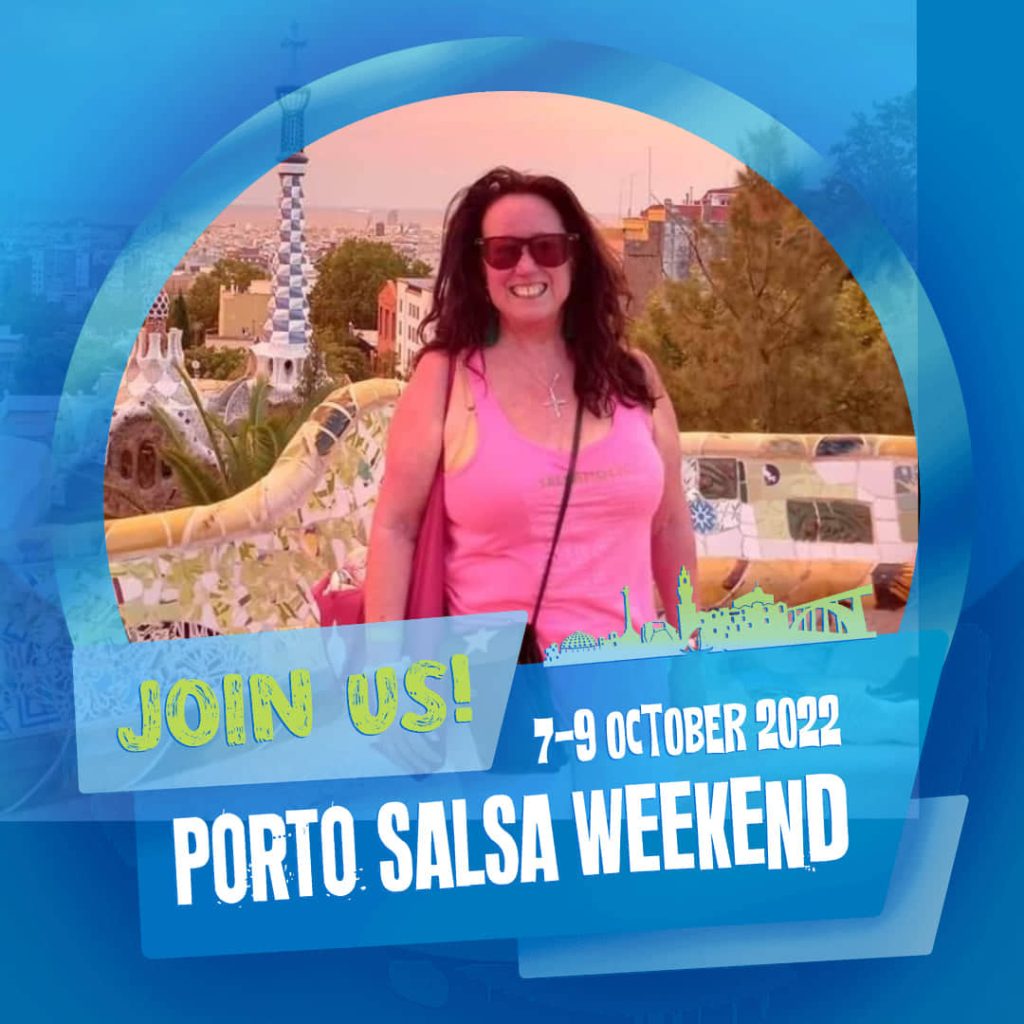

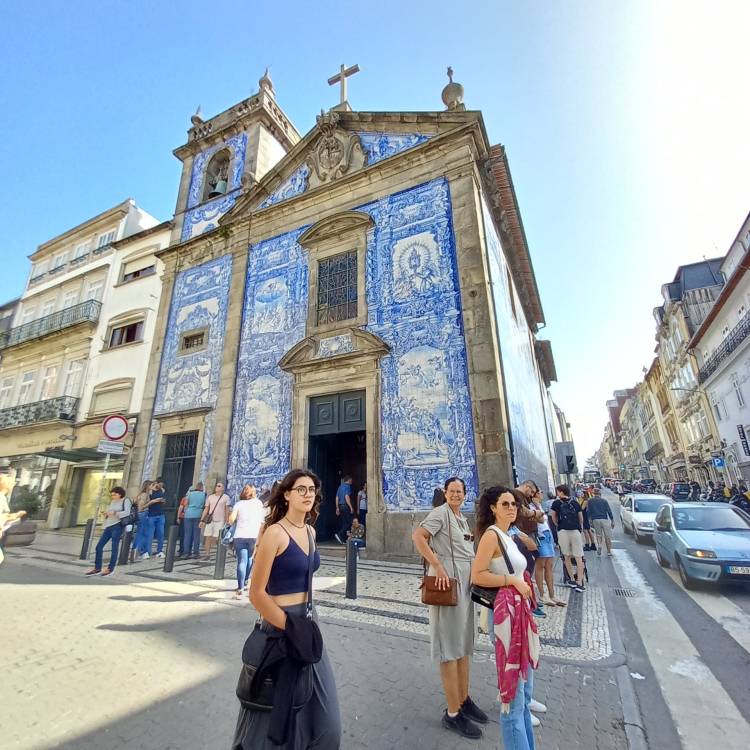
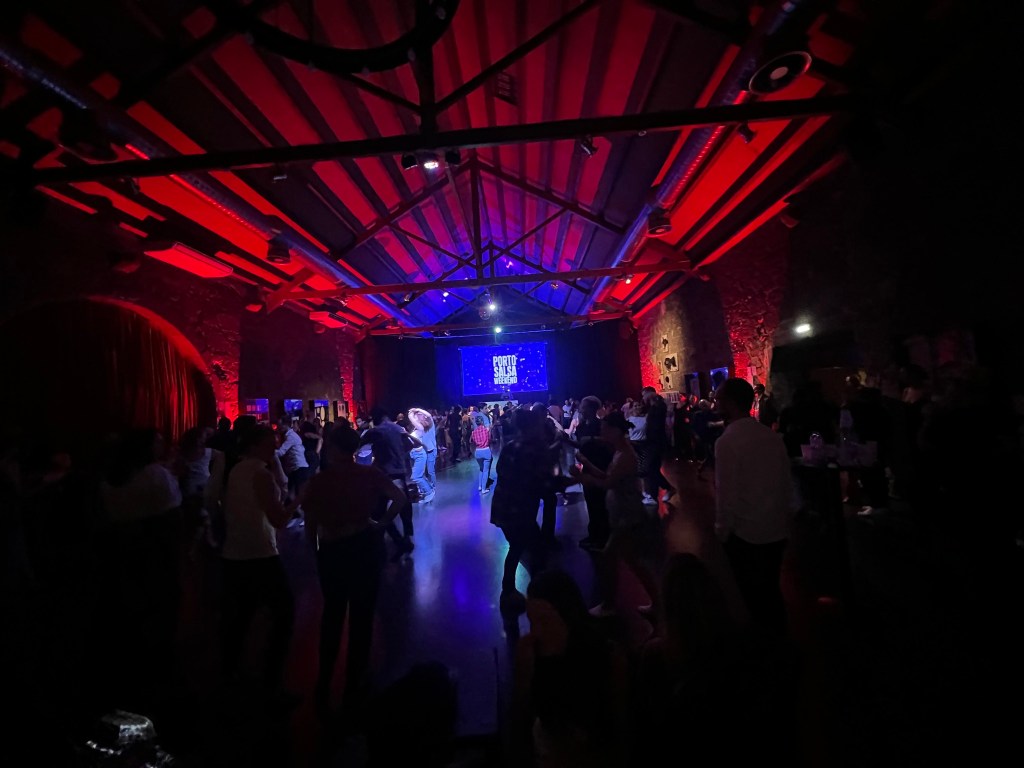
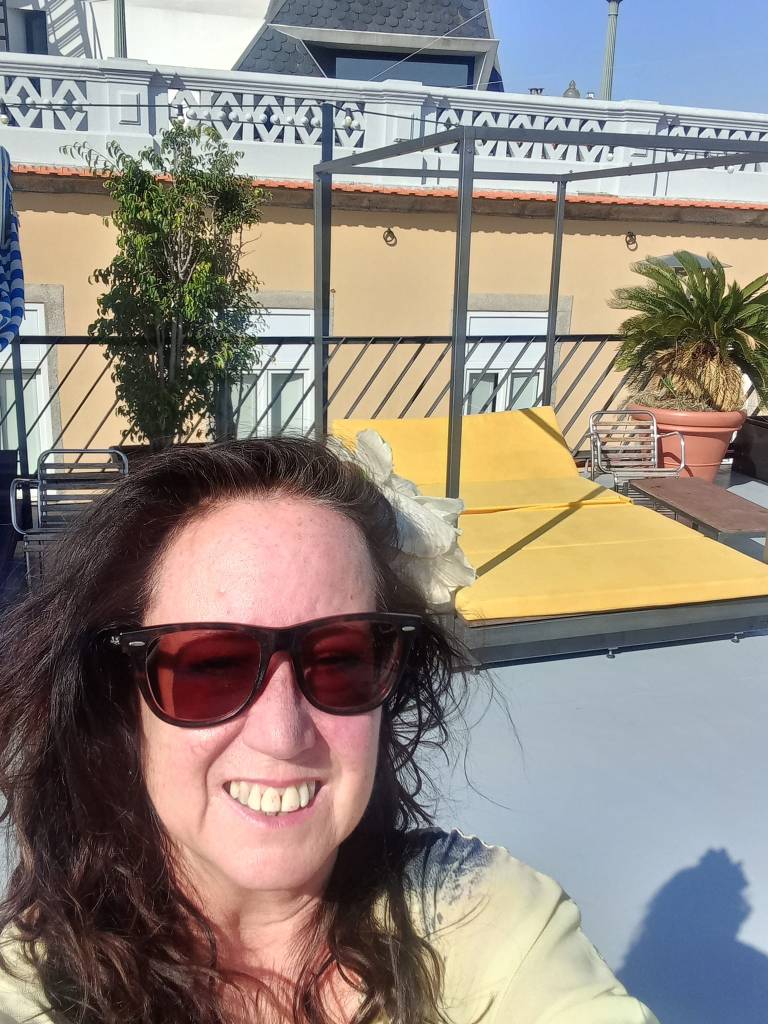
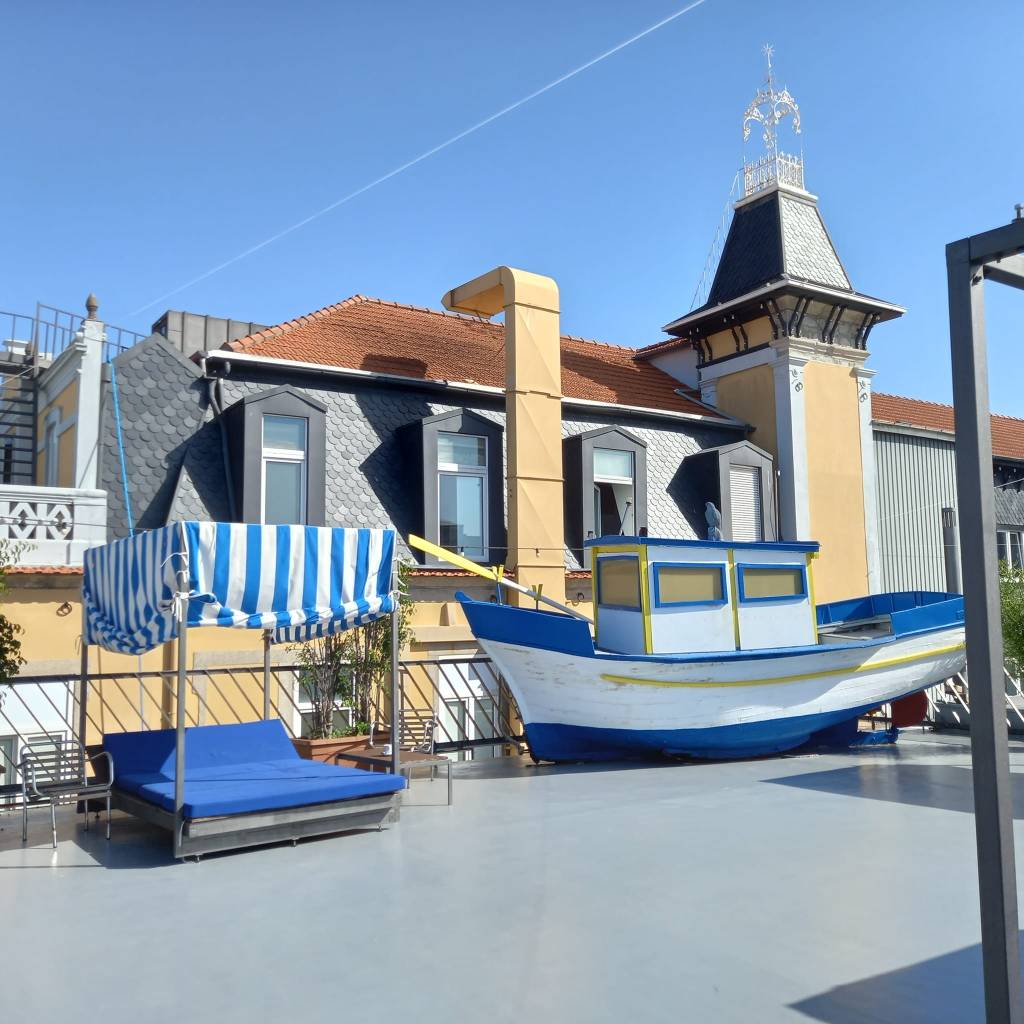


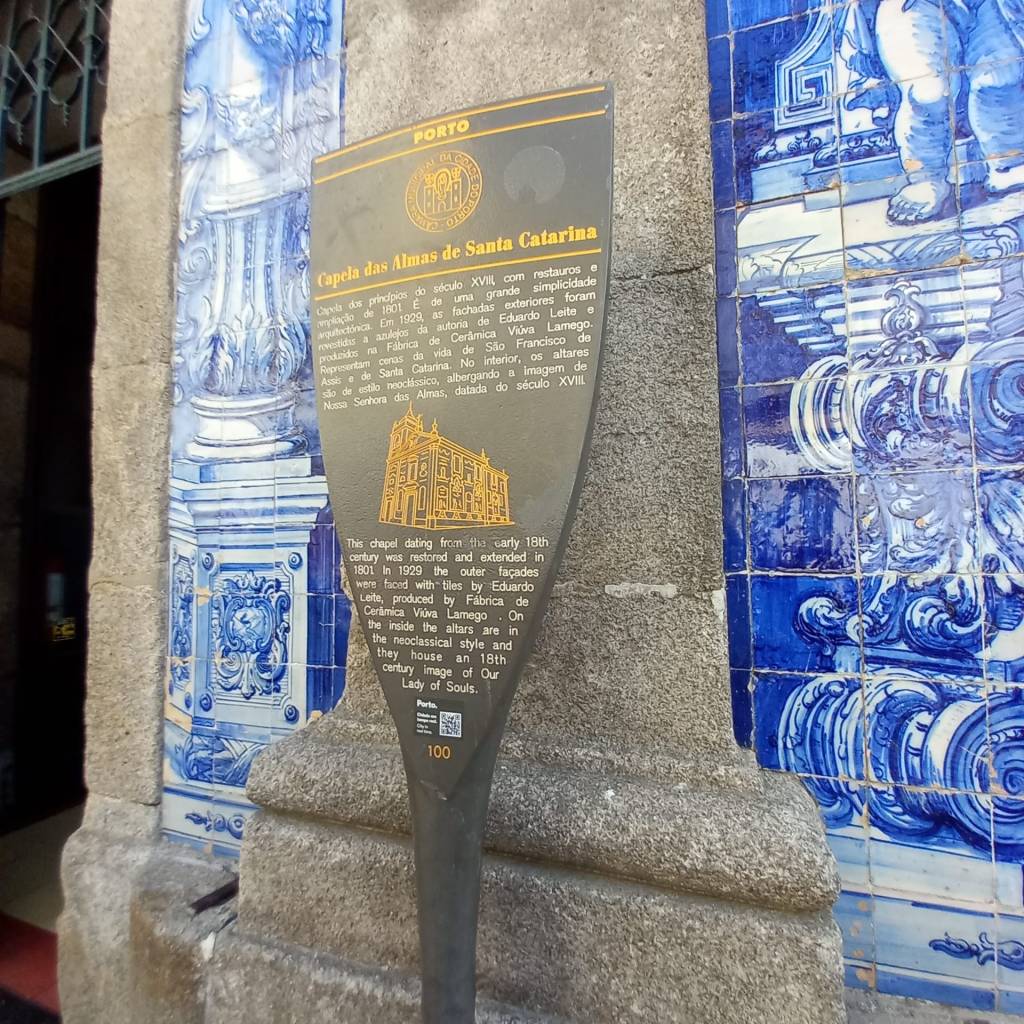


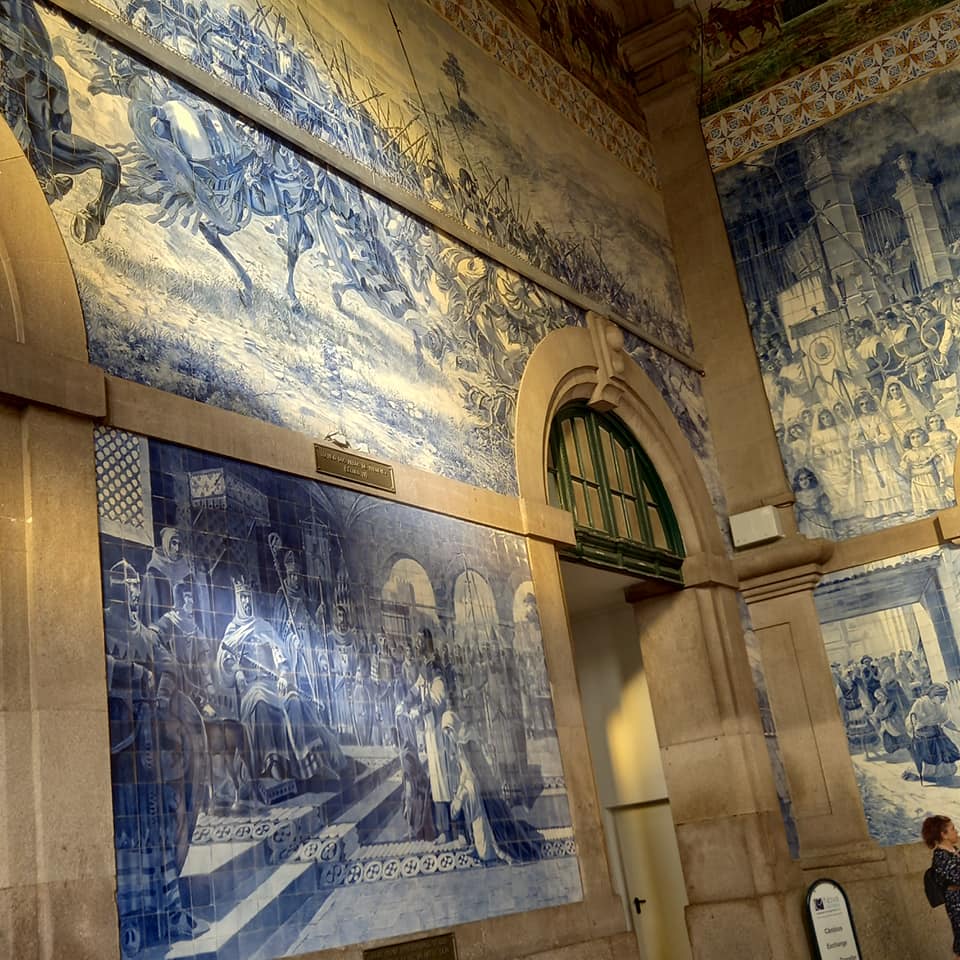

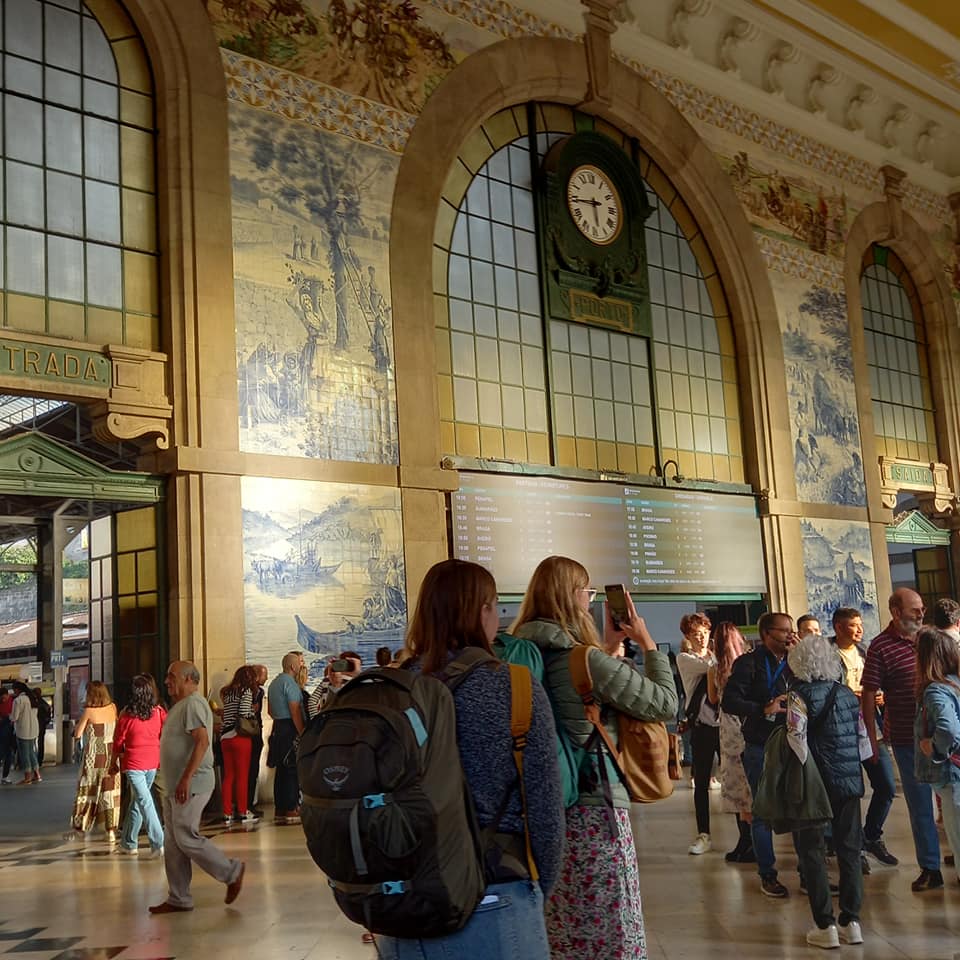

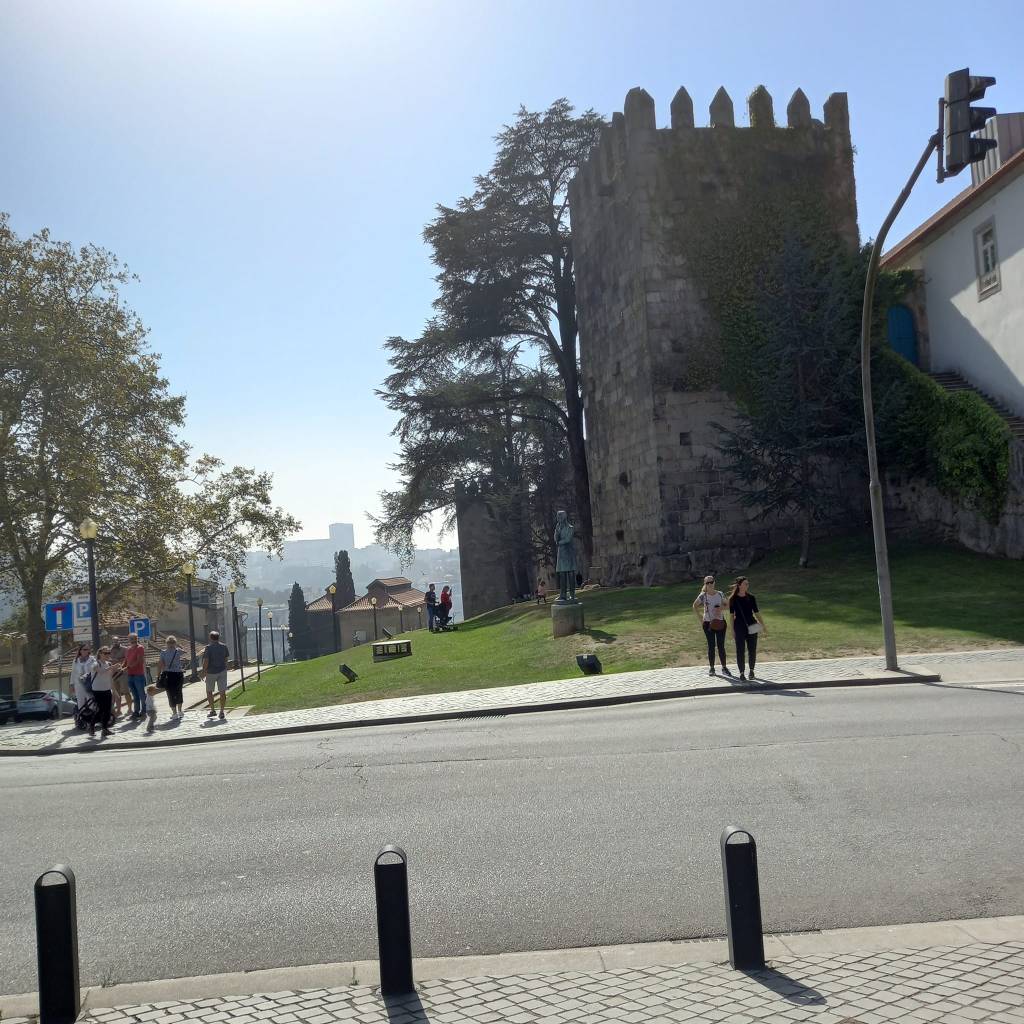
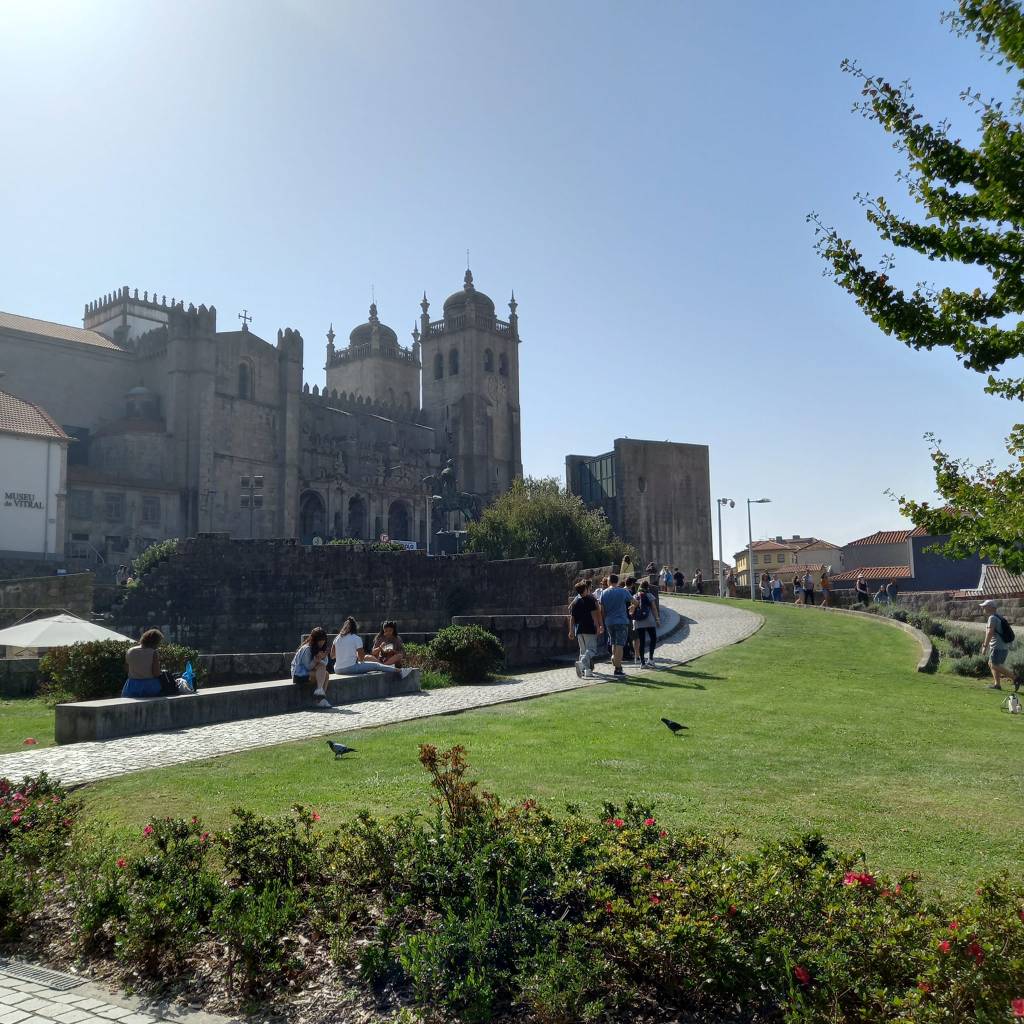
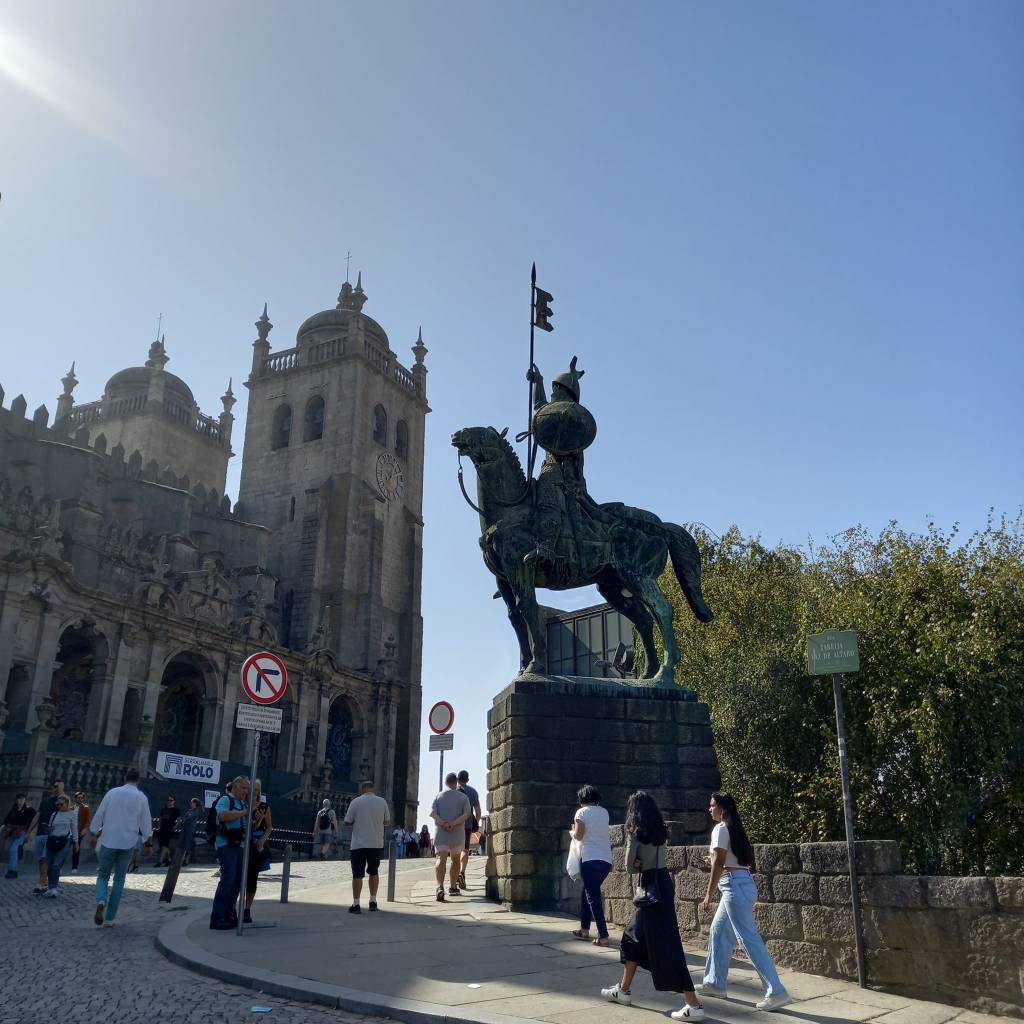


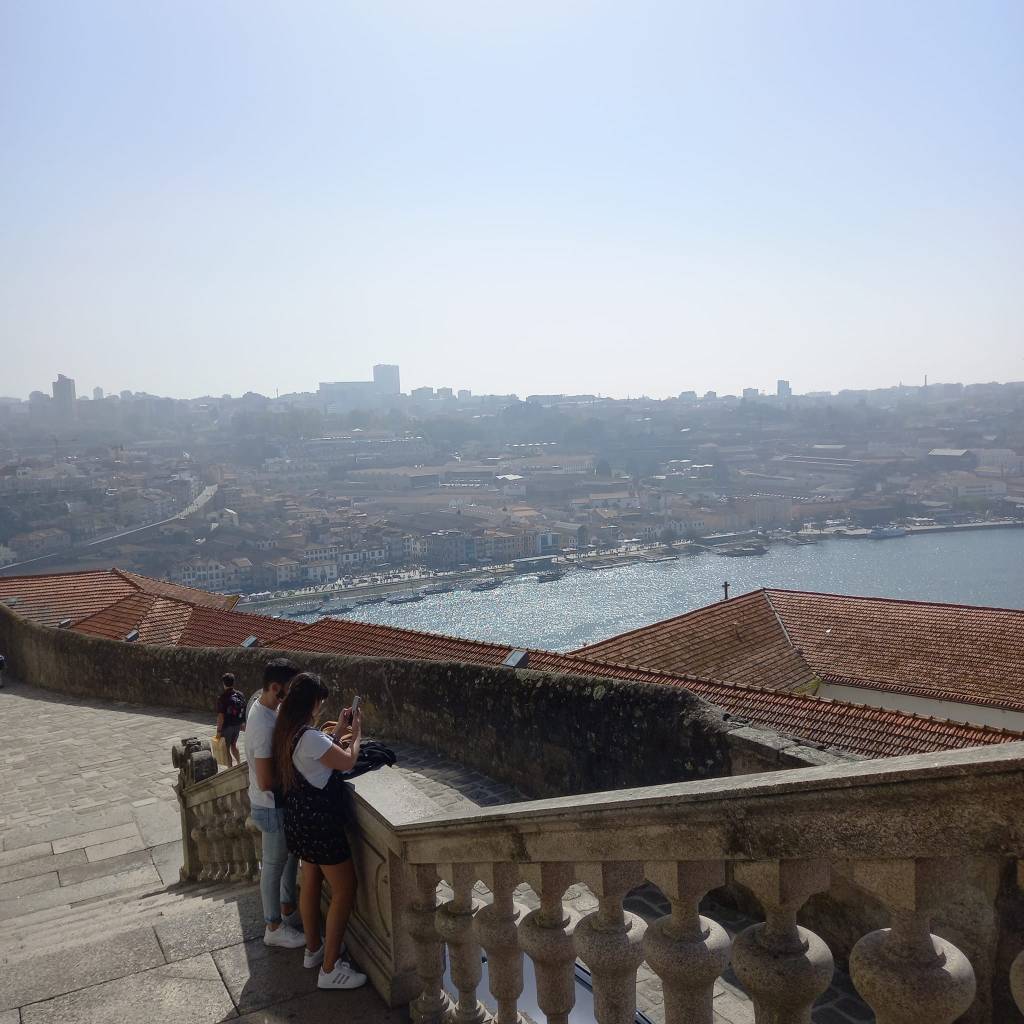


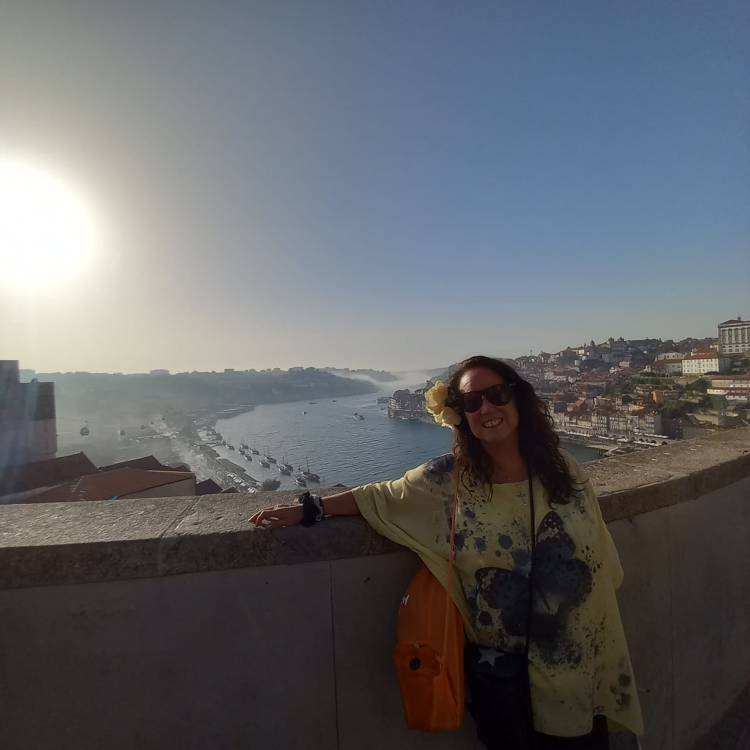
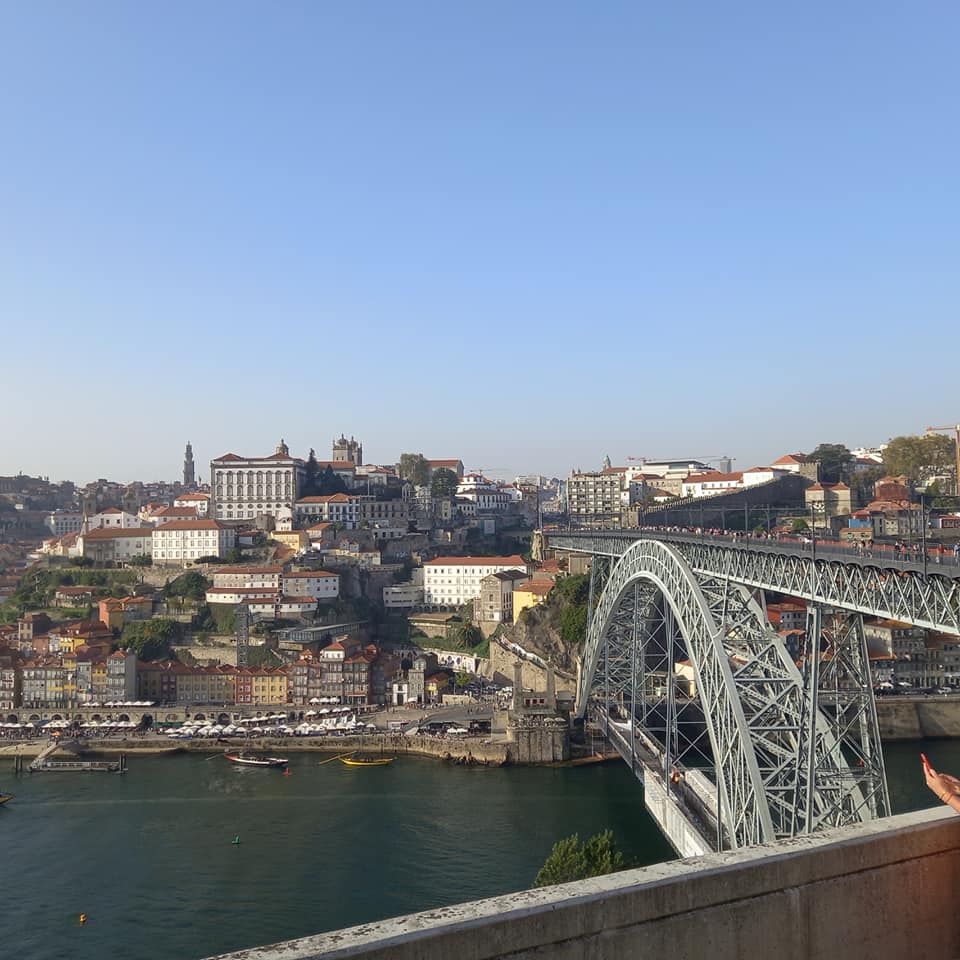

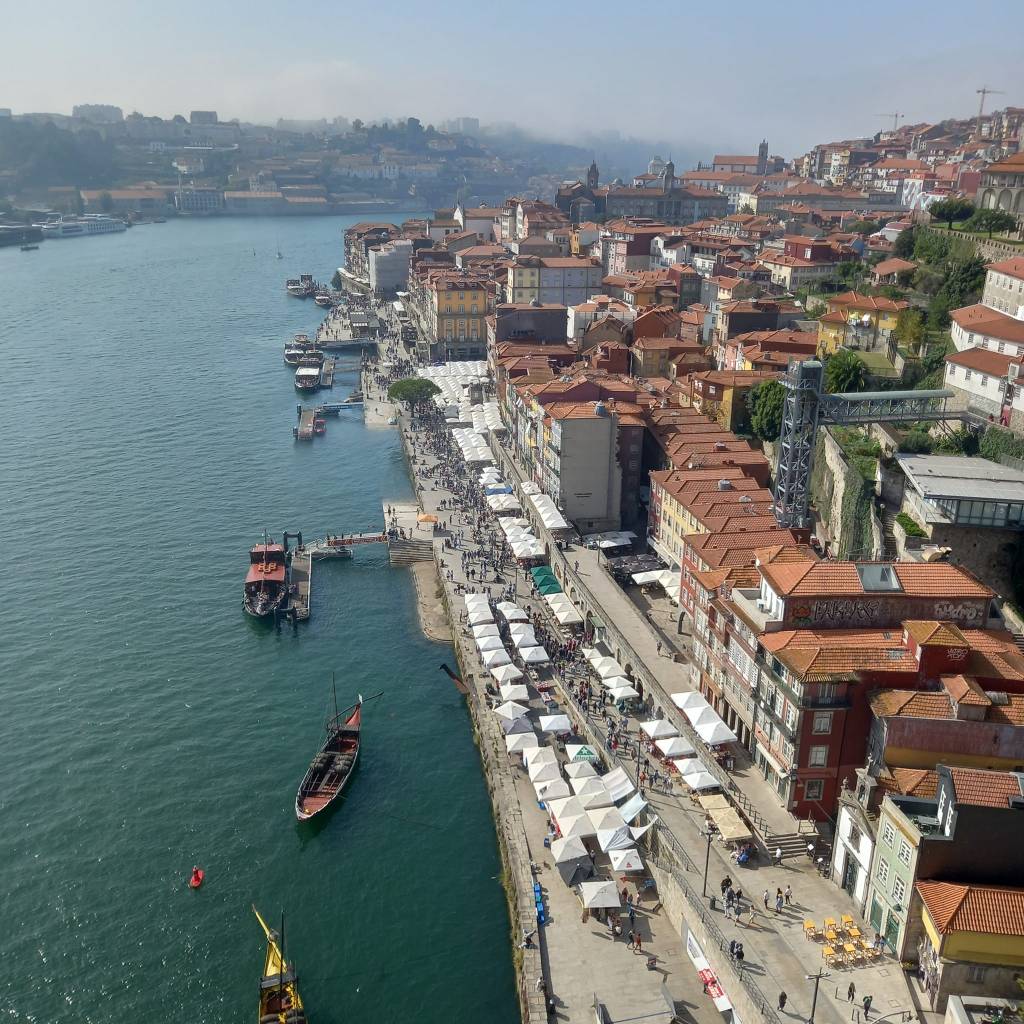


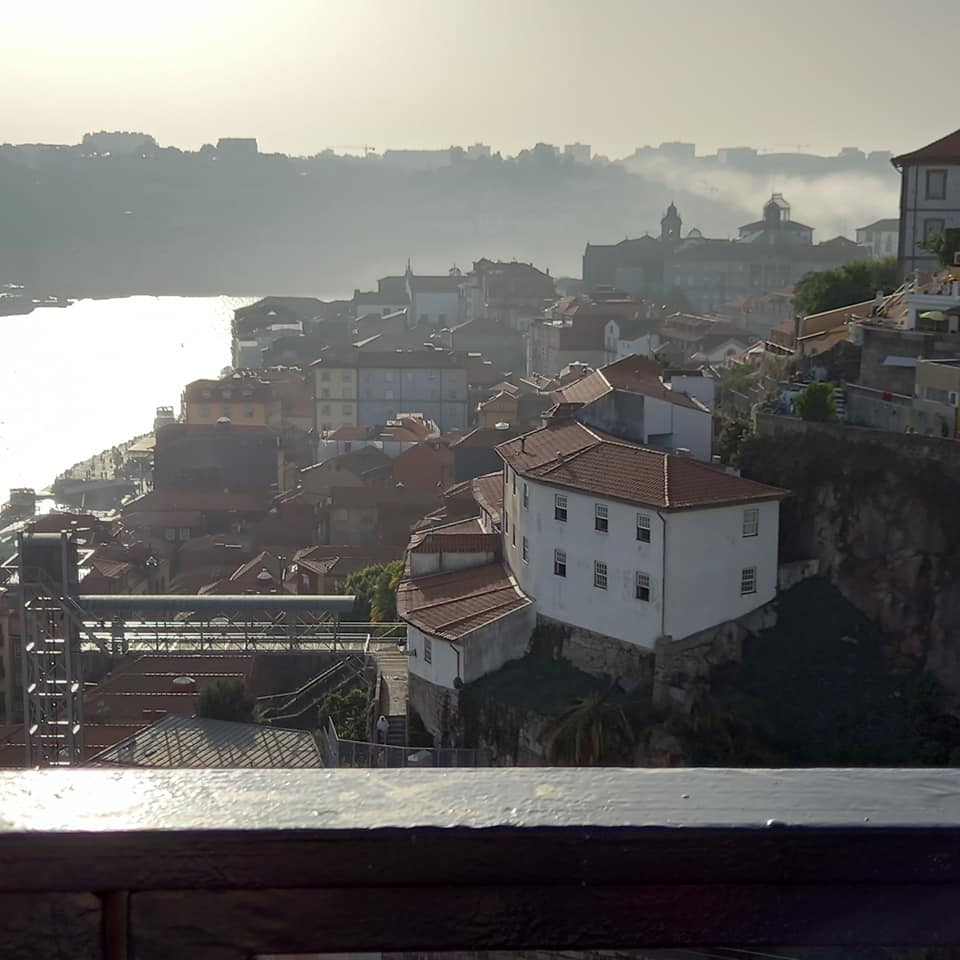

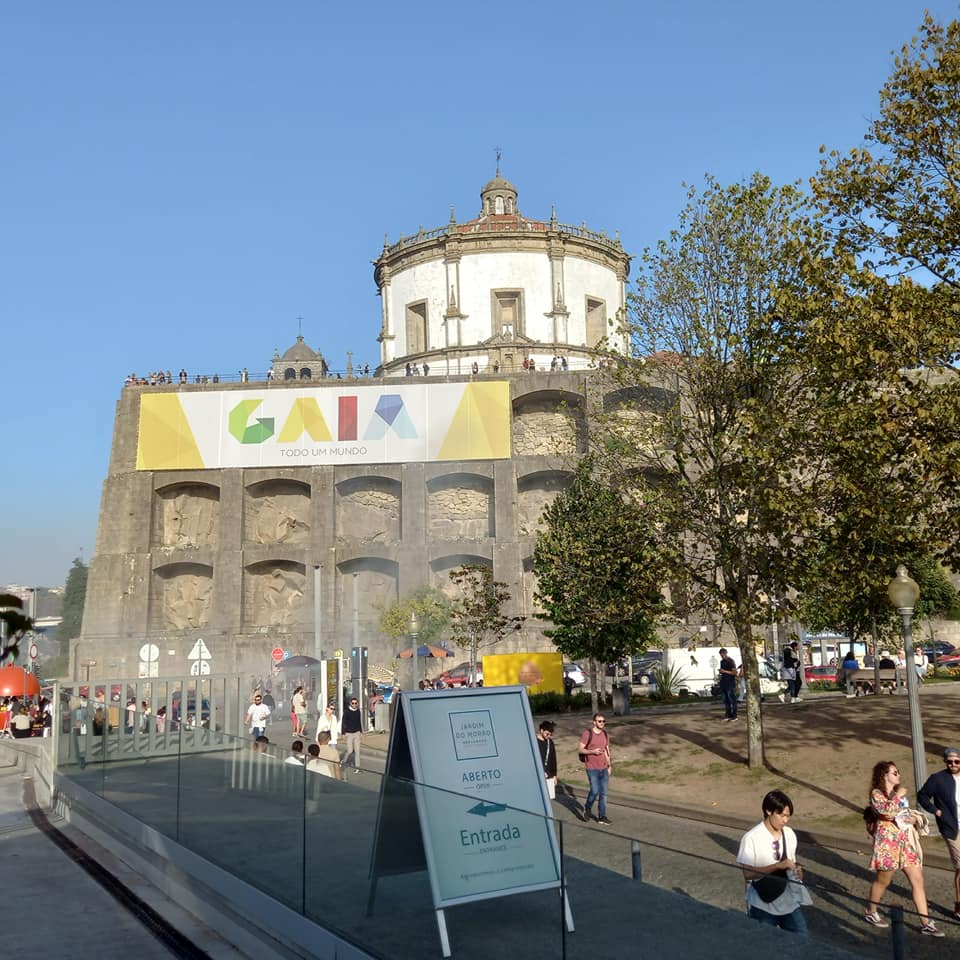
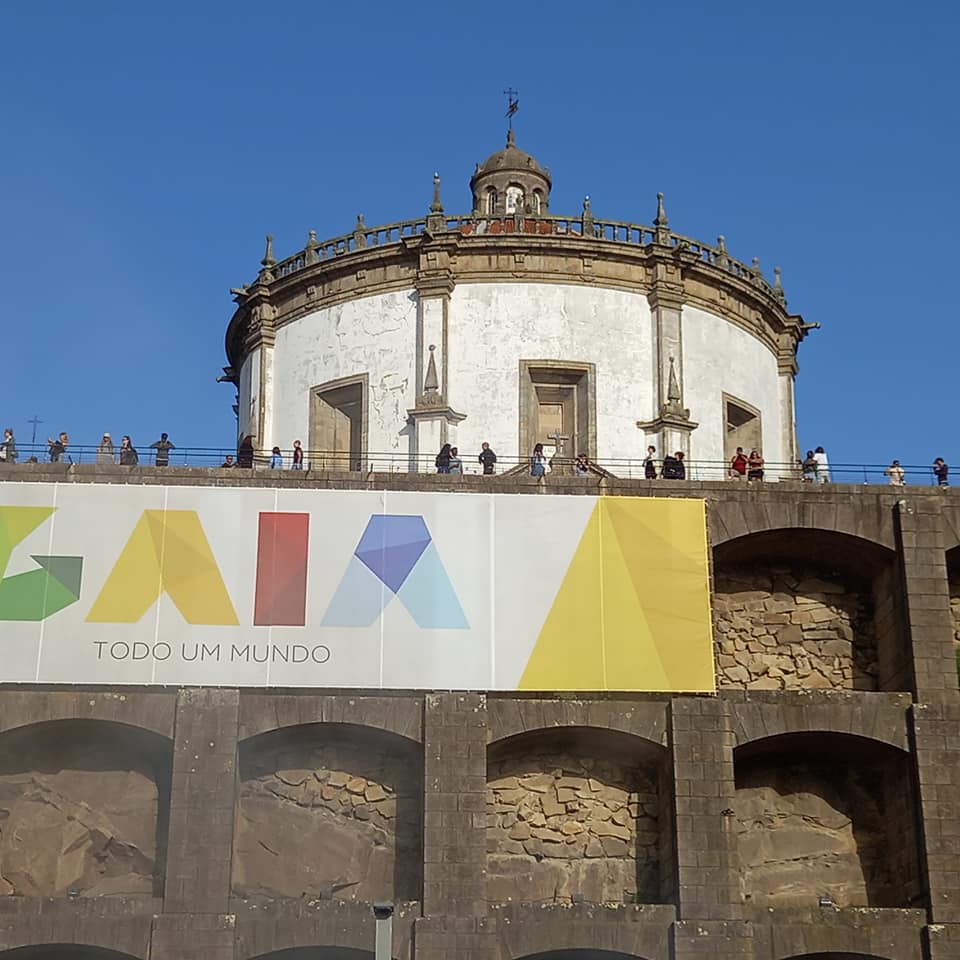
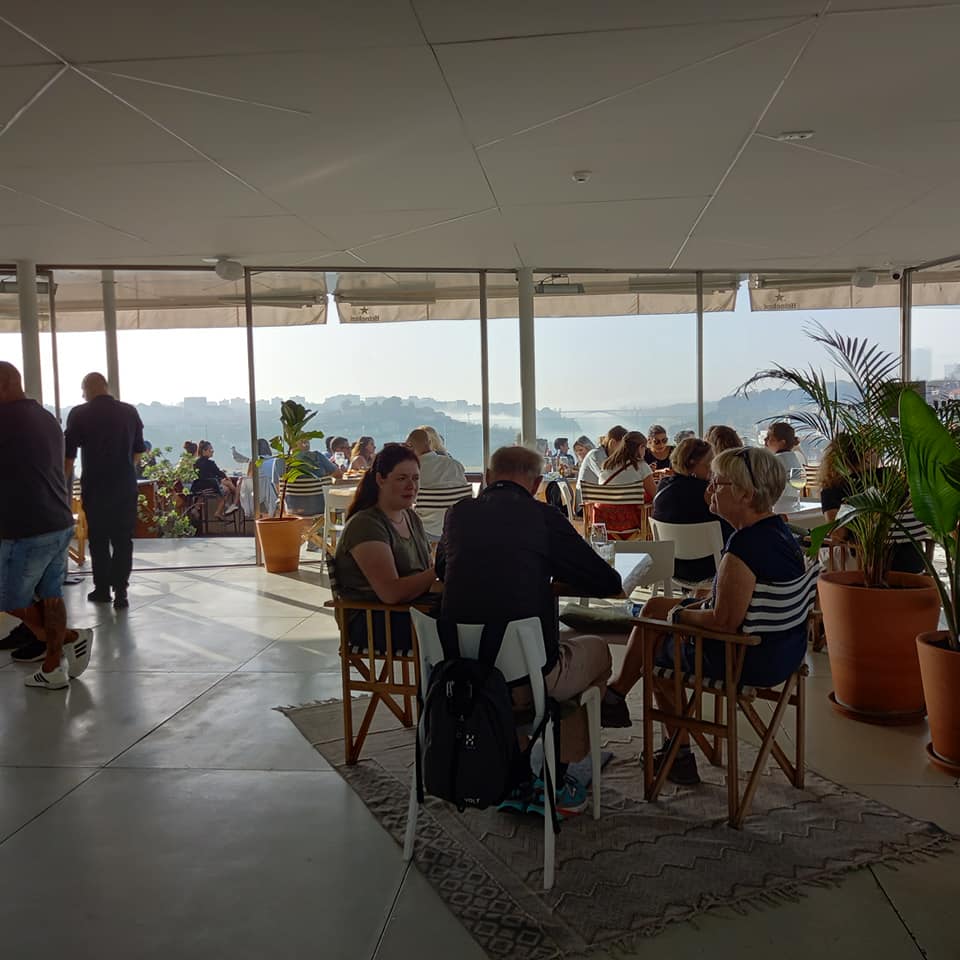
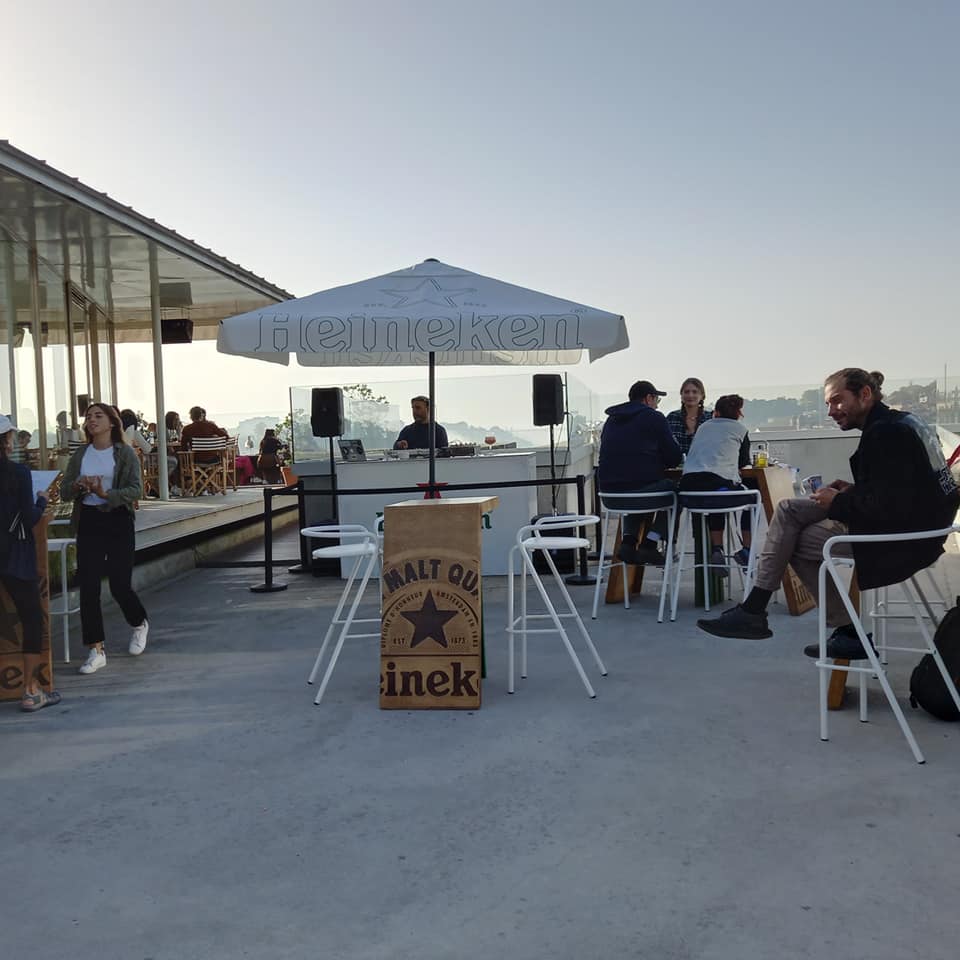
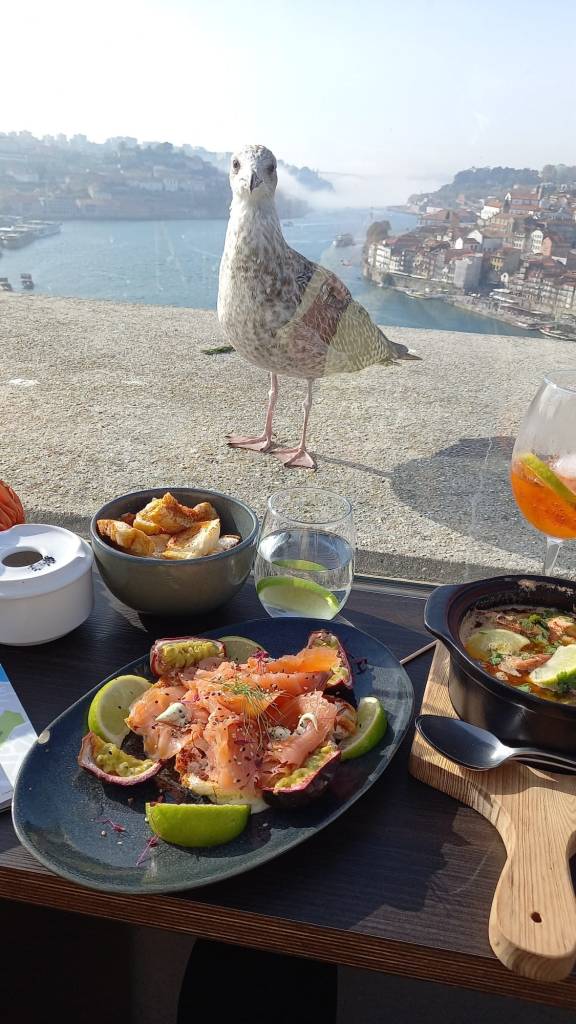

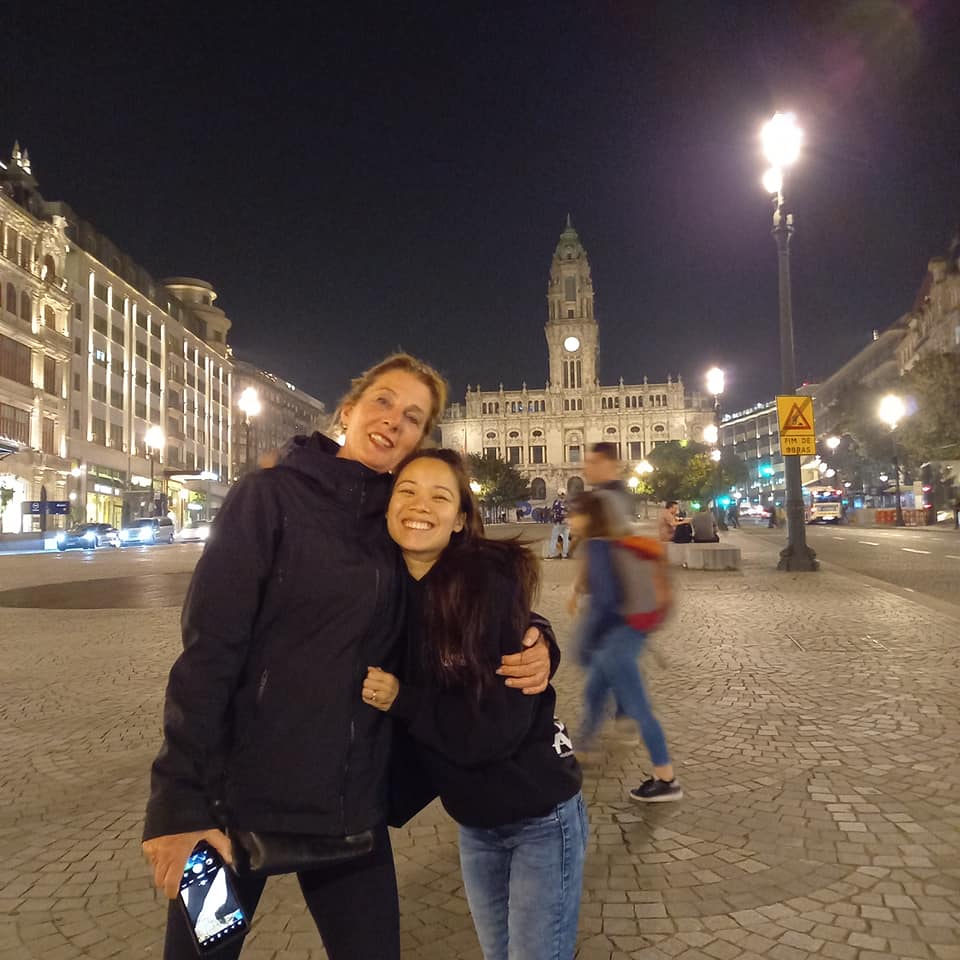


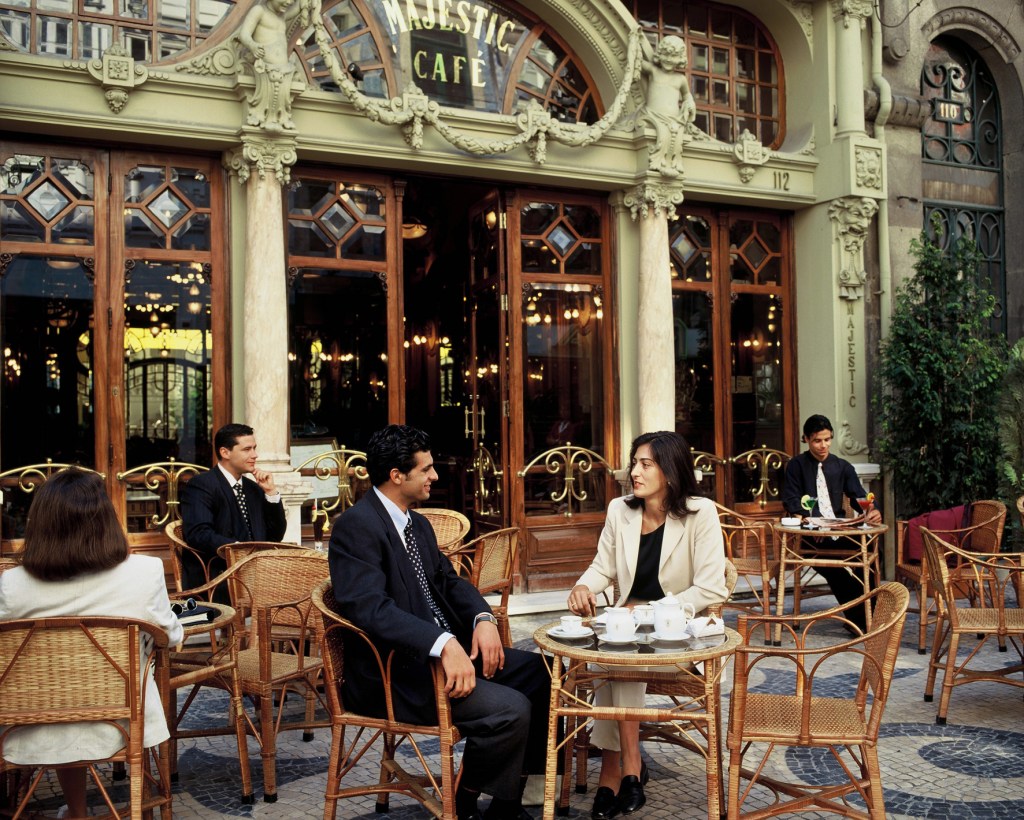
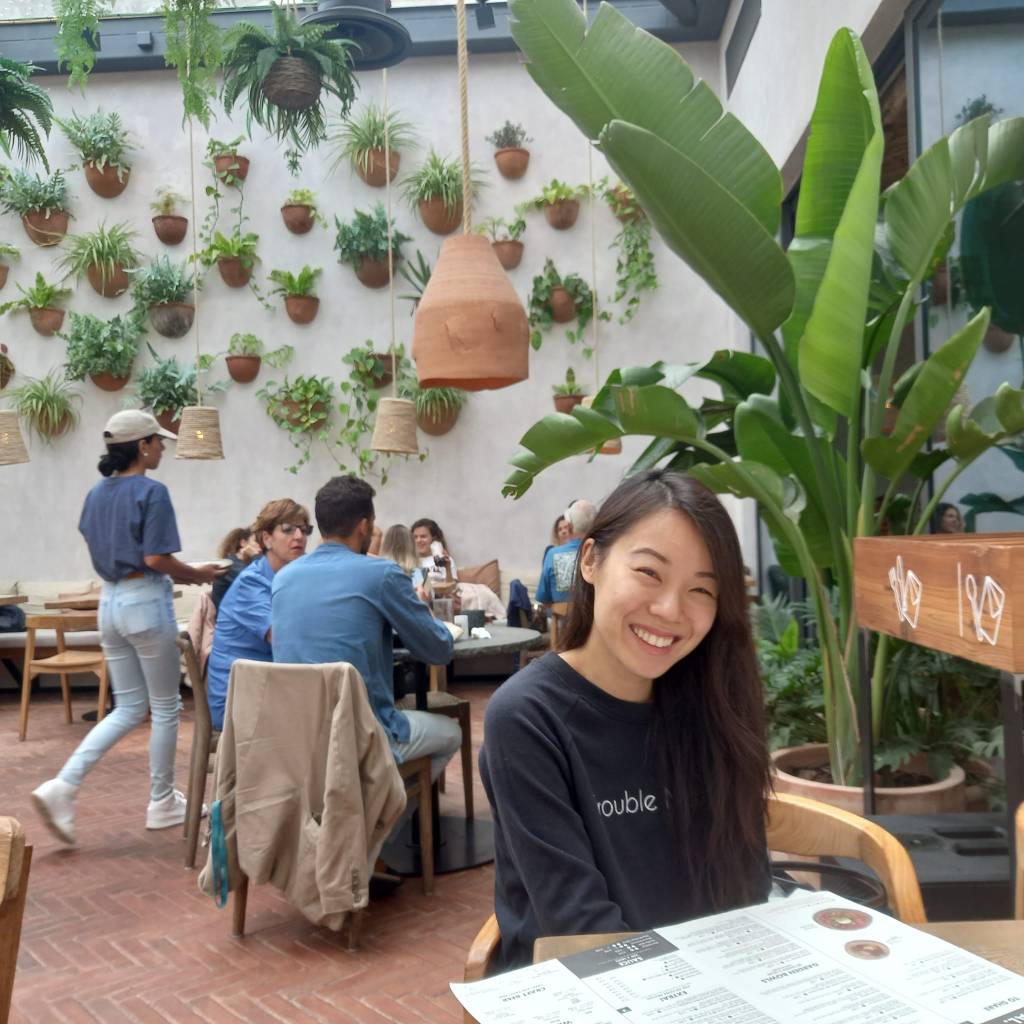


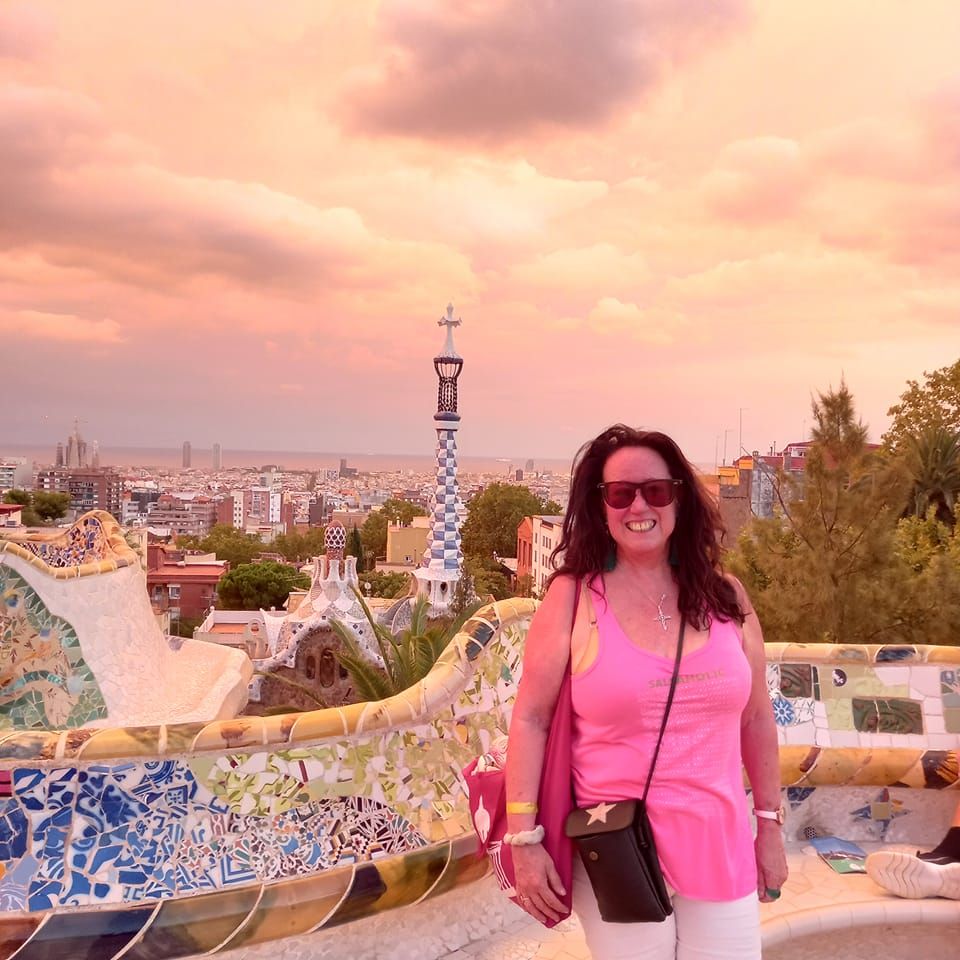
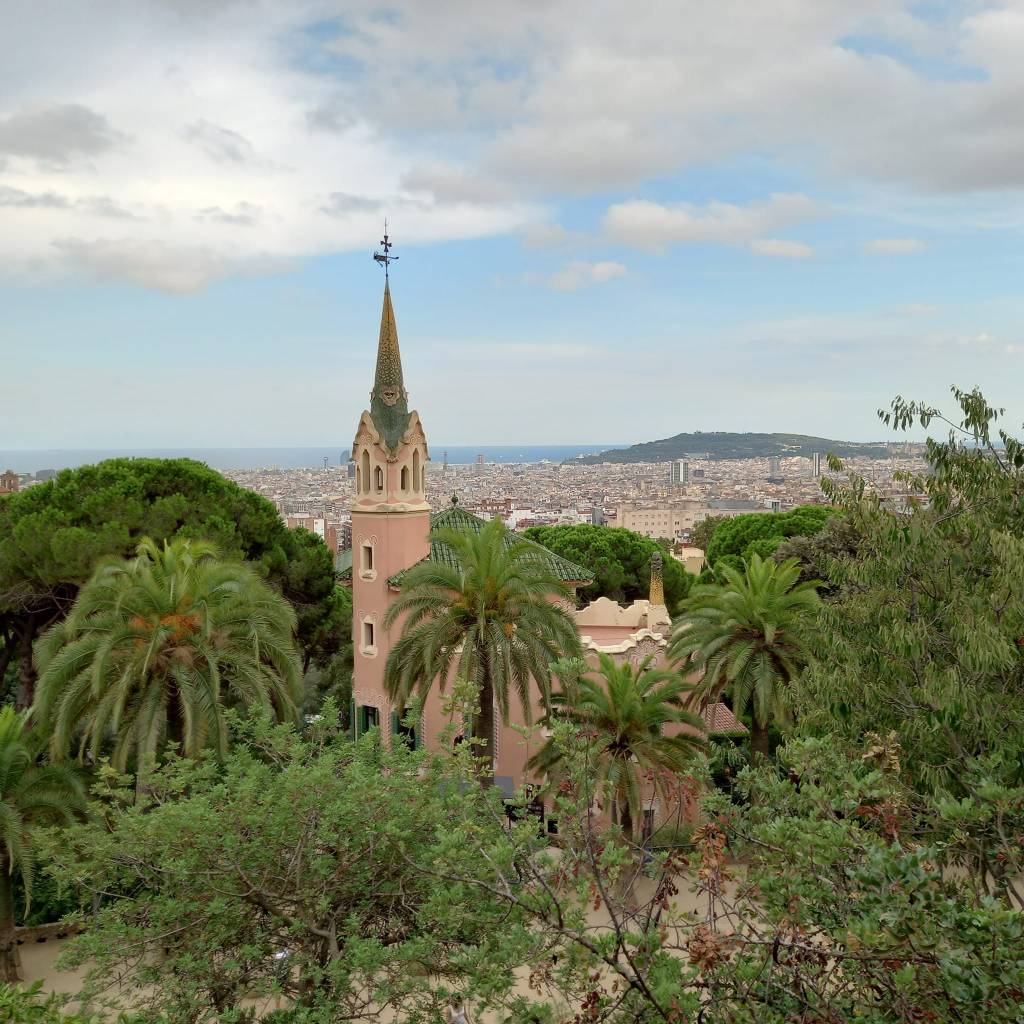

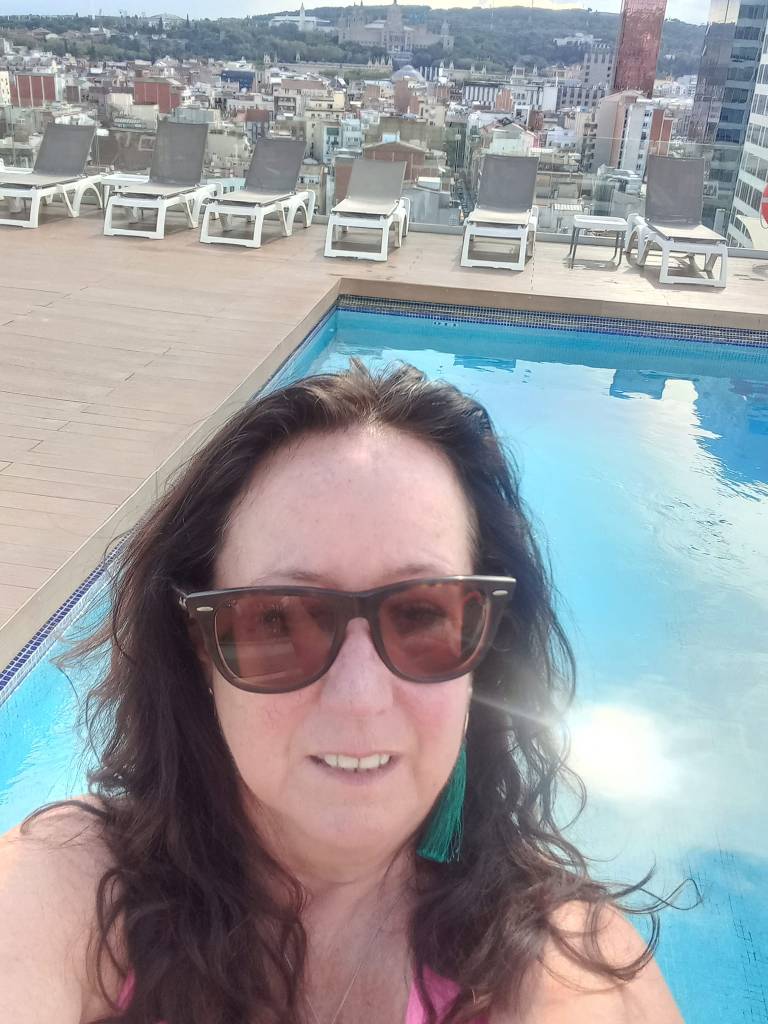
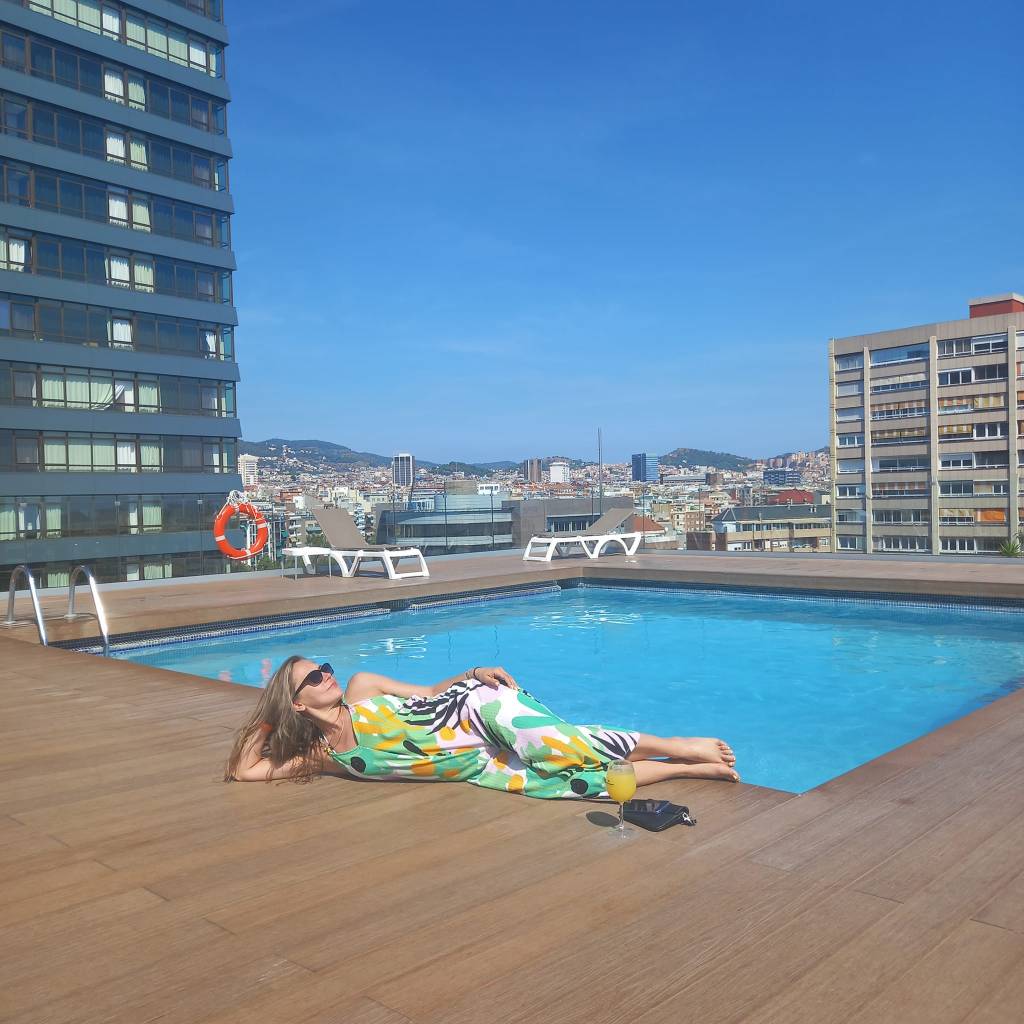

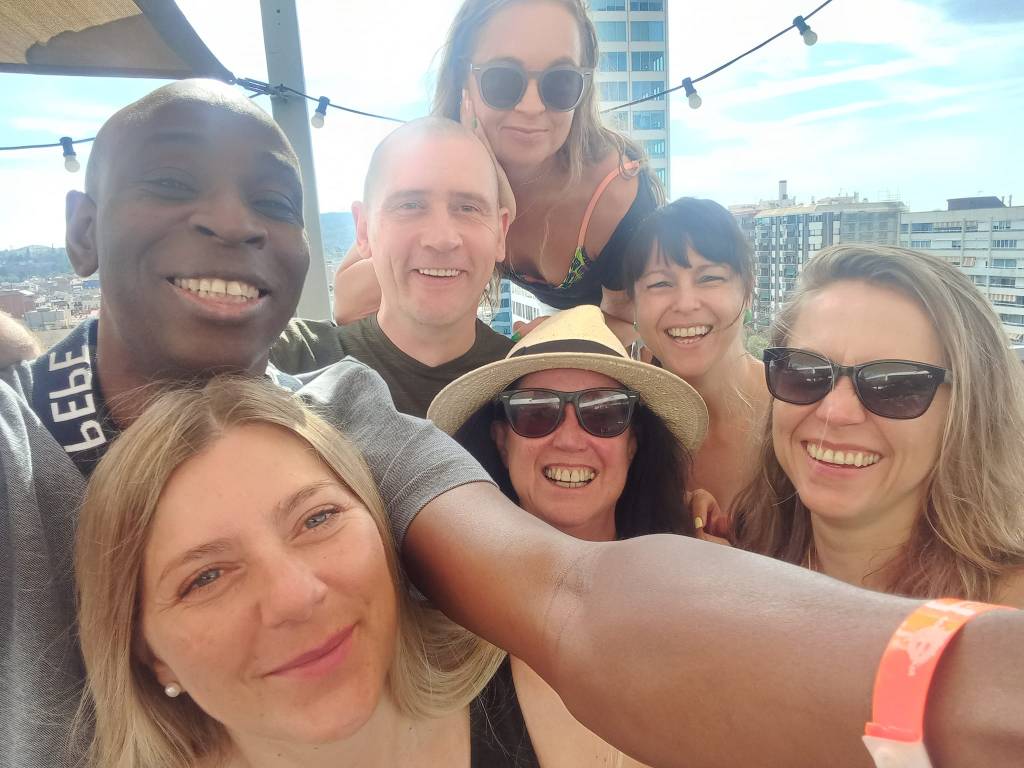
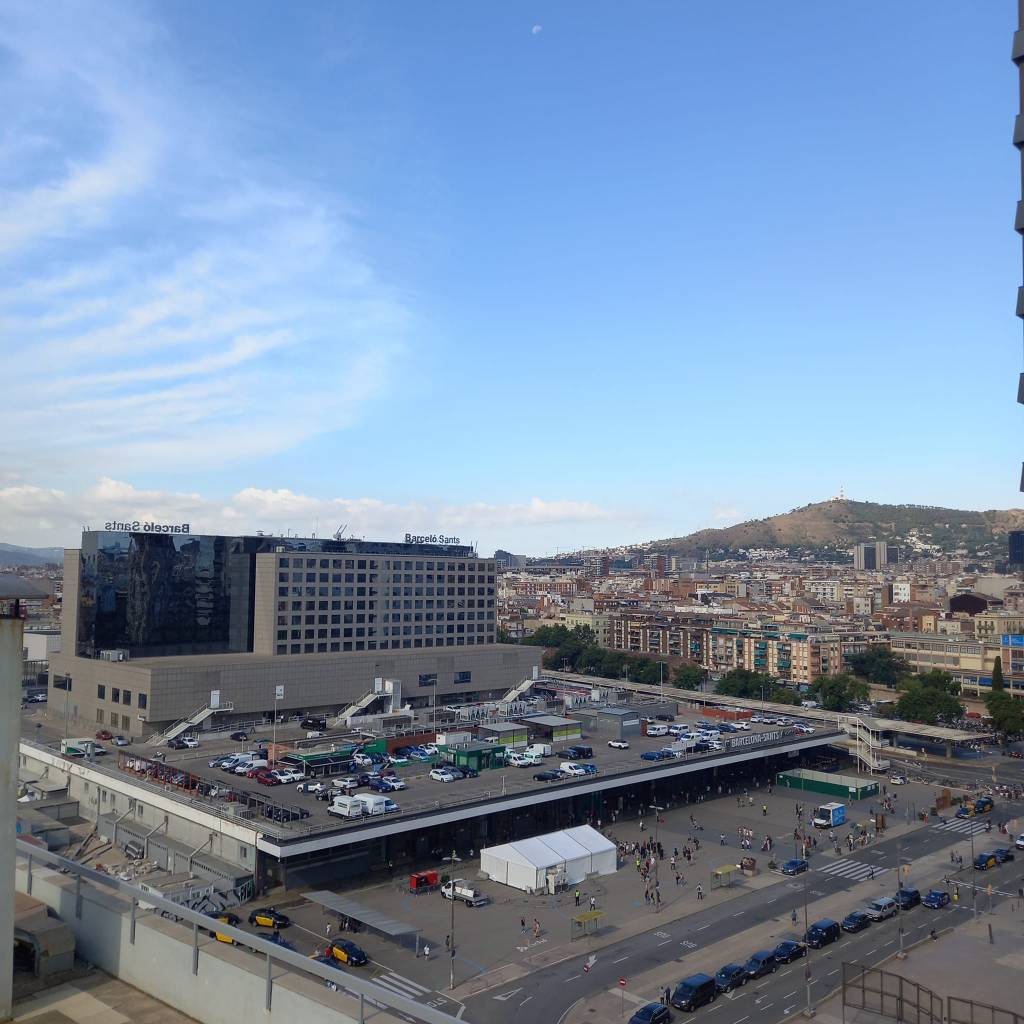
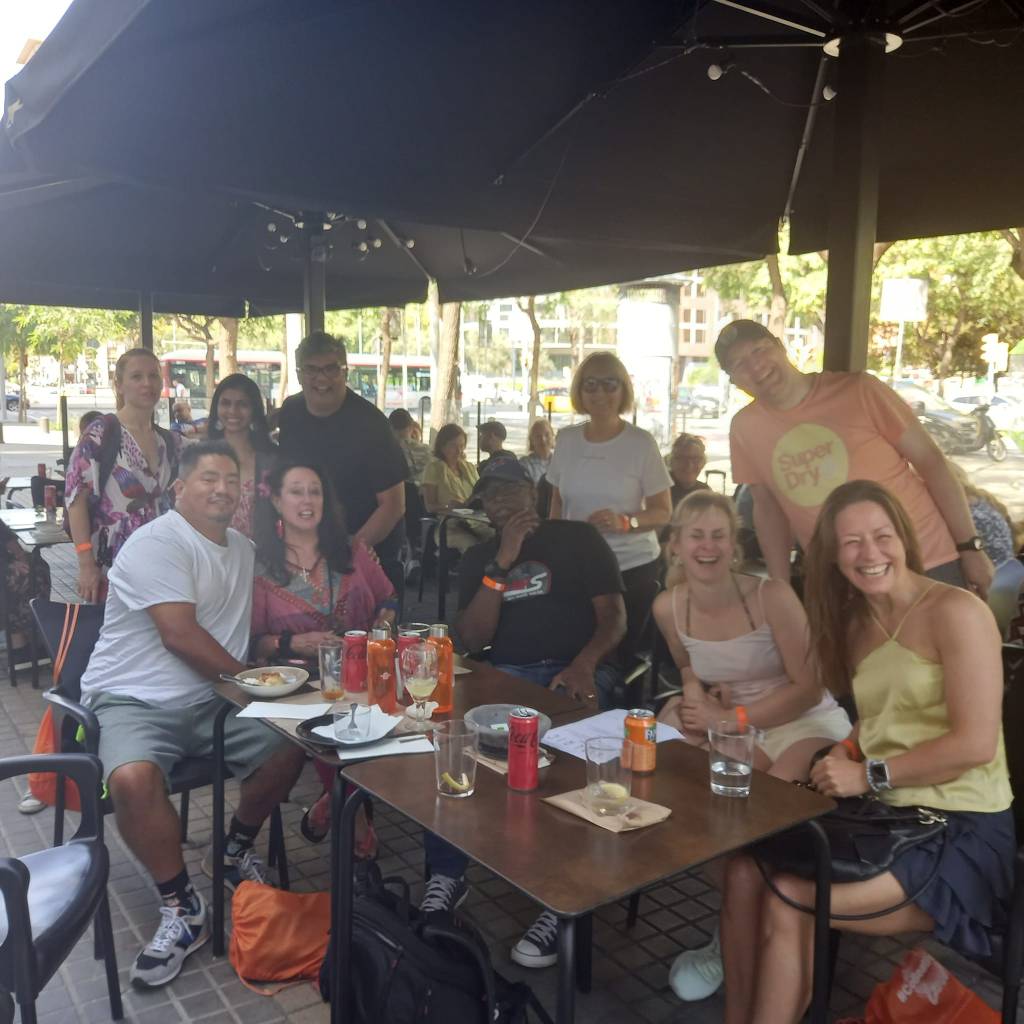


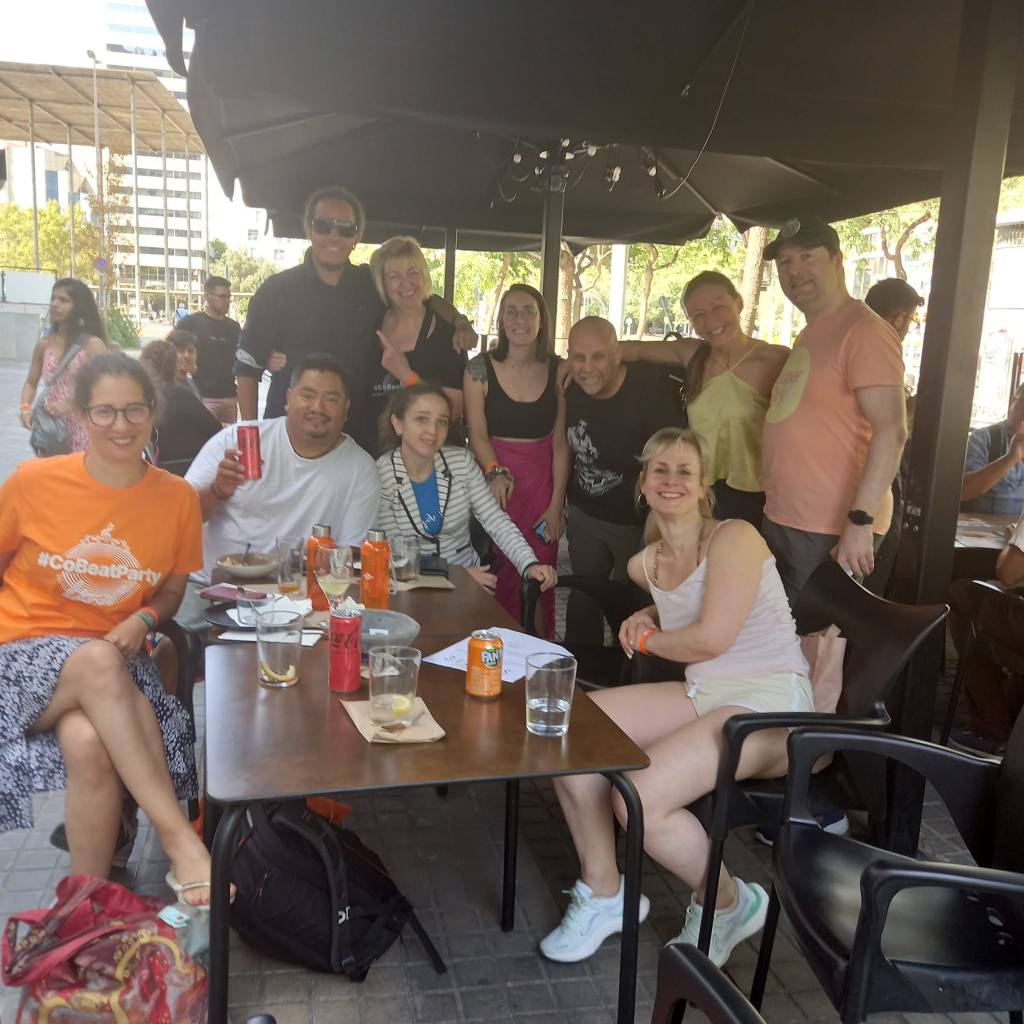


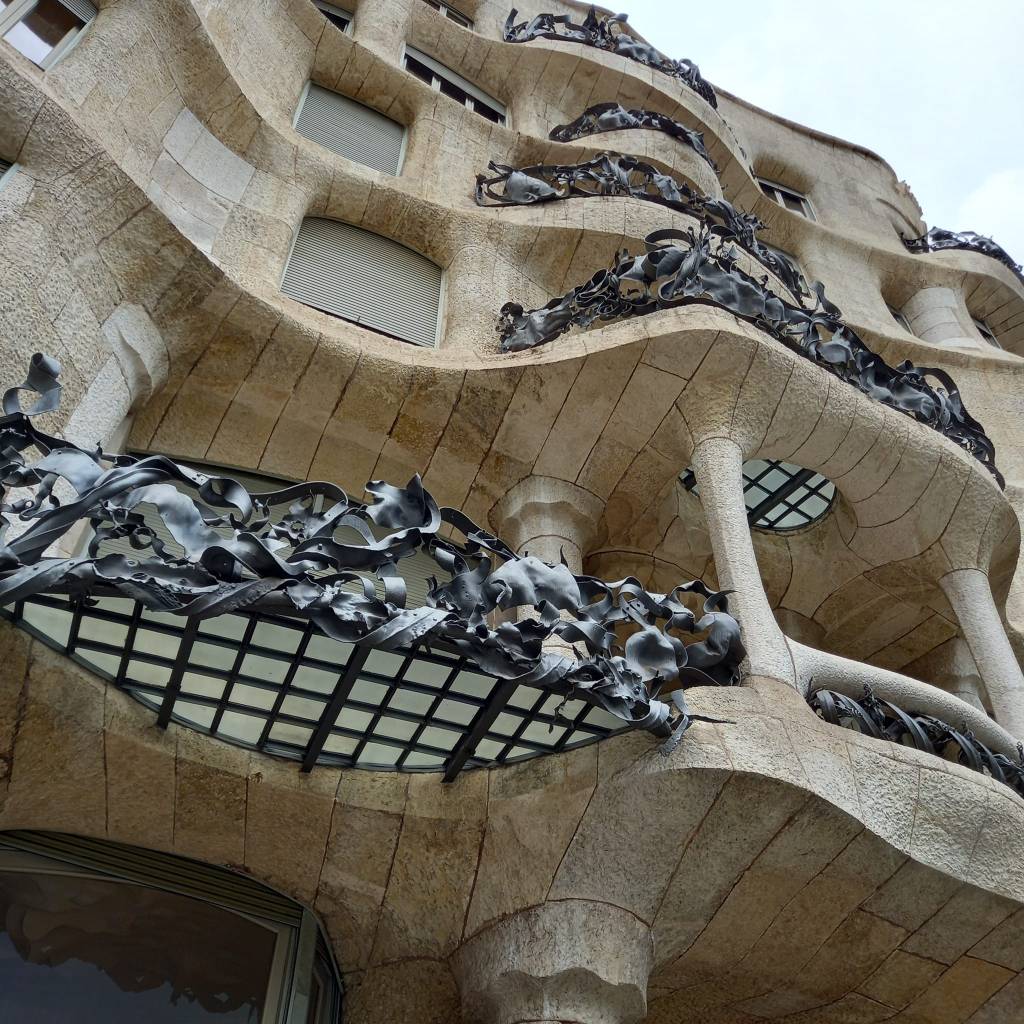
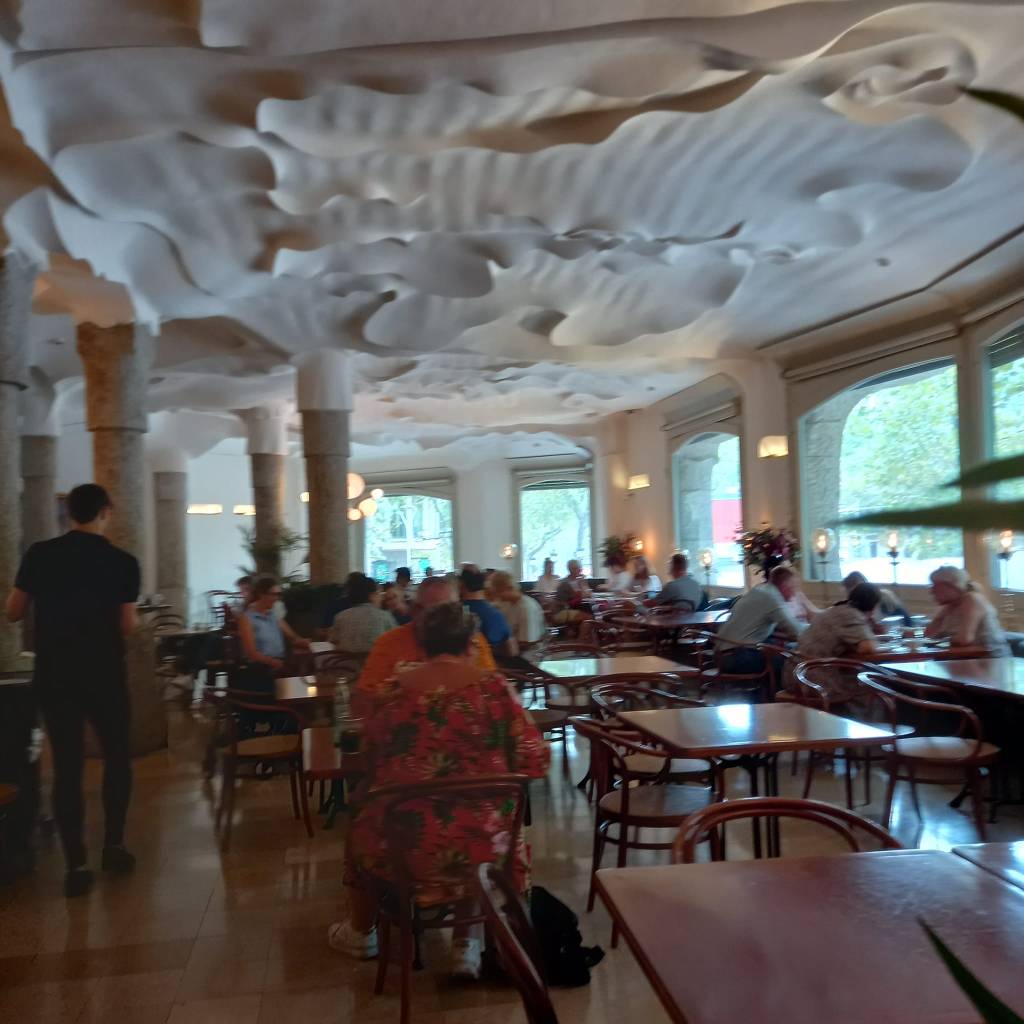
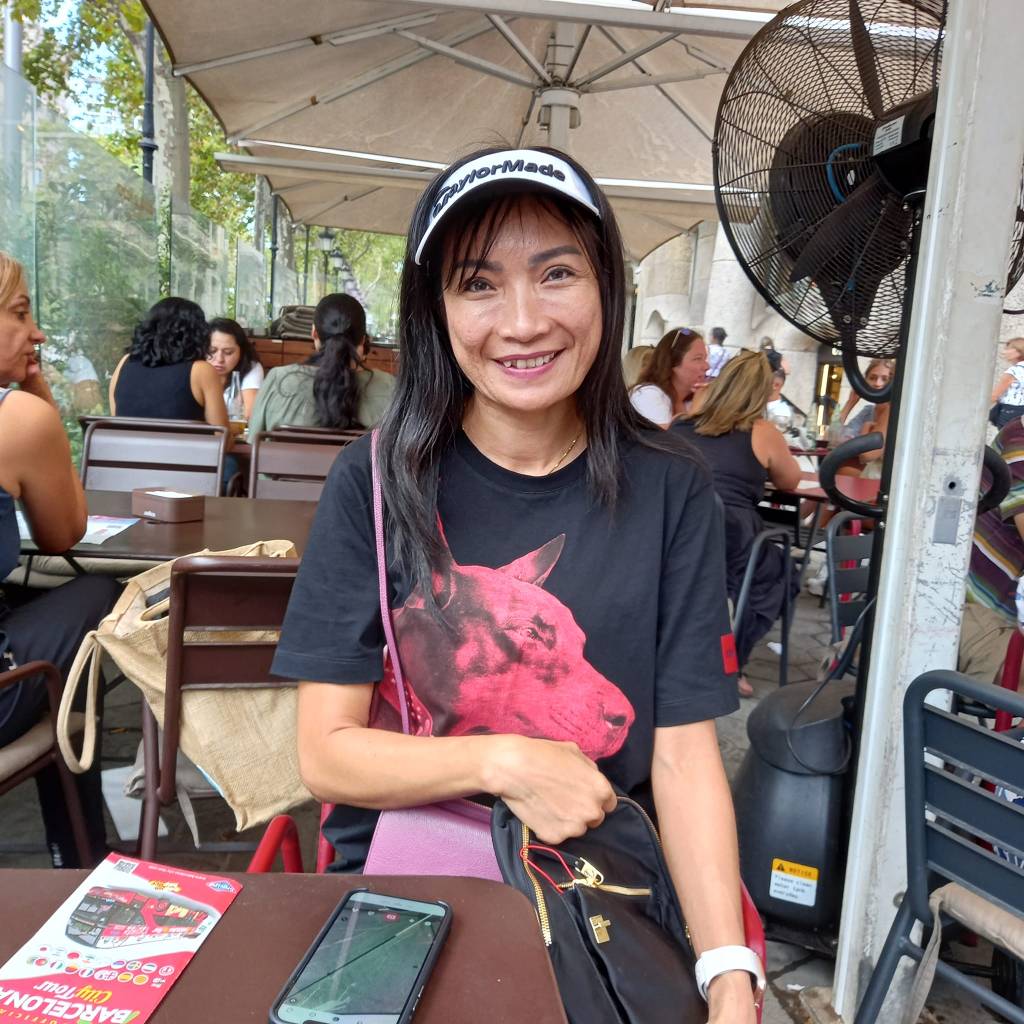

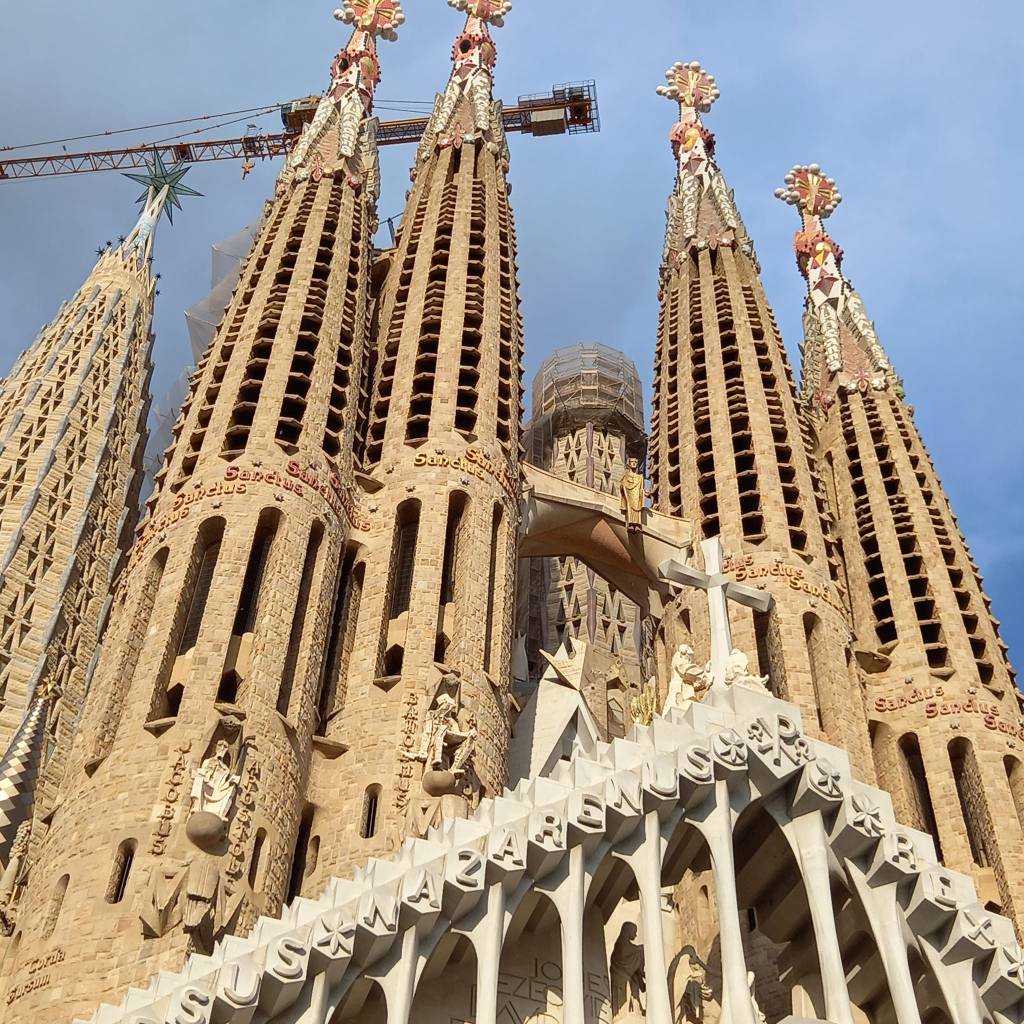
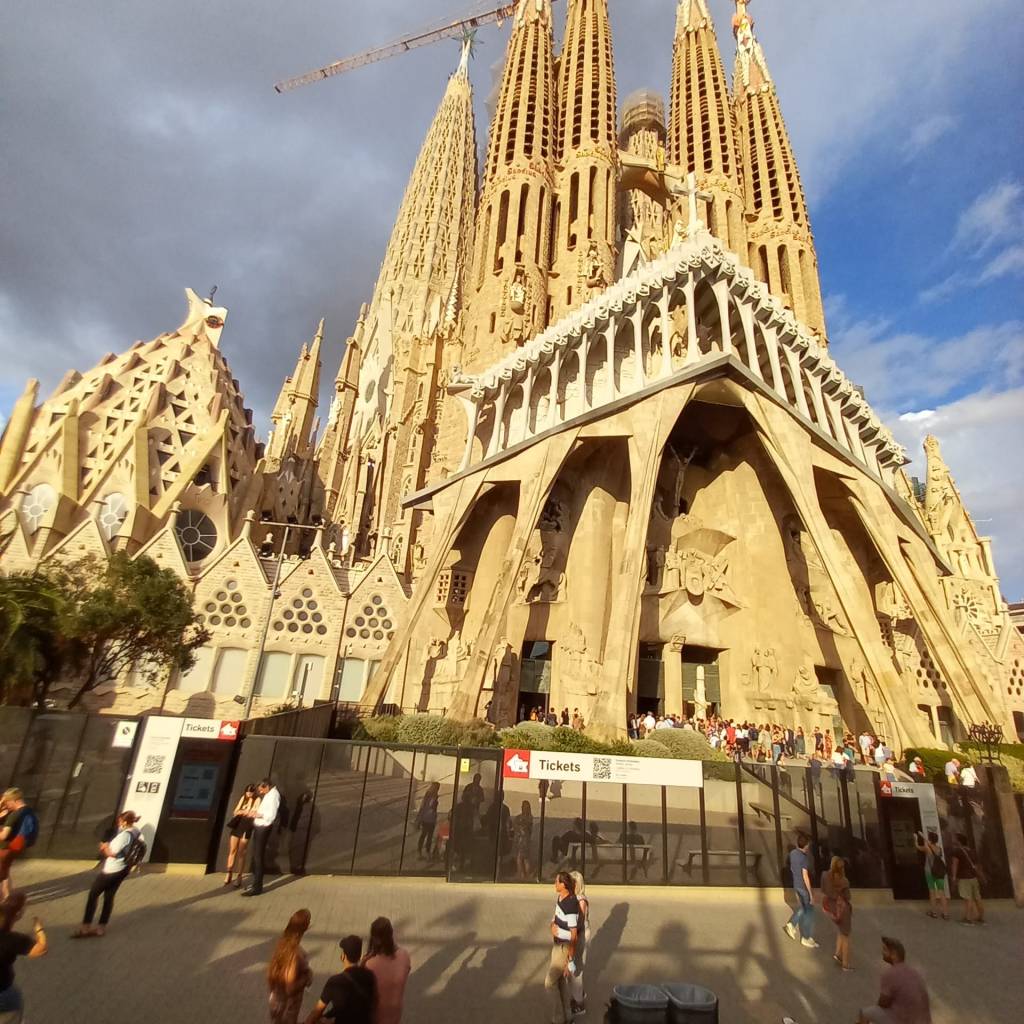
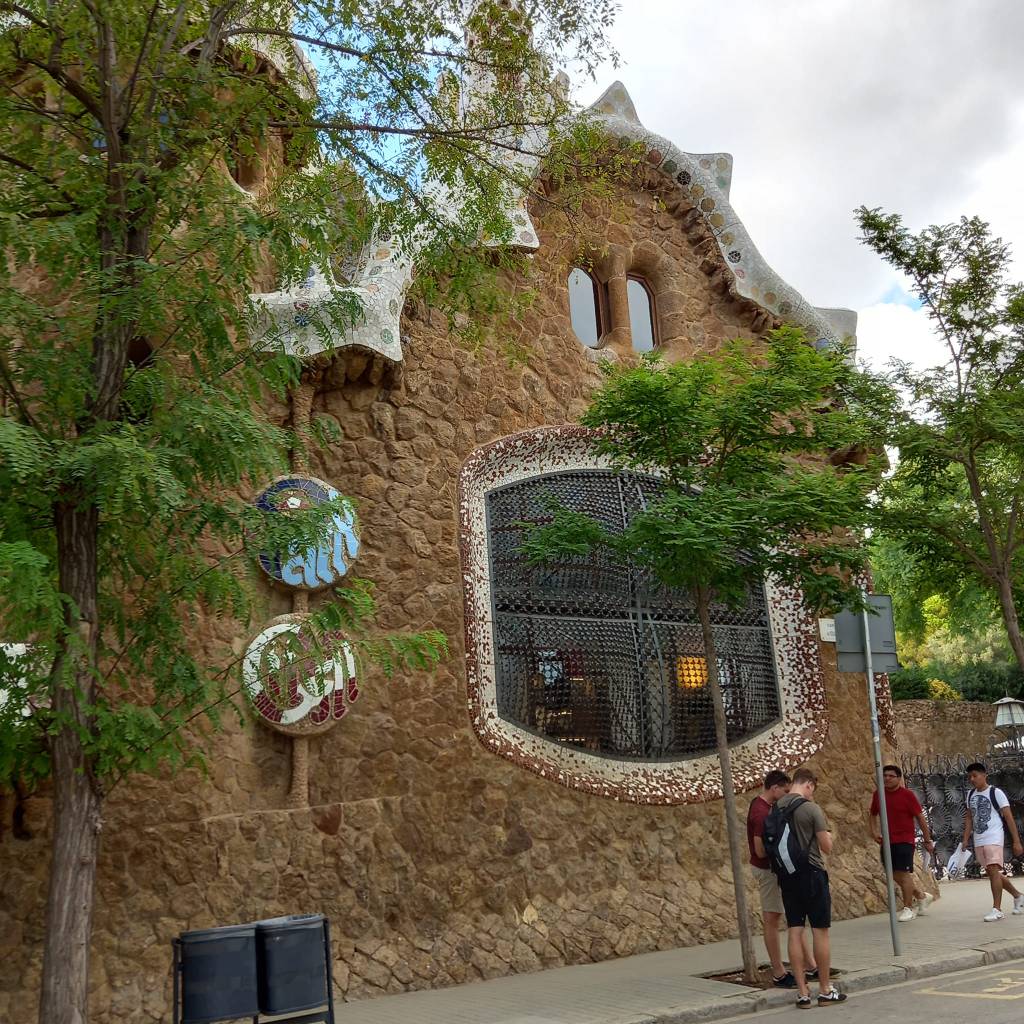
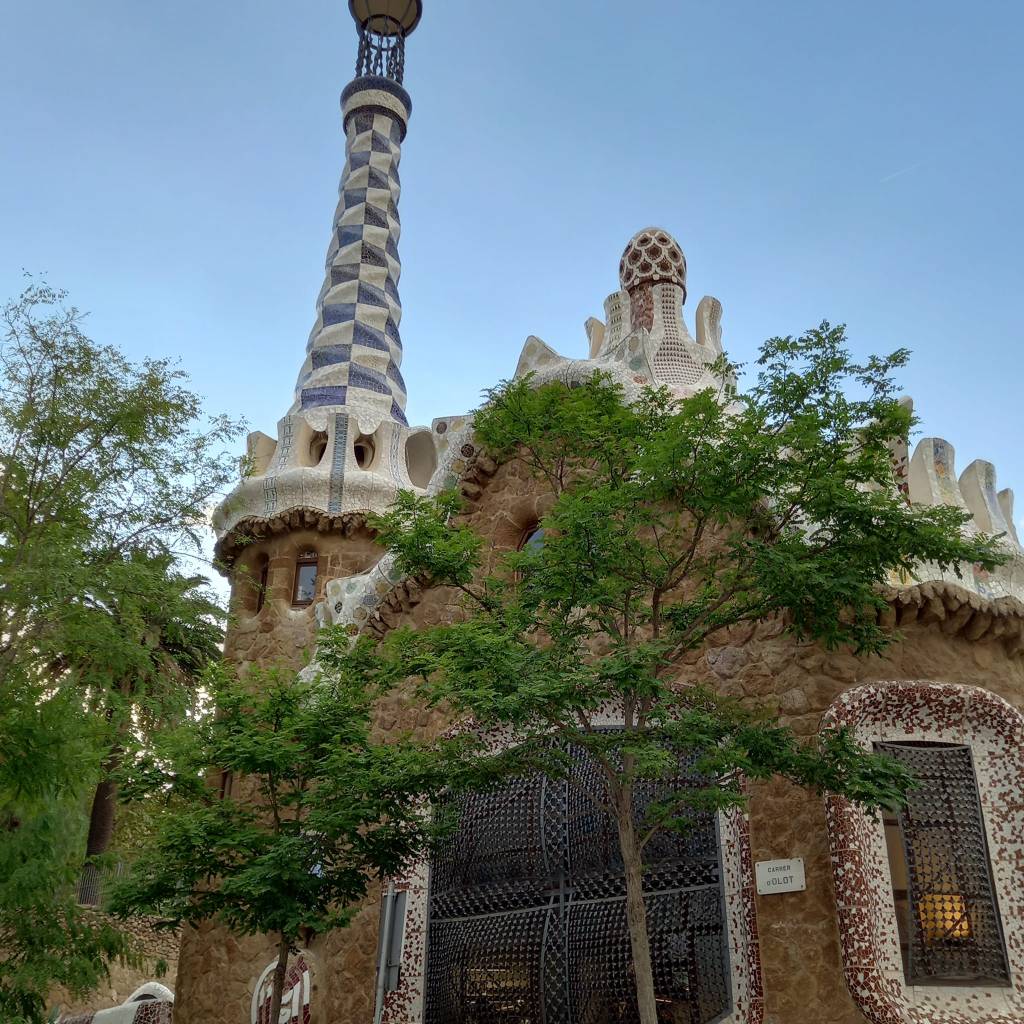


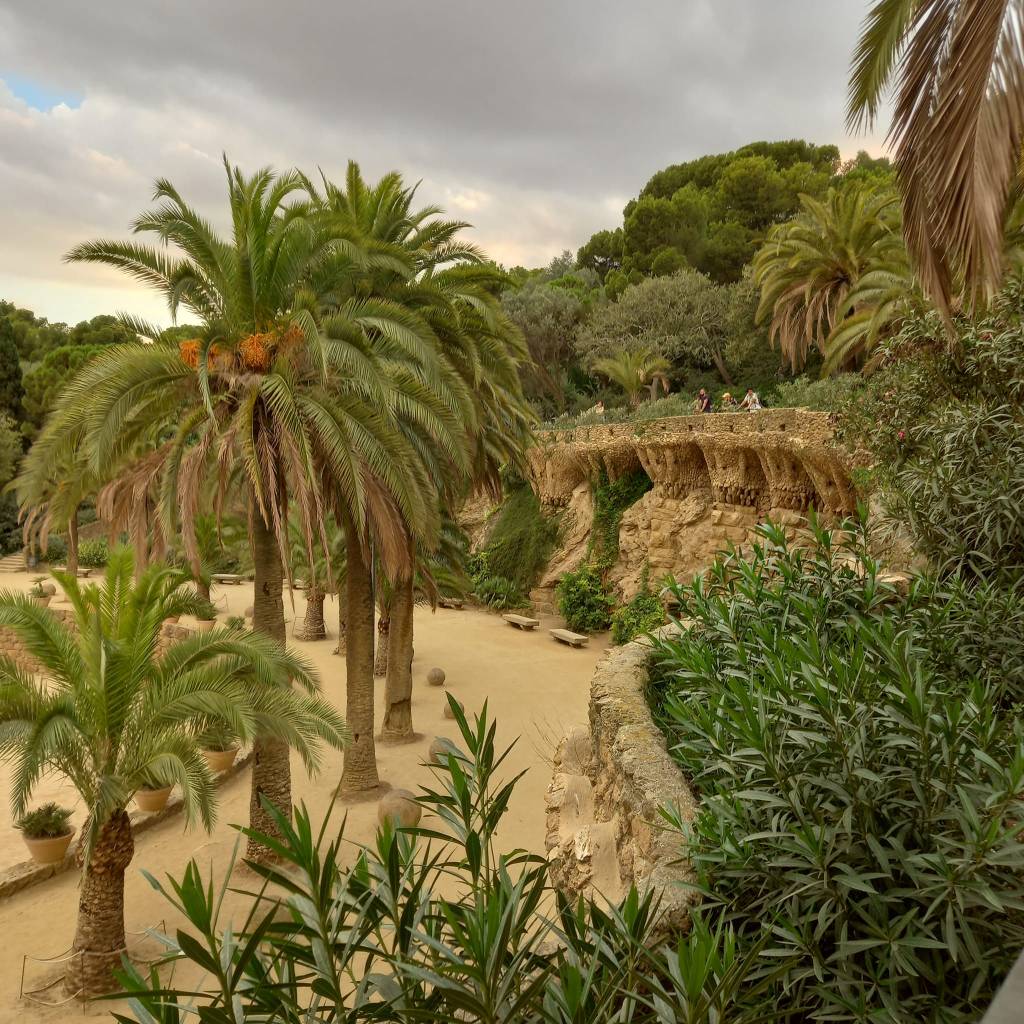
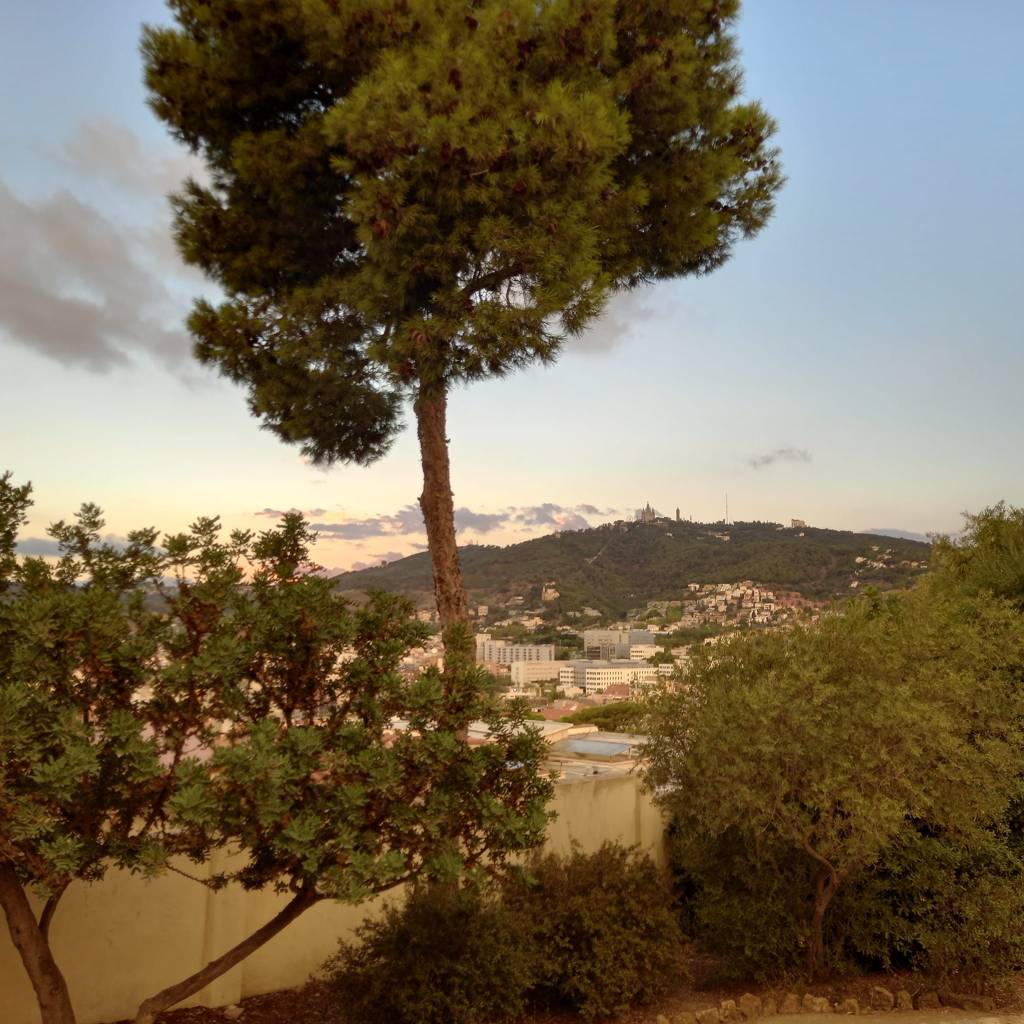

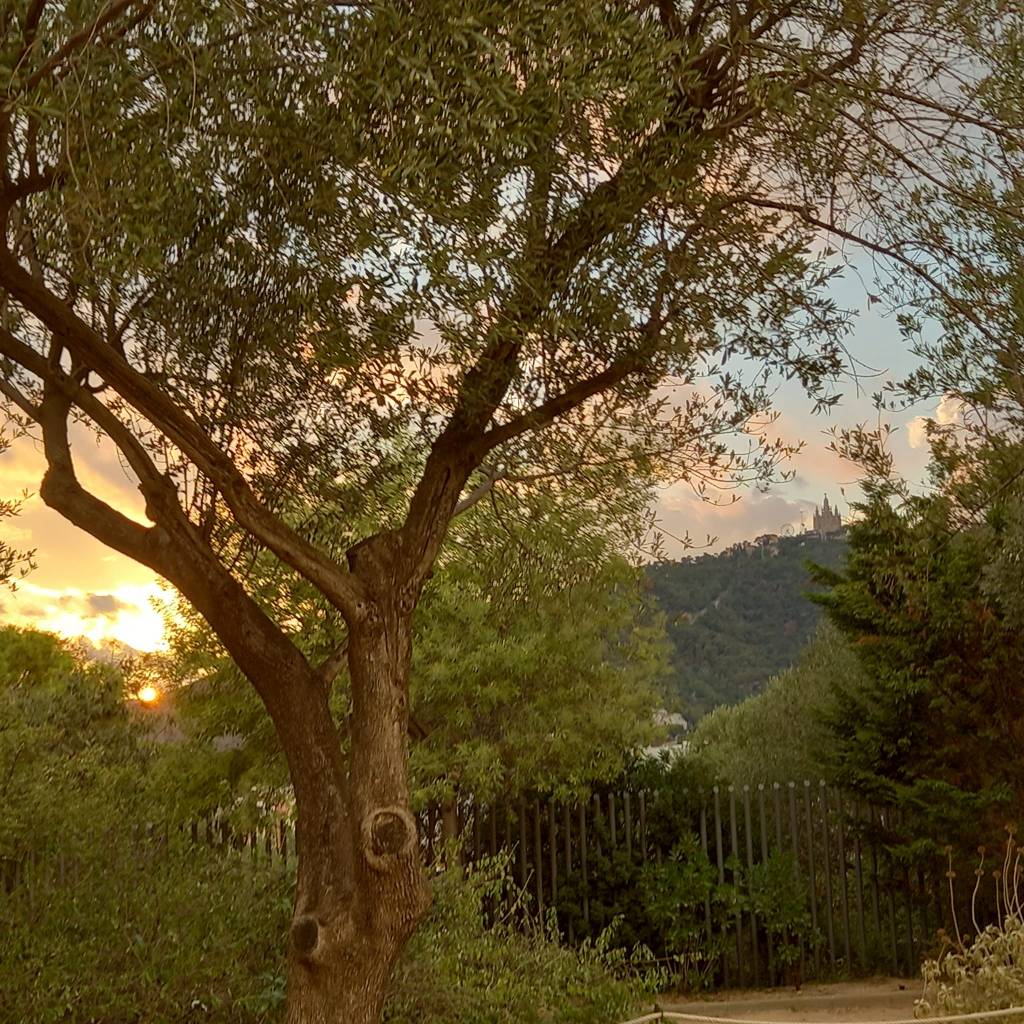
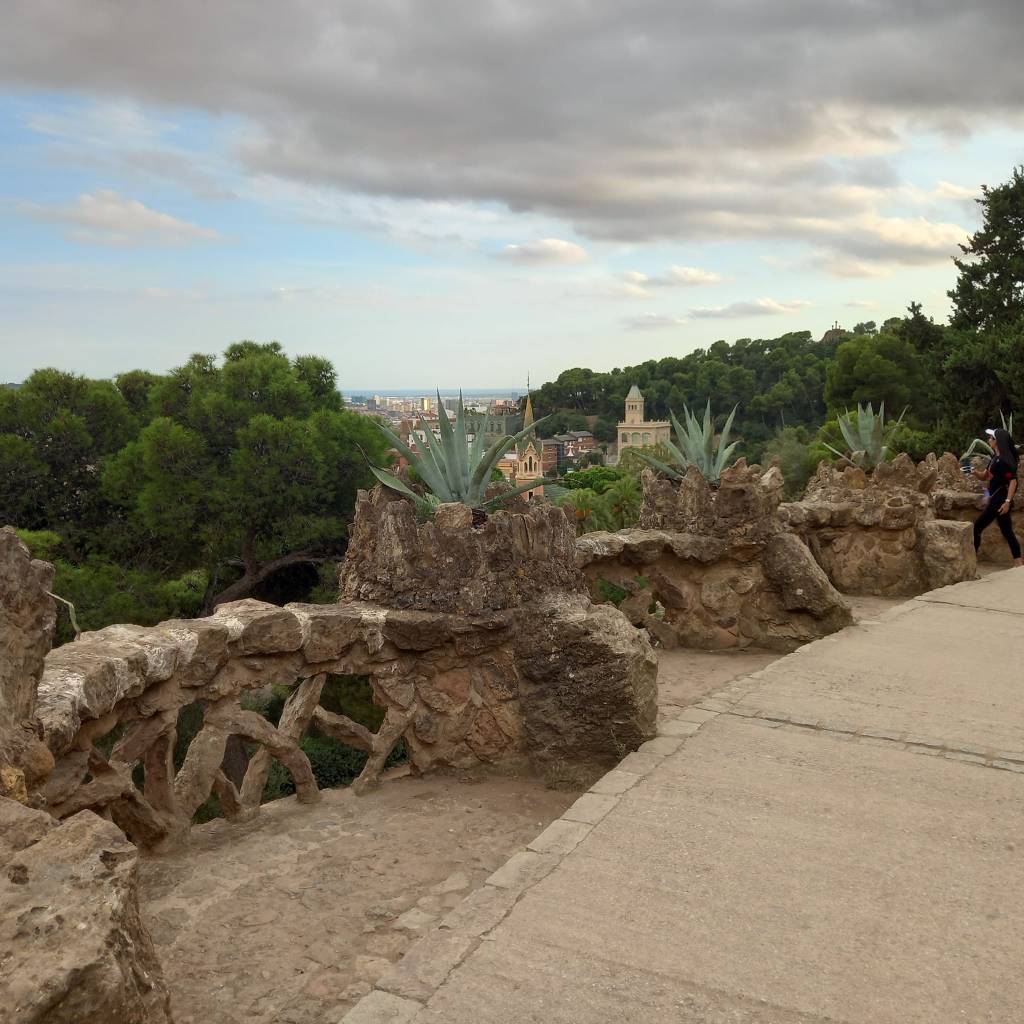
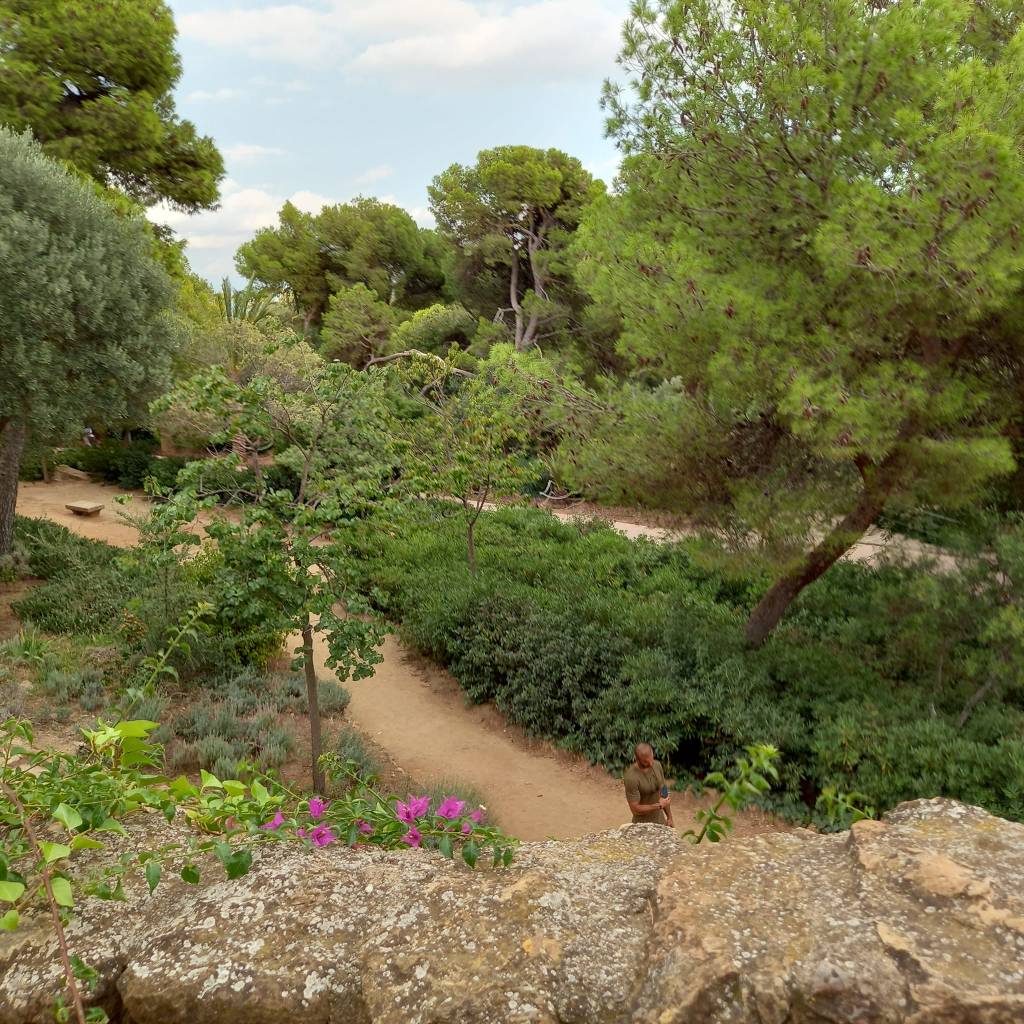
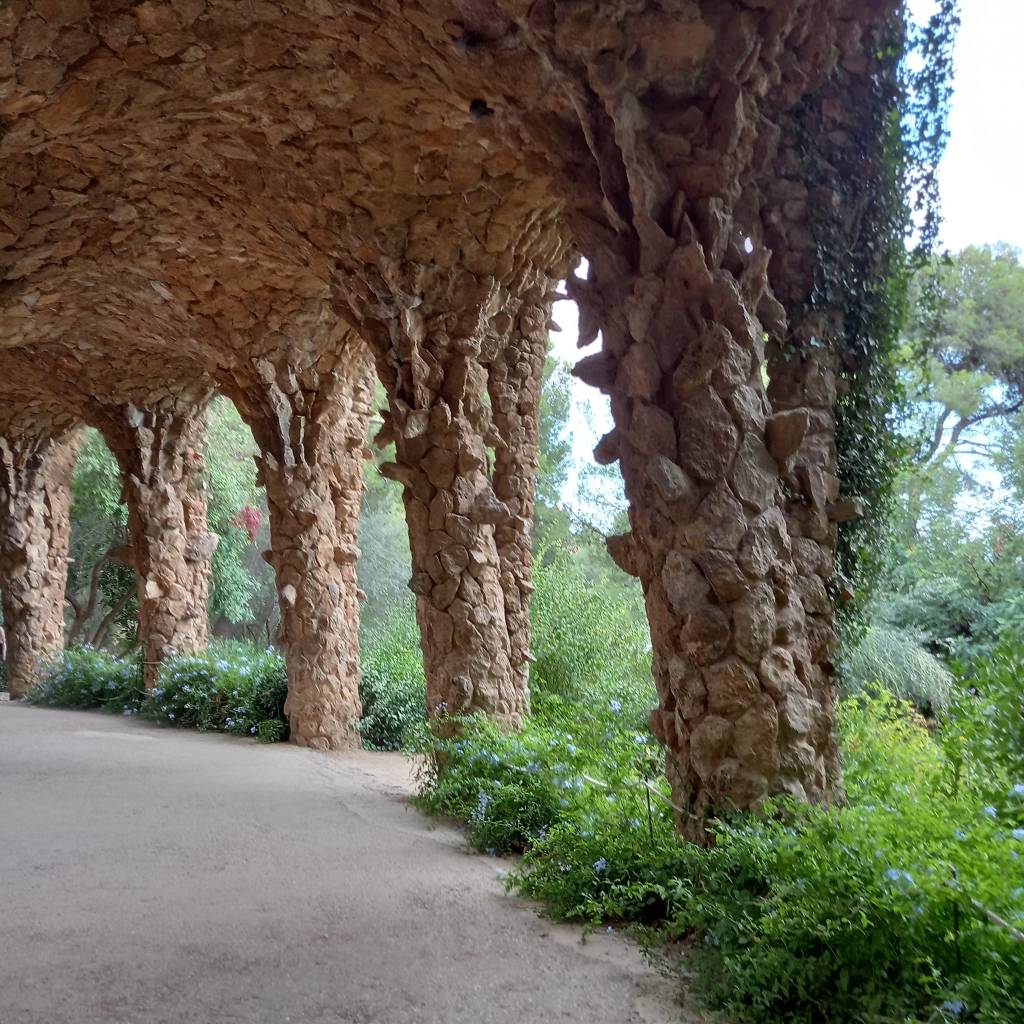
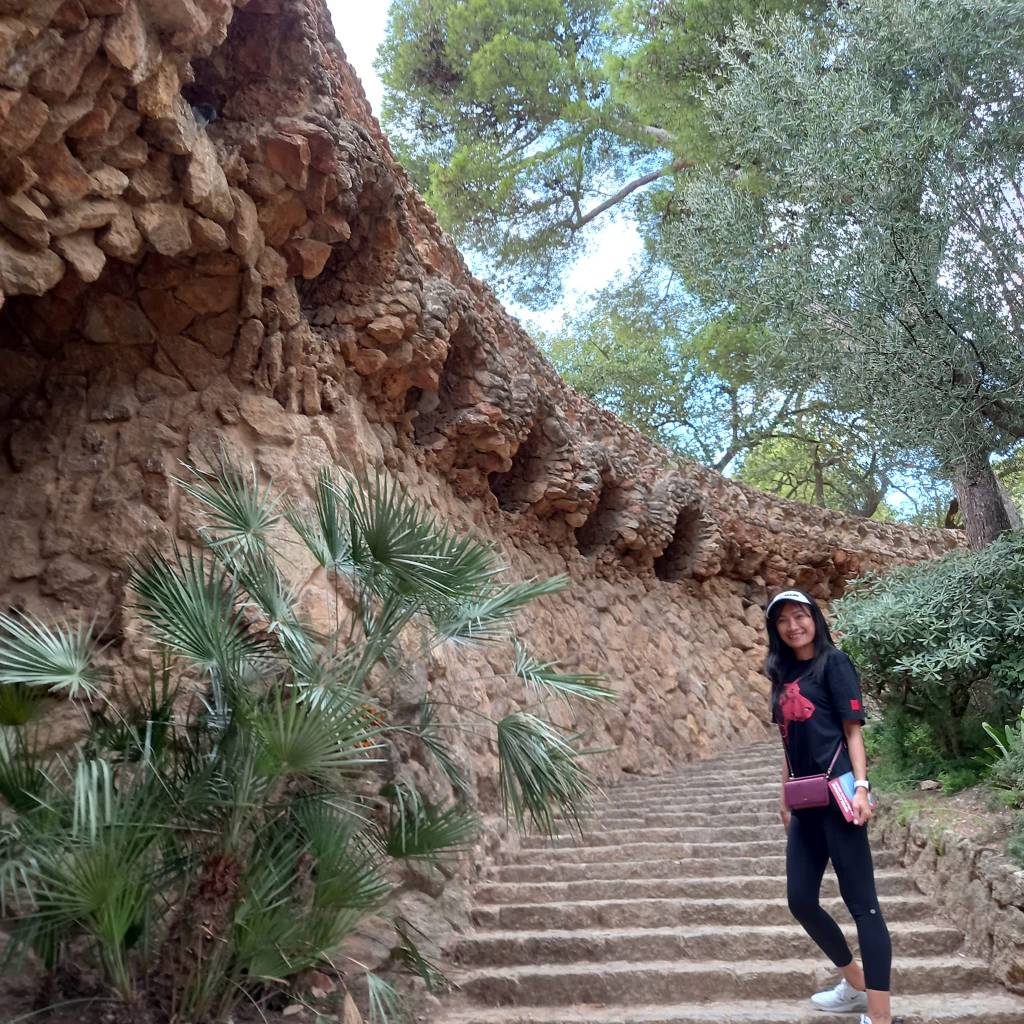
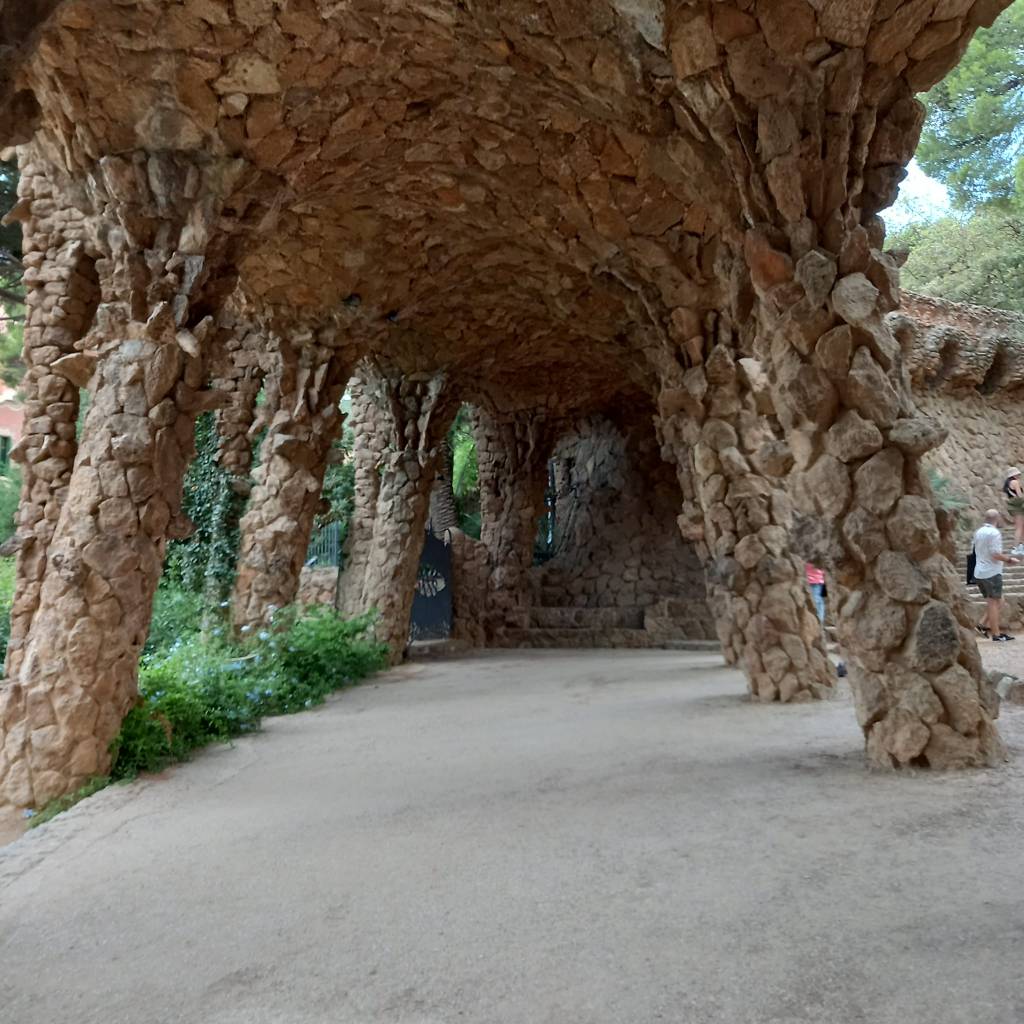

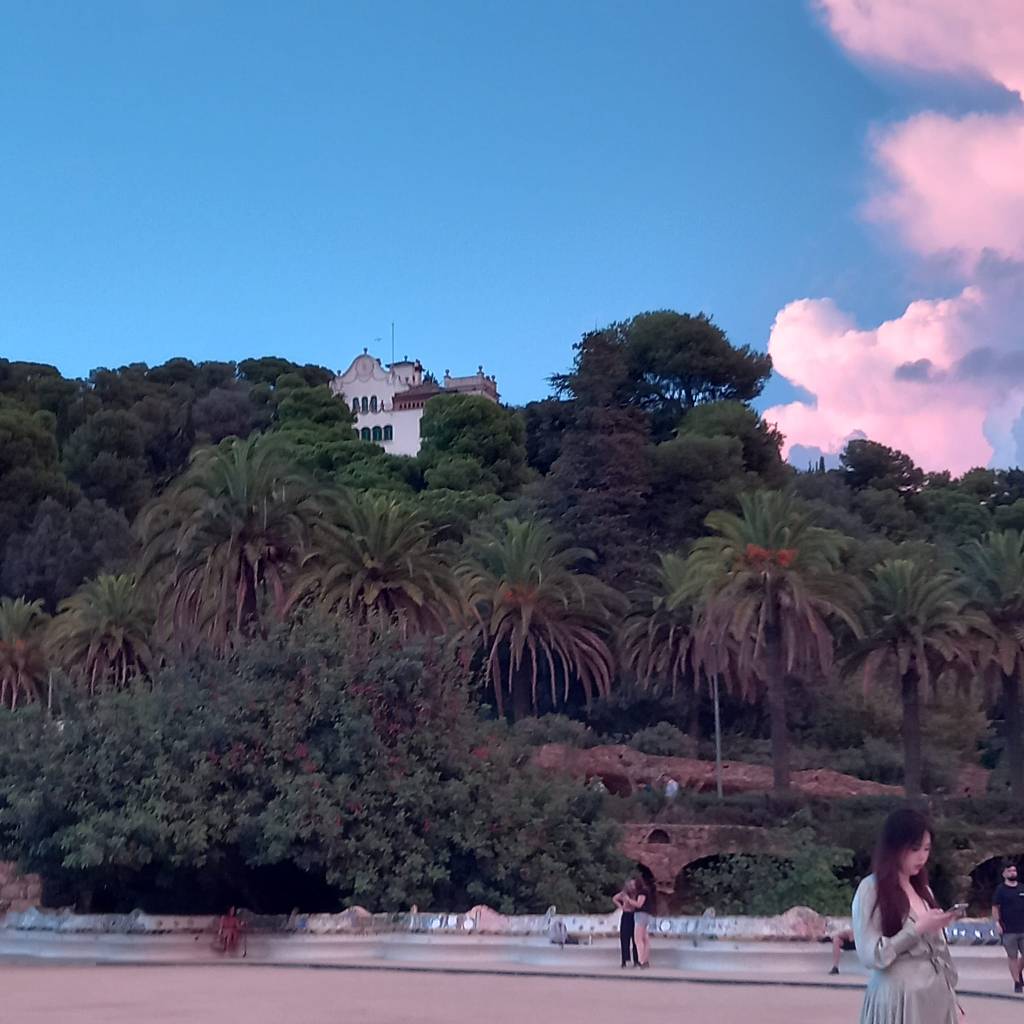
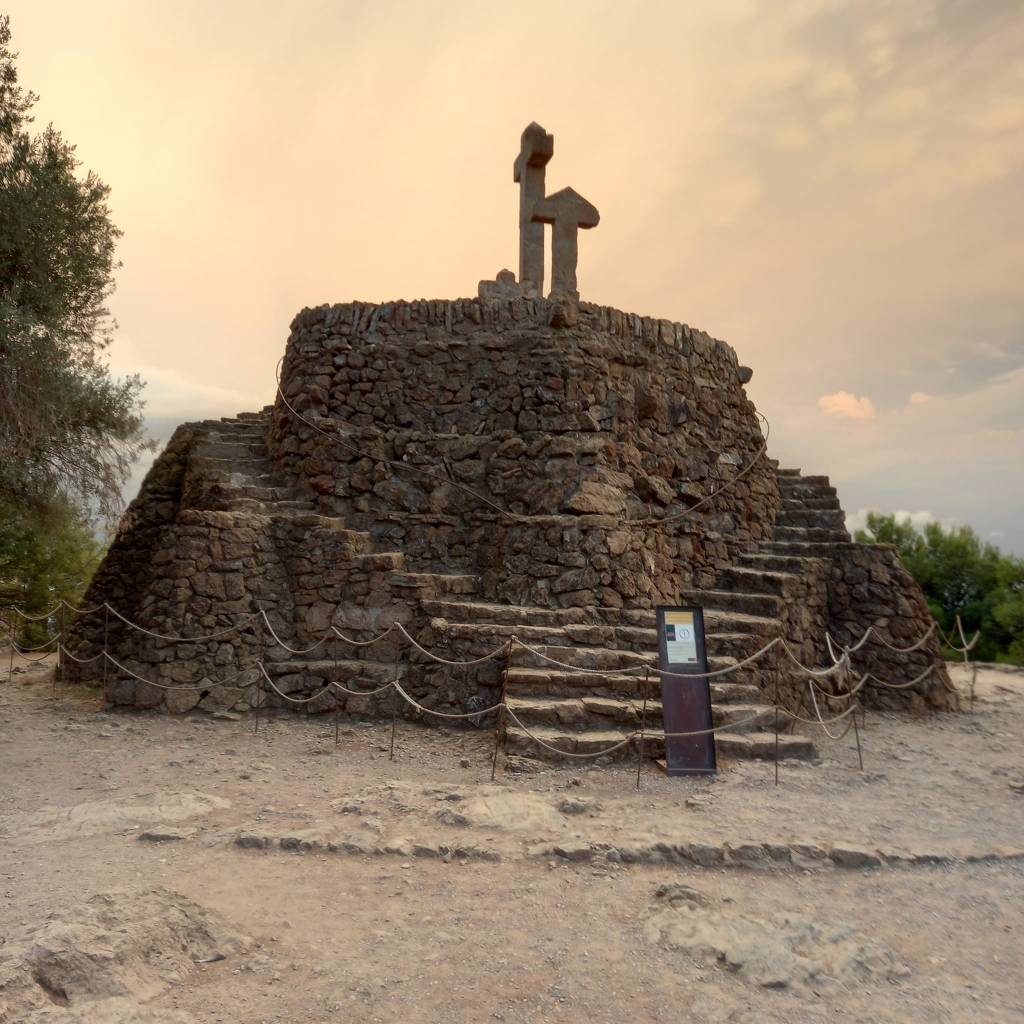
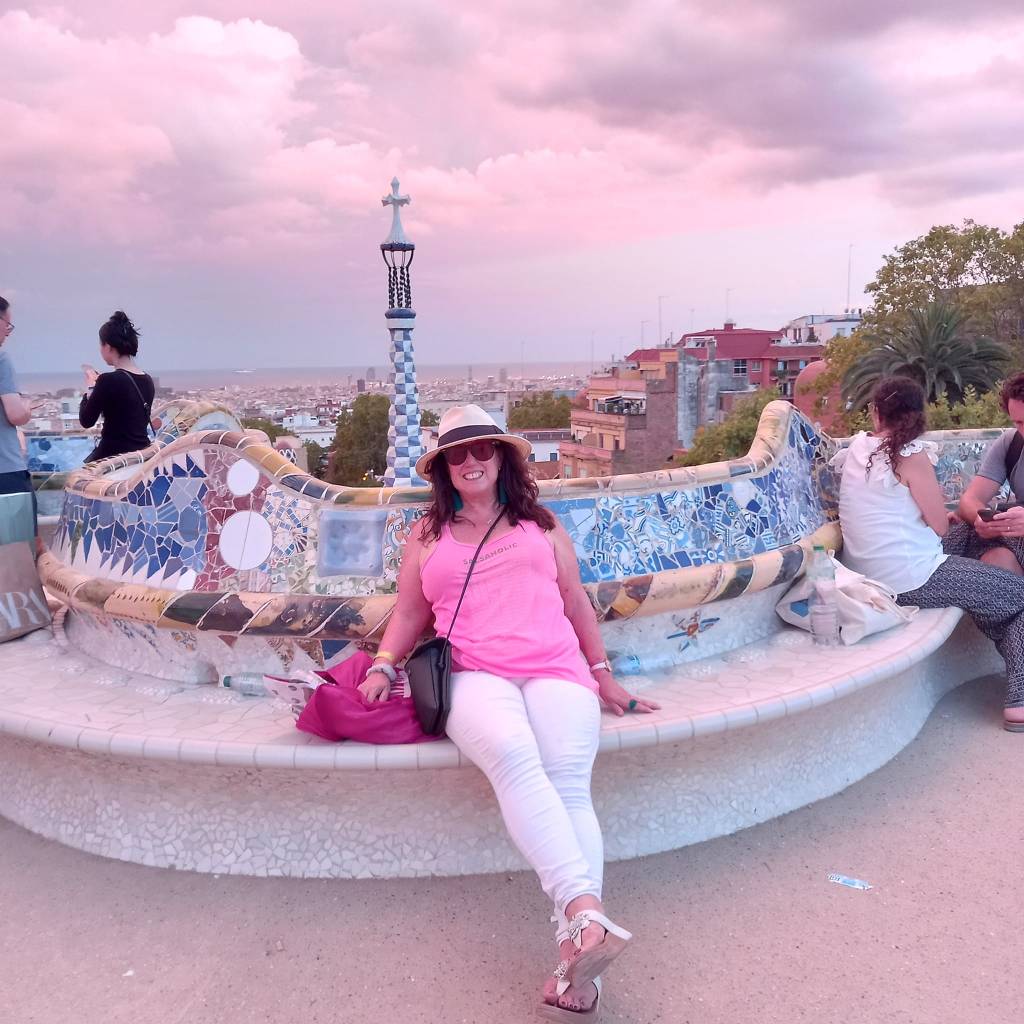
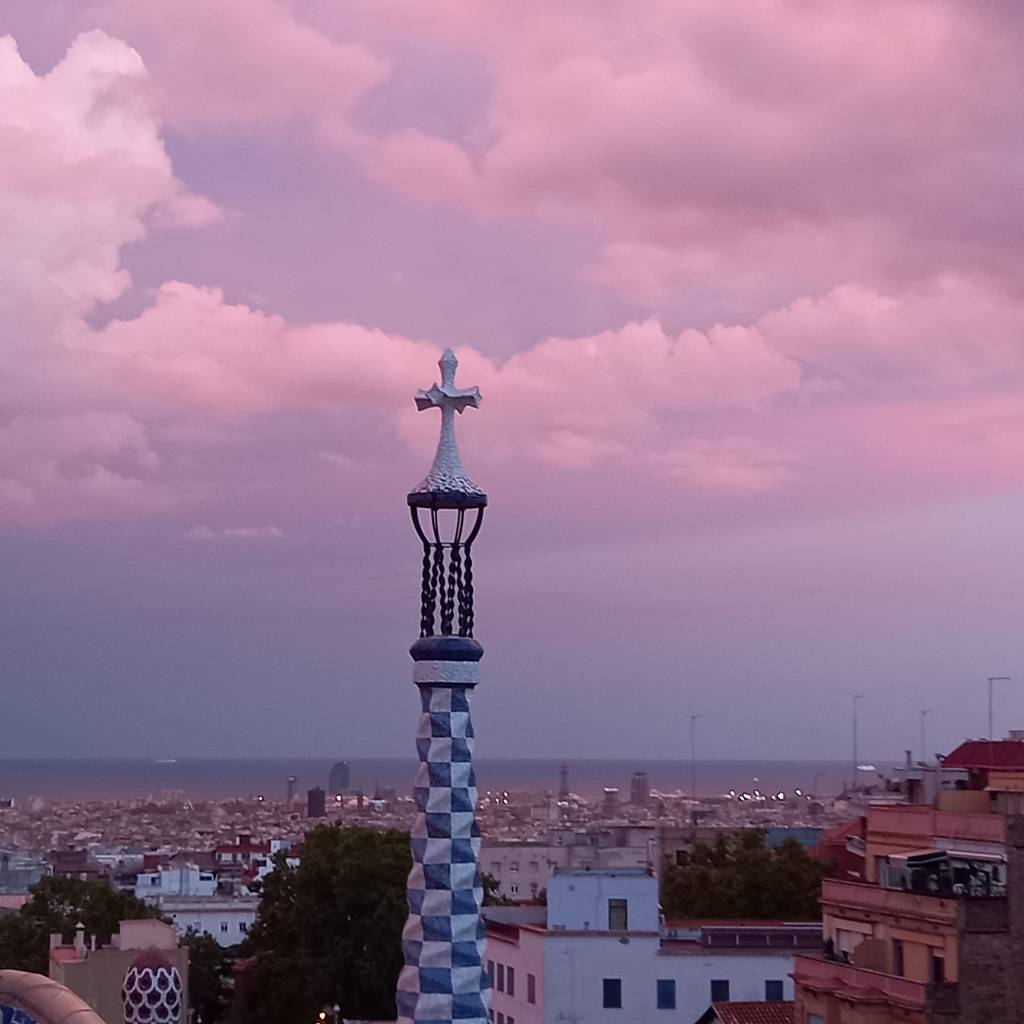
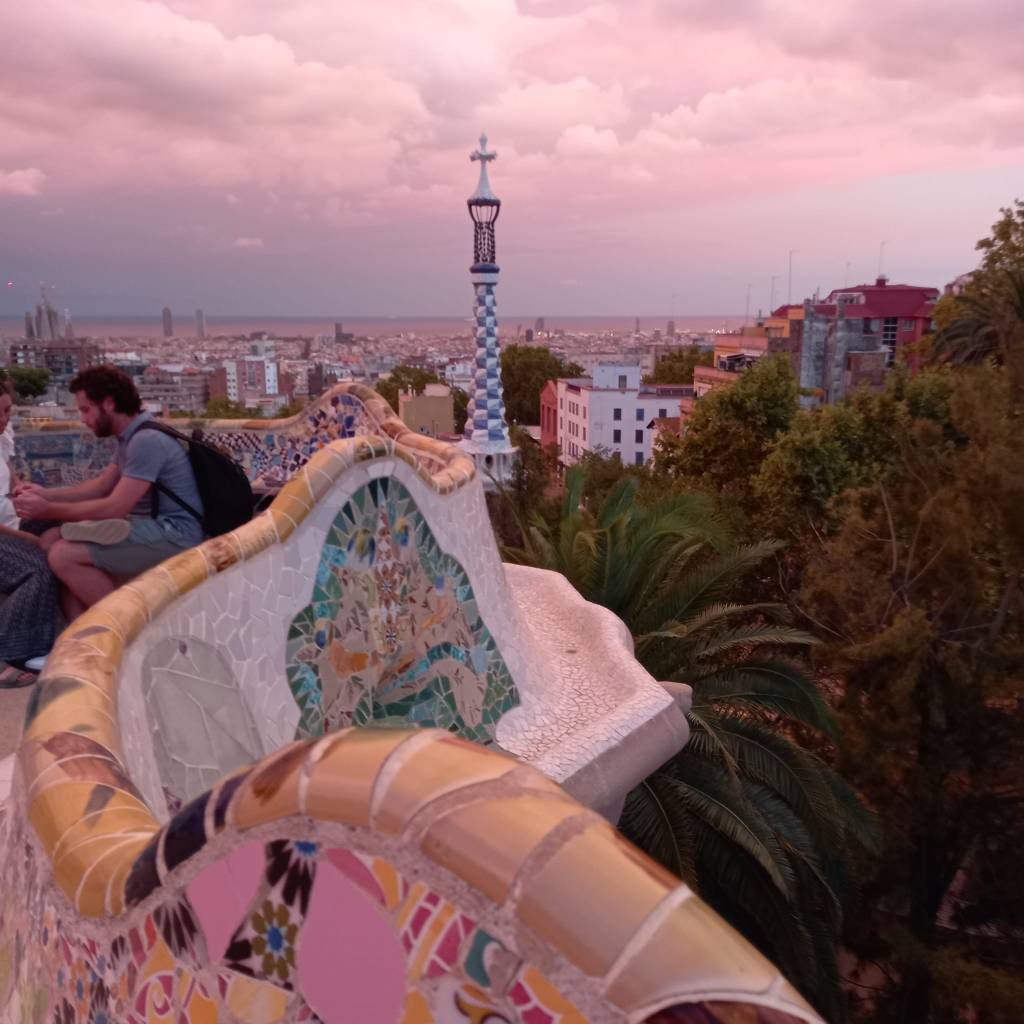

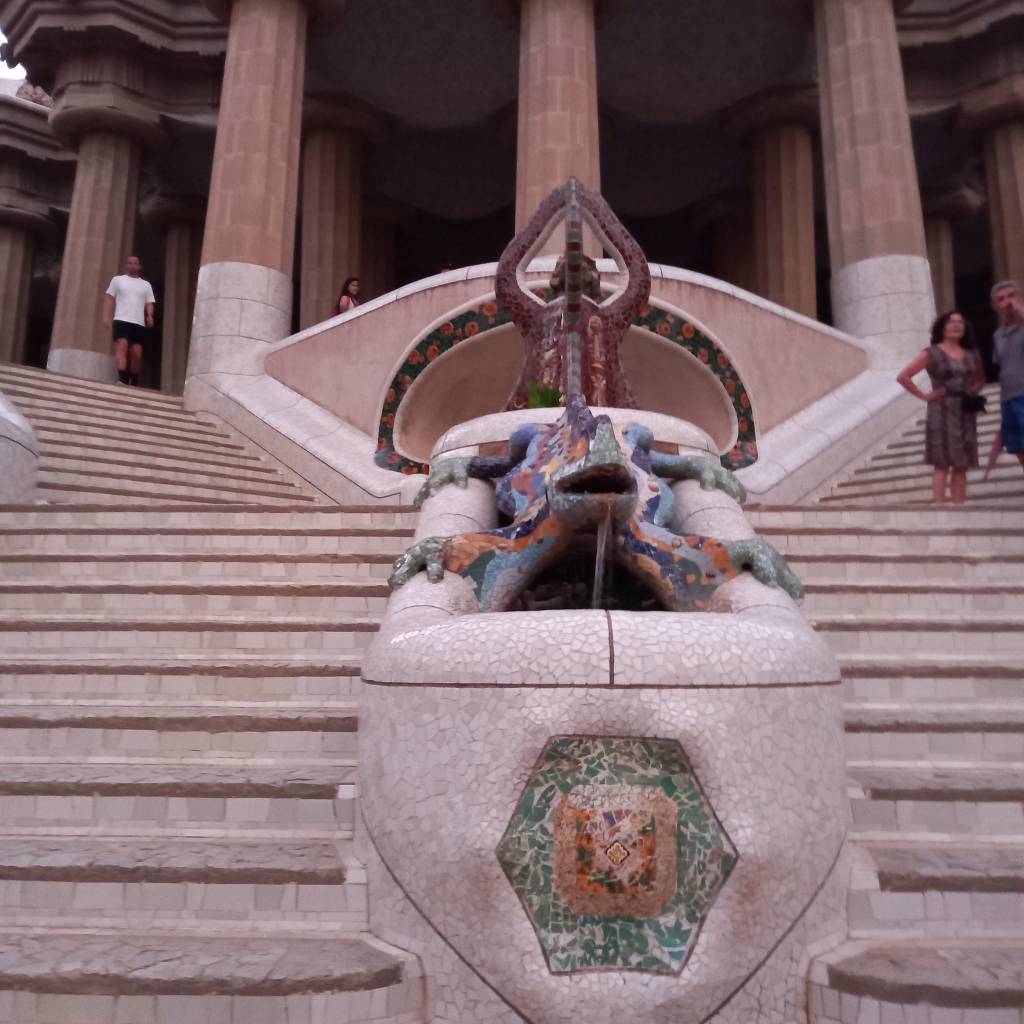
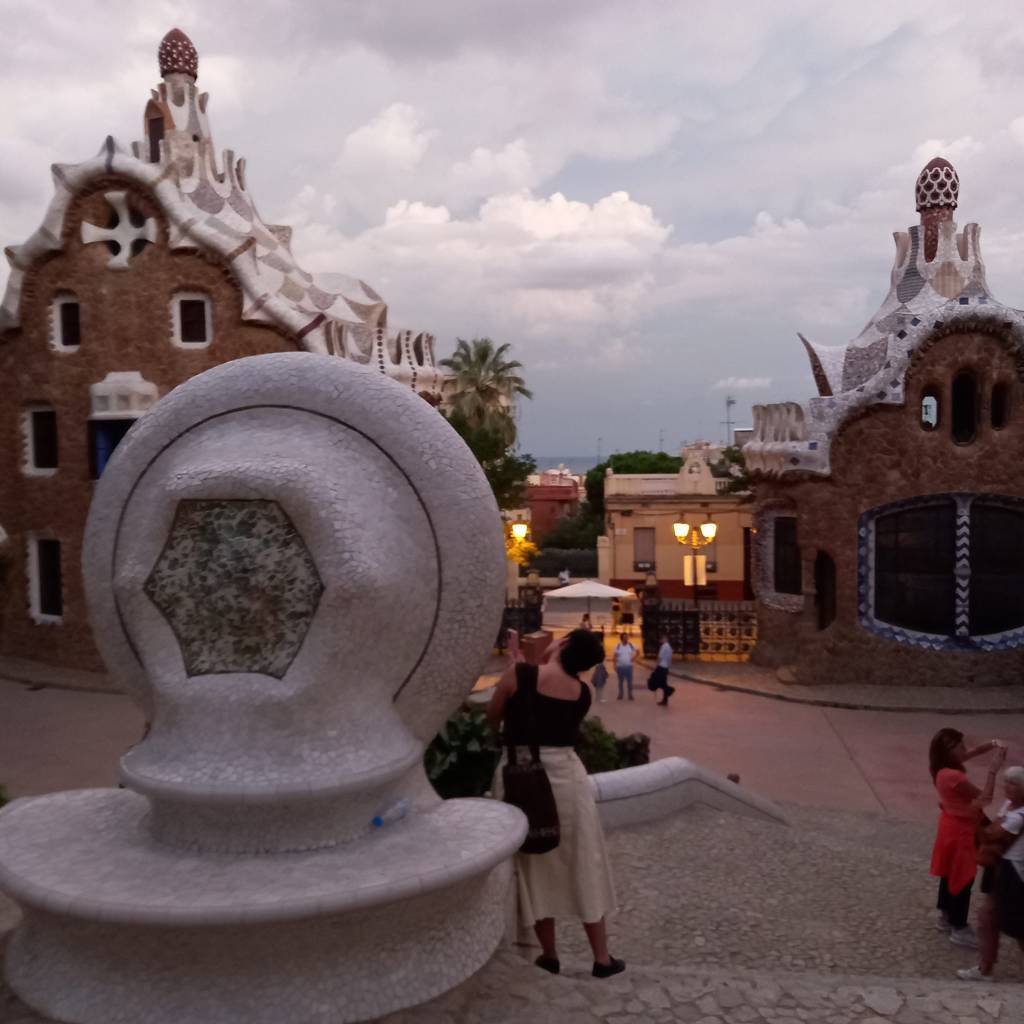
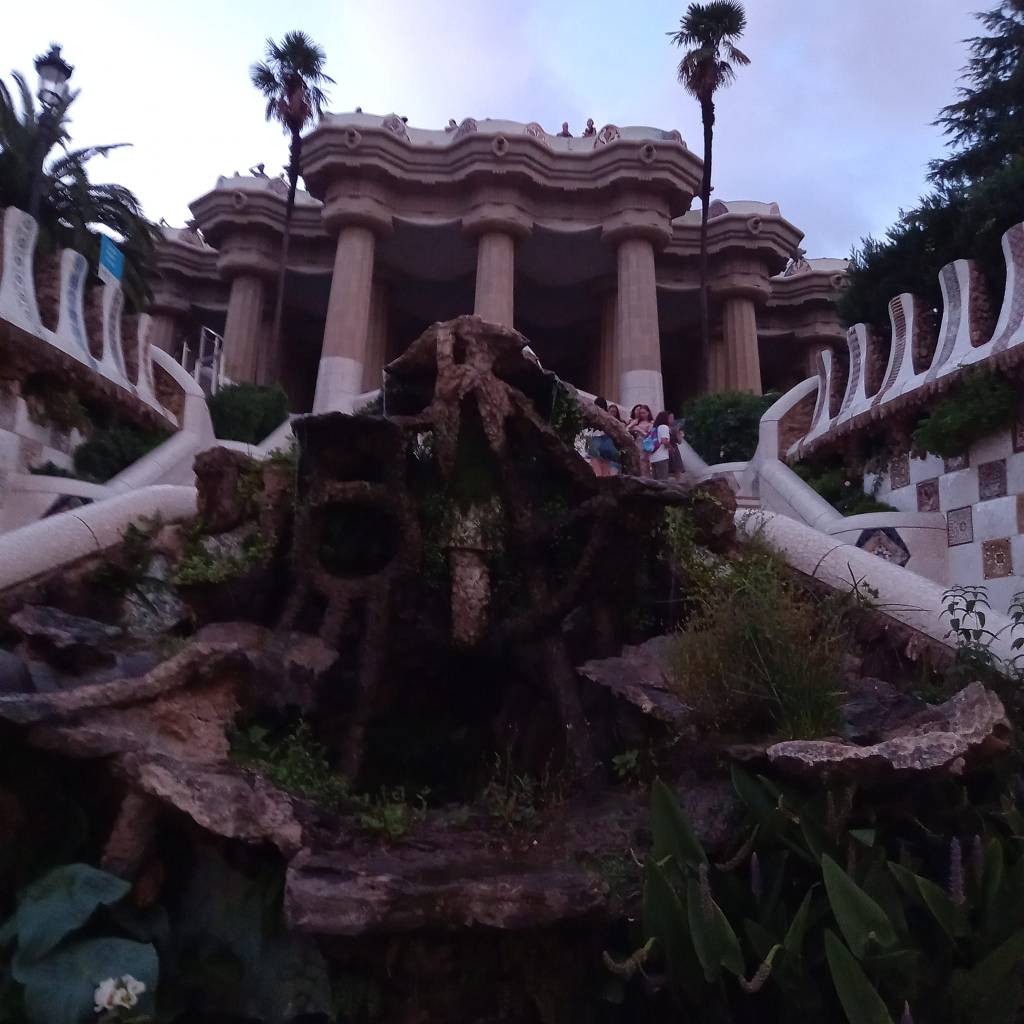
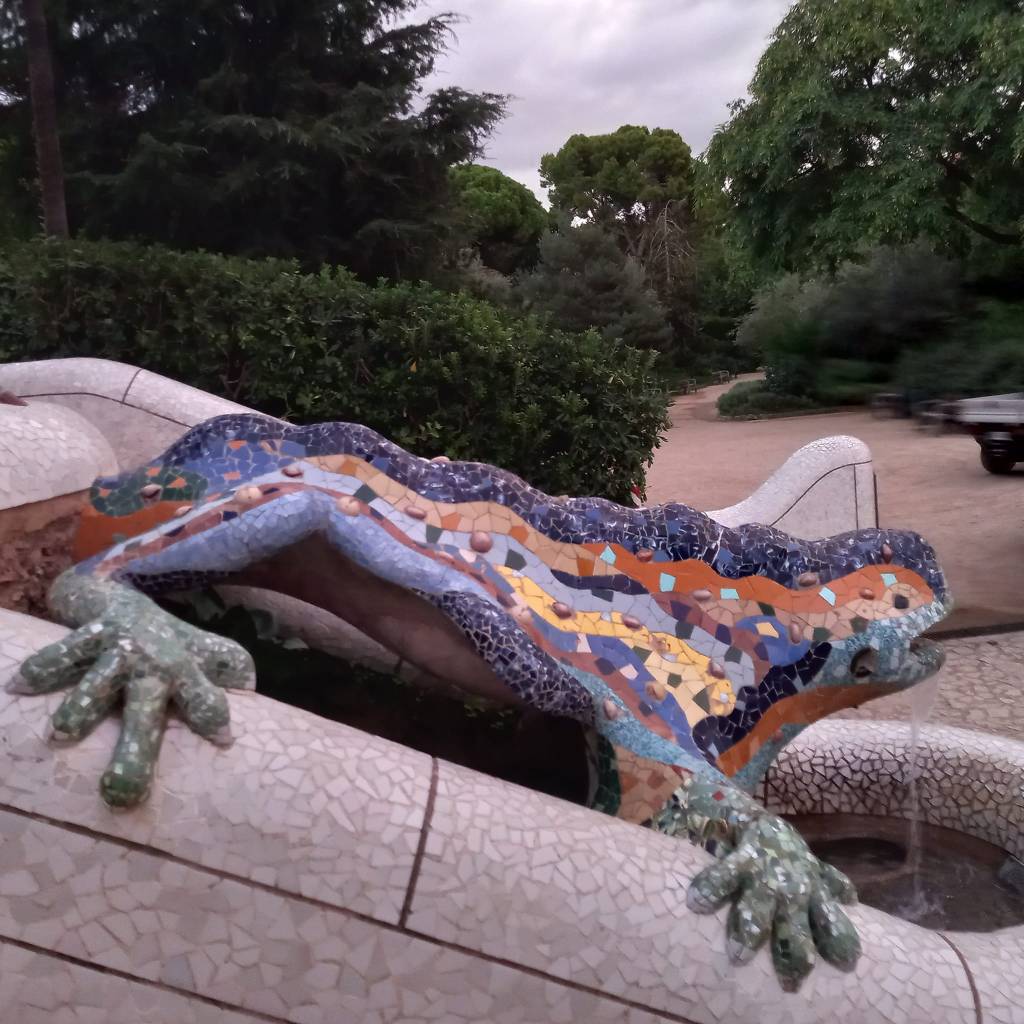
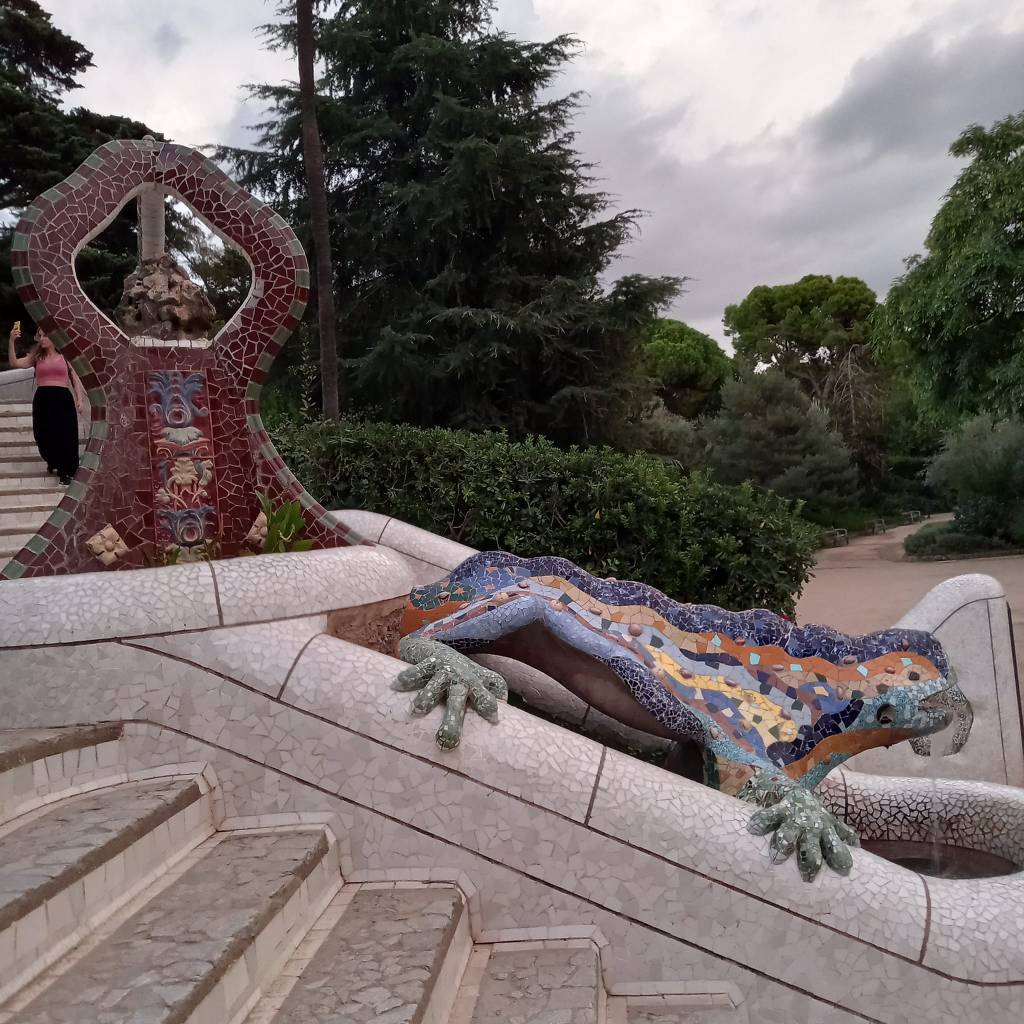


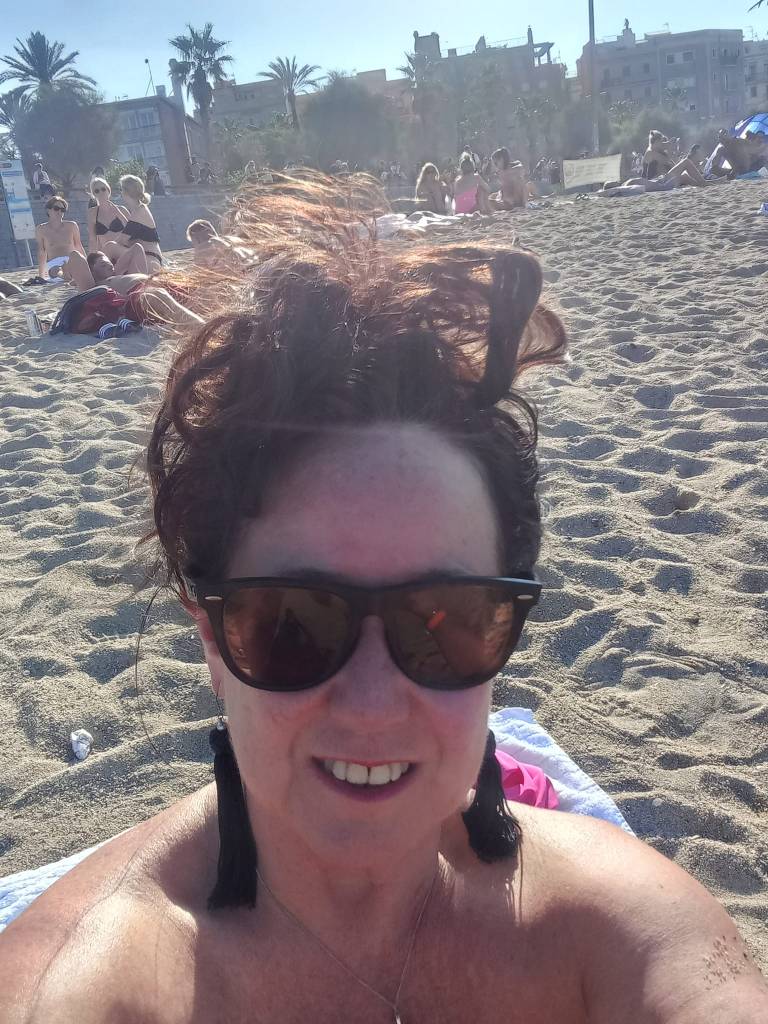
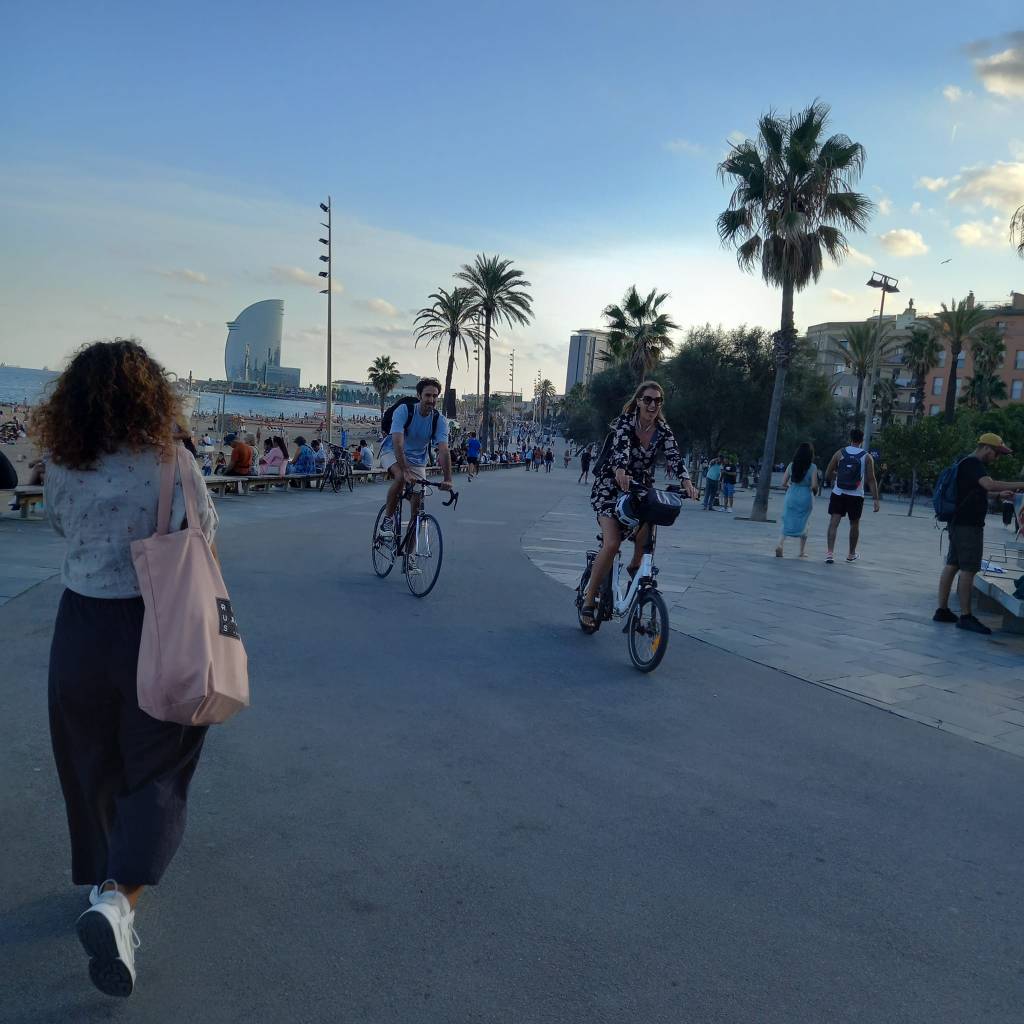

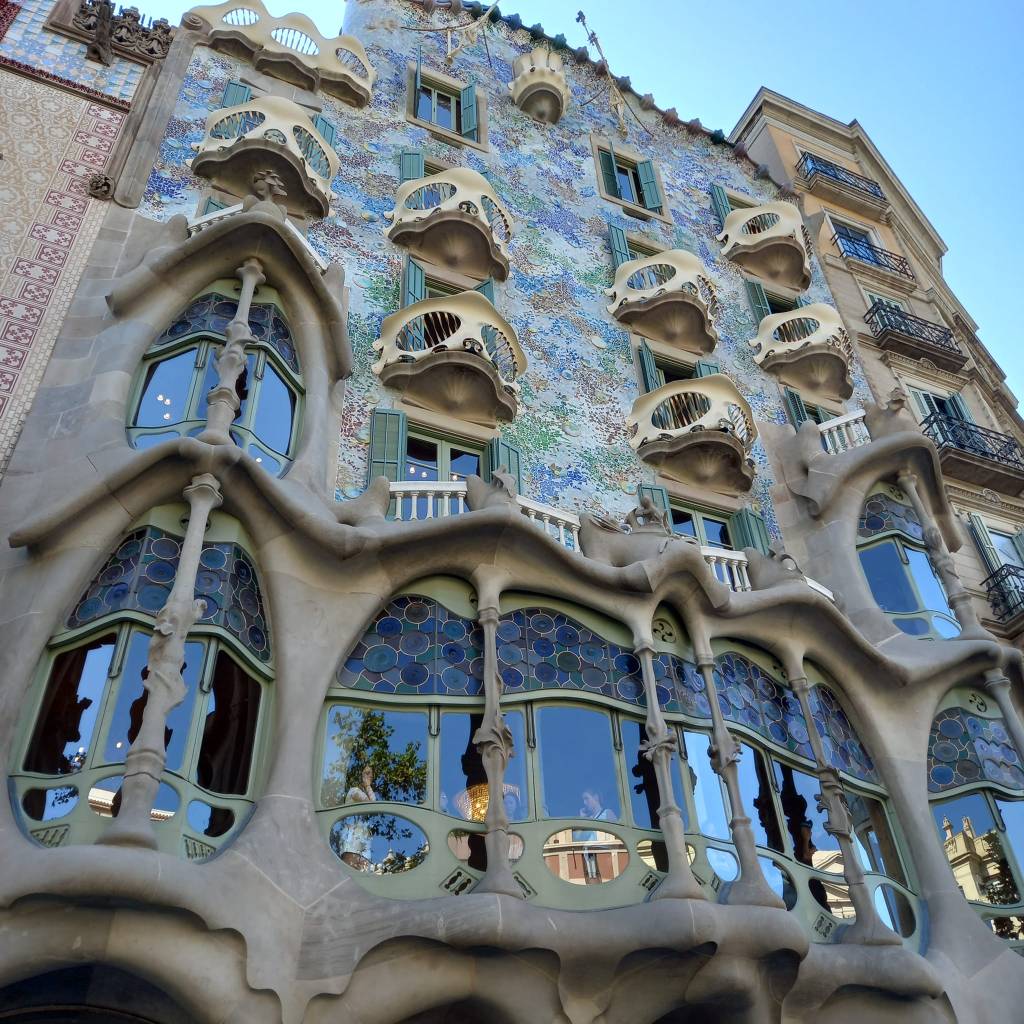

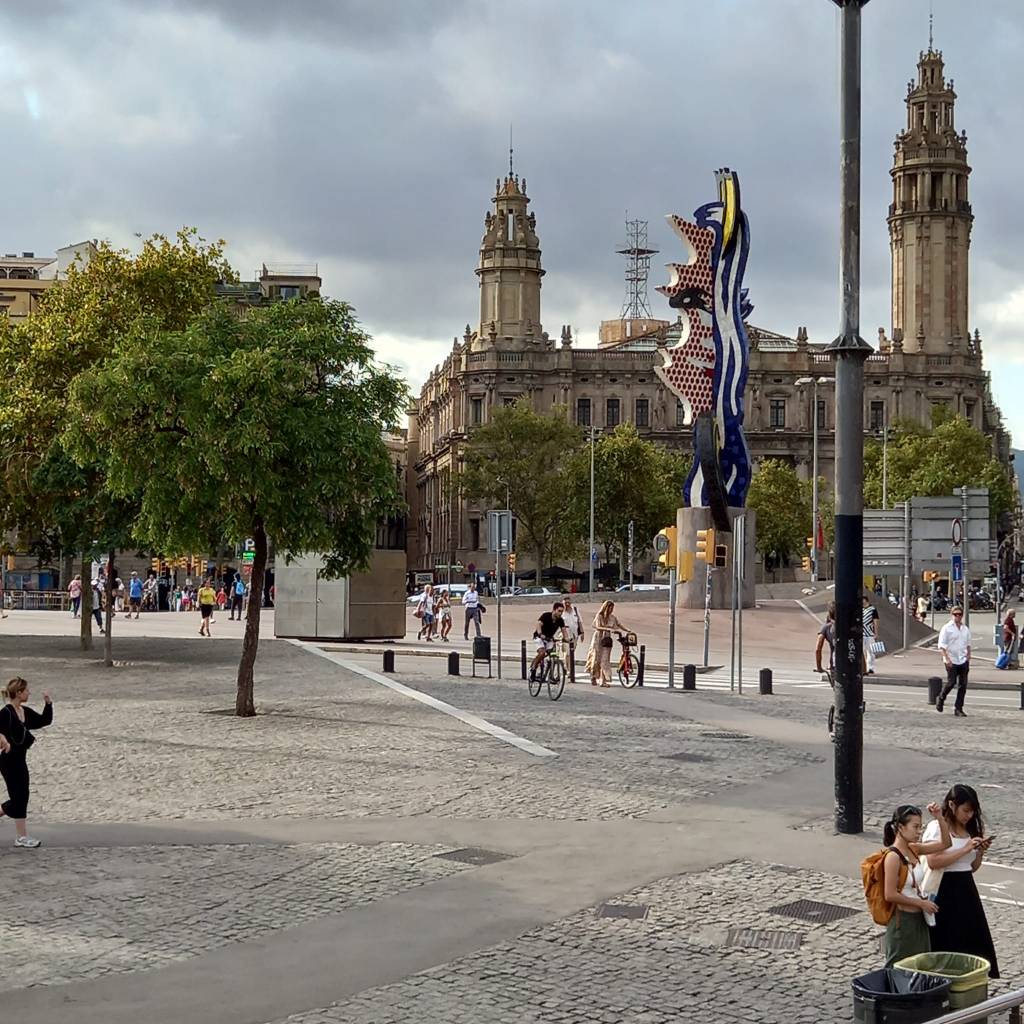
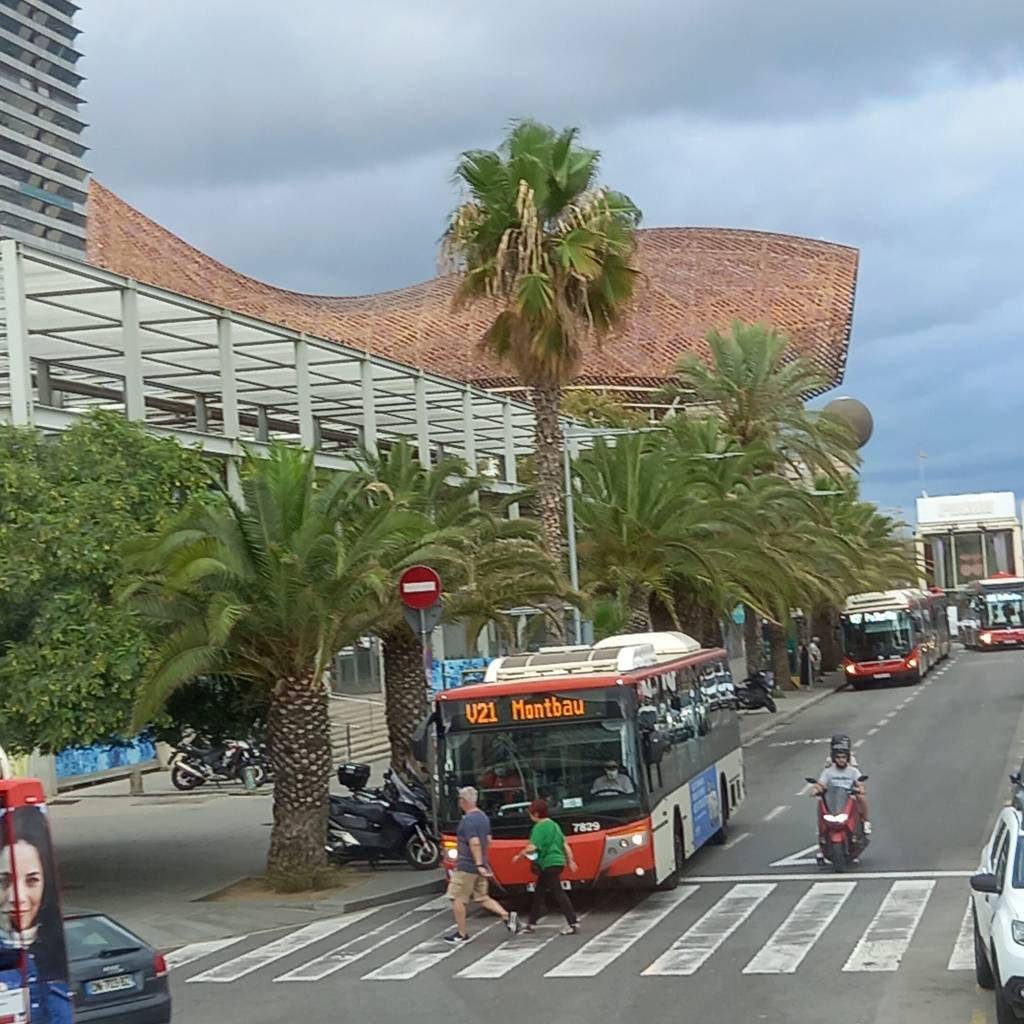


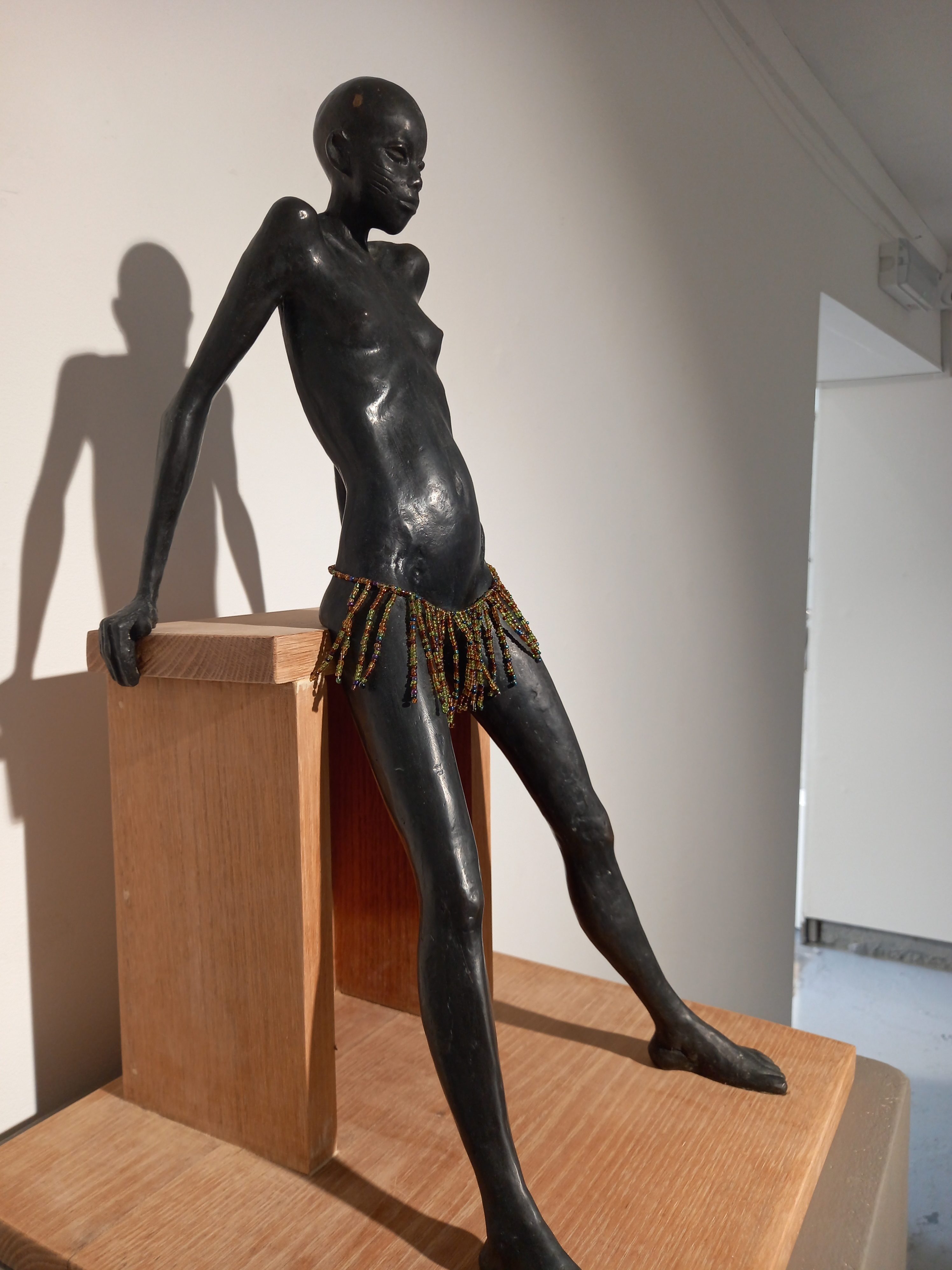
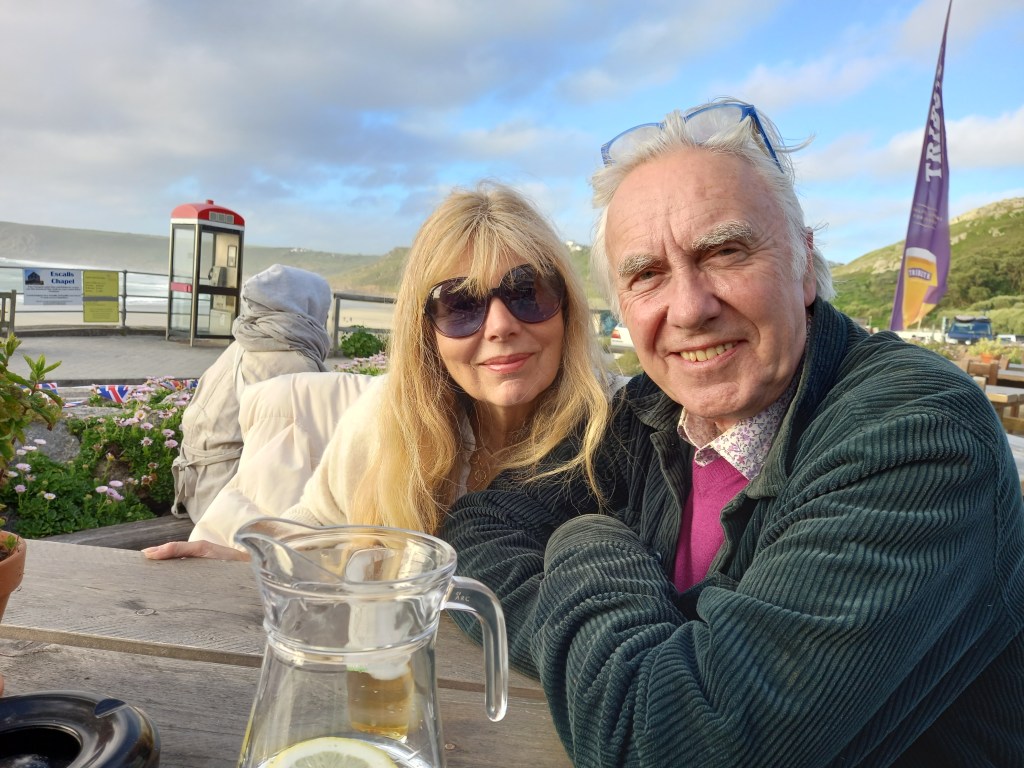
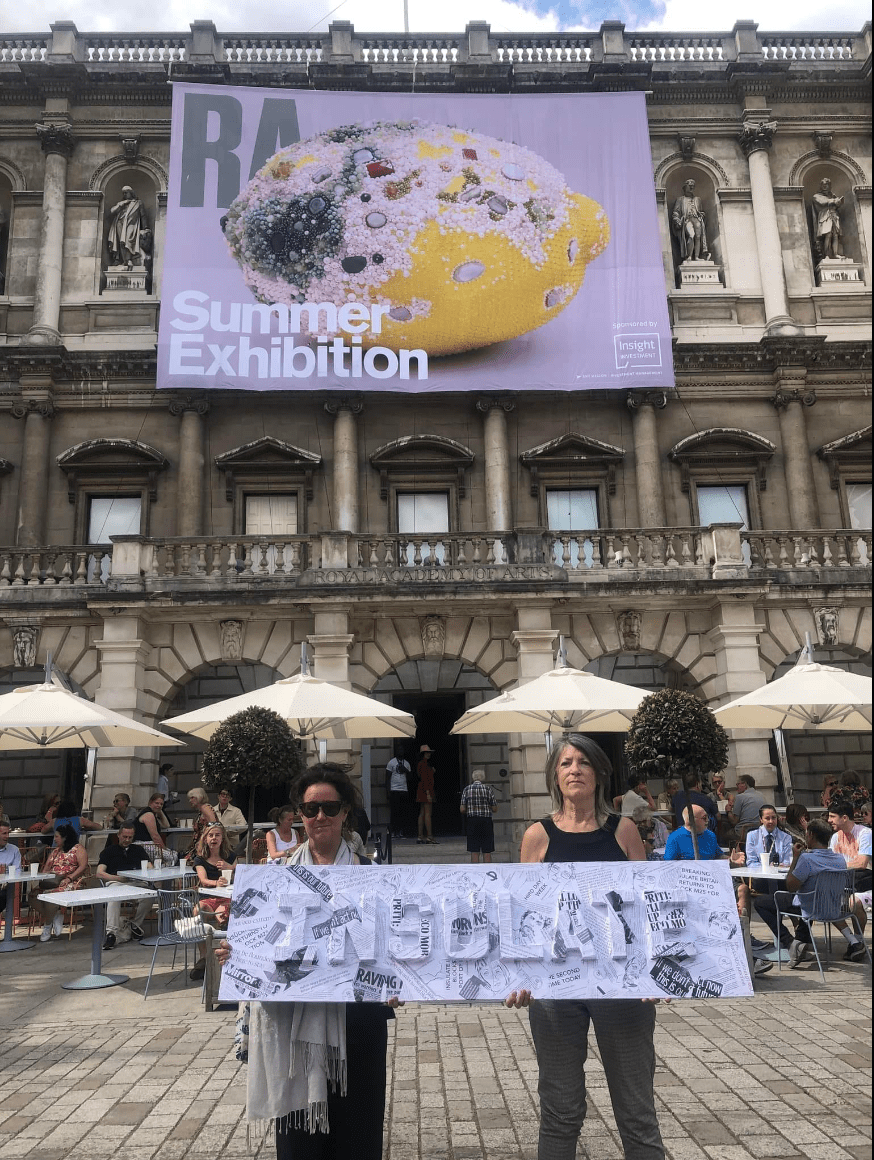
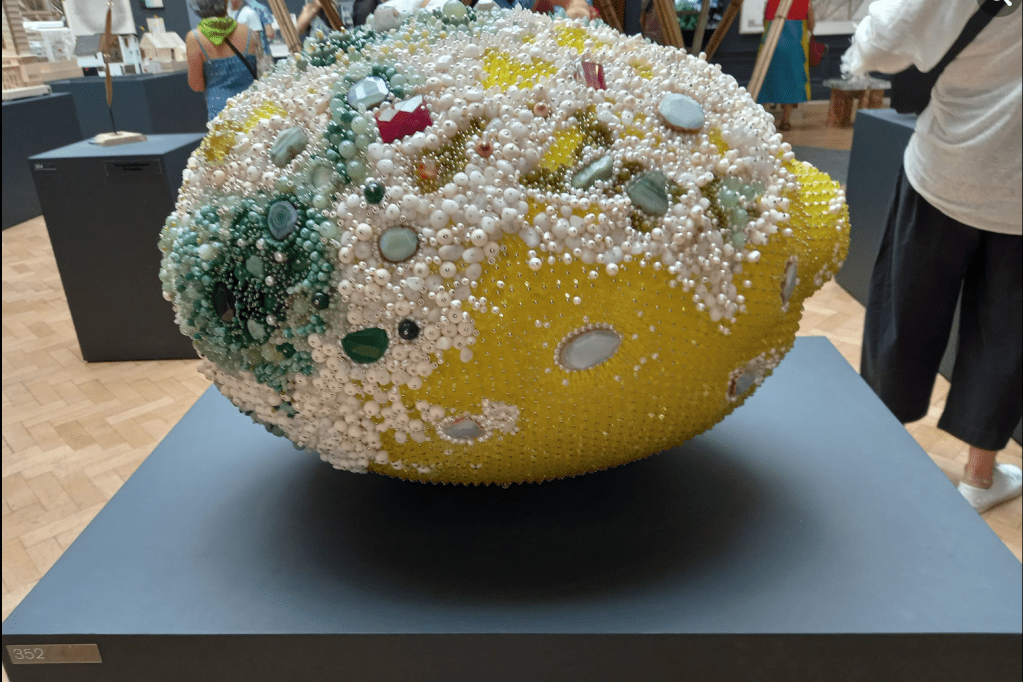
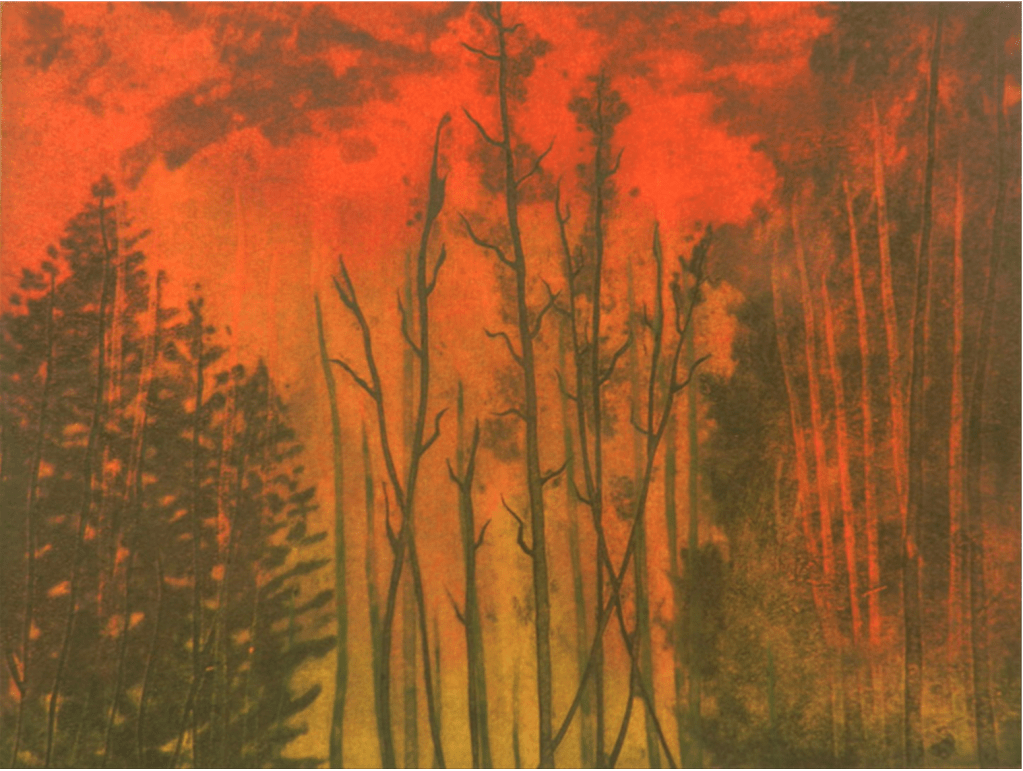


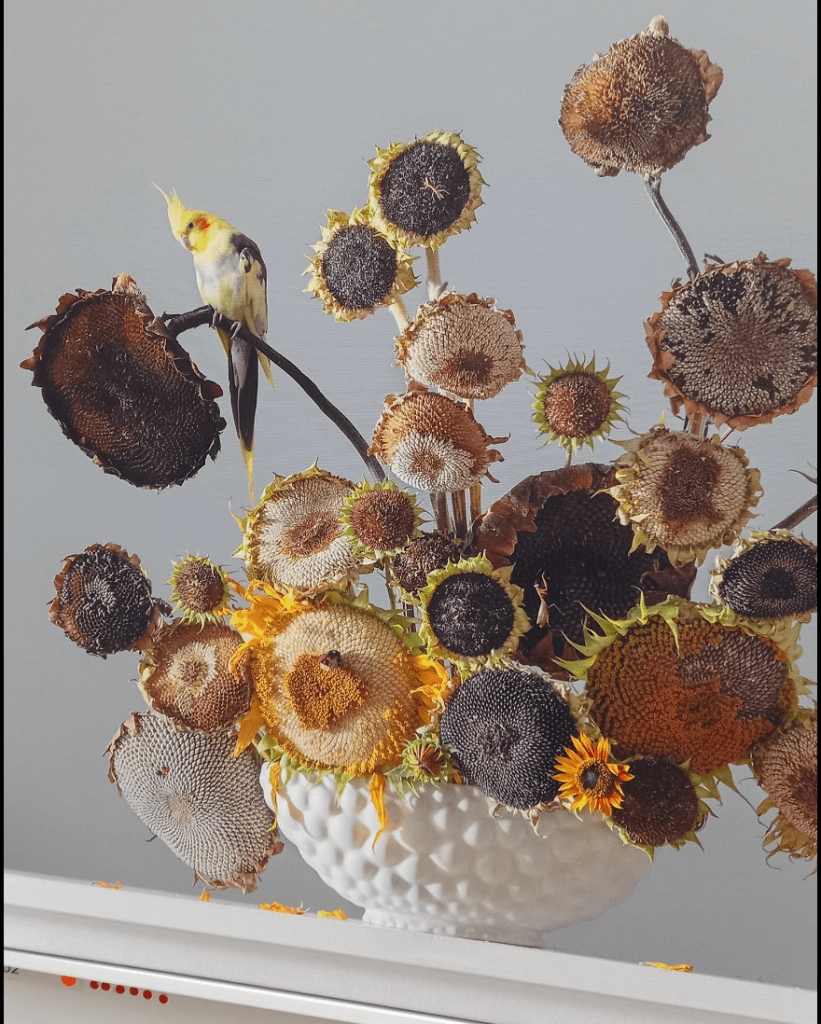
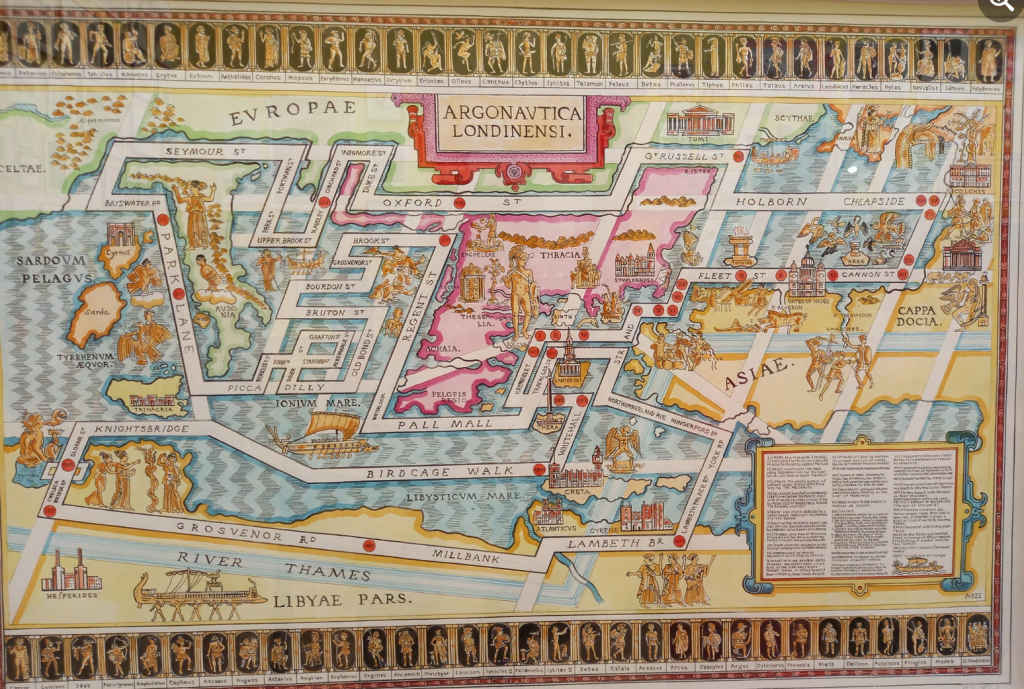
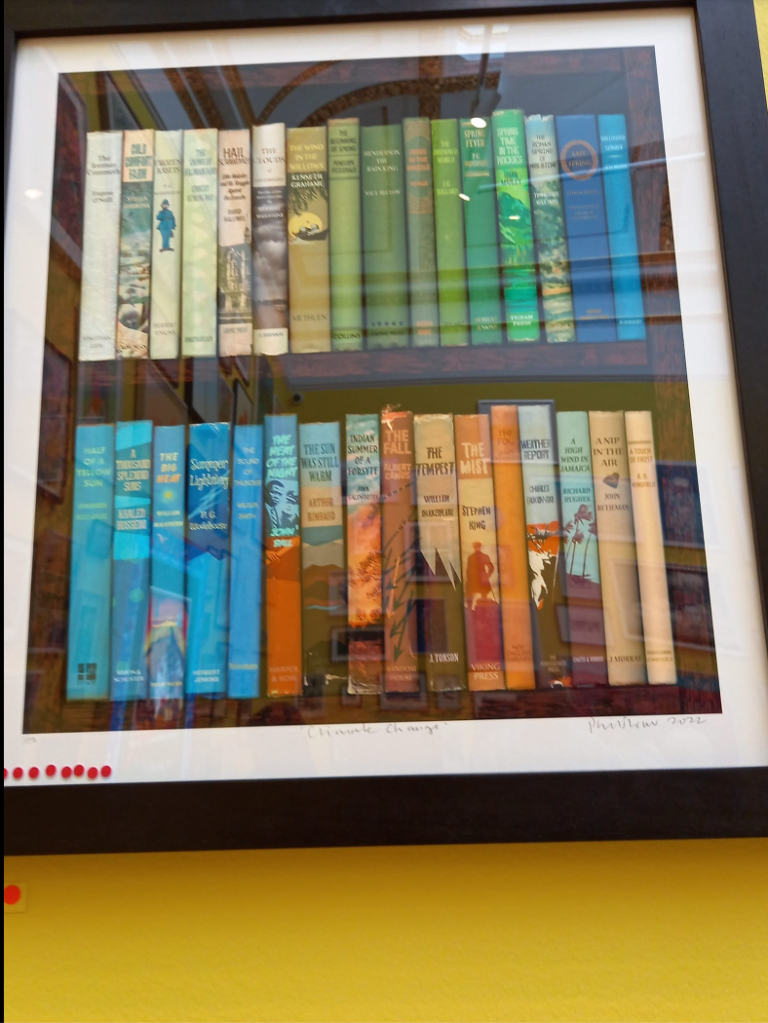
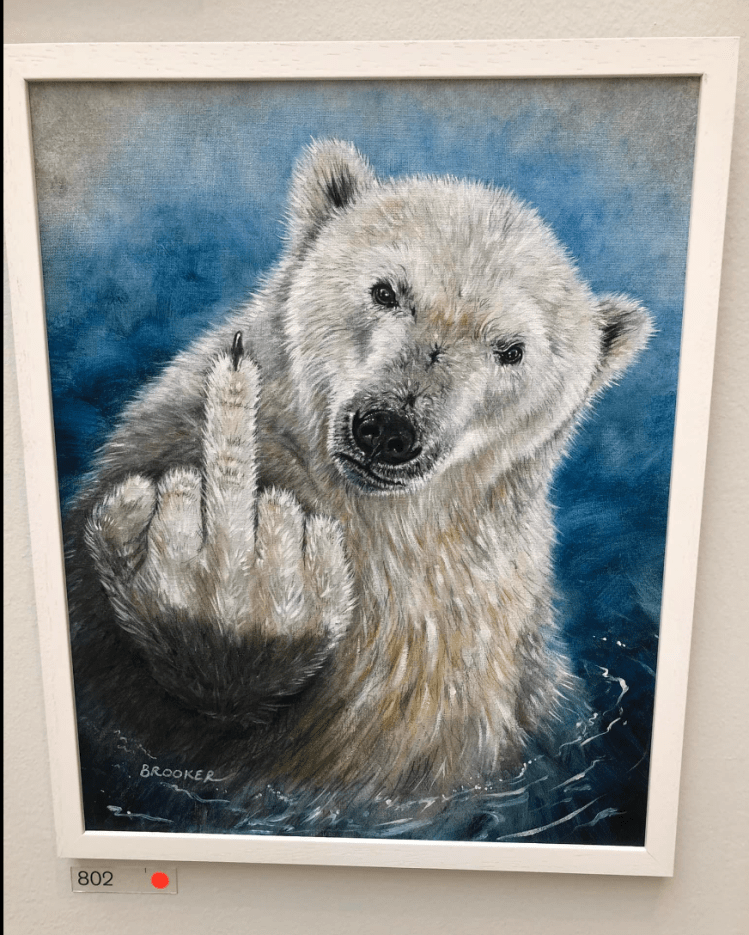
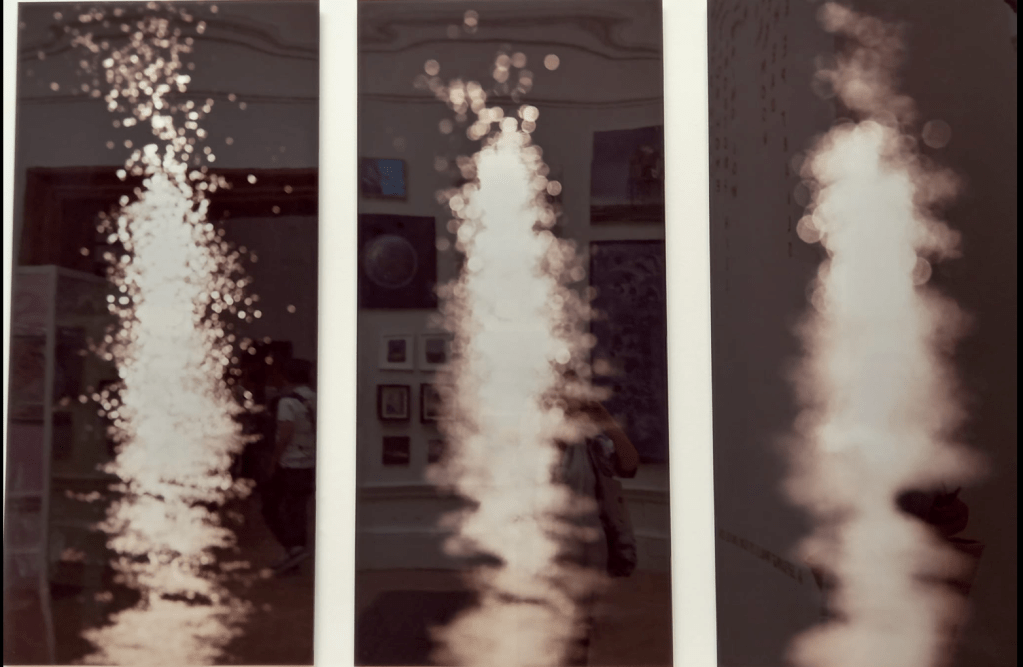


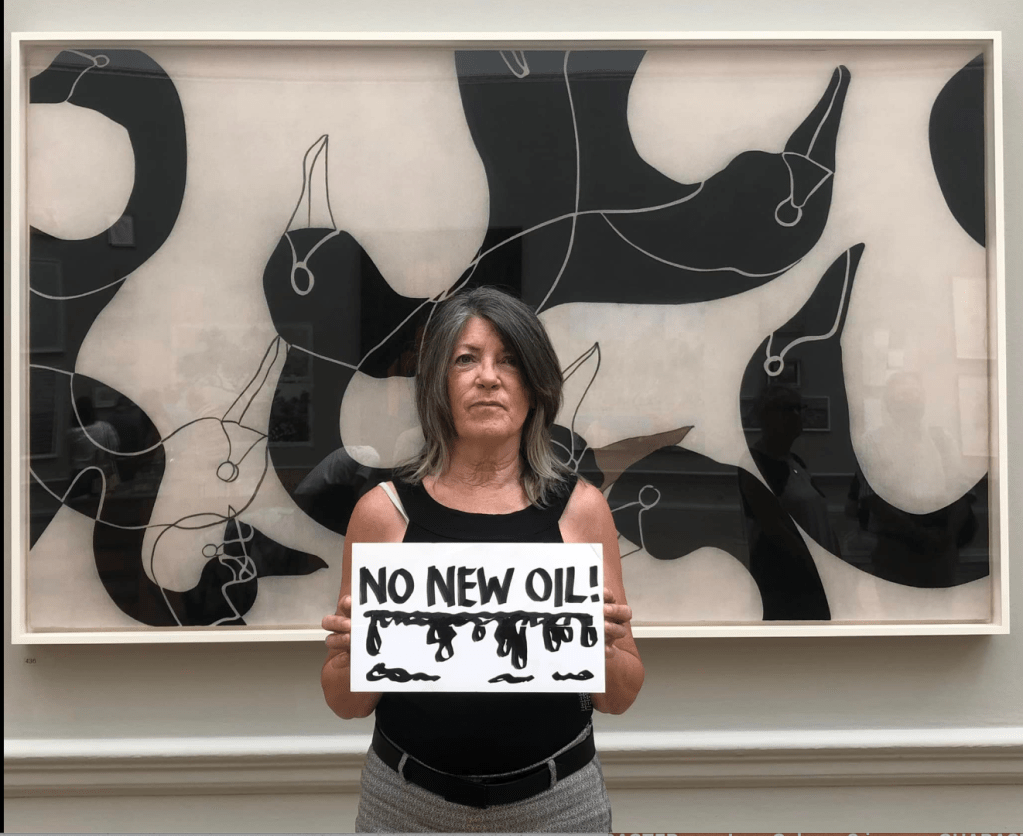


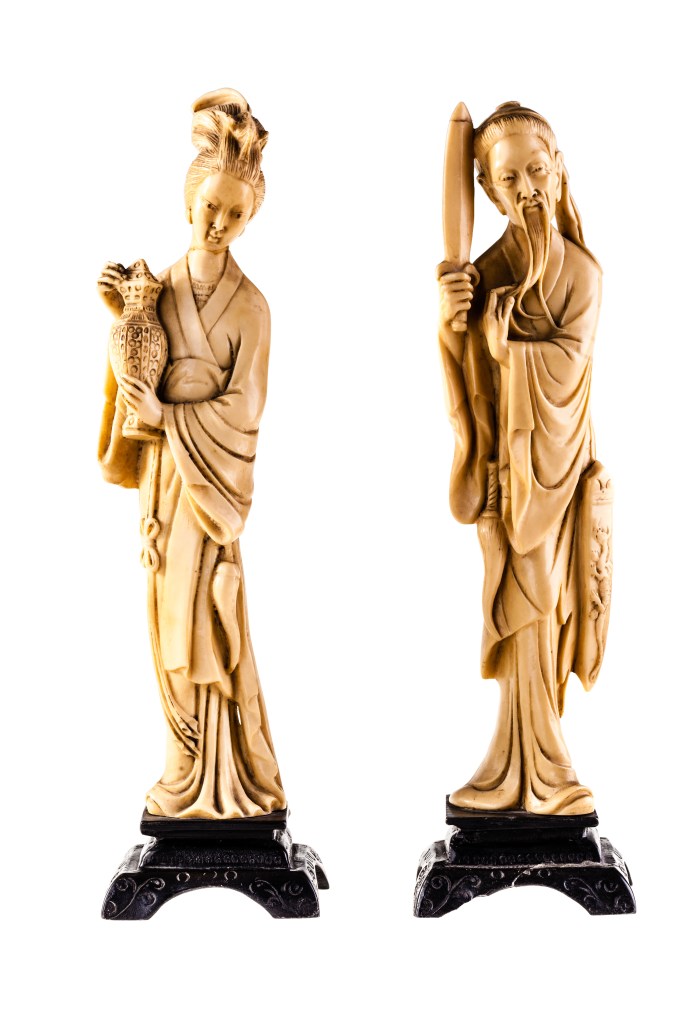
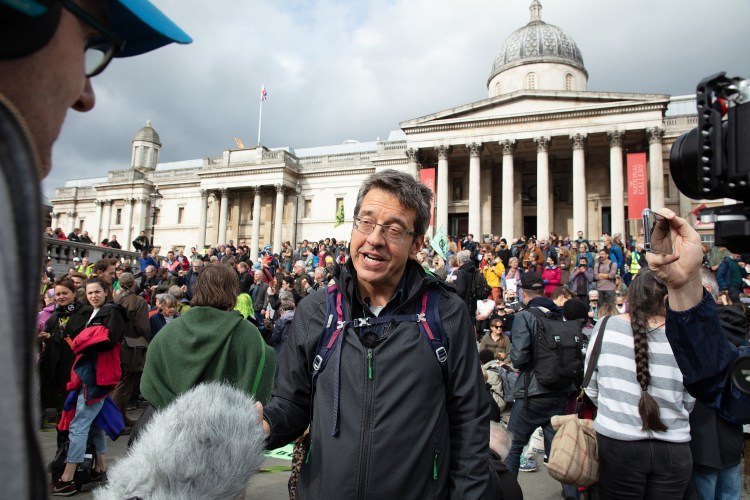


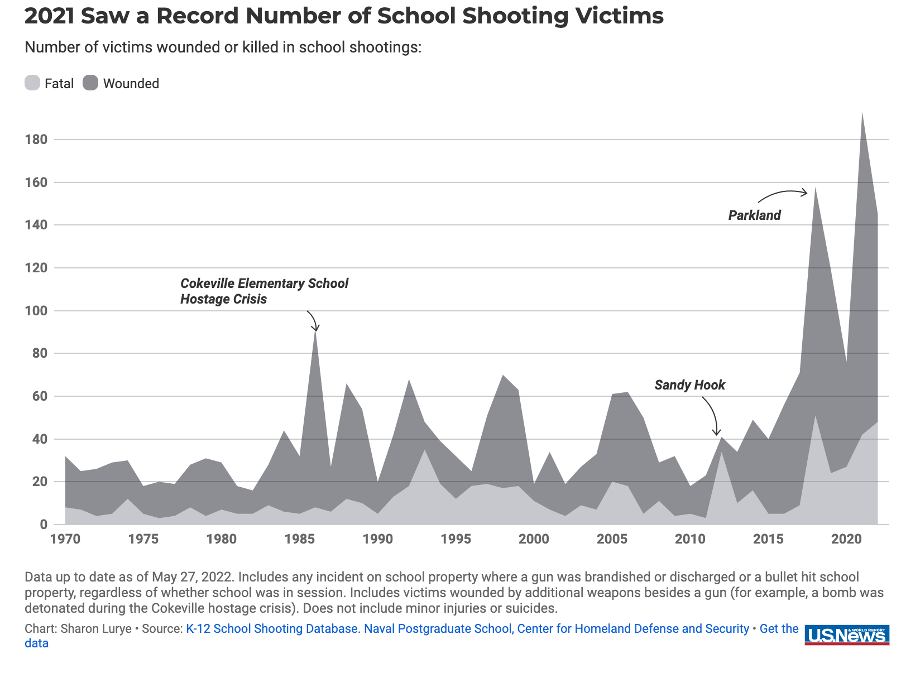
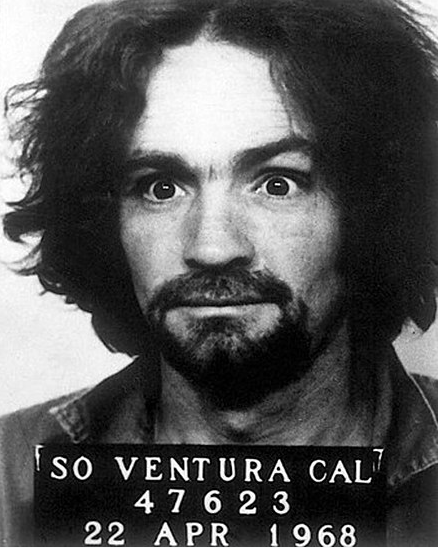
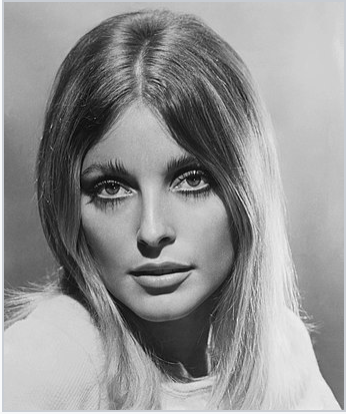
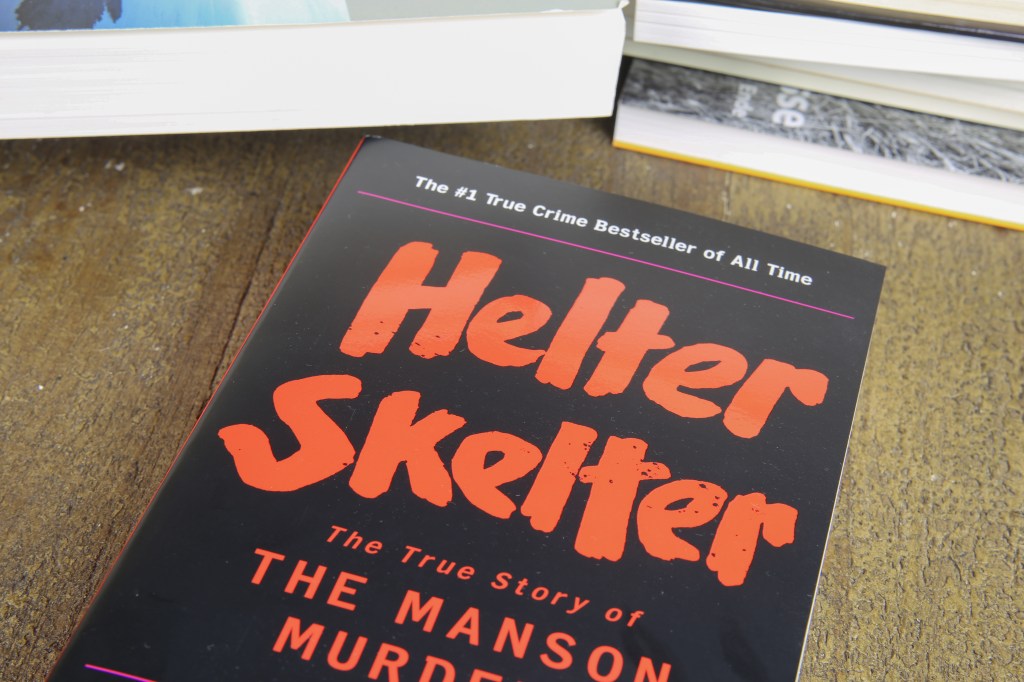
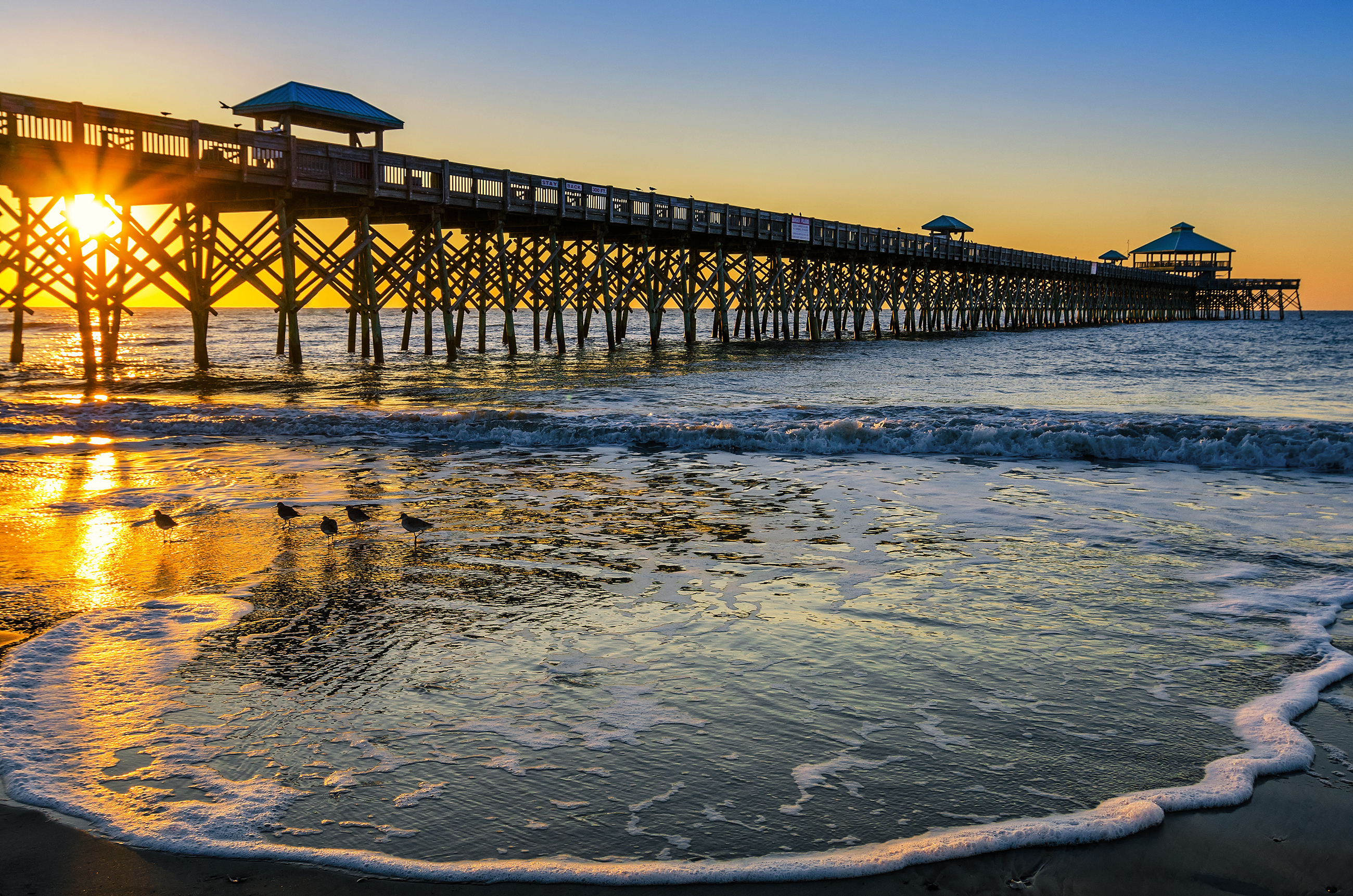
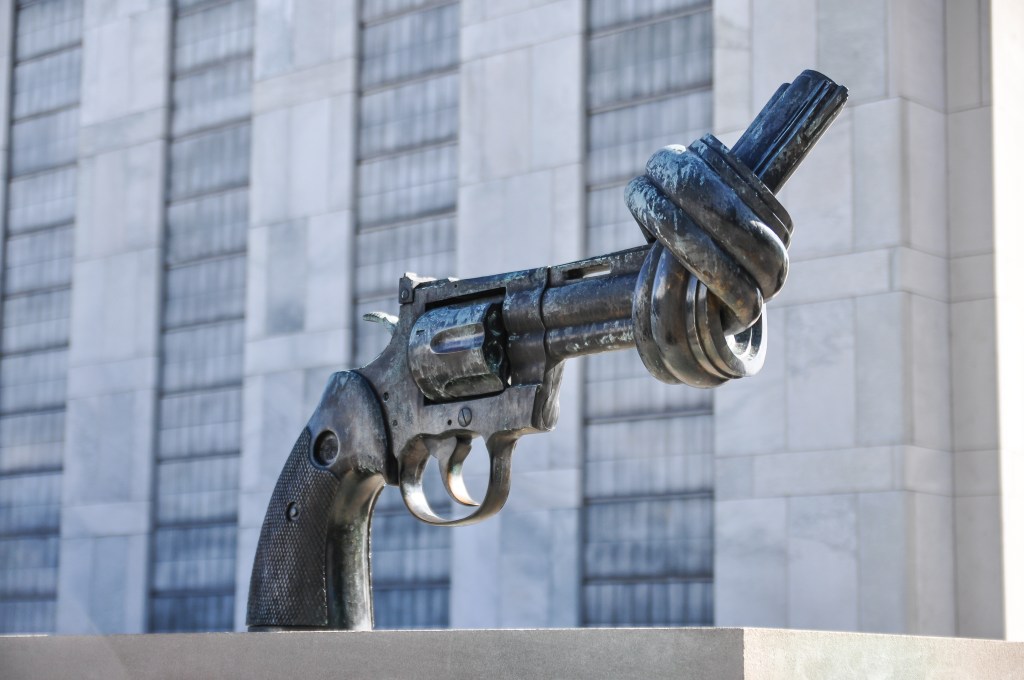

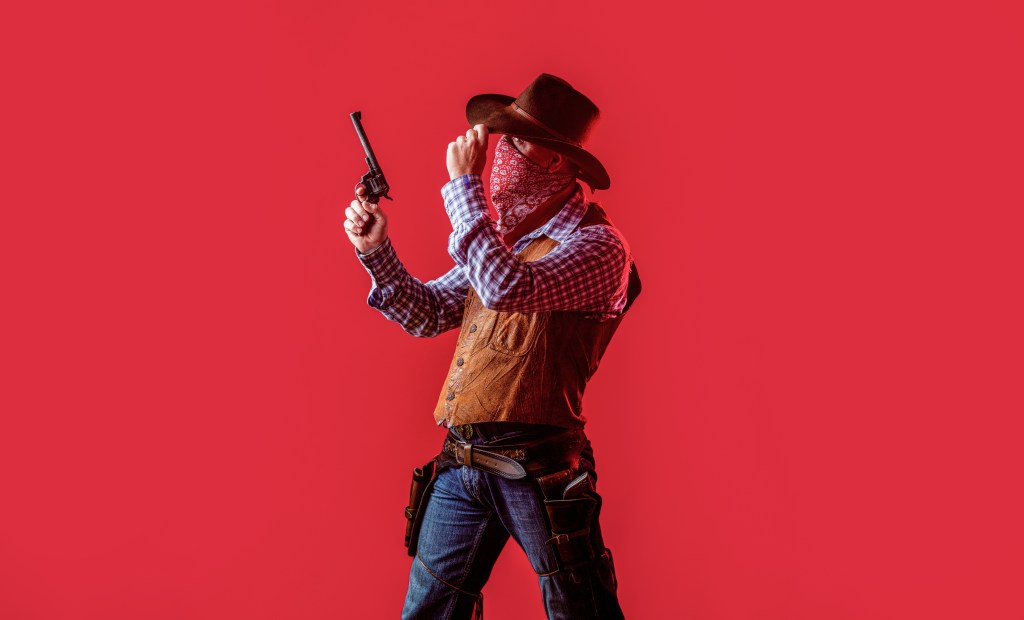
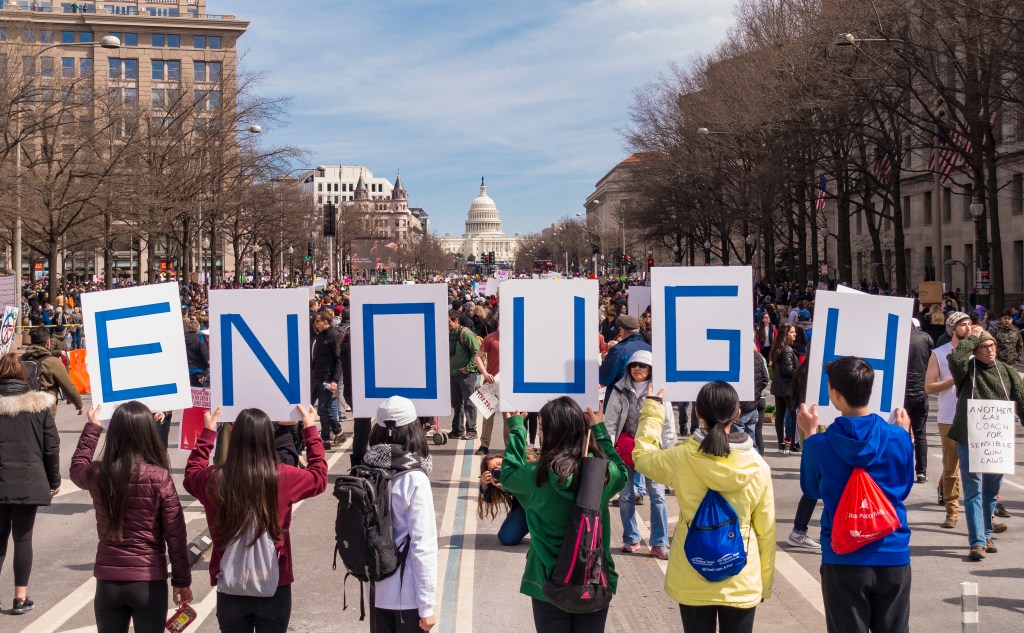


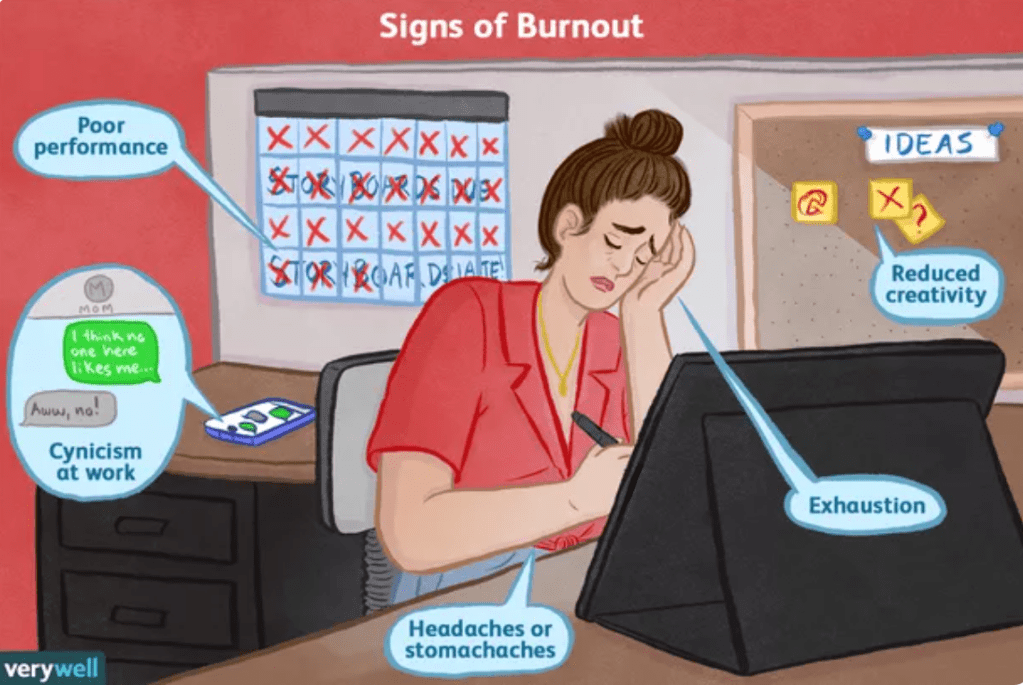

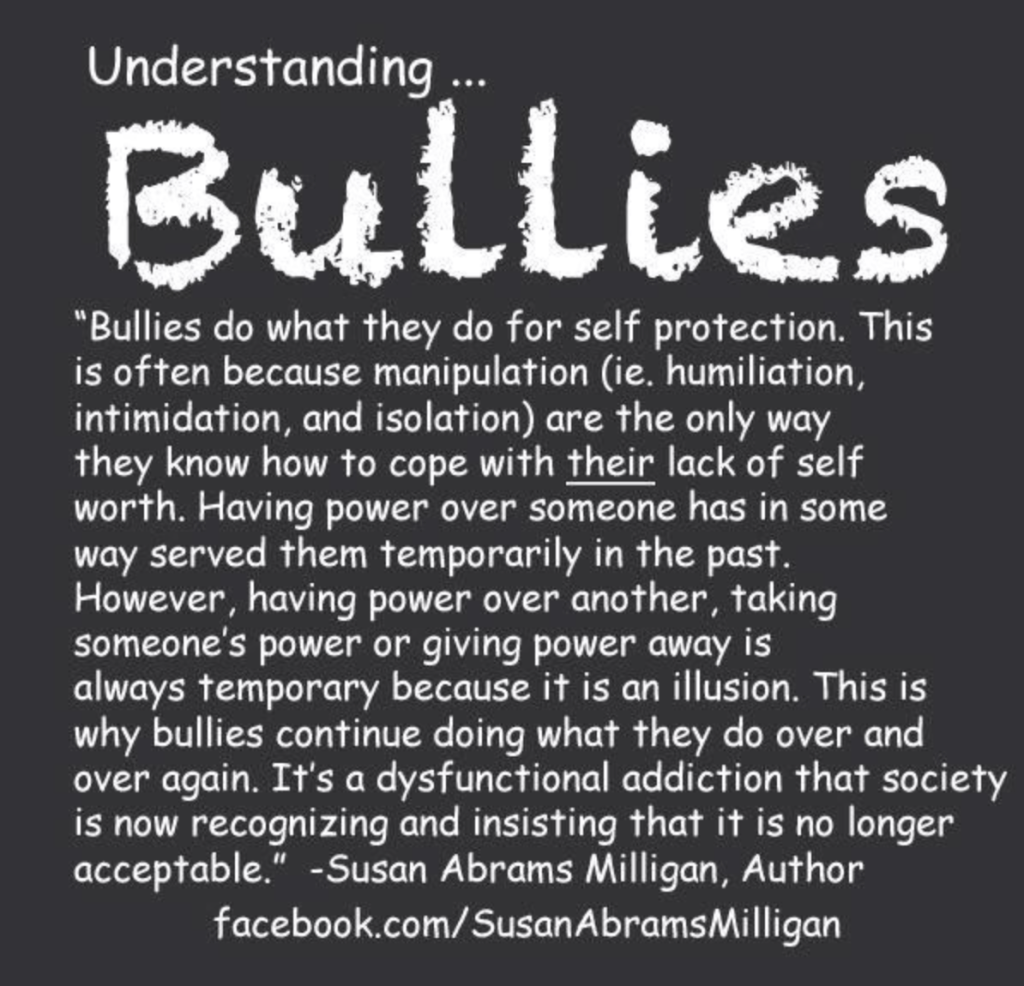
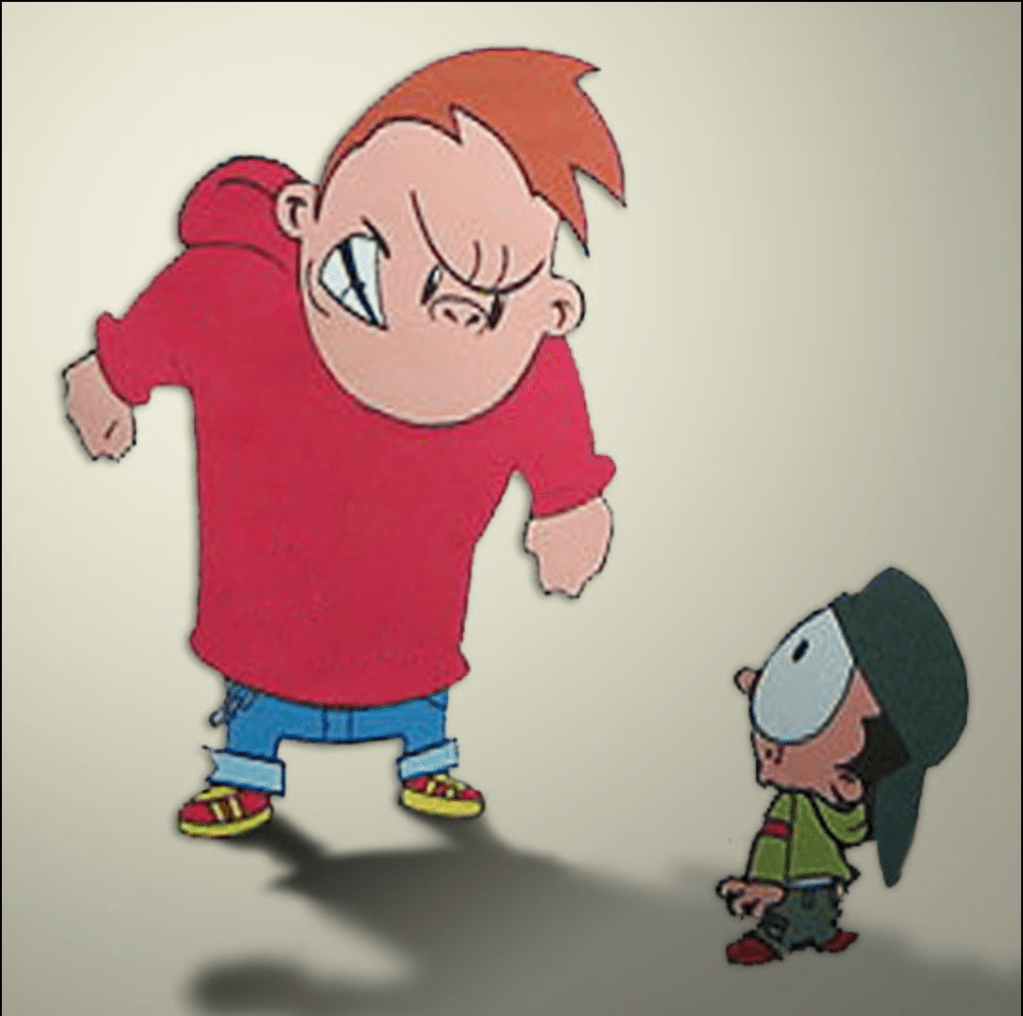

 Small Writer at Large