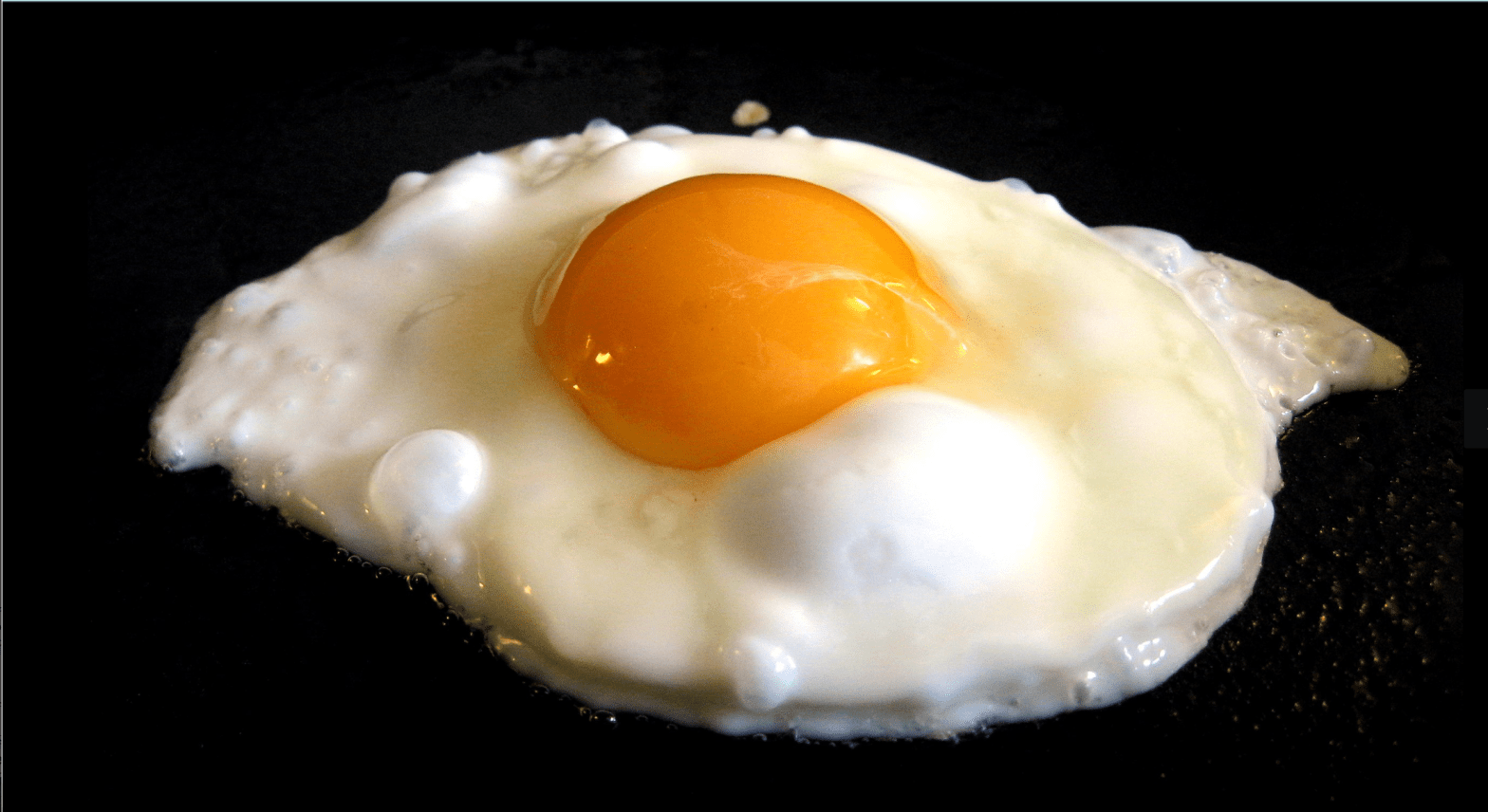
Answering the question ‘what happens after you lose someone/suffer a major loss?’ is one of those how-long-is-a-piece-of-string-type questions, in that a. each person handles and processes grief differently; and b. the truth is that you never really stop grieving. Even when you move on, there is always that big black hole of sorrow inside that never really goes away — as Lois Tonkin described it, grief is like a fried egg, where the big, yellow yolk is still very obviously there regardless of the white moving-on-with-life activities expanding in the pan.
As for me, the expanding periphery/egg-white analogy is very relevant, as although I’ve kept myself busy trying to get back into my normal daily/weekly routines of writing, editing, sketching, woods walking, church and community commitments, dancing, etc — including recently meeting up with international friends visiting London and travelling to Dublin to see friends — the internal core of grief is still very much there. I’m keenly aware that, like an unpredictable volcano, those feelings can well up and explode at any moment; this has happened rather consistently in the now nearly three months since my husband Roland’s death. So, while earnestly re-engaging with things that normally give me joy and purpose in life — my faith, spending time in nature, travel, art and writing, reading — I’m aware of my need to allow plentiful gaps to process those sudden spools of grief and heartbreak that come seemingly out of nowhere. Because they do.
My focus now is to finish part 3 of the historical fiction novel-in-progress (the working title is still Netsuke, though I’ve since come up with better title alternatives) I’ve been working on since Covid, which I hope — perhaps vainly, but one can try — to complete by the end of 2024. It is a huge challenge to do this after a nearly 8-month gap, first in Japan on a novel research trip, then in the US to bury my father, then dealing with my husband’s sudden illness and death (see previous posts ‘It Starts Like This: An Unexpected Journey’ and ‘Postscript: My Lemonade’), then preparing his funeral and sorting out all the inevitable post-death paperwork, bills, etc. I’m very grateful I haven’t had to deal with probate, as several well-meaning people in the monthly Bereavement Café I’ve attended at the GreenAcres Chilterns site where Roland is buried suggested. Yet I know I must finish this novel, not only for me, but as way of honouring my husband and father. Both were highly invested in me finishing it, then hopefully publishing it and being successful. I owe it to them both to do my best; it also helps to have this goal.
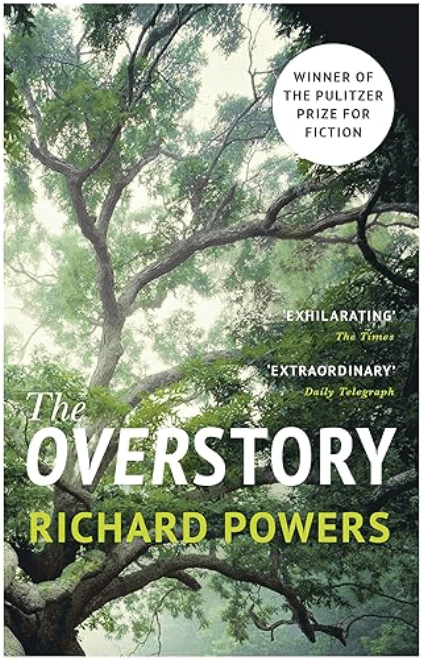
Some things have been harder to let go of or move on from, however. It took me forever to finish reading Richard Powers’ wonderful Nobel prize-winning tree novel The Overstory — for one thing, because it is so marvellously well-crafted/written — but also because I had been reading it to Roland while he was in hospital and he’d commented how it had made him feel connected to me, so I’ve tried to time my visits to his woodland grave site with sections I wanted to read to him (also, as he had said he wished to be buried and become a tree, it is deeply meaningful to be reading aloud a novel about trees while sitting in his woody patch).
I still haven’t been able to put away all the photo albums I got out to look at and comfort myself with happier memories of when my father and husband were still alive. I haven’t yet removed any of my husband’s things, as it is nice to have a sense he is still here — his place on the settee is still surrounded with his personal effects, as if he had just popped out and will return any moment. I still wear his wedding band on my cross necklace. And sometimes I wear his clothes or cologne, which is as close to feeling his physical presence with me as I can get. Perhaps this sounds sad or absurd, but it has helped me to feel he is still with me.
Amid transitioning from my sudden losses to attempting to get on with my life and novel, I’ve also been processing the very existential threats currently on the horizon and in the news — the impacts recently felt in the US, Europe and elsewhere of catastrophic climate change-related natural disasters and the ongoing war in the Middle East, chiefly — both of which are, to me, blatant signs that we are truly entering the (end) times. I am greatly aware of the Silent Spring effects of disappearing species, with record absences of butterflies, birds, insects and mammals. On top of my personal grief and the seasonal affective disorder (SAD) feelings I experience each autumn, I have also felt a deep sense of sadness or ‘homesickness’ (‘solastalgia’ — see below) for all we have collectively lost in allowing our beautiful planet to go to hell. At times the rage, despair, grief and deep sense of loss makes me long to hurl myself into Roland’s grave, yet spending time in prayer and meditation in nature, listening to the Earth’s cry for redemption, as I did recently while walking on Ireland’s rugged coasts, gives me peace, as I remember God promises to redeem both us and His creation (Romans 8:18–20).
So, I persist in hope, not only of being reunited with my husband in eternity, but of joining him in ‘a new heaven and a new Earth’. While humans may be aggressively hurtling us all into the next world war and beyond the known tipping points for survival, thus dooming our own and future generations, there is always hope in God and nature’s own powers of resurrection and renewal. As Jesus Himself advised his disciples when discussing the end times, ‘When you see all these things begin to take place, stand up and lift your heads, for your redemption draws nigh’ (Luke 21:28). Amen.
Meanwhile, I will leave you with my recent prose efforts in relation to the above, both of which are also written in second-person POV, as I have found this a helpful tool for expressing challenging emotions. Please feel free to comment (at the very bottom of this WordPress page) as you may desire. Next time I hope to report on my novel’s progress.
AFTERMATH: STILL LIFE WITH VASES

For weeks the house is filled with flowers… so many you struggle to find clean vases for all the bouquets regularly appearing, proffered by friends whose motto is ‘say it with flowers’ whenever words flourish only as noisome weeds. You take each bunch silently, swallowing each syllable of sorrow behind your thin mask of I’m okay-ness, then mouth a terse thanks before retreating to let your torrents flow unseen.
You survey the windowsills and tables inside your house, looking for space amid all the cards and containers commemorating your loss. You see each vase is already full; you must conjure some other accommodation. You notice certain flowers are already fading, their perished petals dropping tiredly on the tabletop. You discard the wilted debris, deliberating over blooms whose lingering scents remind you of his struggle to cling to life, even as he exhaled his last breaths. It’s another goodbye you aren’t ready for… will never be ready for, even though he’s already been gone for months now.
As you select the most seductive stems from the new bouquet to revivify each vase, you hope this simple act of rearranging will somehow help you recompose the clutter of your decomposed life, will reframe the rigour mortis that threatens to set in whenever you contemplate the stacks of paperwork and forms to fill in, the endless notifications and legal frameworks no one told you would soon repopulate your time. Life is complicated, and then you die — and then it gets even more complicated, you grouse to anyone who asks, hoping humour will help dissolve the ennui, provide a deus ex machina to absolve you of this very pedestrian punition. When every moment marks a further gaping black hole, another eternity of staring out a window, longing for him to come home yet knowing he never will, why must you endure so many endless, soulless telephone transactions with various entities and institutions?
To divert yourself from such dull duties, you peruse holiday brochures offering sun-soaked solo adventures, or phone friends abroad, hoping to take up that once kindly offered visit. You contemplate enrolling in courses that once vaguely interested you but now seem utterly compelling, as if a slight stroll through libraries littered with the words of dead men will somehow electrify you back to life. But in the end, all your activities and plans seem like mere ephemera, like will ’o’ the wisps whose wonders evaporate under the sheer weight of exhaustion. Sometimes all you want is a cup of tea and a bed you can crawl into and never get out of. Yet each morning you wake alone, realising he is no longer with you, your trusted partner in the tangled tango of life.
You try to reconnect with once-plural pastimes in your shared social circles, but the missing half of you remains an ever-present shadow. You go through the motions of engagement, exerting enthusiasm even as your smile wanders, waiting for him to nod, to speak, to laugh. For the invisible shadow to manifest and make your aloneness magically disappear. Some will applaud your energy, encouraged by your persistent re-entering of life, as if this affirms those choices they, the still-living, deem essential. But the alert watchman inside you — the one that sees each hidden, heavy sigh, each interlude of overwhelmed inertia, each tear that tears across your face unbidden every time you hear familiar tunes — is not fooled. No matter how much you try to deny the gaping hole where he no longer is, it dogs you daily, decimating your defences.
You tiptoe on until the tripwires of memory tumble you, hitting you like a tsunami all over again. You cry rivers, realising all you have left of him is a collection of photographs, a few videos saved on your phone, the ones you play over and over just to hear his voice, to remember what it sounds like. You know all your goings and doings have been too soon, your gawky gaiety too forced. So, you retreat under the heavy mantle that serves as your emotional cocoon, telling yourself you must slow down, resume the tempo of those first tentative steps, allow yourself to falter even as you stumble forward.
Outside, the seasons are already moving on. Soon the cruel winds of winter will blow clusters of dried leaves against your door; you will find yourself separating the brown leaves from those with more vibrant hues, like all those blooms you’ve endlessly rearranged all summer. You will count each day and month since he died, weighing moments of rapturous, delighted memories against those times you wailed like a forlorn, frightened child. And when you can no longer bear the endless ‘what ifs’ and ‘if onlys’, you will start again, slowly, sucking in each ragged breath as if it were your last.
SOLASTALGIA
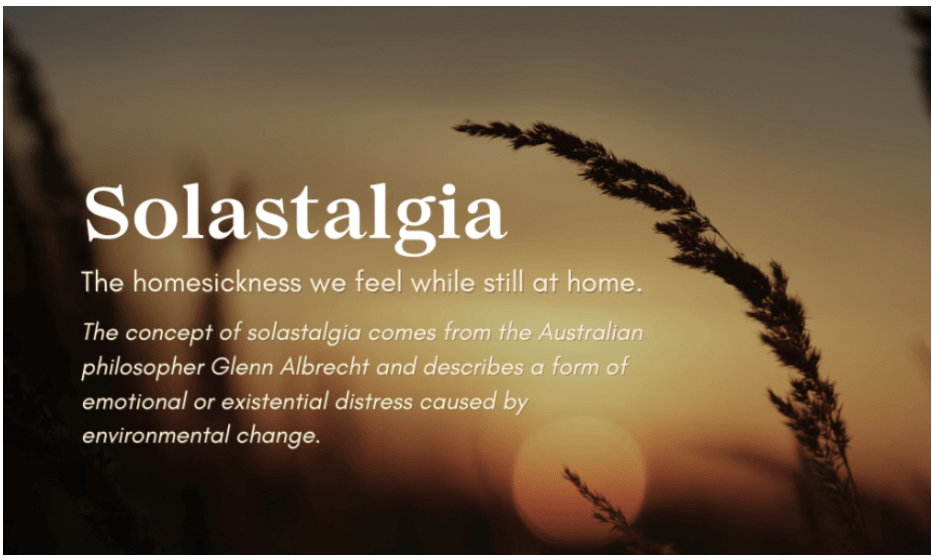
When you take up counting again, you start to notice the fields, once full of buzzing bees and charmed butterflies, are now empty. The lively birdsong that previously punctuated the forest with its joyful presence is now silent, only a vague imprint echoing along the tracks and curved corridors of trees. You weep, wishing you were born into a different world, a different time. You long for a distant age and time when nature and man were not at war, when every creature flourished in abundance, when granaries were full, and forests were verdant and alive. The deep grief and loss you feel at every vanishing species is too much, coupled with your recent losses. The only comfort is that those you loved and lost are now safely home, free from existential concerns of an imminent ecological collapse. But what of those still living? How will they — will you — go on?
You want to fight, to demand justice for the earth, but know all too well that those who fought vainly to save the earth are now shackled in prison cells, hoping for a justice that never comes. You pray vainly for politicians to reorder their priorities beyond the doomed Anthropocene growthism that dominates their plans before it really is too late, and the window of possible protections closes irrevocably, yet you know this battle is already lost. They are too much in love with their profits, with the myth of infinite growthism, with the idea that AI will save the world. It might be some kind of life, Jim, but not as we’ve known it. Not as all those who have loved life in all its infinite, myriad, abundant diversity have known and striven to care for it. Not as you’ve known and loved and fought for it, doing your best to protest, to warn, to reduce, reuse, recycle.
Yet every day, the headlines reel with news of the latest eco-disasters: floods, wildfires, deadly hurricanes and tornadoes, roads and bridges obliterated by avalanches, sea levels swamping coastal dwellings, swallowing whole islands. The power will be out for many months in several states, leaving remote individuals and rural communities stranded. You hear with horror how refugees fleeing climate disasters drown, their boats collapsing, thousands of lives lost. You weep and you weep and weep again, yet you know this is only the beginning of sorrows; the fourth angel has yet to sound his trumpet, plunging the world into darkness.
But to you it is already dark; your only hope now is a salvation not of this earth, nor of man’s endless ingenuity. The worlds of men, of science, are far too narrow for an apocalypse you always knew would come, sometime, likely in your own lifetime. You knew the warnings, read the science, saw the writing on the wall five decades ago when you were still filled with a hippie-fied idealism. Even then, you felt the urgency of doing everything you could now, of living as if the premise of tomorrow did not exist.
So, you go to your place in the woods, your refuge from the madness of men, where the only ones who will listen and cry with you are those few silent, ancient sentinels still left standing. They are waving their branches, wanting humans to listen to their warning hum. Will the trees speak to you and tell you what to do, now that the end — your end — is near? You hope when they speak your ears will be alert enough to hear and act, truly.
Meanwhile, the rest of the world continues with its set times and schedules, blithely unaware. People wake blinking into their morning coffees like nothing new or strange is happening, like they can still plan and manage their careers, save up for their lavish, jet-fuelled holidays, buy and sell houses, marry and beget, enrol in university courses where the syllabus is already as archaic and extinct as the dodo. You wonder, will the information age ever wise up? Will some genius engineer an innovation that can withstand the power of prophecies as old as the oldest tree rings, able to stem the miseries of Earth’s final furious unleashing?
You take up counting again, cautiously: how many days you — we all — might still have left on this earth. How many hours you have each day to wake, eat, sleep and somehow make a difference. How many statistics glaring on charts, still unheeded. How long it was since you last held your breath, astonished at the simple beauty of a butterfly beating its wings.
 Small Writer at Large
Praise Him for His goodness, even in the midst of our sorrows. The death of Calvary, then the Resurrection into life! God’s breath in the midst of the storms of this world. The calming of our minds and hearts, the future that our Creator God brings, even from the past!
LikeLike
Thank you Brian – it’s sometimes challenging to praise in the midst of sadness, but it is God-ordained medicine and we all need to take it. Bless you x
LikeLike