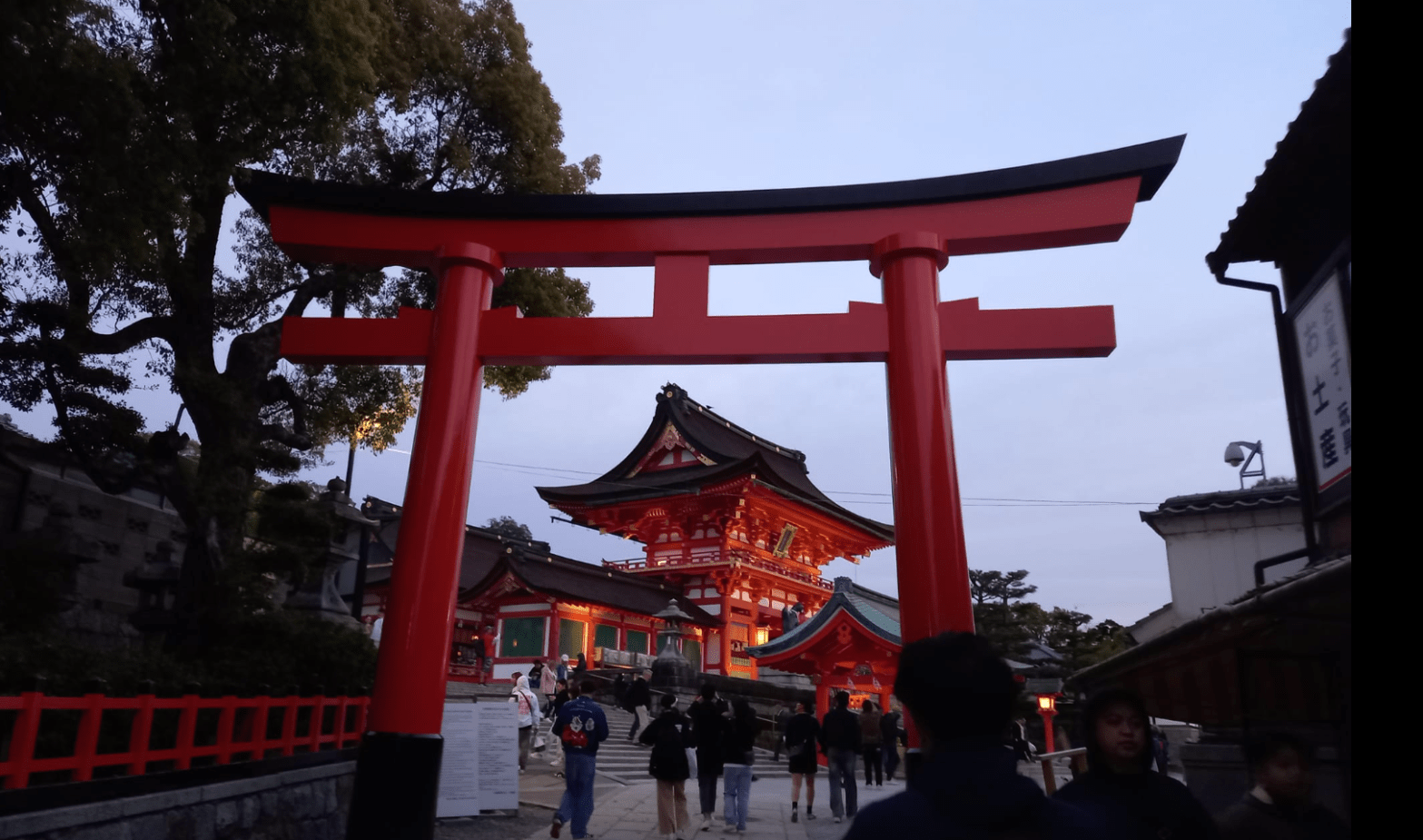
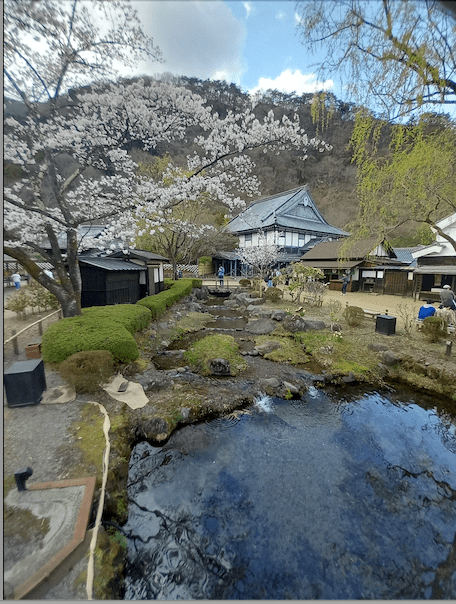
Japan is an amazing, achingly beautiful country that deserves to be on everyone’s must-visit destination list. It is full of fascinating ancient and modern historical sites with a unique cultural and spiritual appeal, set in stunning scenery and abounding with a glorious natural beauty that remains undiminished and (mostly) untarnished by time and modernity. It is home to world-leading street fashions and technological trends, and is undeniably one of the world’s top foodie heavens. What’s not to dream about?
Yet super-cool and appealing as Japan is, its culture, customs and values are vastly different (and in many ways, infinitely superior) to the West. Provided you understand, respect and observe these differences, you will be rewarded with a treasure trove of life-enhancing exchanges. Therefore, for those who have yet to visit this ‘land of the gods’, you would do well to prepare both practically and attitudinally for what will certainly be the trip of a lifetime.
Unfortunately, since the resumption of tourism post-Covid, Japan has increasingly felt the impacts of over-tourism, recently described as ‘sightseeing pollution’. March 2024 alone saw over three million foreign visitors, with 8.5m in the first three months of the year, according to Japan National Tourism Organisation statistics. Although Japan’s economy has benefited from the influx of tourists, the disrespectful behaviour of many foreign visitors has sorely tested the country’s tolerance, and it has begun to clamp down.
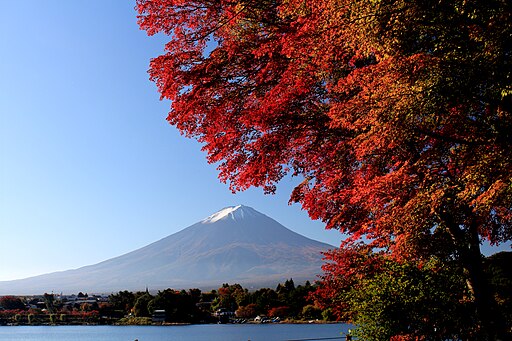
Earlier this year, authorities closed certain streets in the popular Gion district of Kyoto after tourists were filmed incessantly harassing working geishas; now, timed, limited entries have been introduced for those seeking to climb Mt Fuji, and the town of Fujikawaguchiko — a renowned Fuji-viewing site — has blocked the view with a large convenience store (conbini) in an effort to dissuade crowds of unruly tourists from disturbing its wa (harmonious coexistence). Tourist taxes and differential fees or rules for visitors are also likely to become more common in future. Considering Japan has closed its borders to visitors from the West in both its recent and distant past (eg the sakoku [‘locked country’] period of over 200 years of isolation), it will be interesting to see whether it will ultimately implement any sterner measures.
So how can you travel hassle-free and enjoy the best Japan has to offer without causing offence? Based on my recent solo-travelling adventure in Japan (see previous blog post, Samurai, Sakura and Onsen Satori: 18 Days in Japan), I am sharing the following tips below in the hopes others will benefit from this advice, and will not only have the best trip possible, but ensure Japan remains welcoming to foreign visitors. There are so many things we would do well to learn from and emulate from this amazing country.

- Japan is very clean, and expects all foreign visitors to respect and observe this. It is often difficult to locate any rubbish bins in public places, so make sure you bring a rubbish bag with you and dispose of all your food, etc rubbish once you return to your hotel. The same applies to plastic water bottles (usually to be disposed of in recycling bins) and cigarette butts.
- Do not eat, drink or smoke when walking around or in public places, except in designated areas — this particularly applies to places of worship, eg shrines and temples. However, you can eat once seated on Shinkansen trains — bento boxes are often available at the station for this purpose — and picnicking in parks is usually okay. If other Japanese individuals or groups are picnicking in an open area of a park or tourist site, that is usually a good indication that it is okay for you to do so.
- If you smoke, only use the designated public smoking areas outdoors (typically near or outside train stations or conbinis). Most hotels will have an internal cubicle for smokers, but these are typically standing-room only and are often crowded. Some hotels — particularly business hotels, like the APA chains — still offer smoking rooms, which may be more convenient. (*Note: Until public smoking bans were introduced in 2020, smoking was commonly tolerated across Japan; there will still remote areas or pockets of Tokyo and Osaka [generally considered the ‘party town’] where restaurants and cafés even allow indoor smoking in some sections.)
- Refrain from speaking on mobile phones or talking loudly on public trains, subways, buses, etc and onsens — even using speakers to listen to music can sometimes be overheard, so best to refrain from using these in public places.
- NEVER take a picture of a Japanese person without first asking permission — this is considered very rude, and has caused lots of problems, particularly with tourists hassling working geisha for photos. Use your hands to mime taking a picture, and ask politely, Daijobu desuka? (Is it okay for you?). Although most Japanese will oblige when asked politely, be prepared to accept a negative answer and let them be.
- There is no need to tip anyone (taxis, wait staff, etc) in Japan; in fact, to some, it is insulting. As Wim Wenders’ marvellous Perfect Days film celebrates, even those in lowly occupations like cleaning public toilets take great pride in their work (a kind of national ‘Zen and the Art of Public Cleanliness and Devotion to Duty’ mantra).
- Although many Japanese speak English, not everyone does, so try to learn and use at least a few basic Japanese words and phrases, such as ‘Onegai shimasu’ (please), ‘Arigato gozaimashite’ (thank you very much), and ‘Sumimasen’ (excuse me, sorry). Easy Travel Japanese is an excellent site for learning these.
- Be polite and respectful towards all Japanese people you encounter, including hotel and restaurant staff. Try to observe and mimic Japanese customs — for example, join the orderly queues behind the numbered carriage sections on train platforms; don’t wear rucksacks on your back on crowded subways but wear them on front to avoid knocking into others; bow and greet others using a polite ‘Ohayo / Konnichiwa / Konbanwa’ (good morning / afternoon / evening).
- Japan is VERY safe, especially for women travelling solo — that being said, men have been known to grope women on packed subways (that is one reason you won’t see many Japanese women in leggings). In general, crime is low — and as my own experience proves, lost items are usually retrieved with money and valuables intact.
- Pack light — you won’t need much except a few changes of clothes, especially in hotter, muggier months (from mid-April through to mid-October, depending on the time of year and location), though you will likely need a light, waterproof jacket or raincoat throughout the year. Most hotels have laundry facilities.
- Only take vital personal toiletries; sleepwear is also unnecessary – All or most hotels typically provide basic toiletries (including a toothbrush and toothpastes), as well as yukatas (kimono-like cotton loungewear you can sleep in) and slippers.
- In view of the weather and the preference for peak cherry blossom or fall foliage seasons, the best months to travel to Japan are generally mid-March–early May, or October–November. However, every season has its own unique joys, and you may get better flight or last-minute deals travelling outside of these more popular times.
- You will do A LOT of walking, so bring 2–3 pairs of sturdy, comfortable walking shoes (not sandals or flip-flops — Japanese don’t usually wear open-toed shoes, unless with tabi socks).
- Try to pace yourself — don’t over-plan. Make sure you allow time for rest breaks, discovering off-the-beaten-track places and/or inevitably getting lost, especially at bigger train and subway stations in Tokyo and Osaka (JR staff and tourist information centres usually have some English-speaking staff who can help you, however).
- A Japan Rail Pass IS worth buying if travelling long distances up to set periods (eg 7, 14 or 21 days); otherwise, just buy regional train and Shinkansen tickets as you go.
- Buy a Welcome SUICA or other IC card as soon as you arrive at the airport — it is very handy as you can use it on almost all regional trains, subways, buses, etc (not JR trains, however) across the country. You simply tap in and out with it, as with an Oyster card. You can also use it to pay for drinks in some convenience stores (conbinis) for food and other basic items. I put 10,000 yen on mine to cover just under three weeks of travel from Honshu to Kyushu, and still have 2,000+ yen left.
- Finding your way around the train and subway lines, working out which train lines and station exits to use can be very confusing, particularly bigger stations like Tokyo, Roponggi, Asakusa, Shinjuku, Shin-Osaka, etc. If you are lost, go to the information stations or the ticket office for help, as some staff speak English and may be able to help you. Also, try to study station maps and memorise landmarks near exits.
- Although you can use your debit or credit card in many places, it is recommended to carry sufficient cash with you when you cannot. I budgeted 10,000 yen (£50) per day for meals, taxis and museum, temple, etc admissions, and still had 5,000 left over! (Also, if you pre-order yen from Asda, etc, you can usually exchange it on return.)
- Most hotels and public sites have free WiFi, however if you need WiFi while travelling, buy a Japan SIM card. I don’t recommend pocket Wi-Fi, as the device Gluten Free Tours Japan sent me only worked intermittently, so I had to use mobile data to communicate with them, which cost me an extra £100!
- Make sure you have valid travel insurance to cover you for any medical, etc emergencies. Japan does have English-speaking medical centres, such as the one I went to in Tokyo (NTT Medical Center), but treatments are not cheap (my initial consultation and prescriptions cost over £250; altogether ca. £450 for three visits).
- Use a luggage-forwarding system such as Yamato to send your cases on to your next hotel for stays of two or more days, and just pack a few items in a rucksack for one- or two-night stays. It’s cheap and infinitely easier than transporting your luggage on trains. Just ask your hotel reception staff to do this for you at check-out; they’ll be happy to oblige.
- For a genuinely Japanese experience, stay at a ryokan (traditional inn) and use the onsen(public baths in restorative thermal mineral waters) — but make sure you observe the instructions, which can differ at each place. (Most hotels and ryokans with onsens usually provide a yukata, slippers and a carry-bag or box to sleep in and use when visiting the onsen.)
- You don’t need a swimming costume for onsens — these are public but sex-separated. When you enter, strip off to your birthday suit and put your yukata and slippers in a locker, then sit and wash yourself thoroughly (sitting on a plastic bucket) before entering the onsen. Be careful not to fall in as I did! (This did make my fellow bather laugh, though typically people do not talk in onsens.)
- Unless eating at a 5* restaurant — or paying for a multi-course kaiseki or teppanyaki dinner — most meals are relatively inexpensive. You can also find plenty of tasty, cheap and filling foods in conbinis (convenience stores — eg 7-11, Lawson’s, Family Mart, which are virtually everywhere).
- Do your own research and make your own hotel, tour, etc bookings rather than paying hefty fees to an external agency, especially for a ‘self-guided itinerary’. You will save a lot of money and hassle, because in the end you are unlikely to follow their suggestions either through circumstances or personal preference. The same applies to group tours if you value freedom to explore and prefer to enjoy what you are seeing at your own pace.
- Local English-speaking guides can be invaluable, especially for small-group or individual tours of historic sites and / or trips to remote regions — I was very impressed with the services of Yukihiro (Hero) of GoWithGuide in Kyushu, who not only gave valuable insights for my novel research, but kindly drove me to sites it would have been impossible to reach on my own.
- If you can, plan a longer trip so you can include at least one other city or region for a more genuine experience of Japan. Although there are plenty of places truly worth seeing at least once in the ‘Golden Triangle’ cities of Tokyo, Kyoto and Osaka, there are also many less-crowded, beautiful and historically fascinating gems to be discovered in less-well-known cities and regions across the country, including in the other main islands of Hokkaido, Kyushu and Shikoku.
- However, if you only have time for a few day trips or overnight trips out of the three cities, I recommend at least a day trip from Tokyo to Nikkō and/or an overnight stay in a ryokan in Hakoné, also easily reachable from Tokyo; an overnight stay in a ryokan in Miyajima is best for good, uncrowded views of the floating shrine; and if you plan to visit the Arashiyama Bamboo Forest in Kyoto, I recommend the stunning Sagano Scenic Railway journey to Kameoka and back.

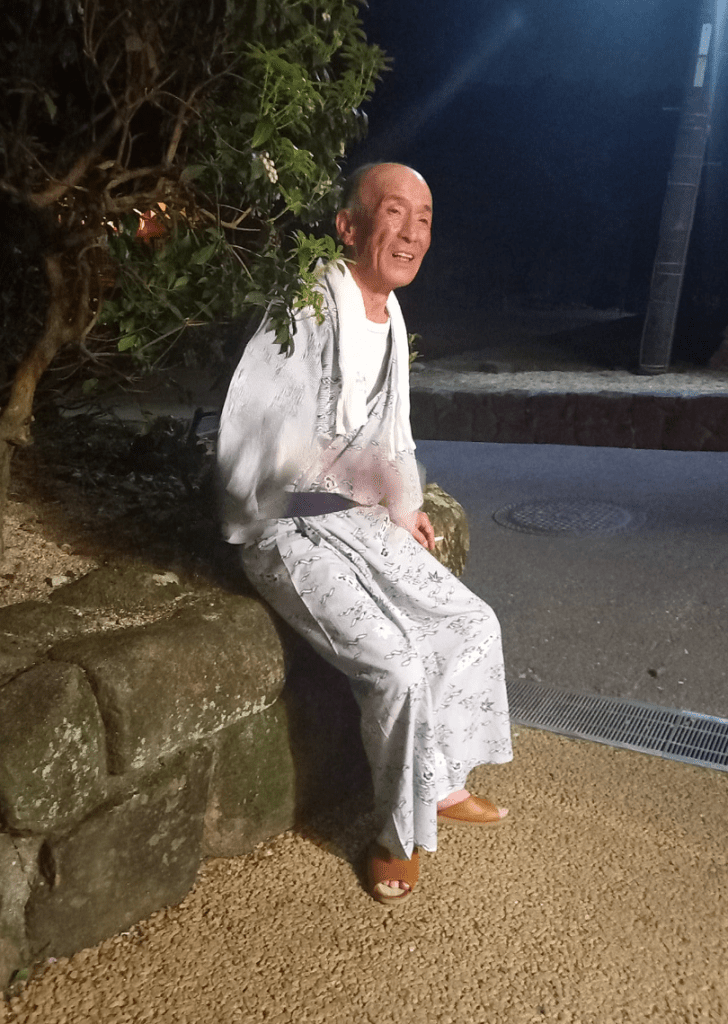

TIPS FOR THOSE WHO ARE COELIAC OR GLUTEN-INTOLERANT
For those like me with gluten intolerance or coeliac disease, it is possible to eat without having any adverse reactions, even to enjoy some of Japan’s most favourite treats. However, here are a few helpful tips specific to those with this particular food issue:
- If you are gluten-intolerant or coeliac, bring several packets of your own GF soy sauce or tamari packets of GF soy sauce in your suitcase (you can order them in advance from US company San-J) and carry a few packets with you to flavour your food (alternatively, it is sometimes possible to ask the food is salted only or cooked without seasoning, particularly yakitori skewers of chicken, beef, etc).
- Check labels on conbini foods using Google Translate + the camera on your phone to check ingredients for any food allergies or intolerances (also applies to menus). Hard-boiled eggs are a good bet, as are plain onigiri rice cakes. If in doubt, avoid.
- An increasing number of restaurants and cafés offer GF Japanese foods for those with allergies, intolerances or vegetarian / vegan preferences, especially in bigger cities like Tokyo or Osaka; you can try using the ‘Find Me Gluten-Free’ app to locate your nearest GF options. However, some GF restaurants and cafés — like the wonderful Gluten-Free T’s in Roponggi — are very small, so it is best to make a reservation to avoid disappointment.
- Information, reviews and tips from fellow travellers on good/GF-safe foods and eateries can be found on social media forums such as gluten free Japan or Gluten-Free in Japan! (Facebook) or Reddit (‘My eating gluten free experience in Japan’), for example. If you are coeliac, see ‘Living in Japan with Celiac’ on Celiac.com.
- Be aware that even if you eat supposedly gluten-free meals, cross-contamination is often an issue, as foods may be cooked using the same water or oil as non-GF foods. (Another option is to take GlutenEase or another commercial glutenase [gluten-destroying enzymes], but these are unproven and not recommended for coeliacs.)
- If you or a member of your party are coeliac or worried about health issues connected with this, you may be better off making tour arrangements with Gluten Free Tours Japan, who specialise in tailor-making tours of Japan for coeliacs and those who are worried about finding foods safely because of high gluten intolerance.
- However, you can usually find allergy- or intolerance-safe options at Italian, Indian, Spanish and Mexican or other Western cuisine restaurants; even some Chinese restaurants will adapt dishes for GF, but use Google Translate to check ingredients if unsure. In general, I found it relatively easily to judge which conbini foods I could eat safely, and felt comfortable ordering curries, as these are usually safe for those with GF requirements.
- For Japanese food, stick to sashimi and sushi or yakitori skewers seasoned only with salt, and perhaps use your own GF soy sauce if needed. Legal Nomads provides a card in English and Japanese that explains what you can and cannot eat, which may be a useful safeguard.
 Small Writer at Large
What I read is very good advice and similar to what we experienced.
LikeLike